
Flatbed Trailers For Sale in New Mexico
Shop flatbed trailers for sale in New Mexico. Compare 48-foot and 53-foot combo flatbeds, air ride suspensions, coil packages, winches, and axle setups.
Looking for the easiest place to sell your flatbed trailer? List it here to reach thousands of buyers.
Flatbed Trailers in New Mexico
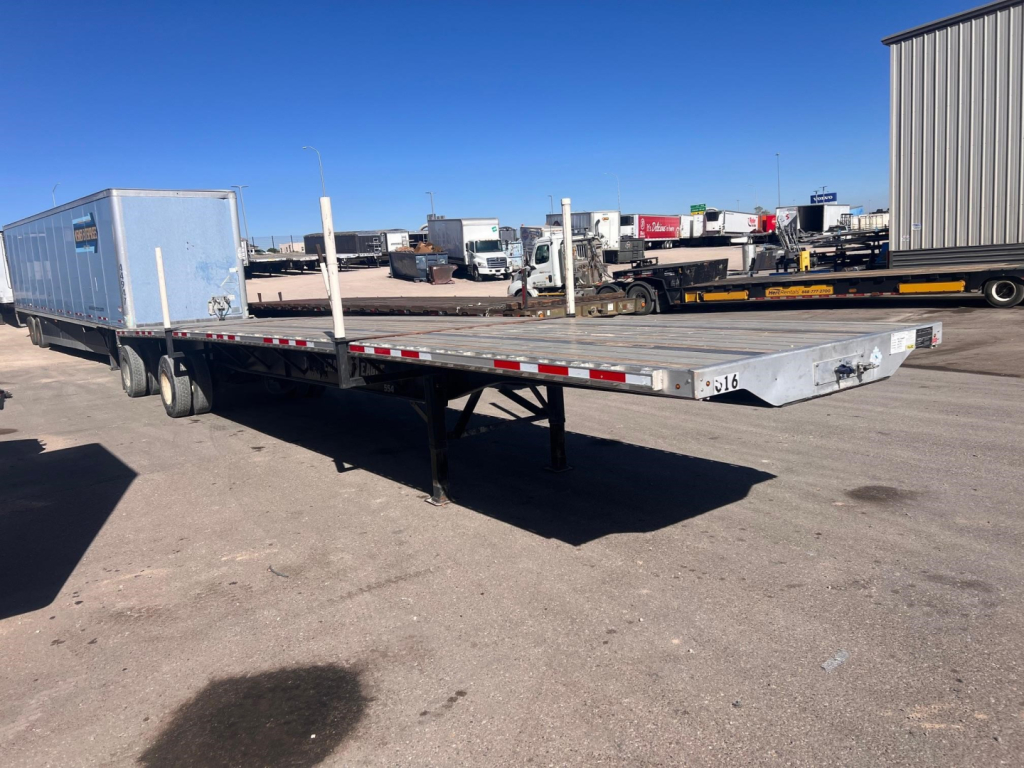
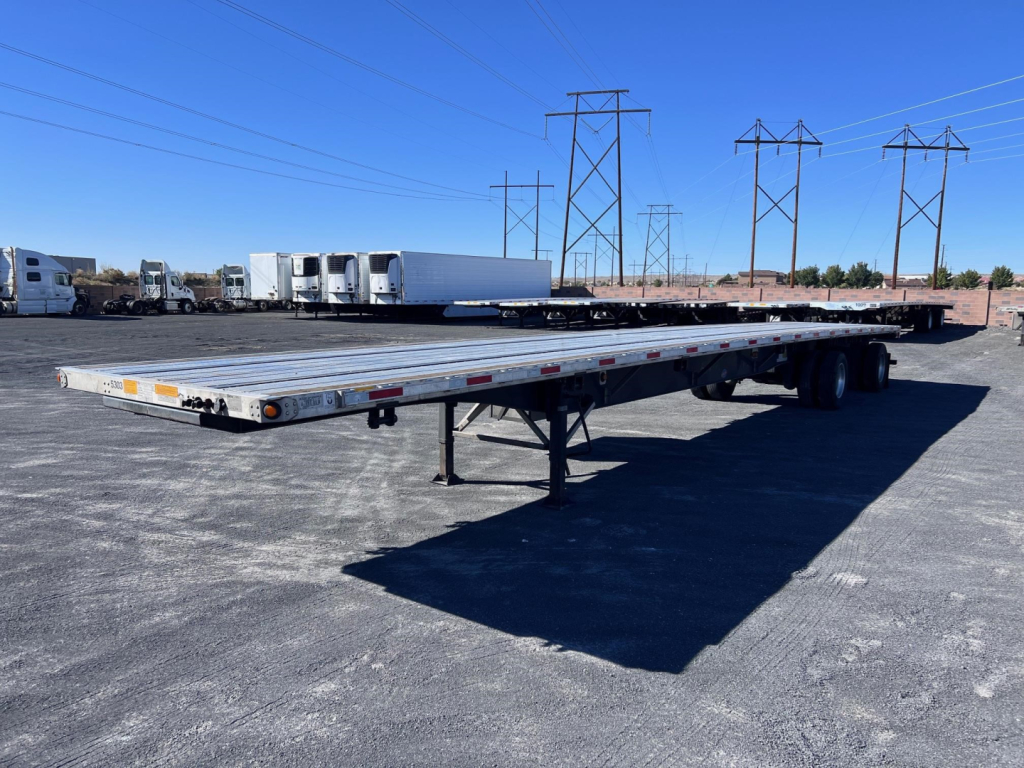
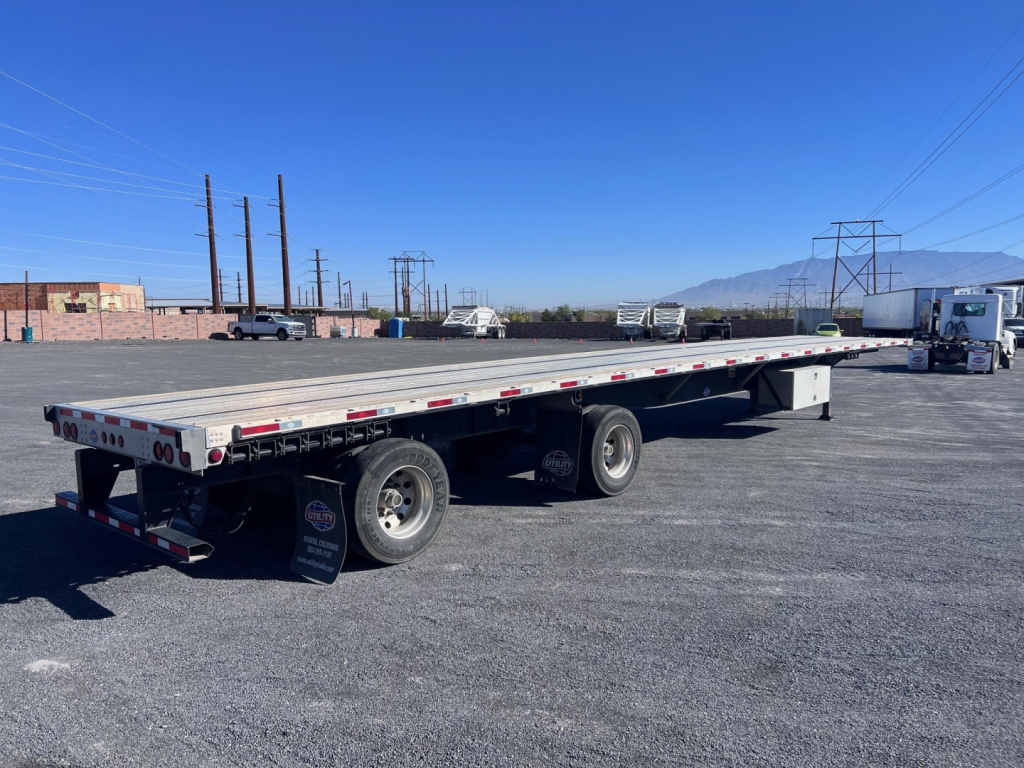
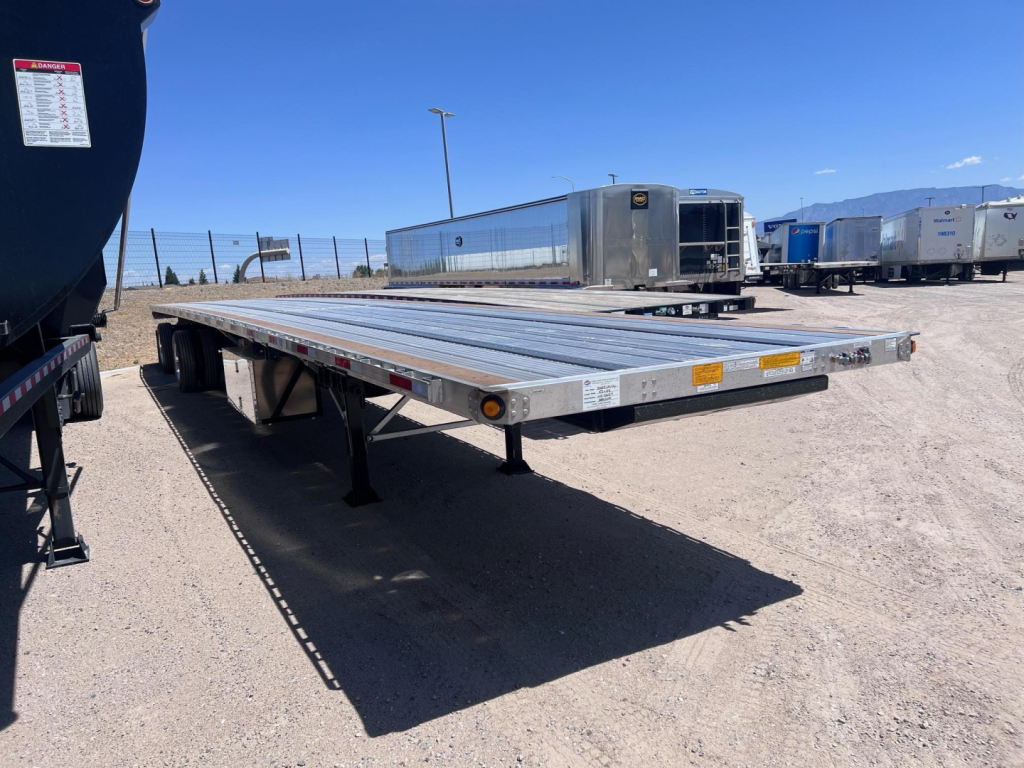
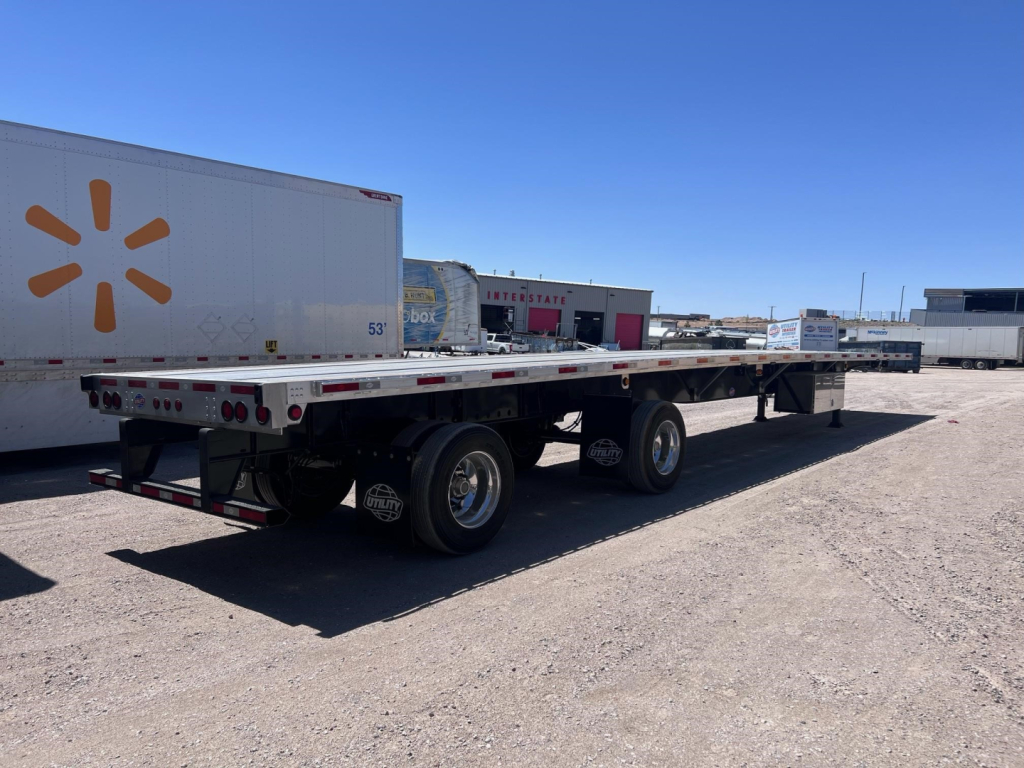
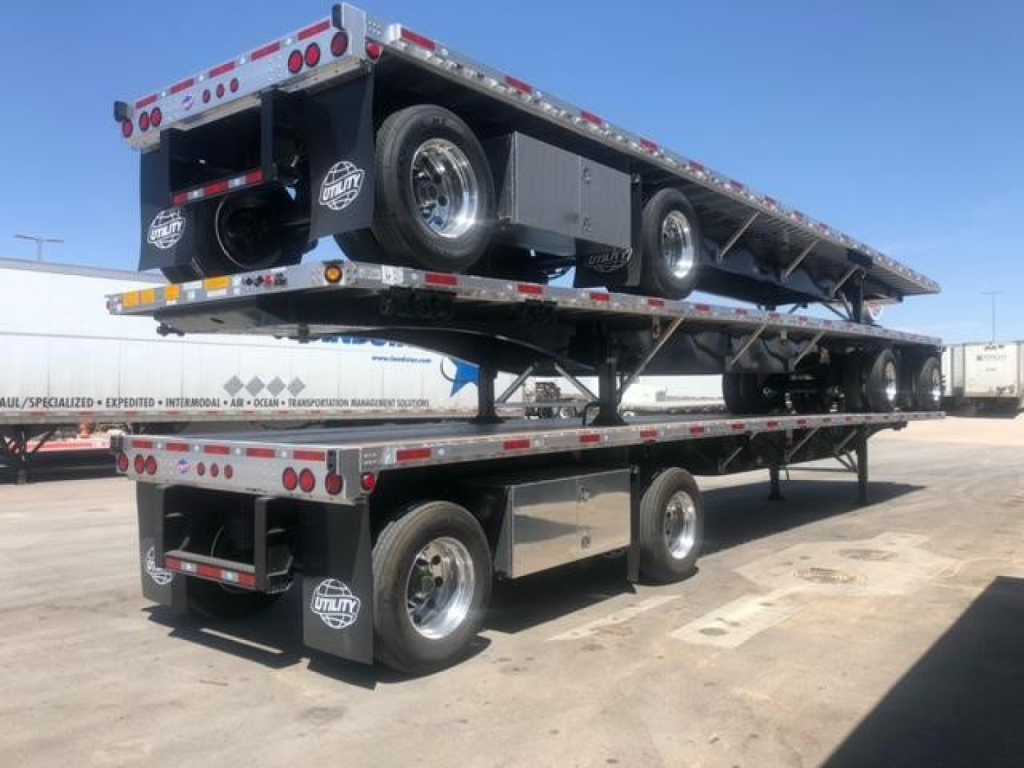
A combo flatbed is one of the most practical configurations in this category. These trailers typically use steel main beams for strength with aluminum crossmembers, rails, and decking to reduce tare weight. That balance gives good durability without giving away too much payload. Air ride suspension is the preferred setup for many operations because it protects freight better than spring ride and is widely accepted across general commodity hauling. Buyers should pay close attention to deck condition, crossmember spacing, rail wear, and whether the trailer has the securement hardware needed for the freight it will actually haul. Stake pockets, sliding winches, winch tracks, pipe spools, nail strips, and rub rails all affect how efficiently drivers can secure a load.
Freight-specific options are where one flatbed starts to separate from another. A coil package is important if steel coils are part of the operation, and buyers should confirm the package rating and deck configuration. Pipe spools and dual-sided winch tracks help on mixed freight and repeated securement work. Toolboxes, landing gear condition, tire size, wheel material, and rear impact guard details matter too, especially for fleets trying to standardize maintenance. On 53-foot trailers, rear slide axle setups and air pin sliders can make the difference for bridge law compliance and state-by-state legal operation. In the Southwest, where routes may include long highway miles, uneven yard surfaces, and hot weather, suspension condition, brake health, tire spec, and overall weight distribution deserve extra scrutiny.
The best flatbed trailer is usually the one that matches freight density, securement style, and legal requirements without adding unnecessary tare weight. Lighter aluminum-heavy builds can improve payload, while combo construction tends to hold up well in tougher service. A 48-foot spread axle flatbed often fits dedicated regional work, while a 53-foot California-legal trailer suits carriers that need broader routing options. Buyers comparing flatbed trailers for sale should look beyond year and brand and focus on deck construction, securement package, axle spread, suspension type, and how the trailer will perform under real freight in New Mexico and across surrounding western states.
Frequently Asked Questions about Flatbed Trailers in New Mexico
What is the difference between a combo flatbed and an all-aluminum flatbed trailer?
A combo flatbed usually has steel main beams with aluminum decking, crossmembers, and side rails. That design gives a good balance of structural strength and lighter tare weight. An all-aluminum flatbed is generally lighter, which can help maximize payload, but many operators prefer combo construction for demanding service where beam durability and long-term resistance to hard loading conditions are priorities.
Is a 48-foot or 53-foot flatbed better for general freight?
It depends on the lanes and legal requirements. A 48-foot flatbed with a spread axle is common in regional and dedicated work, especially when maneuverability and a simpler axle setup are important. A 53-foot flatbed gives more deck space and can be a better fit for western regional or multi-state operations, particularly when spec'd as California legal with a sliding rear axle to help with bridge law and state compliance.
Why is a coil package important on a flatbed trailer?
A coil package is designed for hauling steel coils safely by reinforcing the deck area and providing the proper load placement zone. If a trailer will regularly haul coil, this is not a cosmetic option. It affects safe loading, load distribution, and the trailer's ability to handle concentrated weight. Buyers should verify the coil package rating and inspect the deck and surrounding structure for wear if the trailer has seen coil service.
What flatbed trailer features matter most for cargo securement?
The most important securement features usually include stake pockets, rub rails, winch tracks, sliding winches, pipe spools, and nail strips. These components determine how easily drivers can position straps and chains for different load shapes. A flatbed used for mixed freight generally benefits from dual-sided winch tracks and enough winches to avoid constant repositioning. The right securement package improves loading speed, reduces driver frustration, and supports safer tie-down practices.
What should buyers inspect first on a used flatbed trailer?
Start with the deck, main beams, crossmembers, suspension, brakes, and axle alignment. Look for cracked welds, bent components, deck damage around coil areas, worn winch tracks, and rail damage from repeated side loading. Tire wear can reveal alignment or suspension problems. On sliding axle trailers, check slider operation, locking pins, and signs of frame wear around the slider assembly. Those areas tell you more about remaining service life than paint or cosmetics.