
Utility Flatbed Trailers For Sale in New Mexico
Shop Utility flatbed trailers with combo construction, air ride suspensions, coil packages, and California-legal specs for demanding freight.
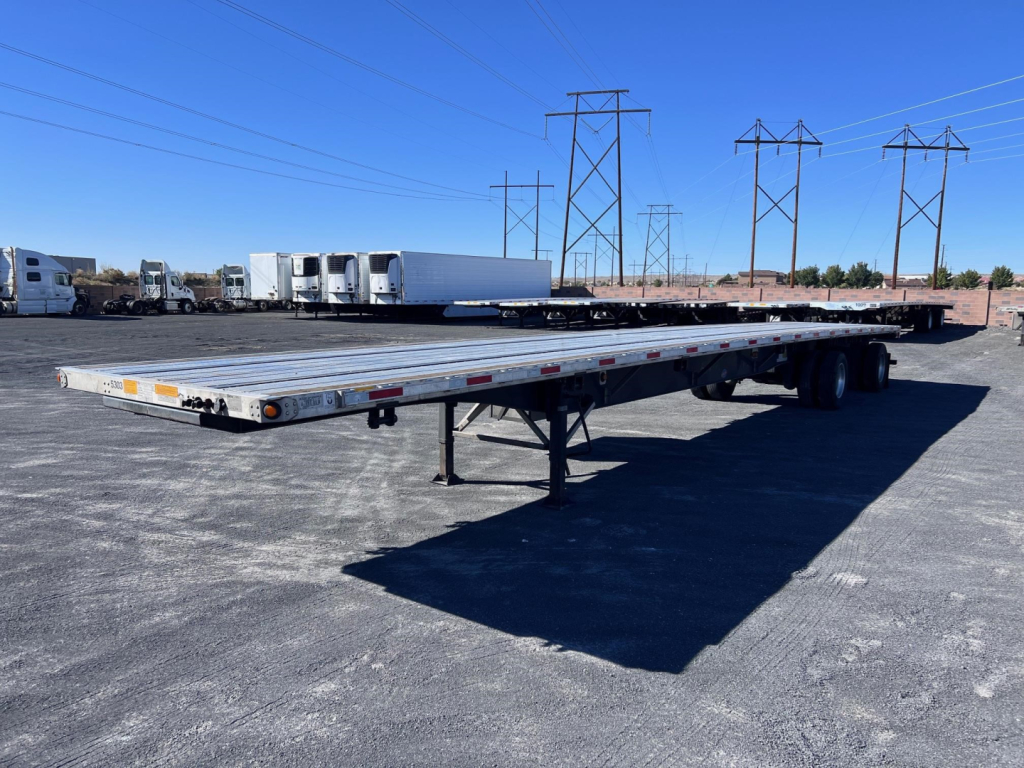
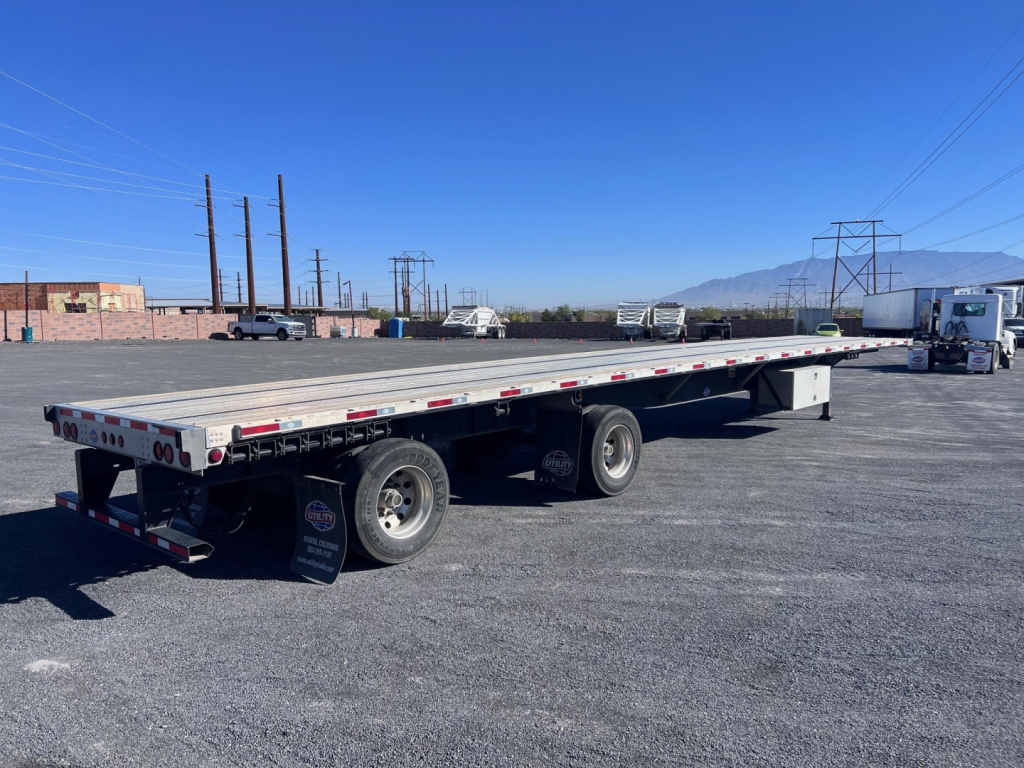
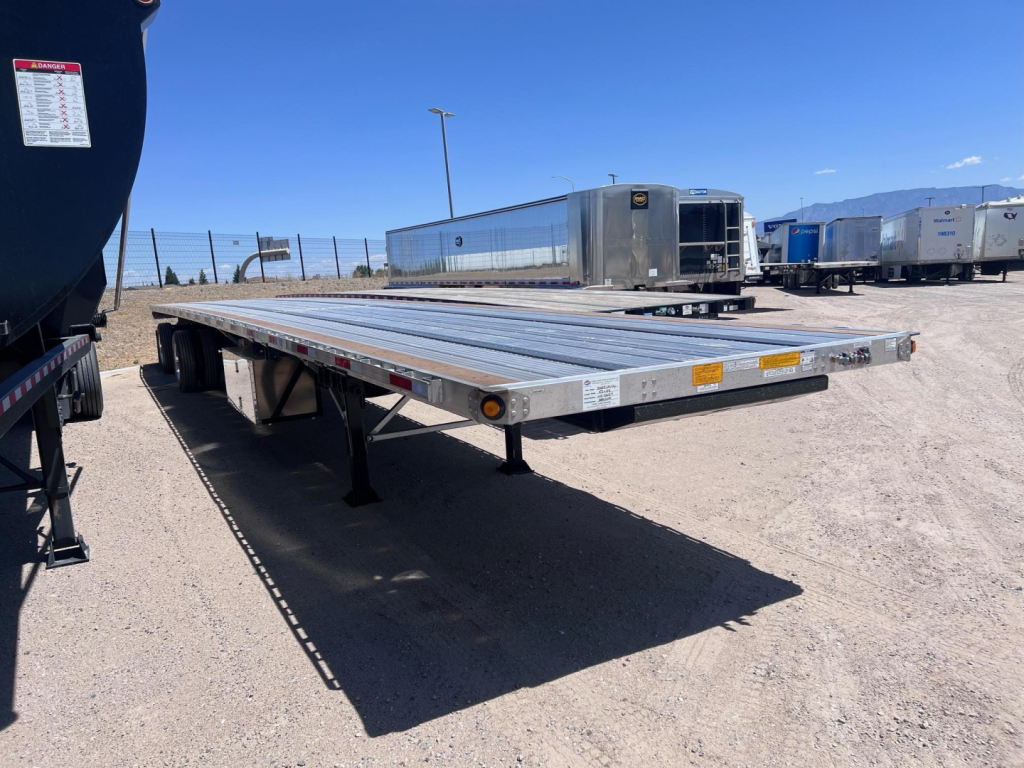
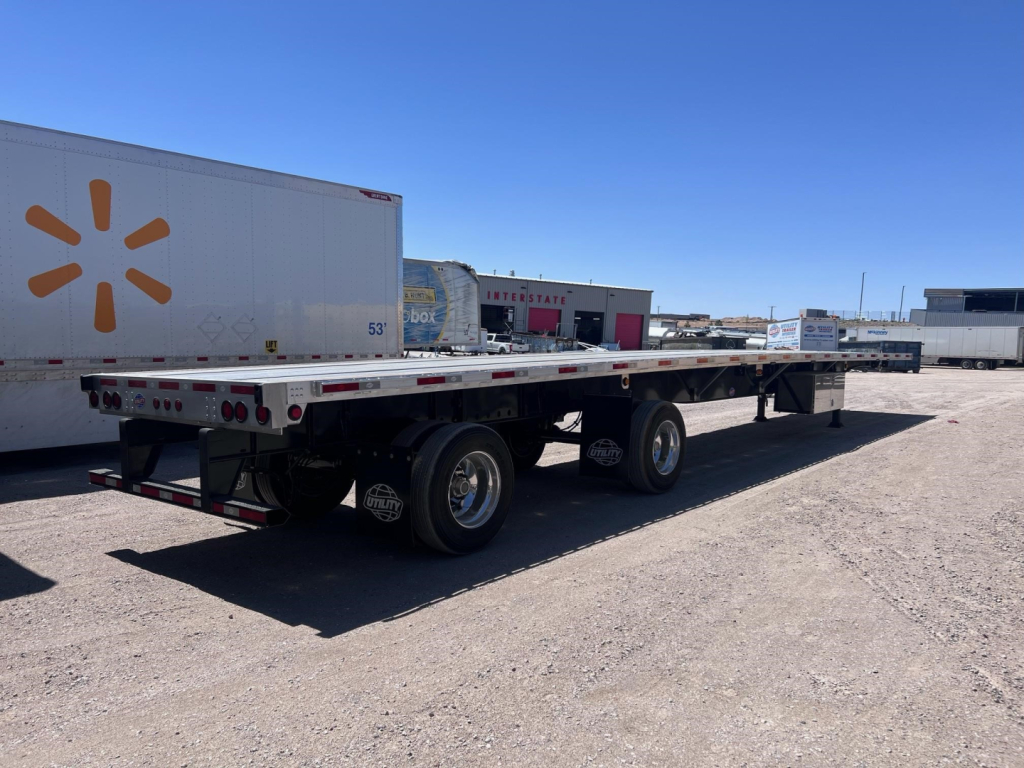
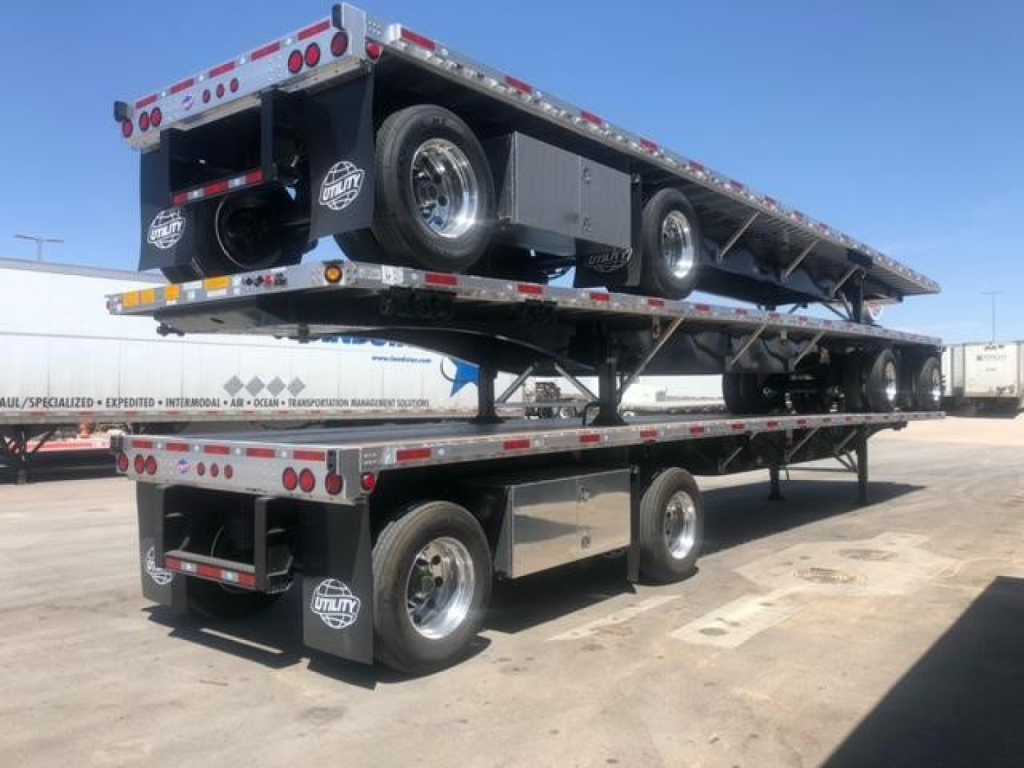
Looking for the easiest place to sell your utility flatbed trailer? List it here to reach thousands of buyers.
Utility Flatbed Trailers in New Mexico
The spec details matter more on a flatbed than the badge on the nose. A serious buyer should look closely at axle layout, suspension, deck setup, and securement hardware. Tandem axle and rear slide axle trailers are popular for operators who need flexibility in kingpin and axle settings, especially when running states with strict bridge formulas. Spread axle air ride trailers are often chosen for load stability and weight distribution, but they can limit maneuverability in tight yards and some docks. Common Utility flatbed features include sliding winches, winch tracks on both curb and road sides, stake pockets, double pipe spools, coil packages, nail strips, toolboxes, and ICC bumpers. Low-profile 22.5 tires are also frequently seen where deck height matters.
Utility 4000AE combo flatbeds are especially relevant for buyers comparing lightweight construction with general freight durability. Aluminum deck sections help reduce empty weight, while steel main beams support tougher duty cycles and repeated forklift traffic. If your freight mix includes coils, steel plate, lumber, bundled pipe, or palletized jobsite material, check the coil package rating, deck condition, crossmember spacing, and rail integrity. On used trailers, pay close attention to frame repairs, floor wear around nail strips, suspension condition, slider operation, and signs of concentrated-load damage near the coil well or main beam areas. A clean-looking trailer can still hide expensive wear in the suspension, brake system, and slider components.
For New Mexico operations, flatbed spec choices often come down to route mix, cargo type, and how far the trailer will run outside the state. Long western runs favor durable air ride suspensions, corrosion-resistant combo construction, and securement layouts that reduce time at each stop. A 53-foot California-legal Utility flatbed can make sense for regional and multi-state work where compliance and resale value matter, while a 48-foot spread axle may suit heavier concentrated loads and specialized freight. Buyers comparing Utility flatbed trailers should focus on payload-to-tare balance, legal length and axle configuration, securement readiness, and the condition of high-wear structural components before narrowing down by model year.
Frequently Asked Questions about Utility Flatbed Trailers in New Mexico
What is a Utility combo flatbed trailer?
A Utility combo flatbed is a flatbed trailer built with a mix of steel and aluminum components, typically steel main beams with aluminum crossmembers, deck sections, and side rails. This design is meant to balance structural strength with lower tare weight. It is a common setup for fleets that need a versatile open-deck trailer for steel, building materials, equipment, and palletized freight.
What should I check first on a used Utility flatbed trailer?
Start with the structural and running gear items that are expensive to correct. Inspect the main beams for cracks or repairs, look at crossmember condition, check deck wear and fastener integrity, and verify that the slider system moves and locks correctly if equipped. Then review suspension components, air bags, brake condition, wheel ends, tire wear, and signs of overloading around the coil package or concentrated load areas.
Is a spread axle or sliding tandem better on a Utility flatbed?
It depends on the freight and the lanes. A spread axle can improve weight distribution and ride quality for certain heavier or concentrated loads, but it usually gives up some maneuverability and can be less flexible in tight delivery areas. A sliding tandem or rear slide axle gives more adjustment for axle weights and bridge law compliance, which can be valuable for multi-state operations and changing load positions.
Why do many Utility flatbeds have coil packages and sliding winches?
Those features make the trailer more useful across a wider range of freight. A coil package is designed to handle concentrated steel coil loads in a reinforced area, while sliding winches and winch tracks make it easier to position tie-down points for different cargo lengths and shapes. For operators hauling mixed freight, these options improve securement flexibility and reduce loading delays.
Are California-legal Utility flatbeds only useful in California?
No. California-legal flatbeds are often attractive outside California because they can support broader route flexibility and may hold resale appeal with carriers that run western states. Buyers should still confirm that the axle spacing, kingpin setting, overall length, and bridge compliance match their normal operating region. A California-legal spec can be a practical choice for fleets that want options across multiple jurisdictions.