
Ranco Trailers For Sale in New Mexico
Shop Ranco trailers for sale, including end dumps and bottom dumps built for aggregate, rock, asphalt, and heavy haul jobsite work.
Selling a ranco trailer? List your ranco trailer for sale and reach thousands of commercial buyers.
Ranco Trailers in New Mexico
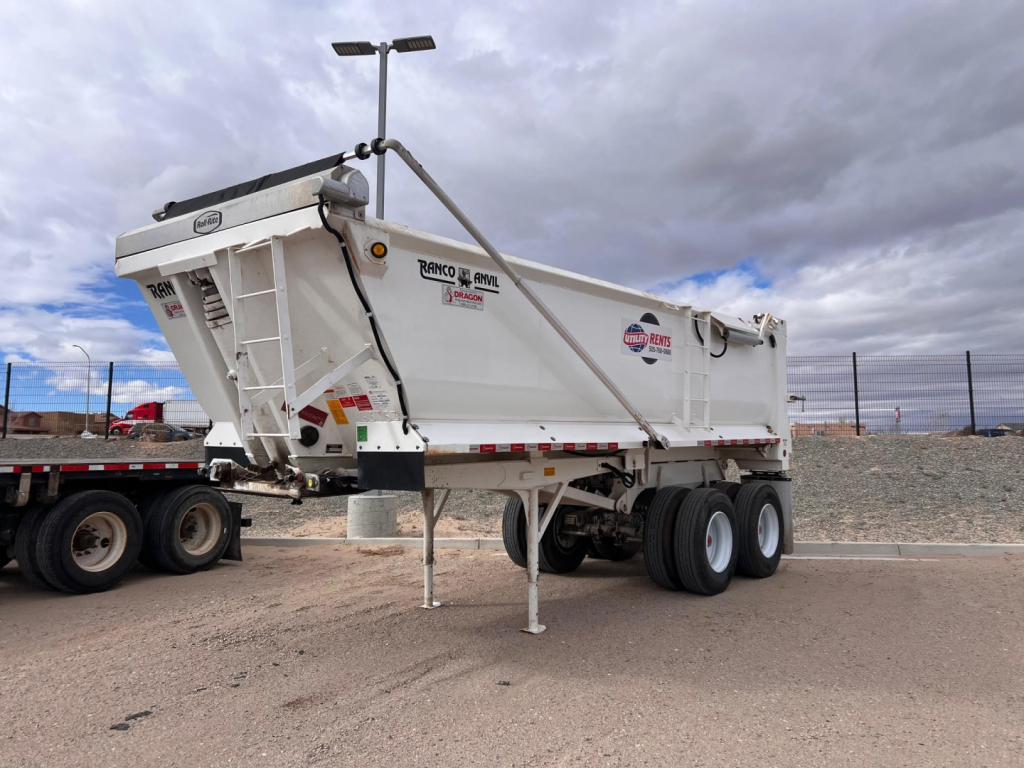
A lot of the decision comes down to body style and material. Ranco elliptical and half-round style end dumps are common because the rounded body helps material release cleanly and reduces hang-up compared with square-body designs. Steel tubs with AR400 wear surfaces are a strong fit for rock and other abrasive loads, while quarter-frame construction is a common choice for buyers who want a durable trailer with good dump performance. Typical specs in this category include tandem axles, 22-foot bodies on end dumps, 40-foot bottom dumps, 11R22.5 or 11R24.5 tires, steel wheels, electric tarps, ladders, fenders, and top-hinge or high-lift gate arrangements. Capacity varies by body and commodity, but many units in this class land in the mid-20 cubic yard range for end dumps.
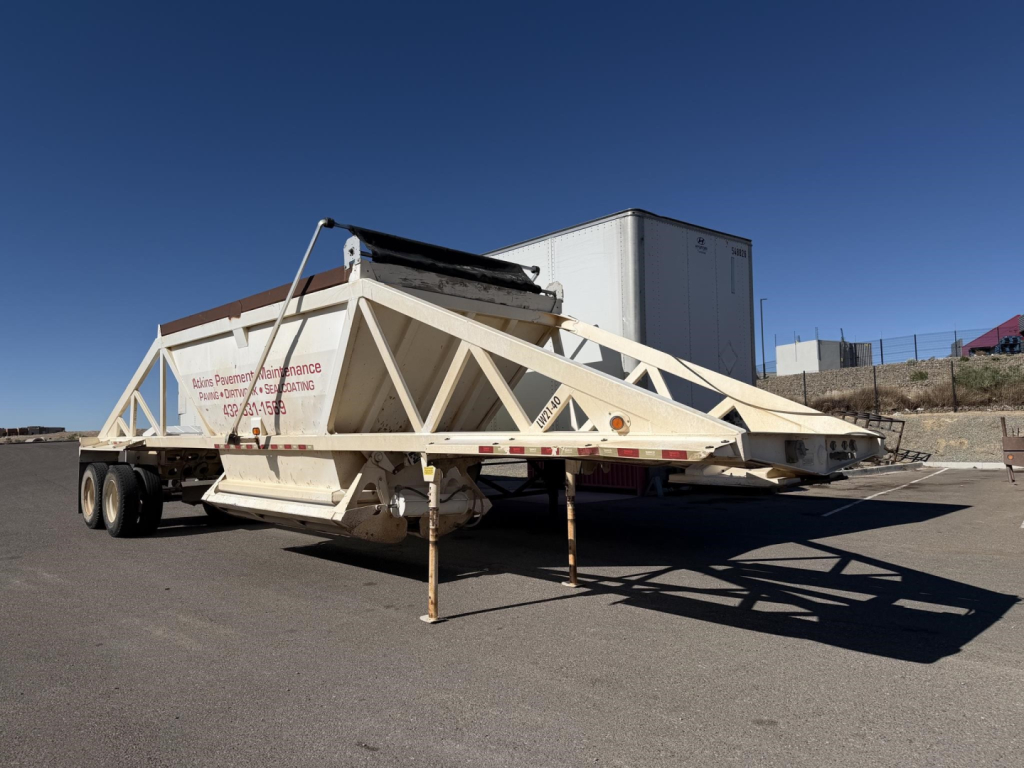
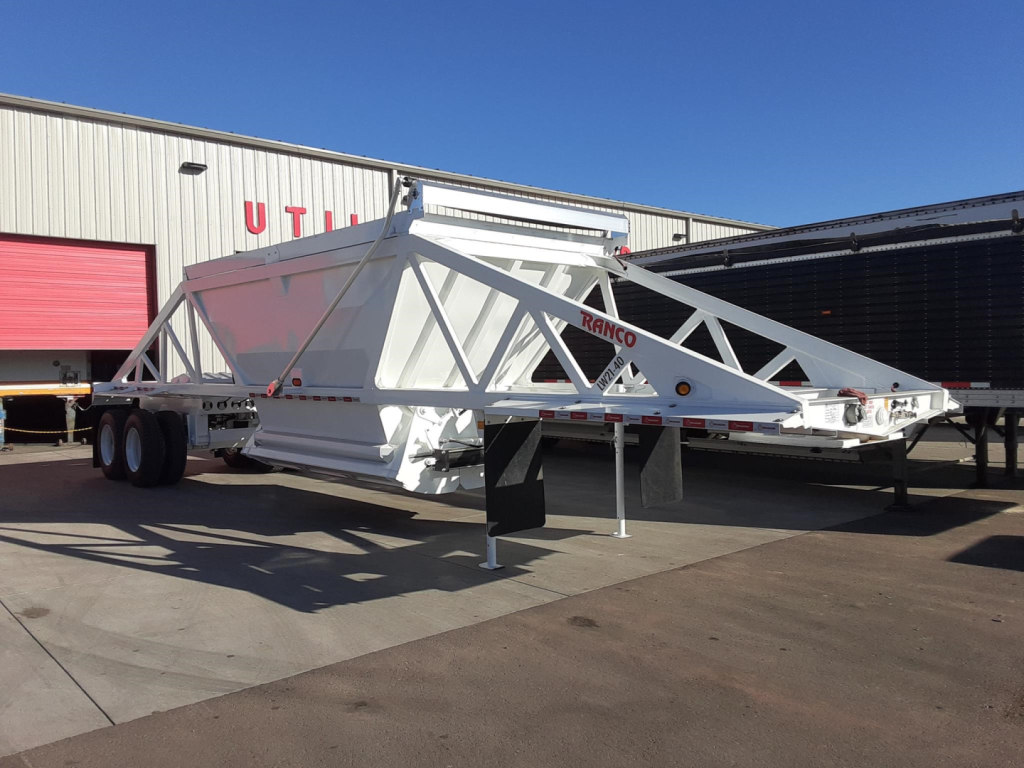
If the work is stockpile-to-jobsite hauling, crusher run, riprap, demo debris, or other uneven bulk material, an end dump is usually the more versatile tool. A bottom dump is a different animal. It is favored when controlled discharge matters, especially in road building, shoulder work, and aggregate spreading. Features like pin-setting gate limiters, infinite gate control, bang boards, windrow deflectors, and closed tandem air ride suspensions matter more on bottom dumps because they directly affect spread quality, gate control, and how consistently the trailer tracks under load. Buyers comparing Ranco bottom dumps should pay close attention to hopper design, gate actuation, suspension type, and any push block or paving-related equipment if the trailer will work around pavers or transfer operations.
The smart way to evaluate a Ranco trailer is to match the build to the material, haul route, and unloading environment. Heavy rock service calls for thicker steel and wear-focused construction, while higher-volume aggregate lanes may justify a lighter-weight setup to preserve payload. Check gate type, tarp system, suspension, axle spacing, kingpin setting, and overall length against state regulations and the tractor it will run behind. On used units, inspect the tub floor, hinge areas, hoist mounts, crossmember condition, gate seals, suspension wear points, and any signs of stress around the frame and body seams. Ranco has a strong reputation in dump applications because these trailers are typically spec'd for hard work, and the right spec will make a noticeable difference in uptime, clean-out, and cost per ton.
Frequently Asked Questions about Ranco Trailers in New Mexico
What types of Ranco trailers are most common?
Ranco is most commonly associated with dump trailer applications, especially end dumps and bottom dumps. End dumps are popular for rock, demolition, sand, and general aggregate hauling because they unload quickly and handle irregular bulk material well. Bottom dumps are widely used in road construction and aggregate spreading because they can meter material through the gate for a controlled discharge pattern.
Is a steel Ranco end dump a good choice for rock hauling?
A steel Ranco end dump is often a strong choice for rock hauling, especially when the trailer uses abrasion-resistant steel such as AR400 in the tub. Steel bodies generally hold up better than lighter materials in severe service where impact damage and abrasion are constant concerns. The tradeoff is higher empty weight, so buyers should weigh durability against payload depending on the commodity and haul distance.
What should I look for on a used Ranco dump trailer?
Focus first on structural condition and wear areas. Inspect the tub floor, sidewalls, rear frame, hinge assembly, hoist mounting points, crossmembers, suspension components, and gate hardware. On bottom dumps, check the hopper, gate controls, linkage, and discharge system for excessive wear or poor sealing. Also verify tire condition, wheel ends, tarp operation, lighting, and any cracks, patches, or weld repairs that suggest repeated overloading or hard off-road use.
How do I choose between a Ranco end dump and a Ranco bottom dump?
Choose an end dump when the work involves dumping in piles, unloading coarse material, or serving quarries, demolition sites, and general construction. Choose a bottom dump when the trailer needs to place material in a controlled windrow for paving, road base, or shoulder work. The right choice depends less on brand and more on how the material must be discharged at the jobsite.
What trailer specs matter most on a Ranco dump trailer in the Southwest?
In the Southwest, buyers usually pay close attention to body material, tire size, suspension type, tarp system, and overall trailer weight because haul routes often combine long highway stretches with rough plant or jobsite access. Electric tarps, durable fenders, reliable gate controls, and a suspension matched to the terrain can have a direct effect on uptime. Heat, dust, and abrasive material also make body wear, seals, and maintenance access more important than they might be in lighter service regions.