
Utility Trailers For Sale in New Mexico
Shop Utility trailers including dry vans, reefers, and flatbeds with specs on lengths, suspensions, axle setups, floors, and cargo features.
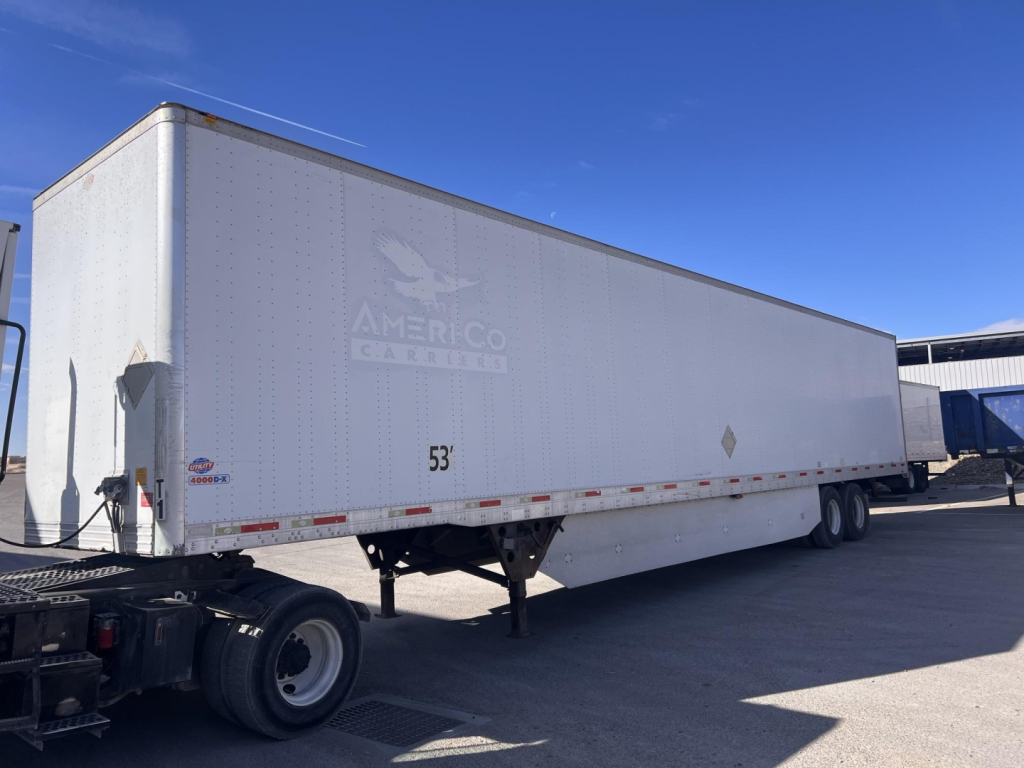
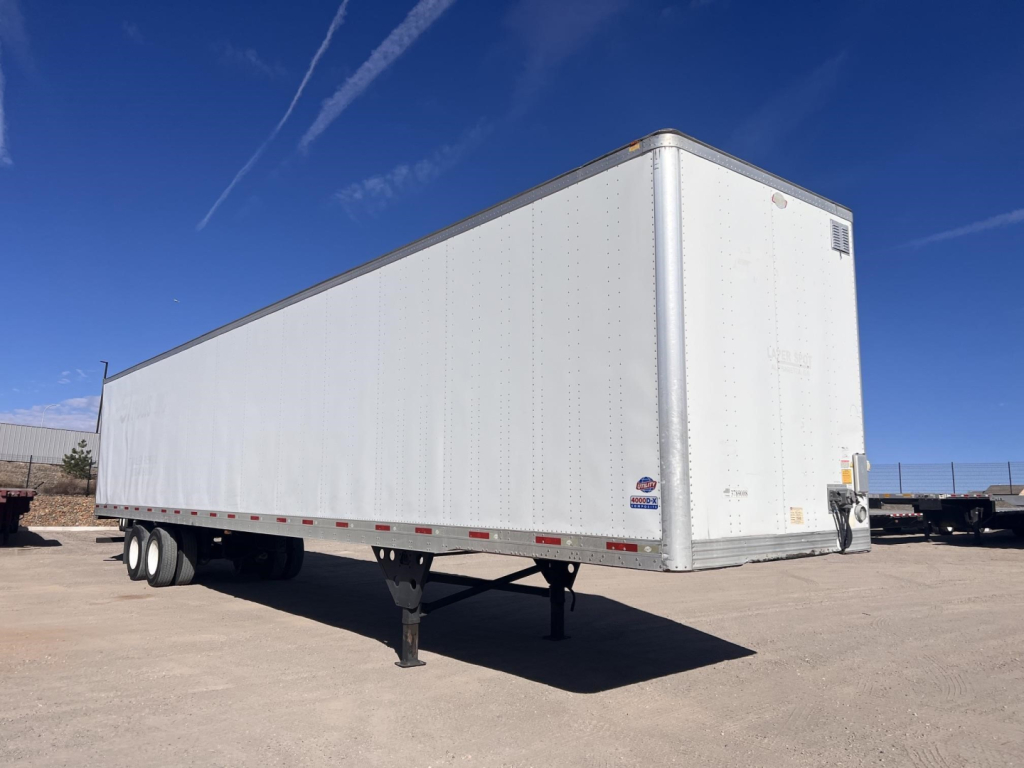
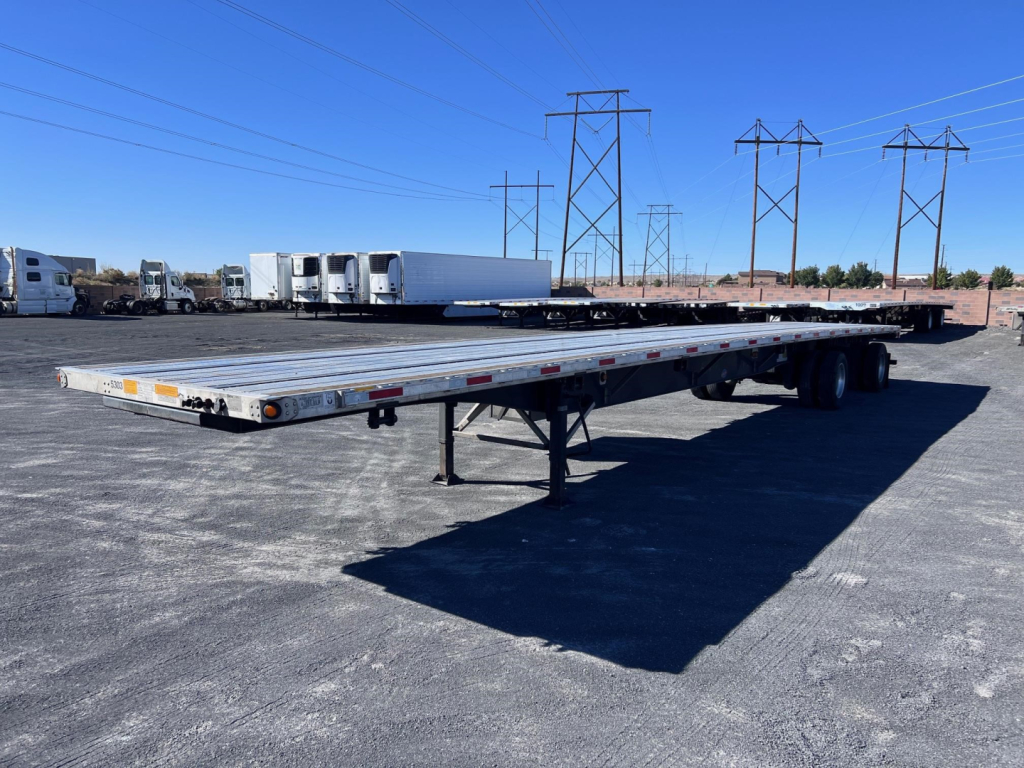
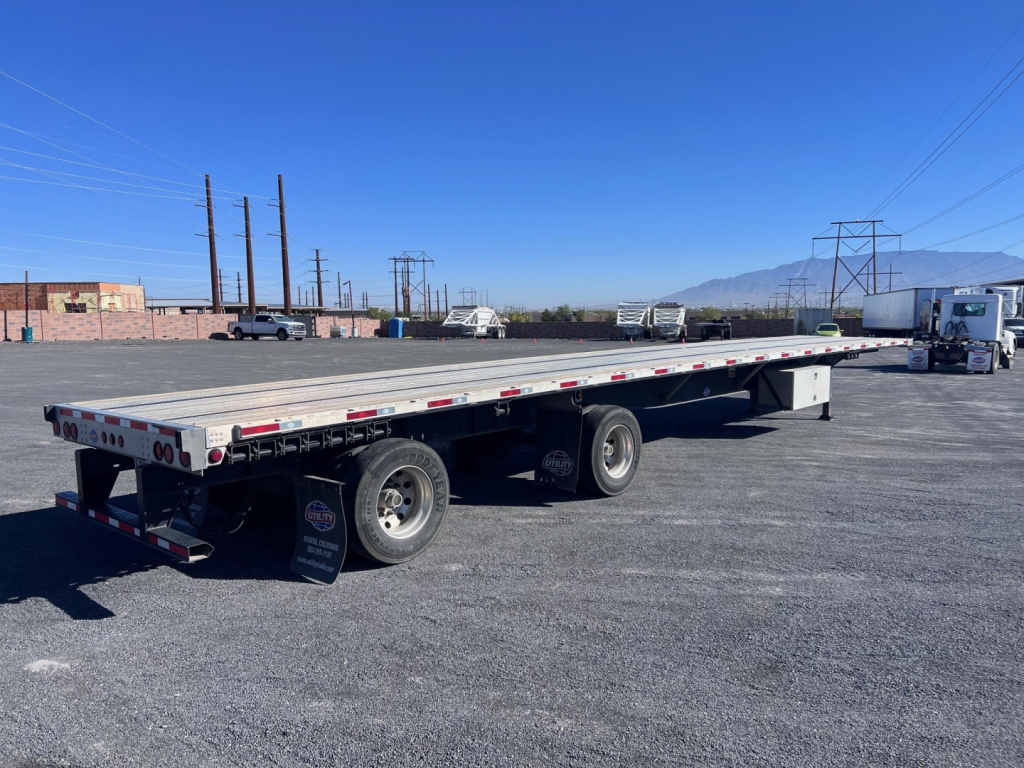
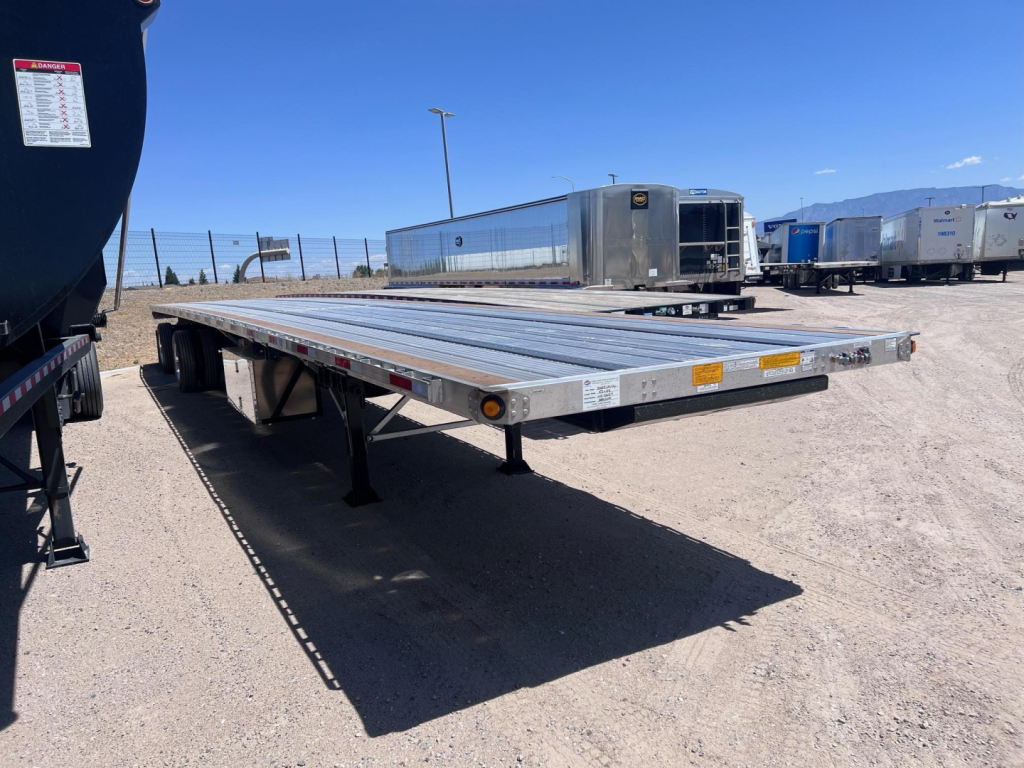
2025 Utility Combo Flatbed
Selling a utility trailer? List your utility trailer for sale and reach thousands of commercial buyers.
Utility Trailers in New Mexico
For dry van buyers, Utility trailers such as the 4000-series are typically spec'd with air ride suspension, sliding tandems, swing doors, wood floors, logistic posts, and composite or sheet-and-post wall construction depending on the model year and application. Details like scuff liners, wearbands, roof material, and panel style matter because they affect dock durability, forklift resistance, and long-term sidewall repair costs. A closed tandem slider remains a common choice for fleets that need bridge-law flexibility, while door style, floor condition, and crossmember integrity should be checked closely on any high-cycle van. If your freight is palletized consumer goods, packaging, or light industrial cargo, cube, door opening dimensions, and floor rating usually matter more than cosmetic condition.
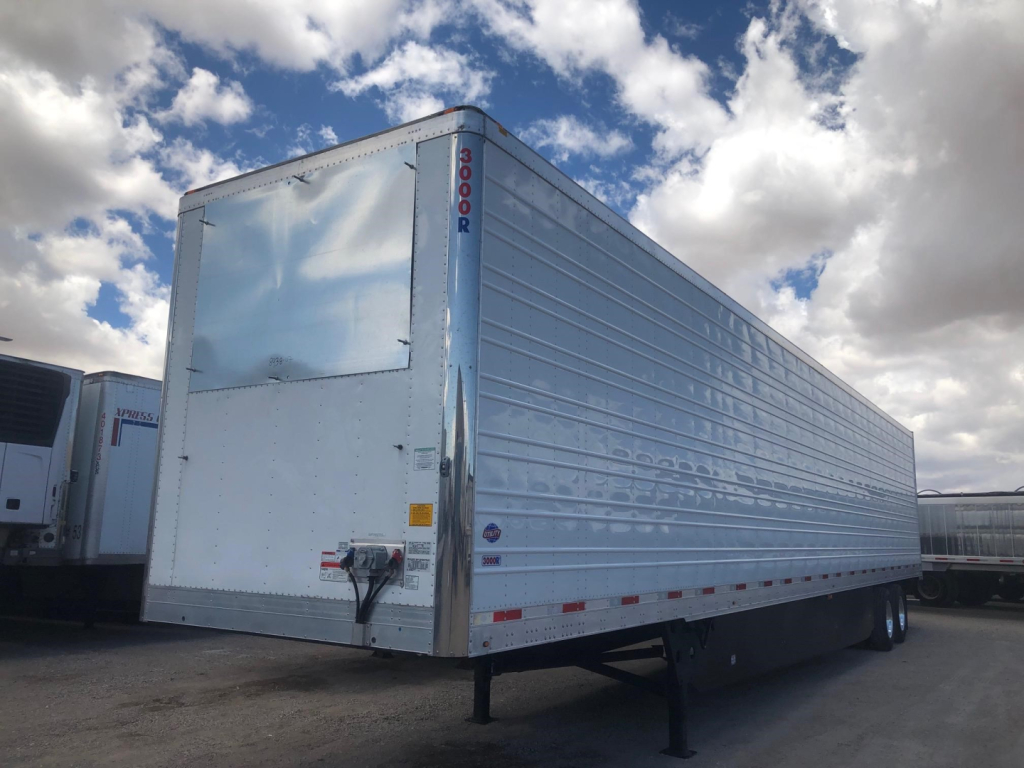
Utility reefer trailers, often seen in the 3000R line, are built for temperature-controlled freight and usually include insulated walls, duct or channel floors, swing doors, and aerodynamic options like side skirts. Buyers should look beyond the refrigeration unit and evaluate the trailer body itself: floor wear, rear frame condition, door seal integrity, insulation performance, and signs of moisture intrusion all affect hold temp and operating cost. Tire inflation systems, air pin sliders, anti-dock-walk setups, and low-profile 22.5 tires are common fleet-oriented specs that can reduce downtime and improve loading safety. For produce, frozen foods, dairy, or multi-stop grocery work, the right reefer trailer spec is one that balances cubic capacity, weight, fuel efficiency, and easy washout.
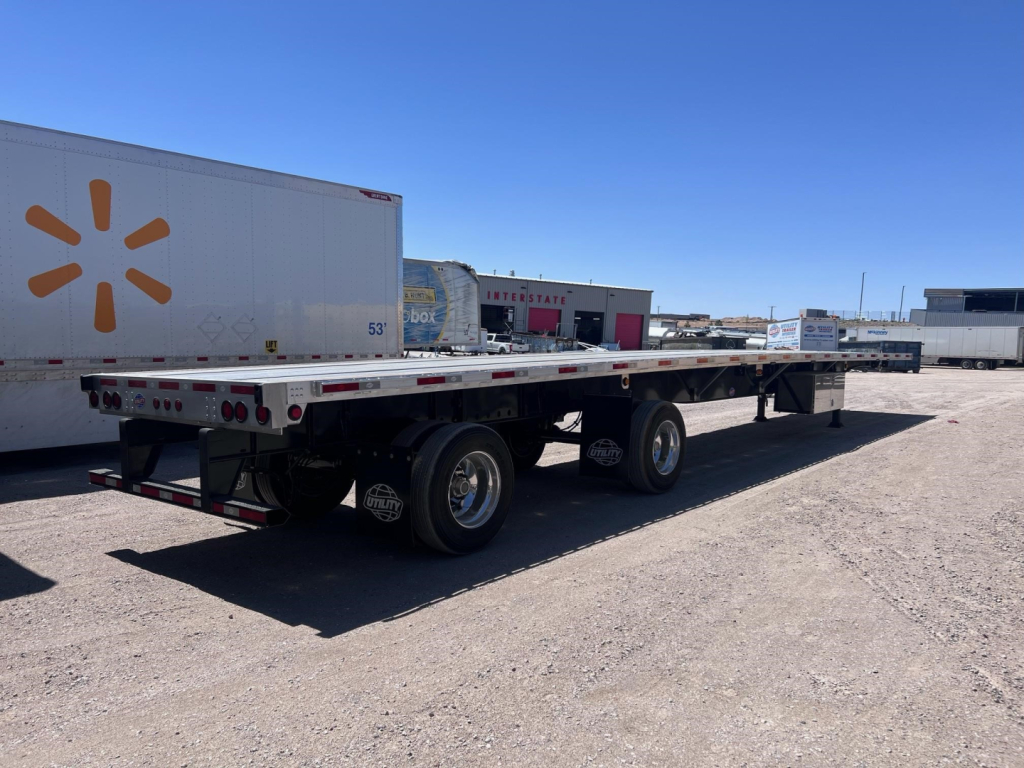
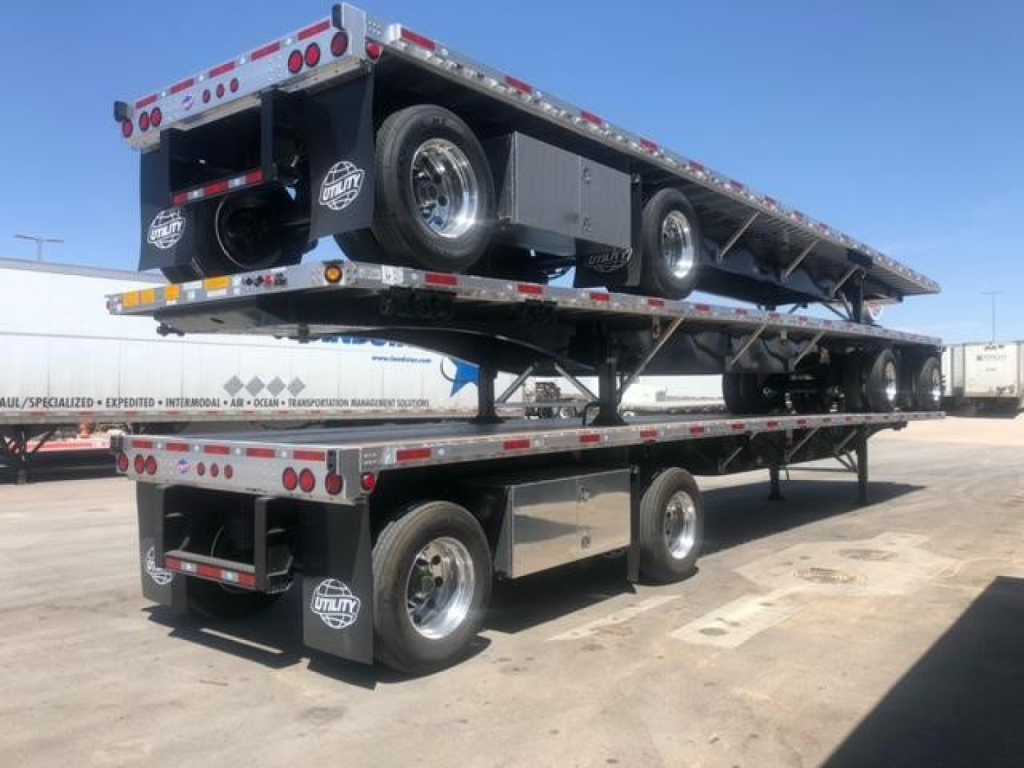
Utility flatbeds, including combo flatbeds also known as aluminum-steel combination flatbeds, are popular with carriers hauling steel, machinery, lumber, pipe, and building products. A typical spec includes steel main beams with aluminum crossmembers, deck, and side rails to save weight without giving up beam strength. Common features include stake pockets, sliding winches, winch tracks on both sides, nail strips, pipe spools, coil packages, tool boxes, air ride suspension, and rear sliding axle configurations for California-legal operation or tighter bridge compliance. On these trailers, buyers should focus on deck condition, beam straightness, crossmember repairs, axle spread, and whether the securement package matches the freight. A lightweight combo flatbed can improve payload, but the right coil package rating, spool capacity, and suspension layout are what make it productive in daily service.
Frequently Asked Questions about Utility Trailers in New Mexico
What types of Utility trailers are most common on the market?
The most common Utility trailers are dry vans, refrigerated vans, and combo flatbeds. Dry vans are used for general freight and dock loading, reefers handle temperature-controlled cargo, and flatbeds serve open-deck freight such as steel, lumber, machinery, and pipe. Many buyers narrow the search first by freight type, then by length, axle setup, suspension, and cargo-control features.
What should I check first when comparing a Utility dry van trailer?
Start with the floor, sidewalls, roof, rear frame, and tandem slider condition. A dry van may look clean outside but still have floor rot, forklift damage, bent crossmembers, or door frame wear that affects service life. Logistics posts, scuff protection, door operation, and suspension type also matter because they directly affect loading efficiency, maintenance cost, and compatibility with your freight.
Are Utility flatbeds good for heavy freight?
Utility combo flatbeds are commonly spec'd for demanding freight because they combine steel main beams for strength with aluminum components to reduce tare weight. The exact capability depends on the build, especially the coil package rating, axle configuration, suspension, and deck structure. For steel coils, machinery, or dense building products, the securement layout and concentrated-load rating are more important than overall trailer weight alone.
What matters most on a Utility reefer trailer besides the refrigeration unit?
The reefer unit is only part of the equation. Buyers should inspect the trailer body for floor wear, insulation condition, rear door seal quality, structural damage, and signs of water intrusion or patched interior panels. A reefer body that cannot hold temperature efficiently will increase fuel use, shorten unit cycles, and create cargo risk even if the refrigeration system is functioning properly.
Why do some Utility trailers have sliding tandems or rear sliding axles?
Sliding axle systems give carriers flexibility for bridge-law compliance, weight distribution, and regional operating rules. On dry vans and reefers, sliding tandems help adjust kingpin-to-rear-axle dimensions and scale axle weights. On some flatbeds, especially California-legal specs, a rear slide axle helps meet state length and axle-position requirements while still giving the trailer a useful payload and load balance range.