
2026 Trailers For Sale in New Mexico
Shop 2026 trailers for sale, including dump, vacuum, lowboy, and drop deck models with specs, capacities, axle setups, and application insight.
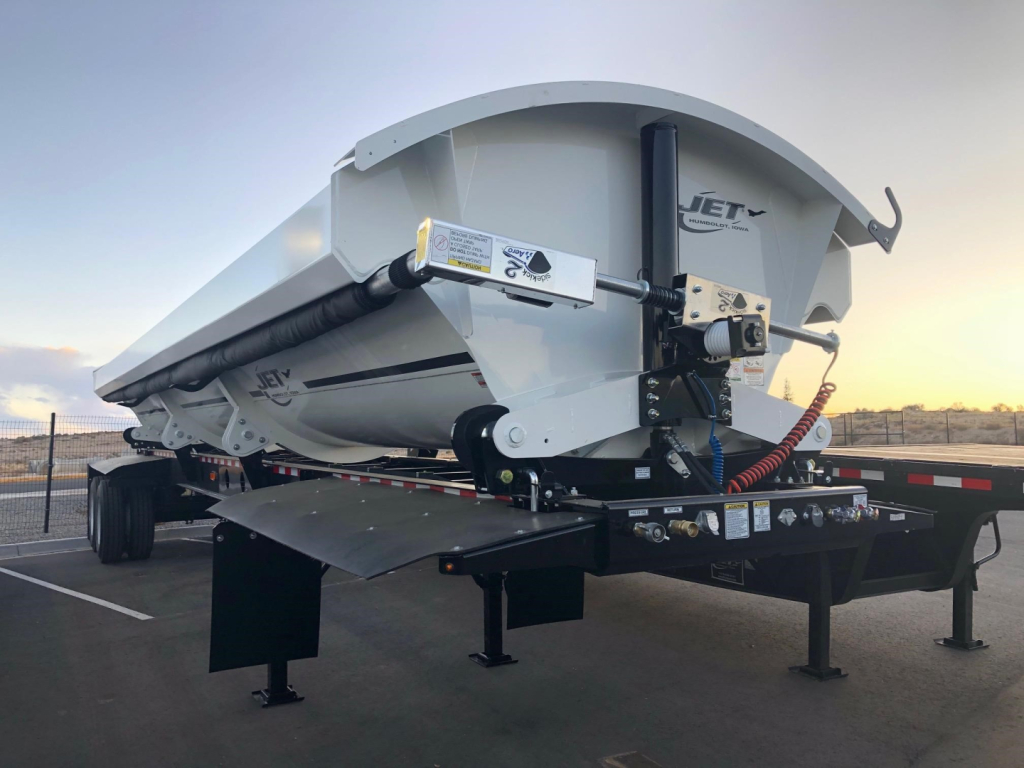
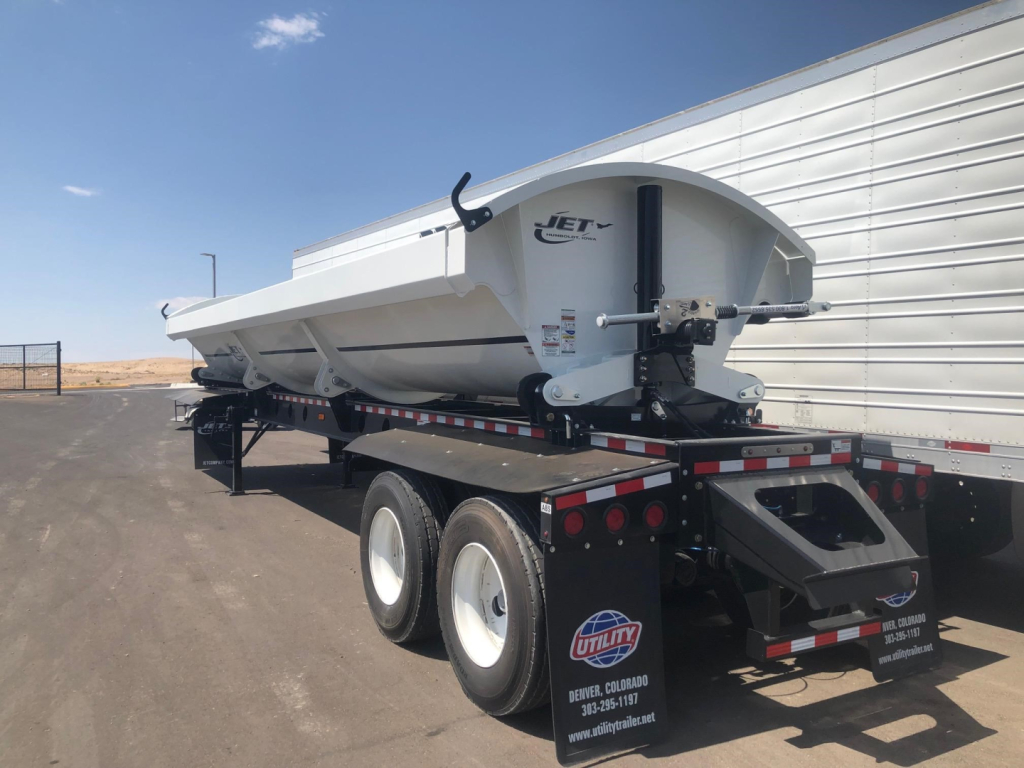
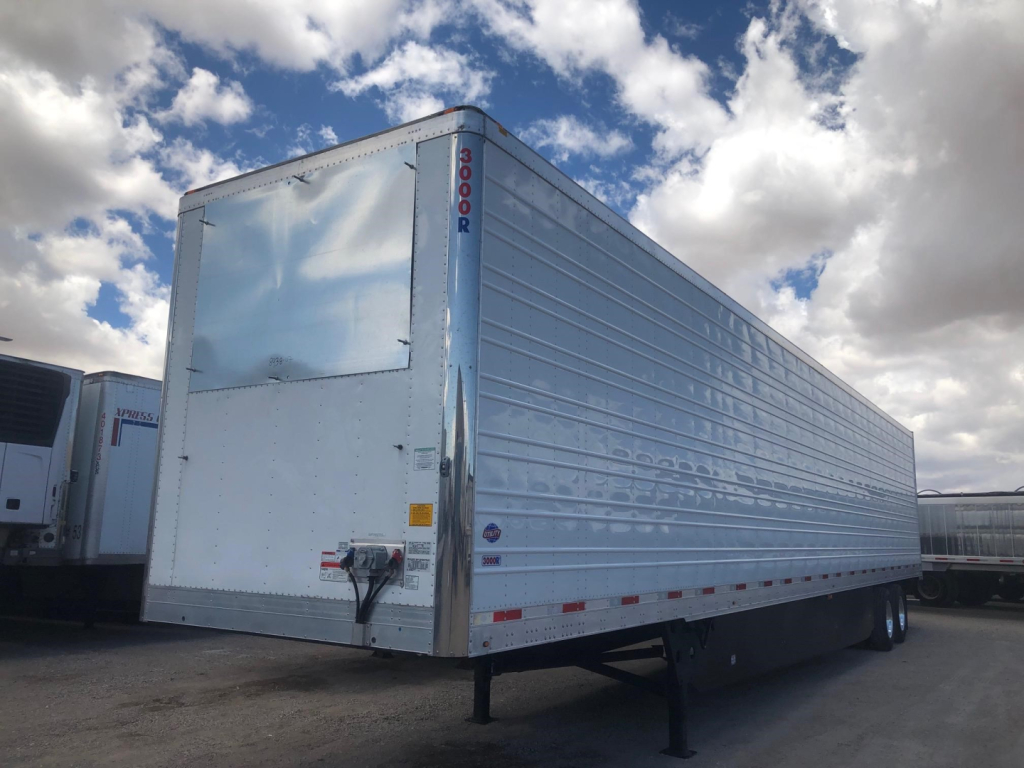
Selling a 2026 trailer? List your 2026 trailer for sale and reach thousands of commercial buyers.
2026 Trailers in New Mexico
Frequently Asked Questions about 2026 Trailers in New Mexico
What should I look for first when comparing 2026 trailers for sale?
Start with the freight and operating environment. Trailer category matters more than model year, so confirm whether you need a dump trailer for aggregate, a vacuum trailer for fluid hauling, a lowboy for machinery, or a drop deck for taller legal loads. After that, compare GVWR, axle count, suspension type, frame construction, deck or vessel dimensions, and loading features. A newer 2026 trailer can offer updated spec packages, but the right configuration is what determines day-to-day productivity and compliance.
Are 2026 trailers available in both steel and combination construction?
Yes. Steel trailers are common where durability, abrasion resistance, and concentrated load handling matter most, especially in dump, lowboy, and industrial applications. Combination trailers, typically with steel main structure and aluminum components, are often chosen to reduce tare weight while maintaining strength. The right material depends on what you haul, how often you operate on rough surfaces, and whether payload optimization is more important than maximum structural ruggedness.
What axle and suspension setups are common on newer trailers?
Tandem and tri-axle configurations are both common on 2026 trailers, depending on payload and bridge law requirements. Air ride suspension is widely used for ride quality, cargo protection, and better handling on uneven roads, while fixed spread, sliding, or specialty axle layouts may be selected for legal weight distribution or regional regulations. Buyers should also confirm brake type, tire size, wheel material, and whether a lift axle or adjustable ride height is needed for their application.
How do I choose between a lowboy, drop deck, and dump trailer?
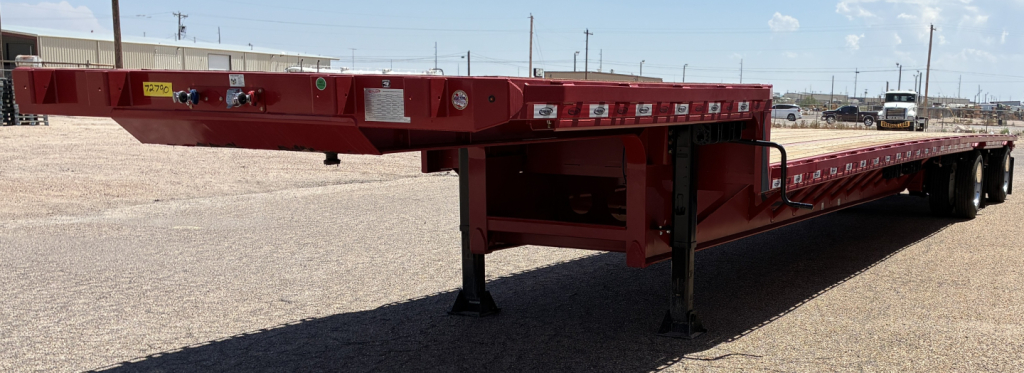
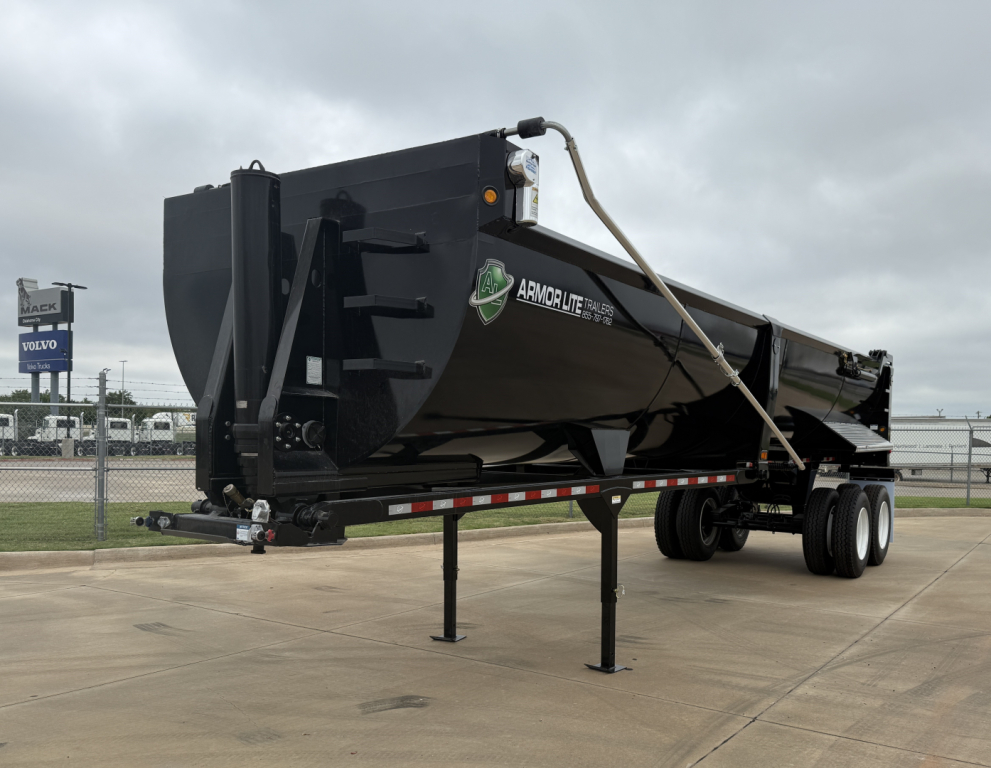
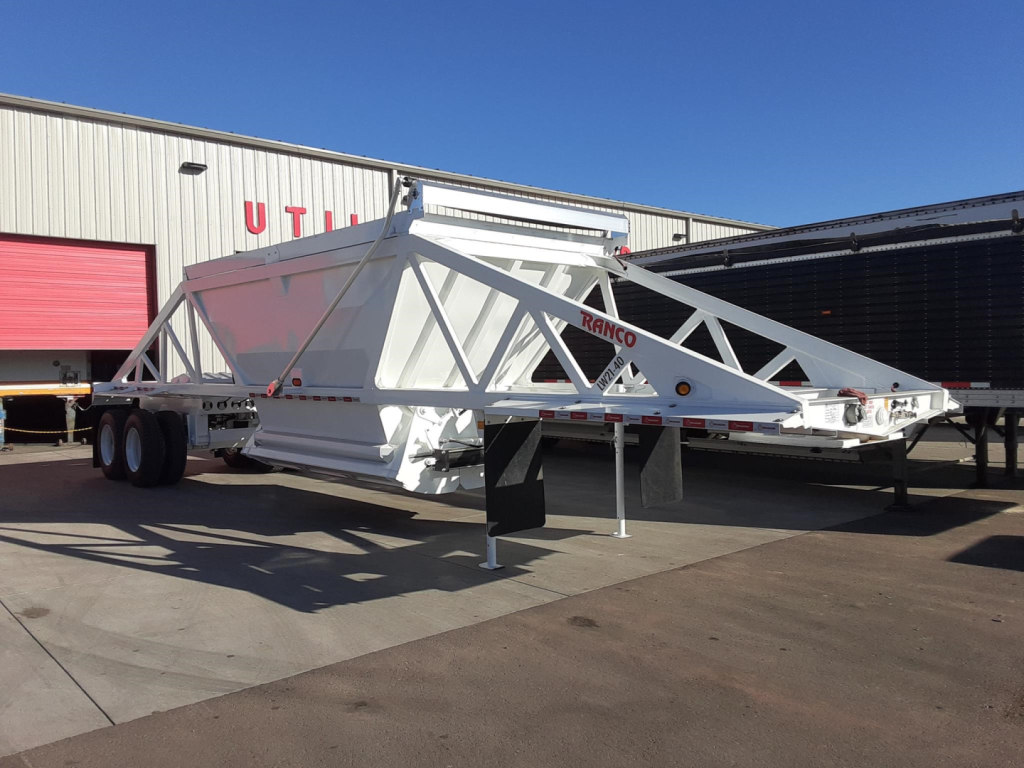
A lowboy is built for heavy equipment and taller machinery that need a low deck height and concentrated load capacity. A drop deck, also called a step deck trailer, is better suited for freight that is too tall for a flatbed but does not require a true heavy-haul platform. A dump trailer is designed for bulk material that needs gravity discharge, such as rock, sand, demolition debris, or asphalt-related products. The right choice comes down to cargo shape, weight, loading method, and whether unloading is done by ramps, cranes, forklifts, or hydraulic dump action.
Do 2026 trailers usually include more modern safety and productivity features?
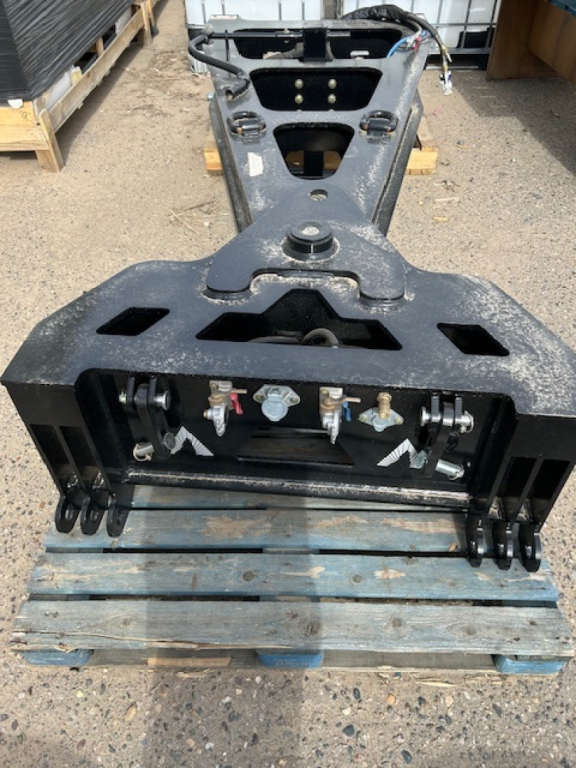
Many do. Depending on trailer type, newer units may include LED lighting, improved tarp systems, better access provisions, enhanced work lighting, air-operated gate controls, sight glasses, toolboxes, upgraded landing gear, and refined tie-down systems. On heavy-haul and platform trailers, buyers may also find options such as load-bearing fenders, D-rings, stake pockets, winch tracks, and detachable neck systems. These features can reduce loading time, improve operator safety, and lower maintenance interruptions when matched to the job.