
Reefer Trailers For Sale in New Mexico
Browse reefer trailers for sale in New Mexico, including 53-foot refrigerated vans with Carrier or Thermo King units and common fleet specs.
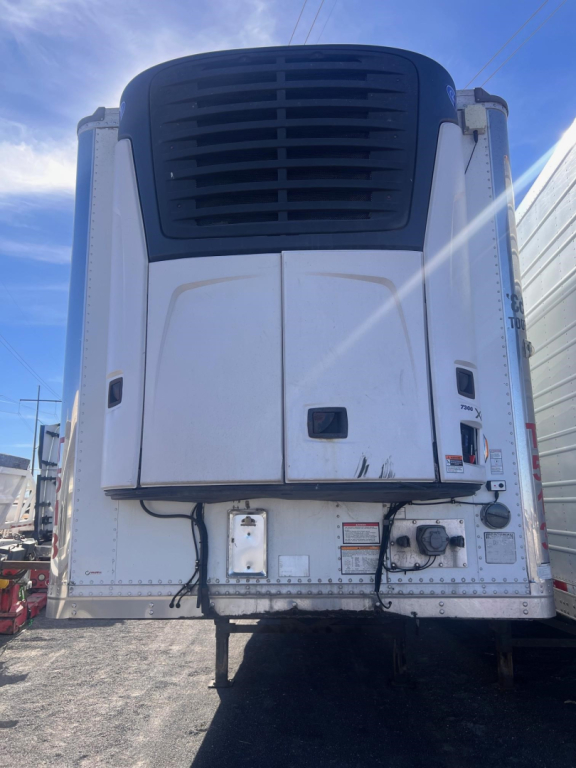
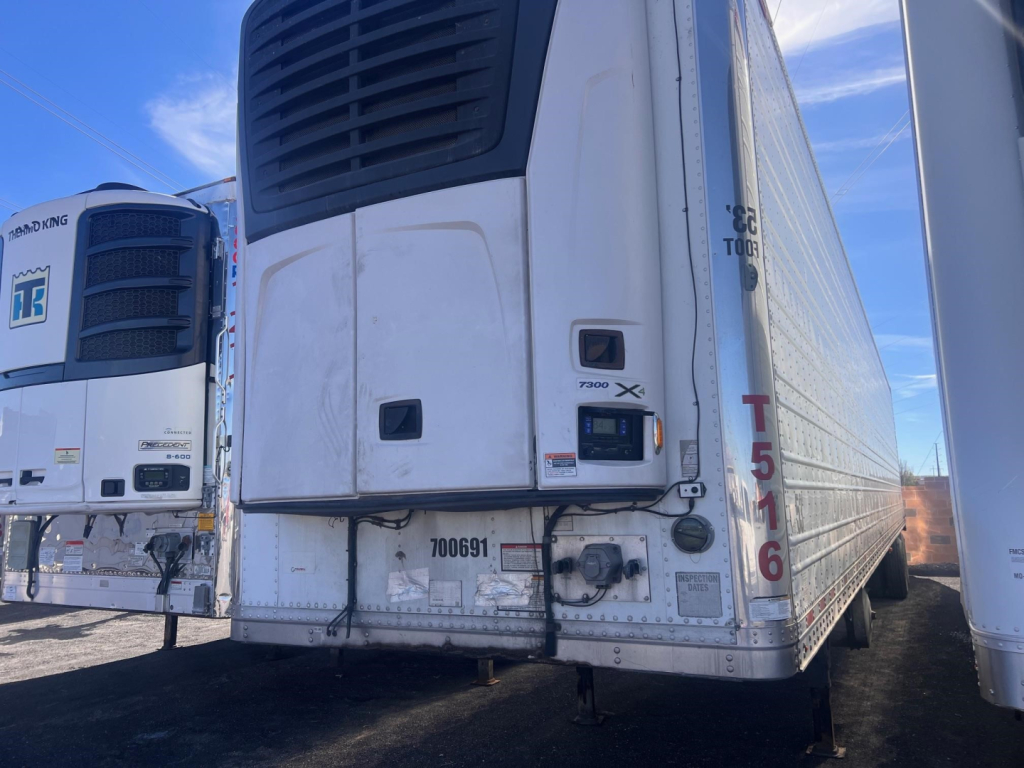
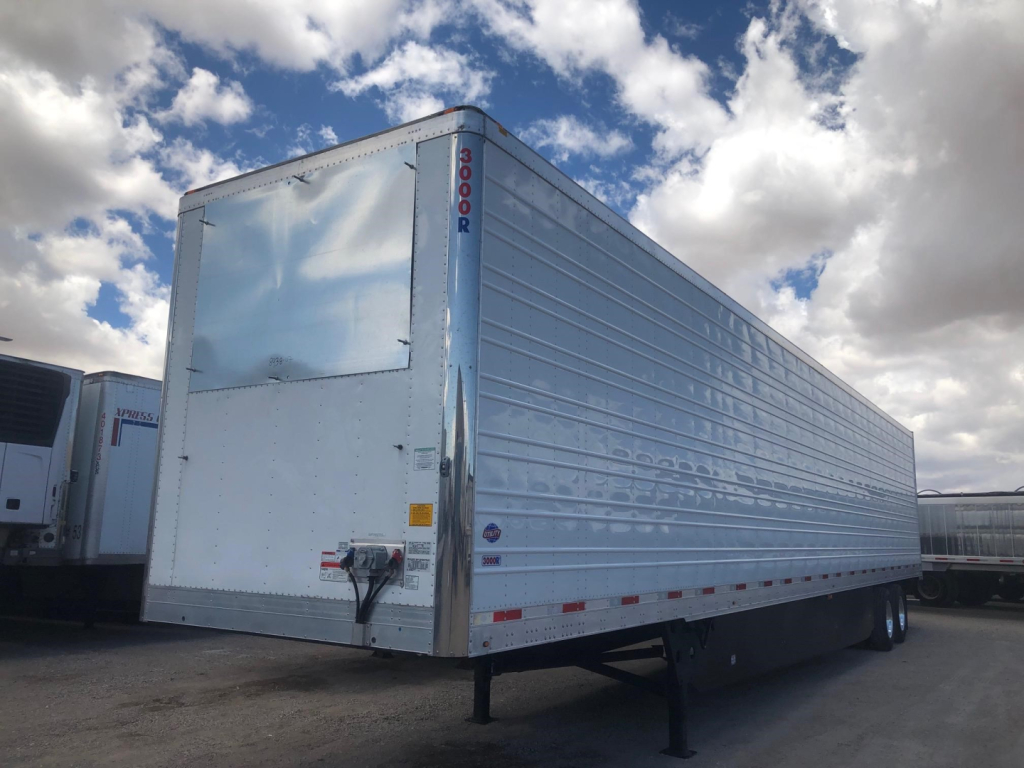
Selling a reefer trailer? List your reefer trailer for sale and reach thousands of commercial buyers.
Reefer Trailers in New Mexico
Most late-model reefer trailers in this class are 102 inches wide with tandem axles, air ride suspension, and a sliding tandem setup to help with bridge law and dock positioning. Common construction details include aluminum duct floors for consistent airflow, insulated walls, front bulkheads, scuff liners, and rear swing doors with quilted stainless interiors. Buyers hauling mixed fresh and frozen freight should pay attention to the floor and chute design, rear vent configuration, and overall interior condition, because airflow management is a big part of maintaining even box temperature from nose to doors.
New Mexico operations add a few practical considerations. Long highway runs, hot ambient temperatures, and dry conditions put more importance on reefer pull-down performance, insulation integrity, and door seal condition. Side skirts and tire inflation systems are common fleet specs because they help control operating cost over long distances. Closed tandem configurations, air pin sliders, disc brakes on some units, and low-profile 22.5 tires also show up often on road-spec refrigerated trailers intended for higher-mileage service.
A good reefer trailer is more than a box with a unit on the nose. Buyers should evaluate reefer hours against maintenance records, inspect the evaporator and condenser area, check for floor damage from pallet traffic, and look for wearband, dock impact, and corrosion around the rear frame and door hardware. If the trailer will handle food-grade freight, interior cleanliness, scuff liner condition, and the absence of insulation damage matter as much as axle and suspension spec. Also known as a refrigerated trailer or refrigerated van trailer, this category is built around temperature control, cargo protection, and uptime on demanding pickup and delivery schedules.
Frequently Asked Questions about Reefer Trailers in New Mexico
What should I look at first when buying a used reefer trailer?
Start with the refrigeration unit, because that is the most expensive and operationally critical component. Review the unit make, model, reefer hours, start-run history, maintenance records, and any evidence of recent repairs. After that, inspect insulation condition, door seals, floor integrity, airflow components such as the duct floor and chute, and the rear frame area for dock damage or corrosion. A reefer trailer can look clean outside and still have problems that affect temperature consistency and product claims.
Is Thermo King or Carrier better on a reefer trailer?
Both Thermo King and Carrier are widely used in commercial refrigerated trailer fleets, and both can be strong choices when supported by good service and parts availability in your operating area. The better choice often depends on the specific unit model, maintenance history, fuel consumption, and local dealer support rather than the brand name alone. Buyers in regional and long-haul service should place real value on technician availability and parts access, because downtime on a reefer load is costly.
Why is an aluminum duct floor important in a reefer trailer?
An aluminum duct floor helps move conditioned air under the freight and throughout the trailer, which supports more even temperature distribution from front to rear. That matters most on dense palletized loads where airflow can be restricted. A damaged or blocked floor can reduce cooling performance and create hot spots, so buyers should inspect the floor closely for crushed channels, excessive patching, and wear from forklifts and pallet jacks.
Do reefer hours matter as much as trailer age?
Yes. Reefer hours are often just as important as model year because the refrigeration unit has its own engine or power system and its own wear profile. A newer trailer with very high unit hours may require more immediate service than an older trailer with lower hours and strong maintenance documentation. Buyers should weigh hours, service intervals, and operating history together instead of relying on age alone.
What reefer trailer specs are most useful for New Mexico routes?
For New Mexico freight lanes, buyers often prioritize strong insulation, reliable pull-down performance in high heat, air ride suspension, sliding tandems, and fuel-saving specs such as side skirts and tire inflation systems. Wide service support for the reefer unit brand is also important because long routes and remote stretches can turn minor issues into major downtime. If the trailer may run interstate produce or frozen freight, consistent airflow, sound door seals, and a clean food-grade interior should be high on the checklist.