
New Load King Trailers For Sale
Shop new Load King trailers including lowboy, flip axle, jeep, and heavy haul configurations built for demanding equipment transport.

Showing 25 to 42 of 42 results
Have new load king trailer to sell? List it here to reach thousands of buyers.
New Load King Trailers
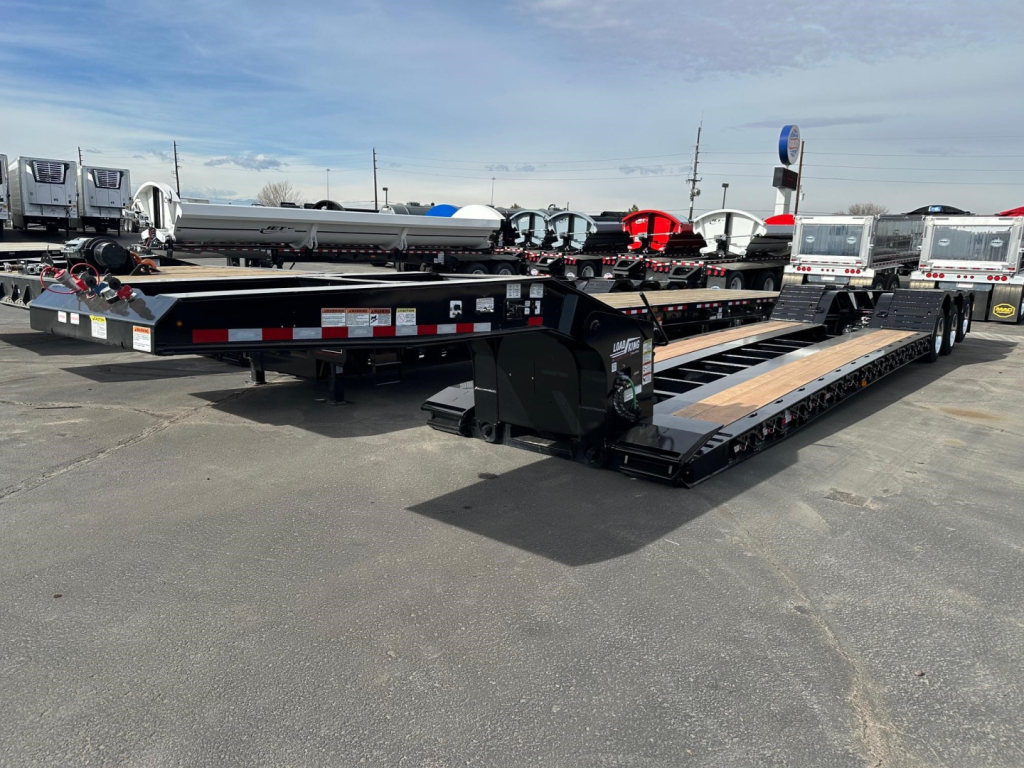
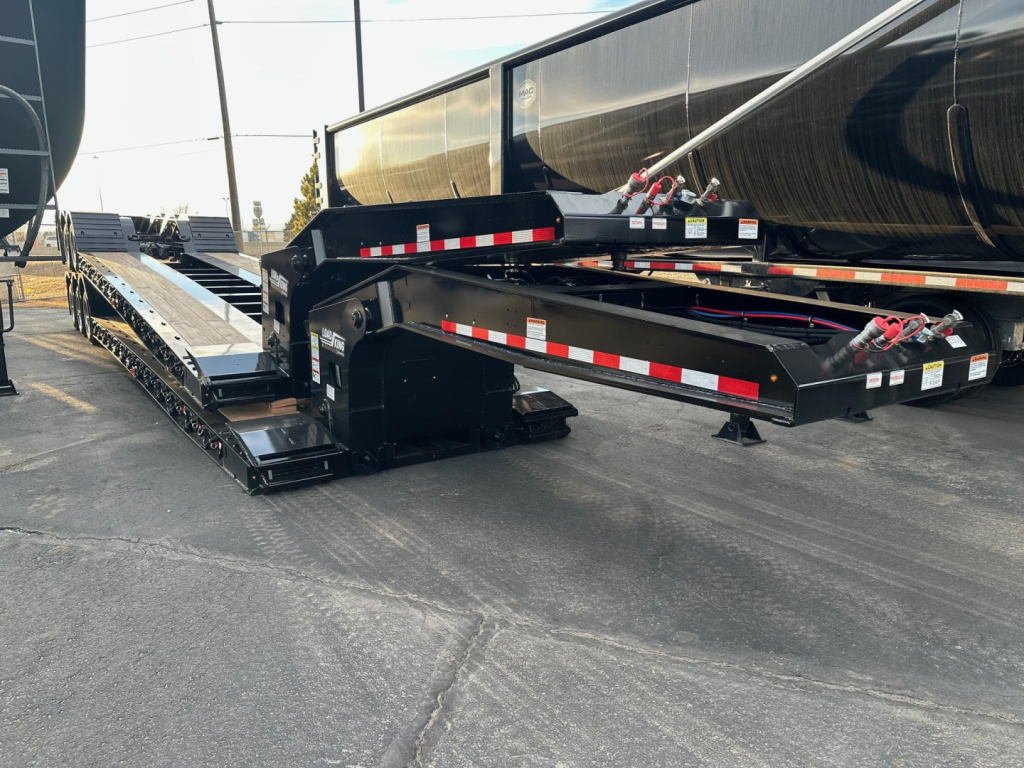
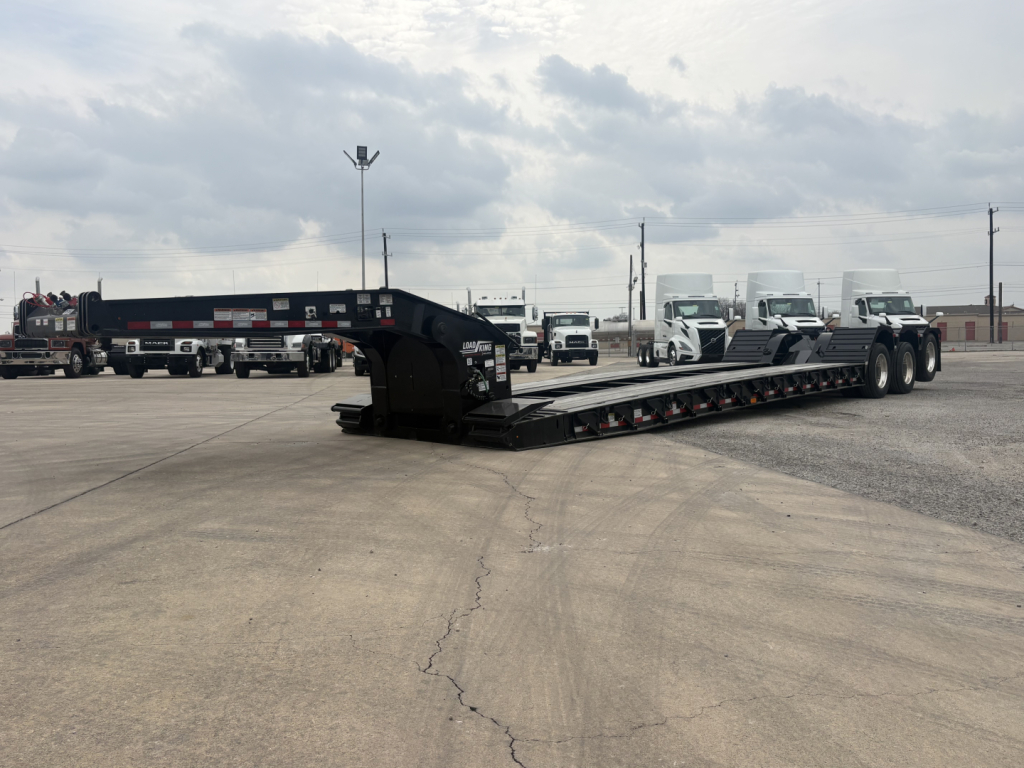
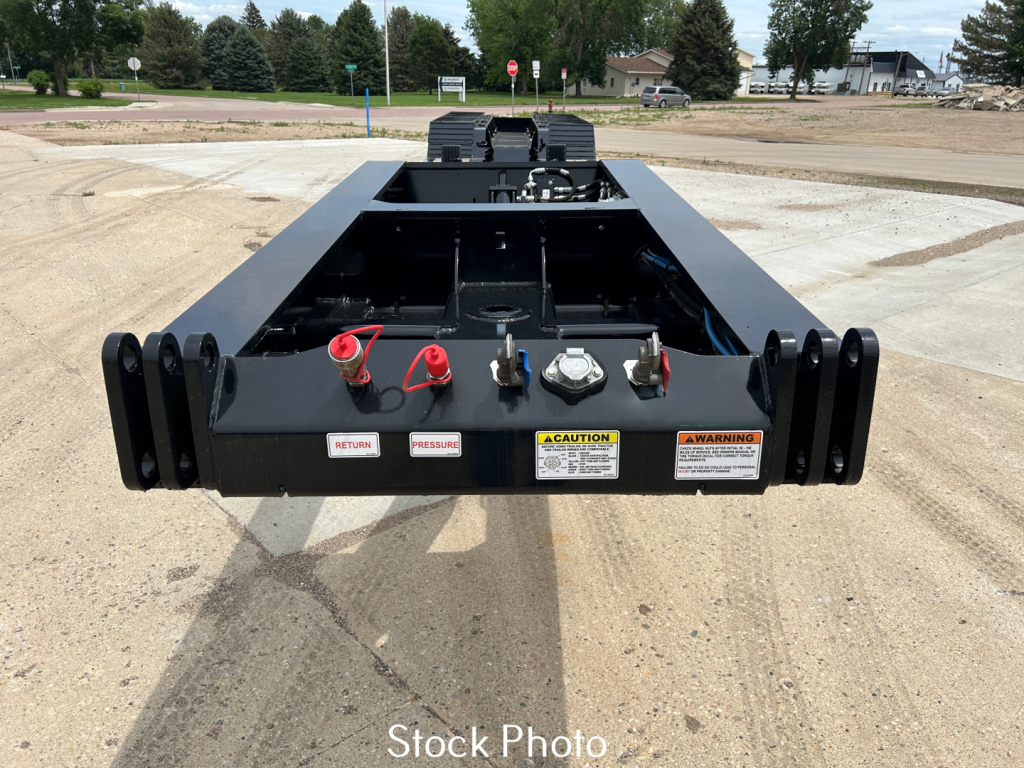
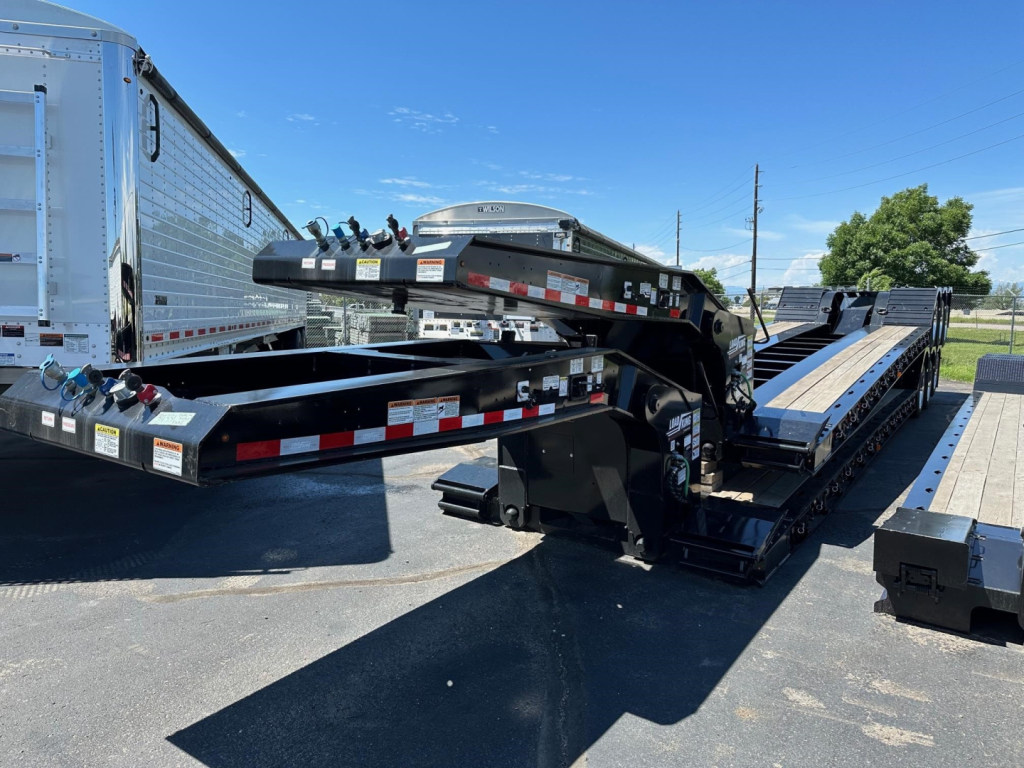
A lot of Load King buyers focus first on lowboy specs. Common checkpoints include rated capacity in a concentrated load area, overall deck length, loaded deck height, load angle, gooseneck style, and kingpin settings. For machinery and rail-related equipment, details like power fold goosenecks, reinforced upper flanges, apitong decking, pin-on aluminum ramps, winches, D-rings, and full-depth outriggers can make a real difference in daily use. Suspension and axle package matter too. Air ride, lift axles, drum brakes, tire size, and wheel material all affect ride quality, maintenance cost, and bridge compliance.
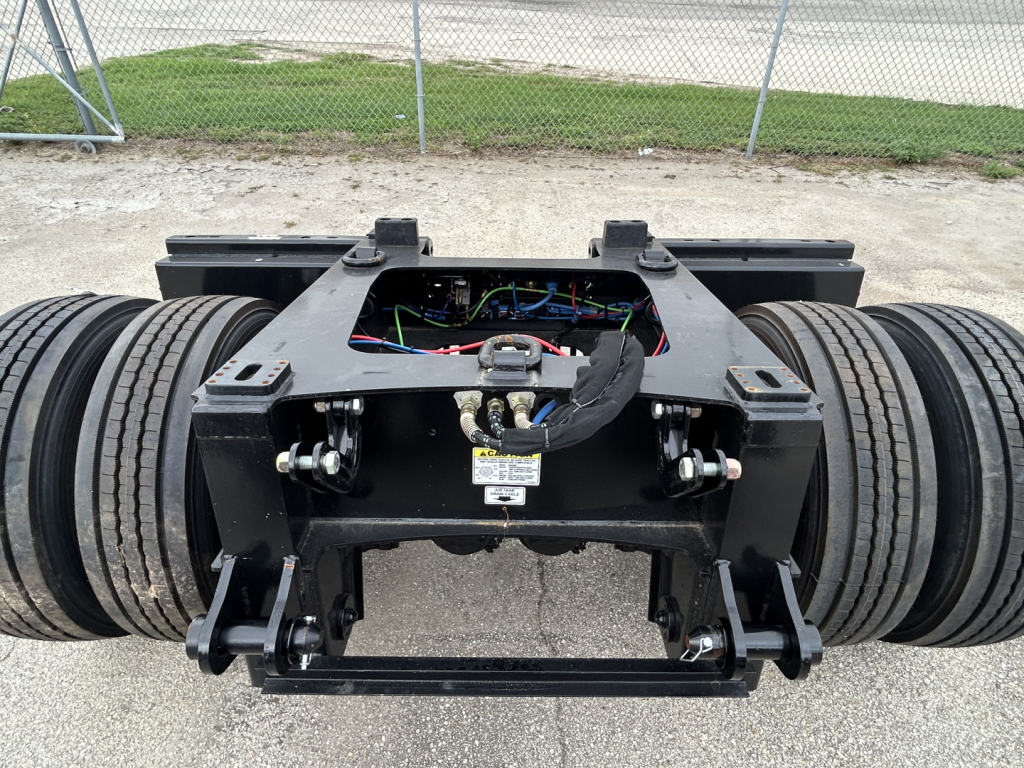
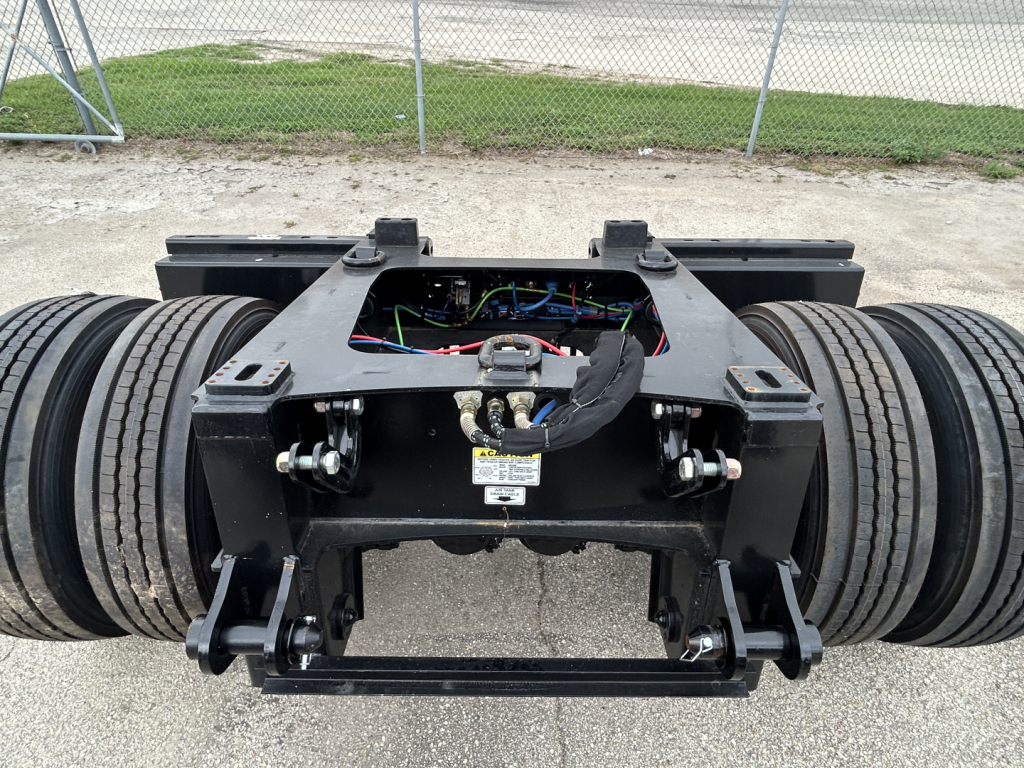
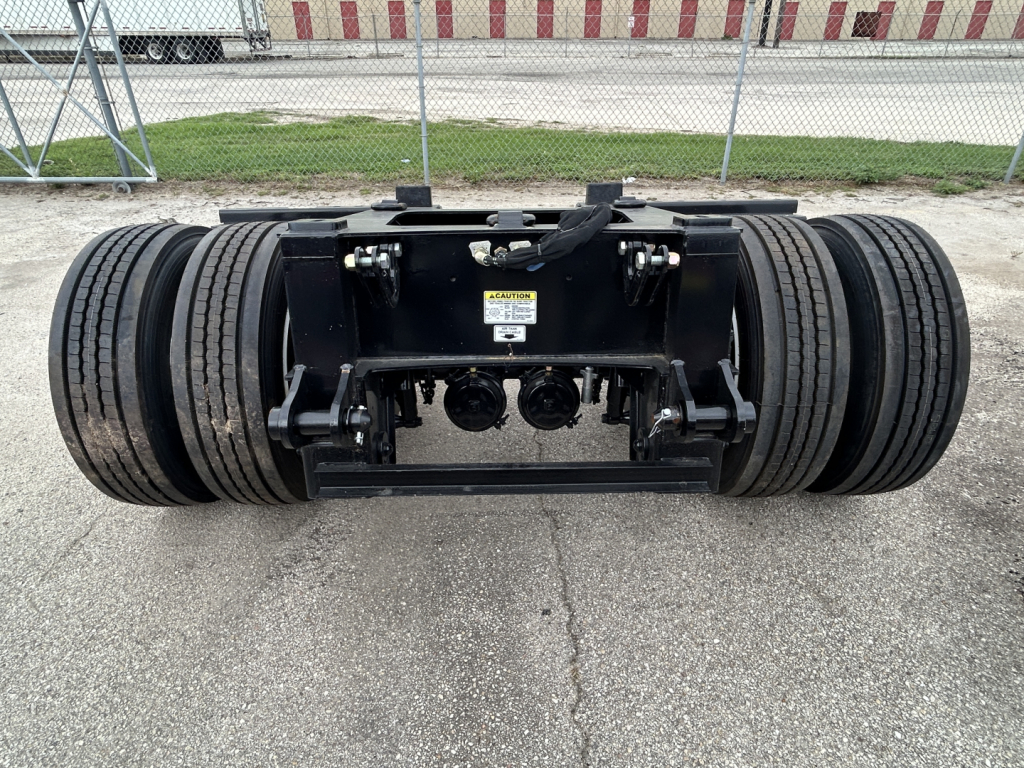
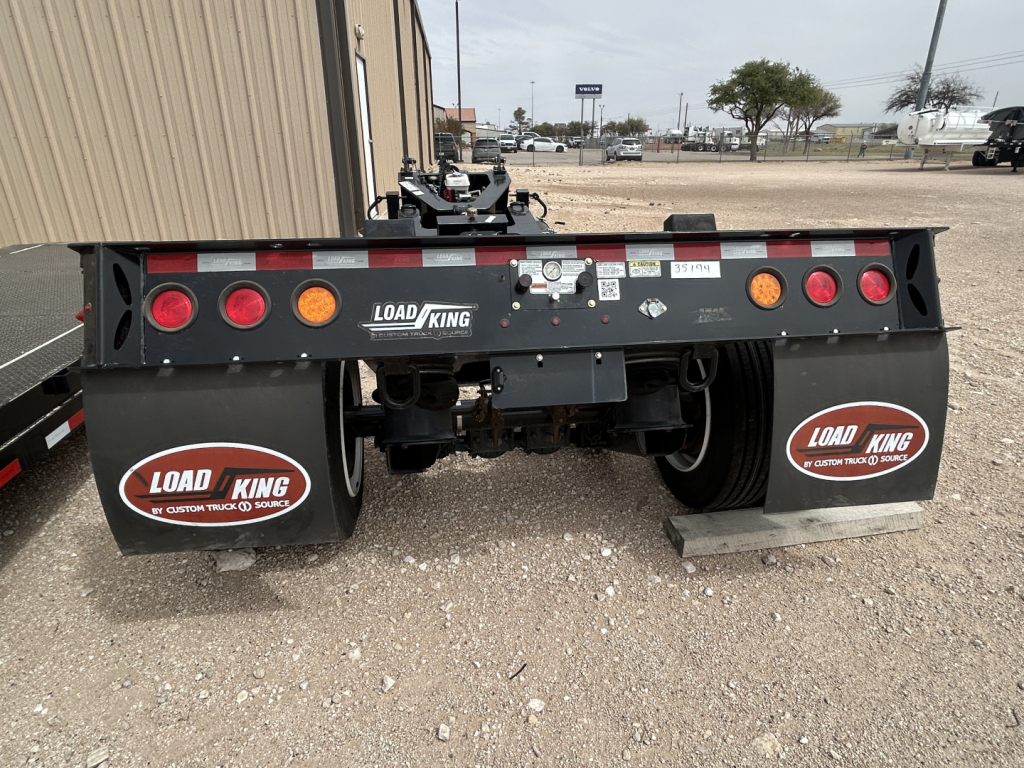
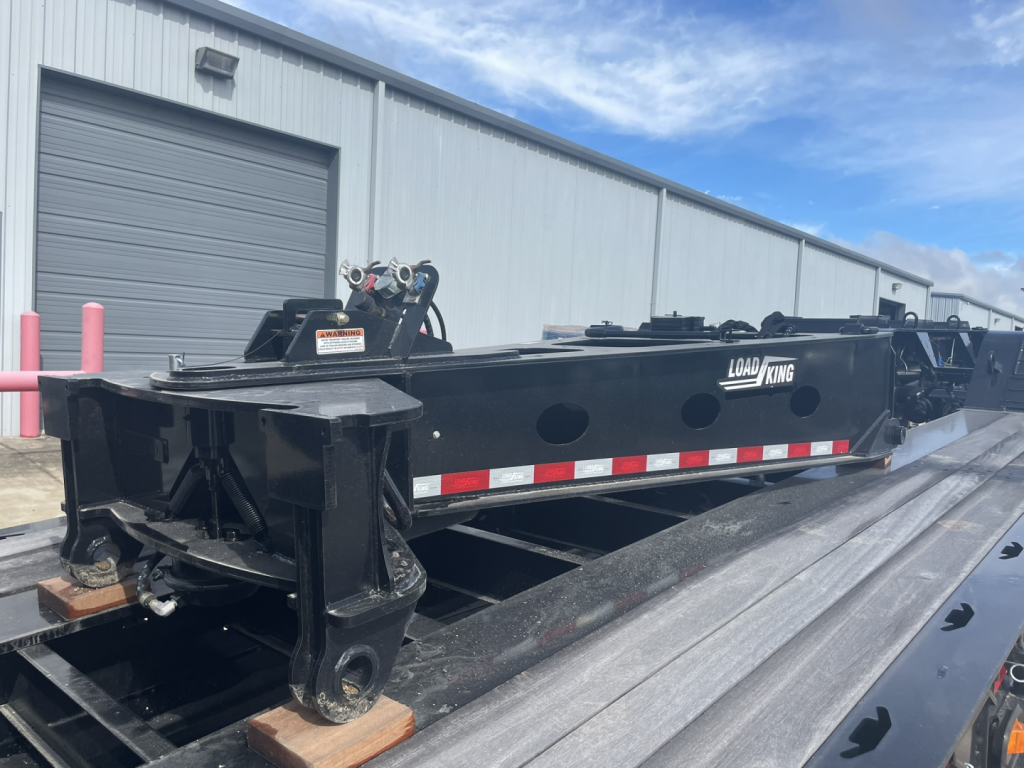
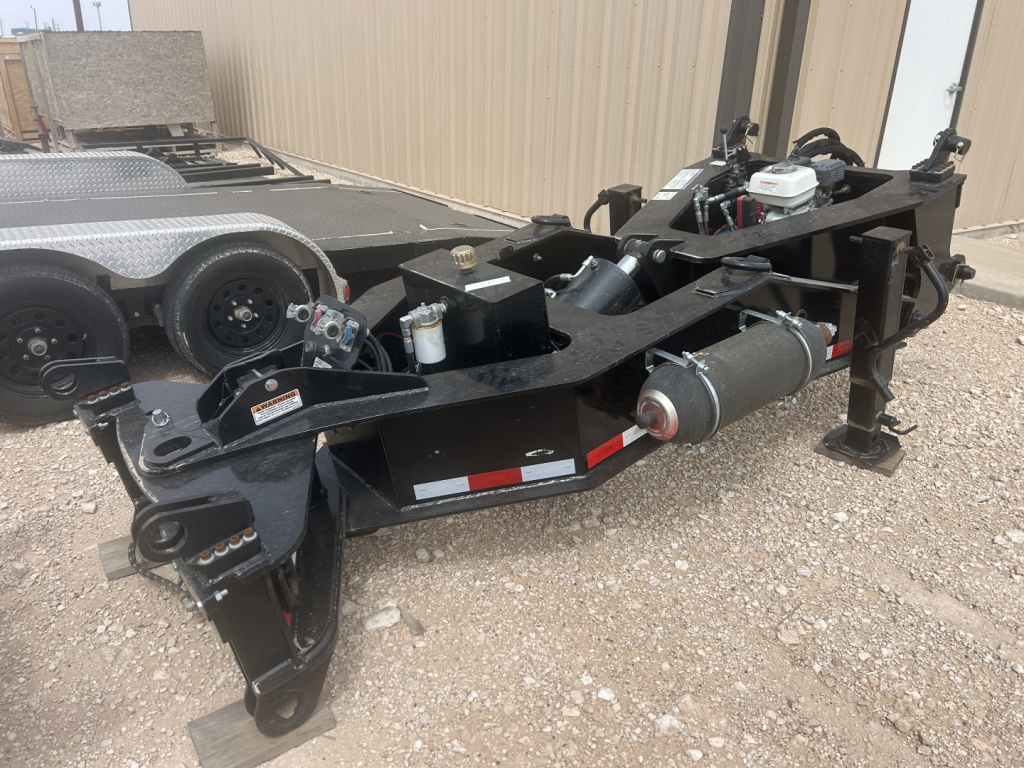
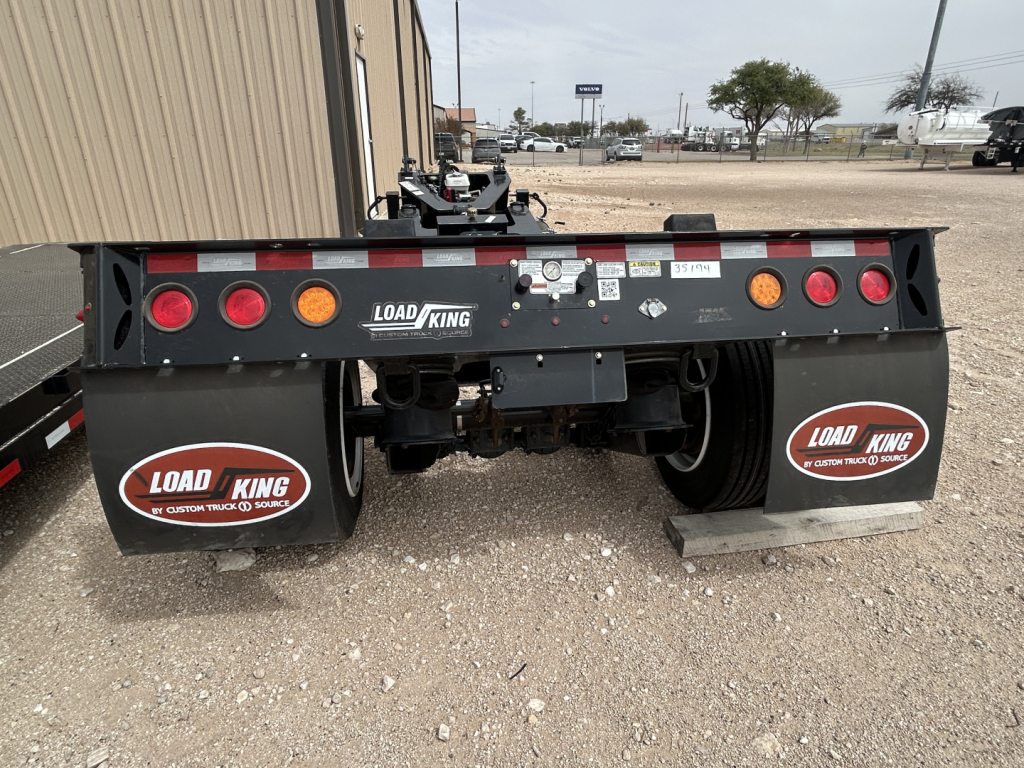
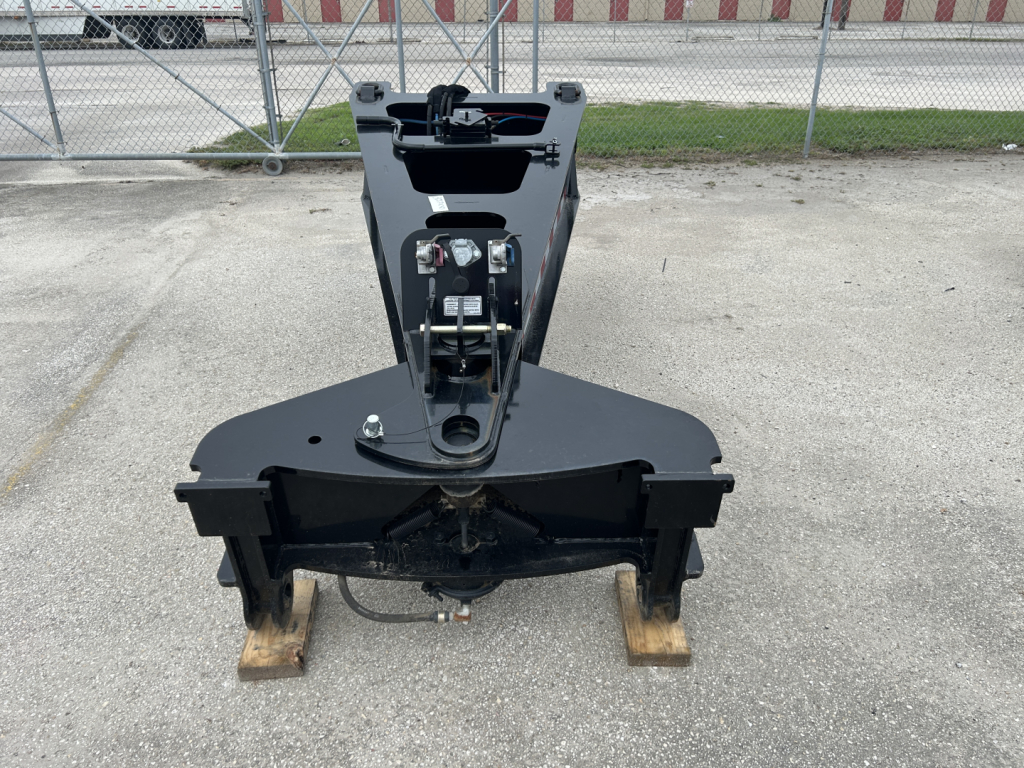
Load King flip axles, converter dollies, and jeeps are important if the trailer will run in multi-axle heavy haul service. These attachments are used to spread weight, meet state-specific permit requirements, and adapt a trailer to different payloads. Buyers should pay close attention to axle spacing, suspension type, brake package, tire size, and how the attachment matches the parent trailer. A flip that is correct for one 55-ton or 60-ton setup may not be right for another if neck geometry, rear frame design, or legal weight distribution changes. On new units, it is worth confirming connection points, loaded height impact, and whether the setup is intended to be sold and operated as a matched combination.
For a buyer comparing multiple new Load King trailers, the smartest approach is to match the trailer to the freight first, then verify legal and operational fit. Concentrated load rating is critical for dozers, excavators, crushers, and other short-track or high-point-load equipment. Deck width, outriggers, ramp style, and tie-down layout affect how efficiently the trailer can handle different machines. If the route includes strict bridge formulas or frequent permitted loads, the axle group design matters as much as the trailer's published ton rating. Load King trailers are typically chosen by operators who need purpose-built heavy haul equipment with practical options for loading, securement, and scaling.
Frequently Asked Questions about New Load King Trailers
What types of new Load King trailers are most common?
The most common new Load King trailer categories include lowboy trailers, hydraulic detachable gooseneck trailers, flip axles, jeeps, and converter dolly style heavy haul components. Load King is particularly well known for specialized equipment hauling rather than basic van or flatbed applications. Many setups are designed to work as a complete heavy haul system, with the base trailer and auxiliary axle equipment matched for capacity, geometry, and permit compliance.
What should I look at first when comparing a Load King lowboy trailer?
Start with the concentrated load rating, deck length, loaded deck height, and gooseneck design. Those specs tell you more about real-world suitability than gross tonnage alone. After that, review load angle, ramp configuration, deck material, tie-down points, outriggers, suspension, and axle layout. If the trailer will haul short, heavy machines, concentrated load area and frame reinforcement are especially important.
Why would I need a flip axle or jeep with a Load King trailer?
A flip axle or jeep is used to distribute weight across more axles so the combination can handle heavier loads and meet bridge and permit requirements. These components are common in heavy haul work where legal weight distribution is just as important as structural trailer capacity. The correct attachment depends on the trailer model, the freight, and the states where the combination will operate, so axle spacing and compatibility should be verified carefully.
Are Load King trailers a good fit for equipment hauling?
Load King trailers are a strong fit for hauling construction equipment, agricultural machines, industrial components, and other high-weight freight that needs a low deck and stable loading angle. Features such as detachable goosenecks, low loaded deck heights, air ride suspension, outriggers, ramps, and winches are all useful in equipment transport. The brand is generally chosen by buyers who need a dedicated heavy haul platform rather than a multipurpose trailer.
How important is axle spacing on a new heavy haul trailer setup?
Axle spacing is extremely important because it affects bridge law compliance, permit routing, and how weight is shared across the combination. On a heavy haul trailer, the difference between one axle spacing package and another can determine whether a load scales legally in a given state. It also influences turning behavior, tire wear, and how well a flip axle or jeep works with the base trailer, so it should be reviewed as a core buying spec, not a minor detail.