
New Load King Trailers For Sale in Texas
Shop new Load King trailers for sale in Texas, including lowboy and heavy haul models built for equipment transport and demanding payloads.
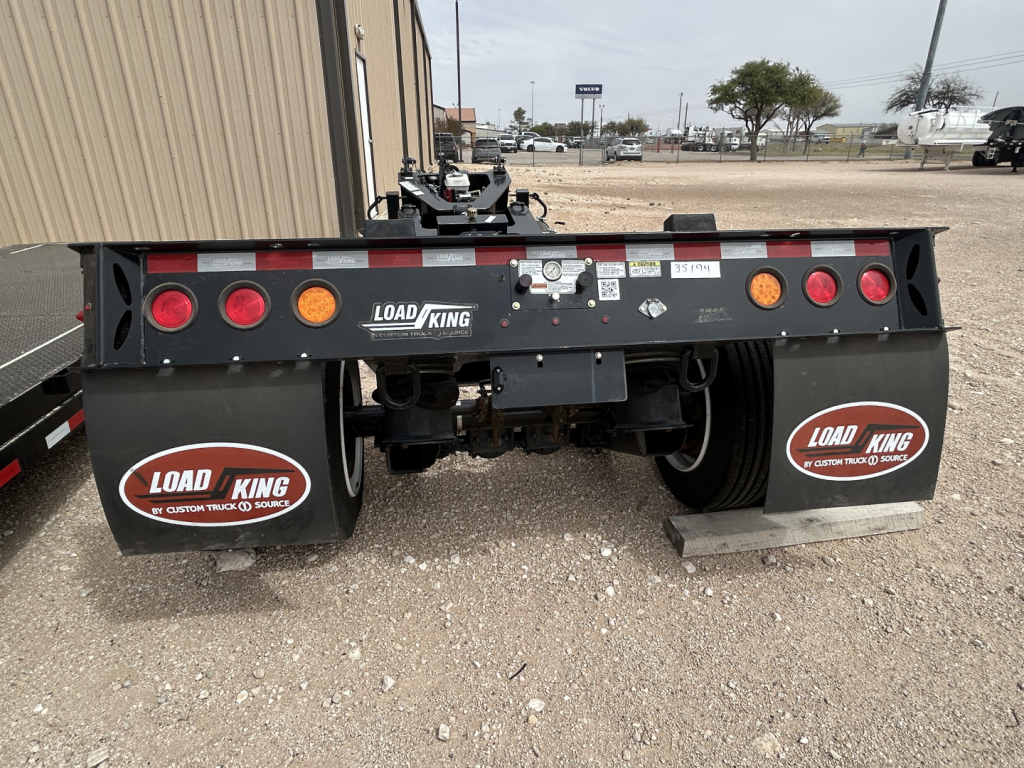
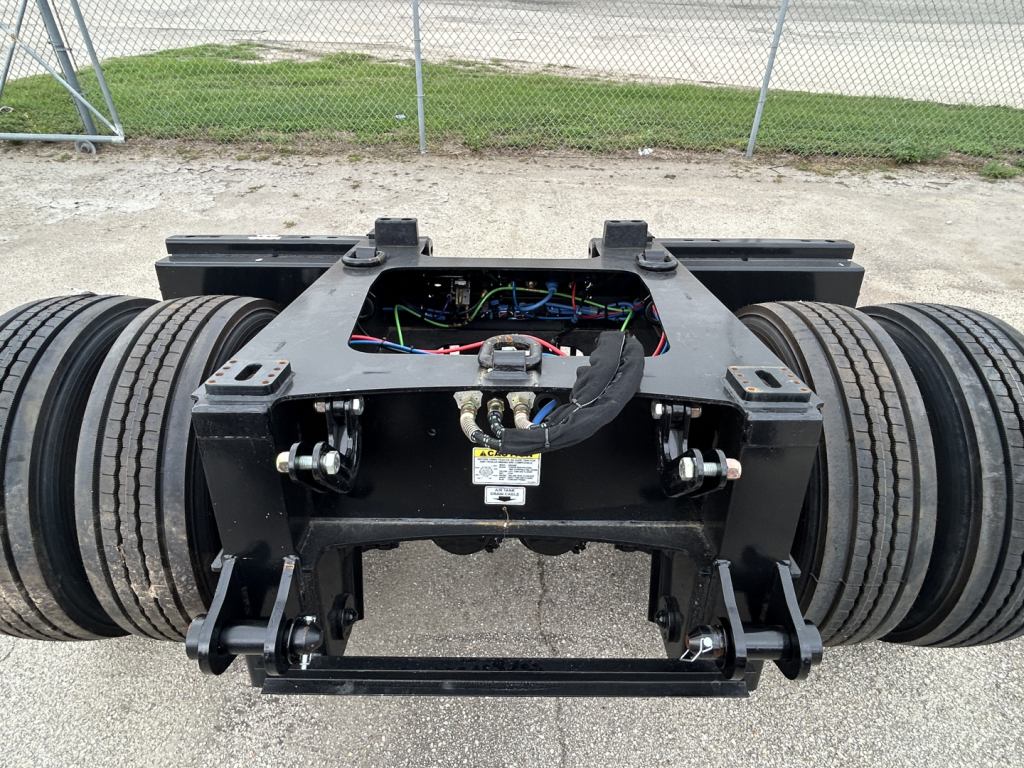
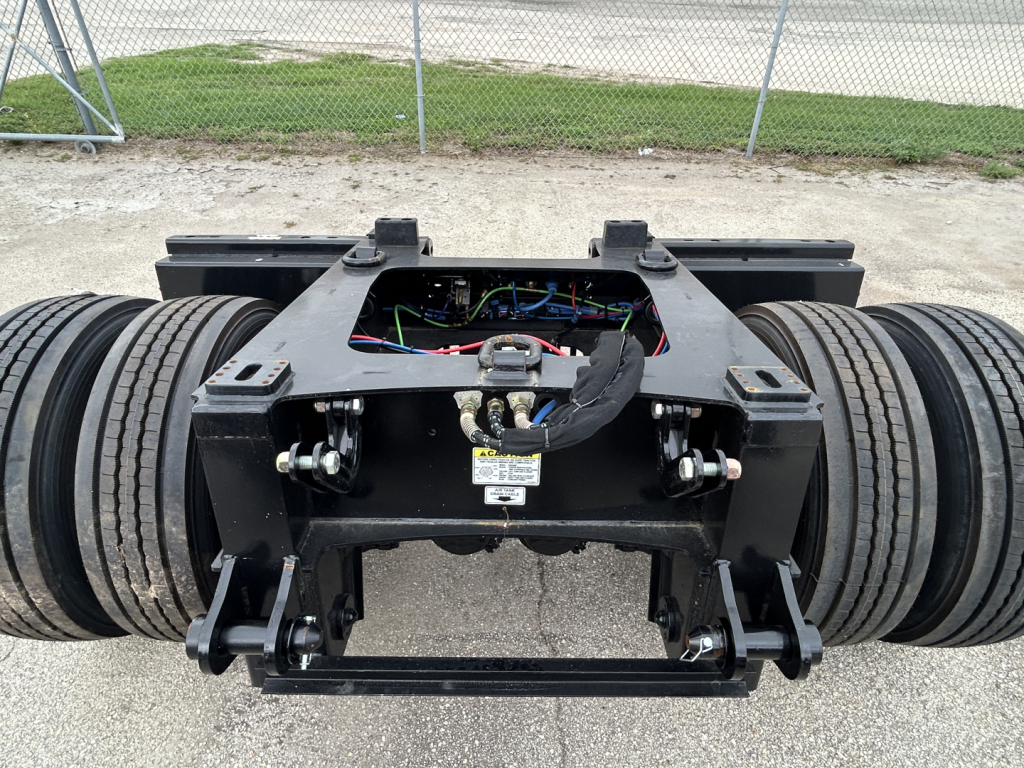
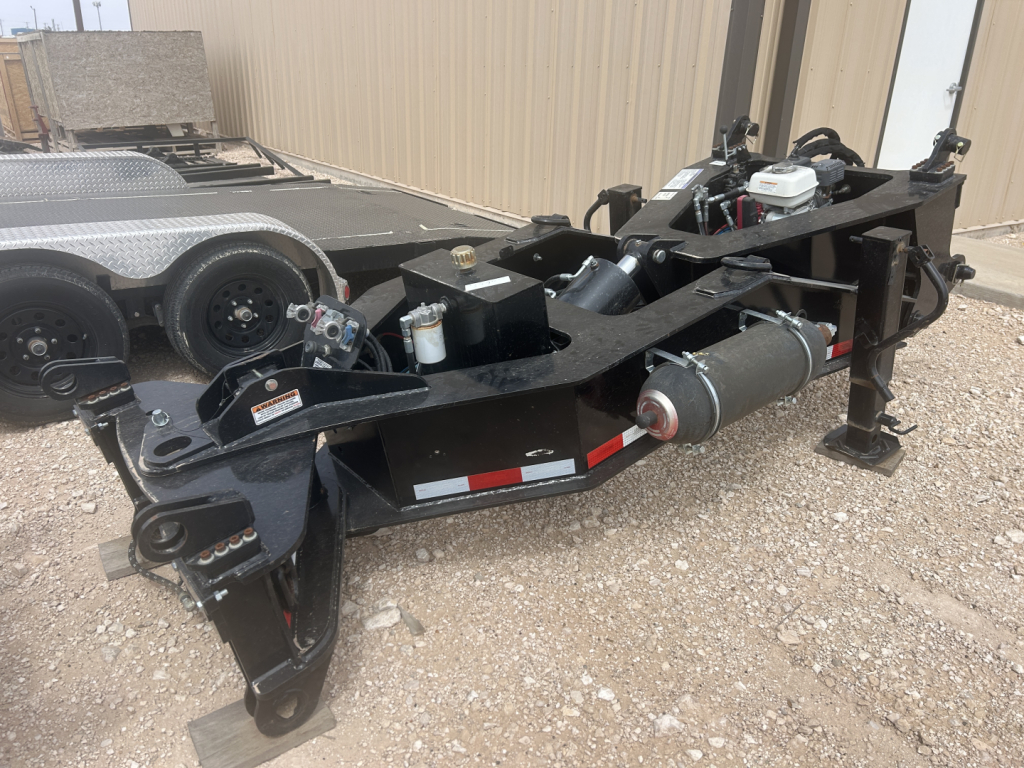

Showing 1 to 28 of 32 results
Selling a new load king trailer? List your new load king trailer for sale and reach thousands of commercial buyers.
New Load King Trailers in Texas
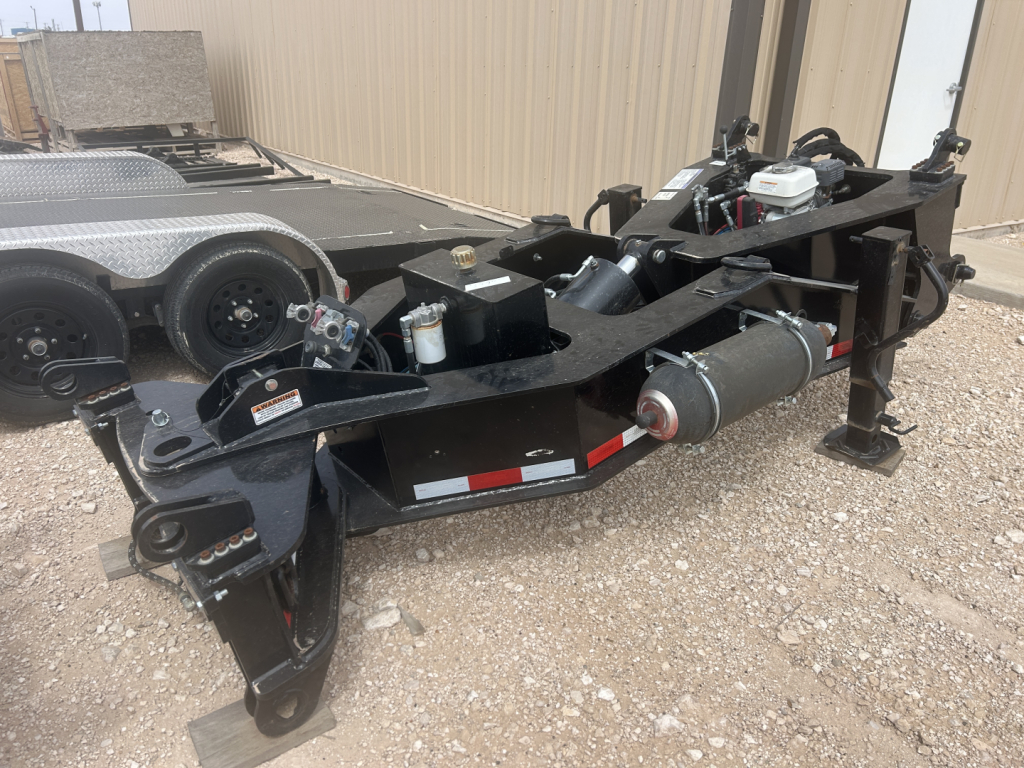
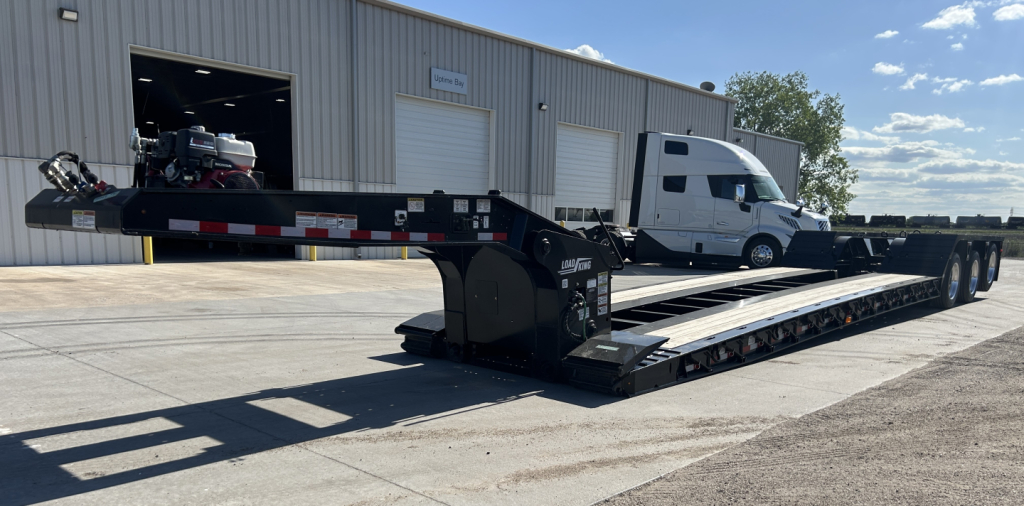
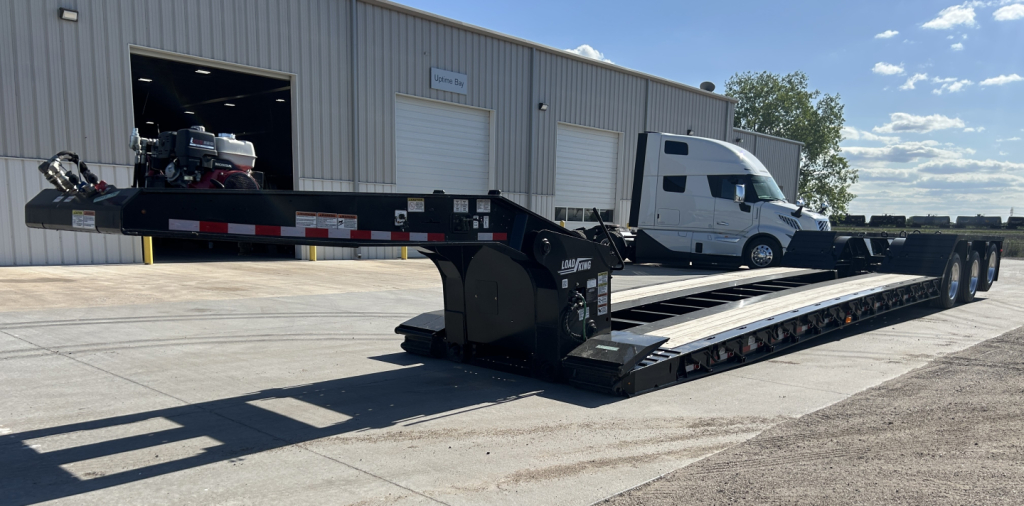
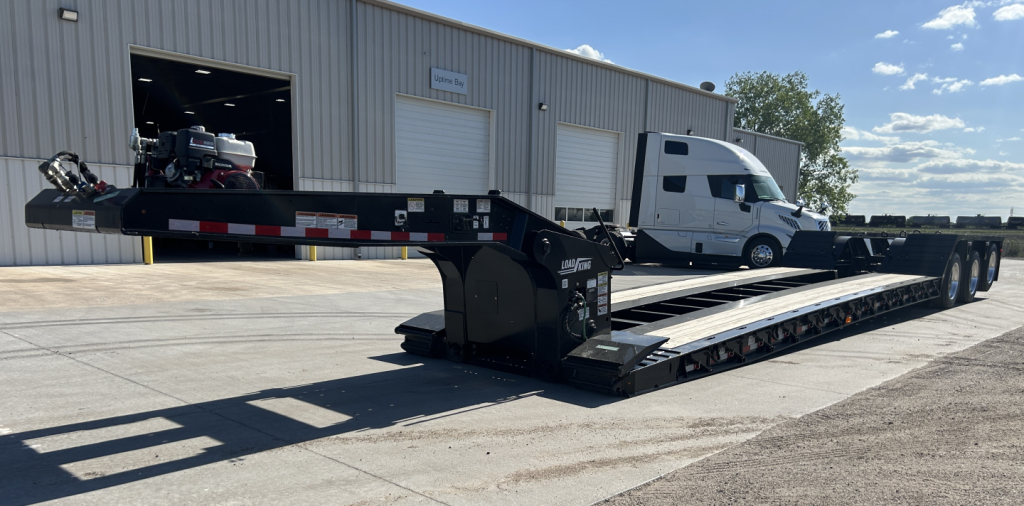
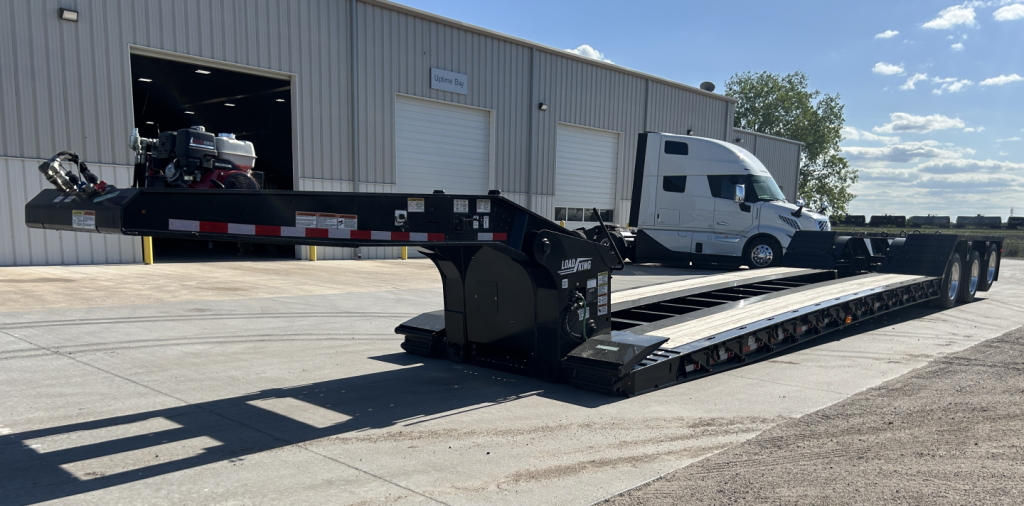
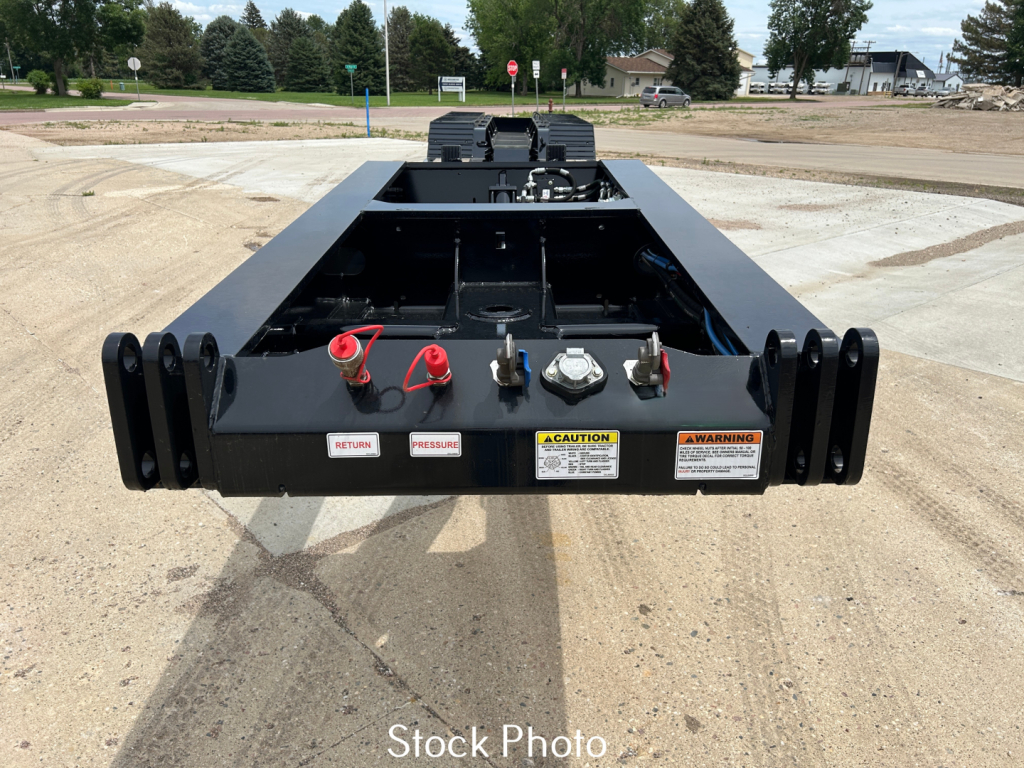
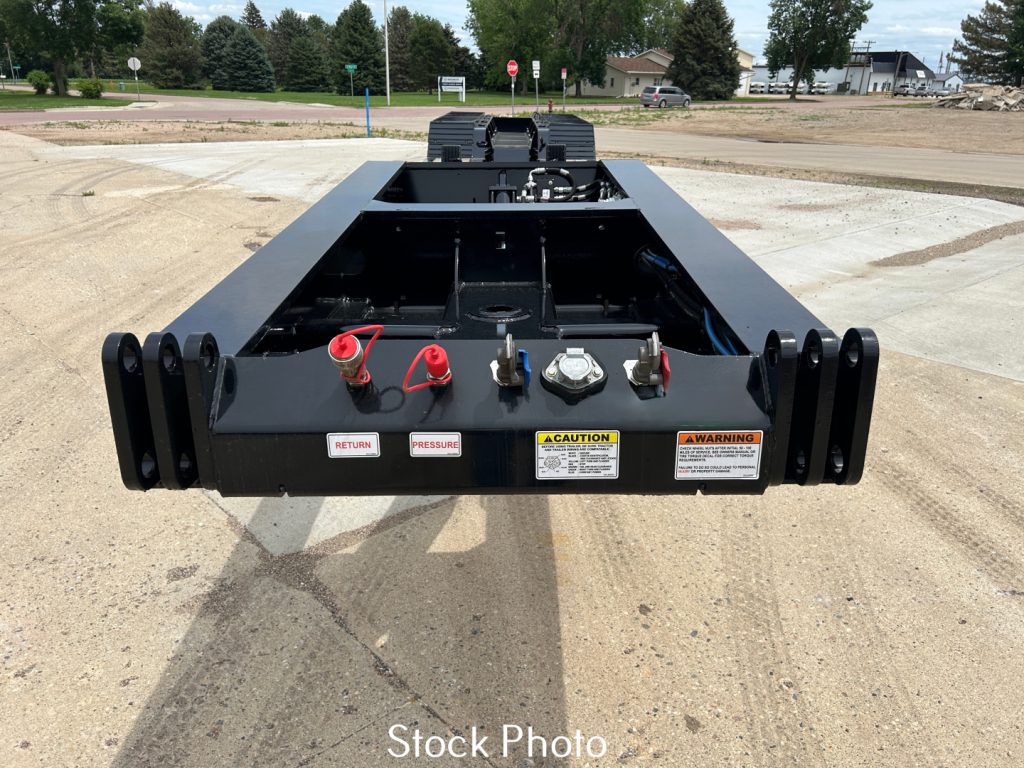
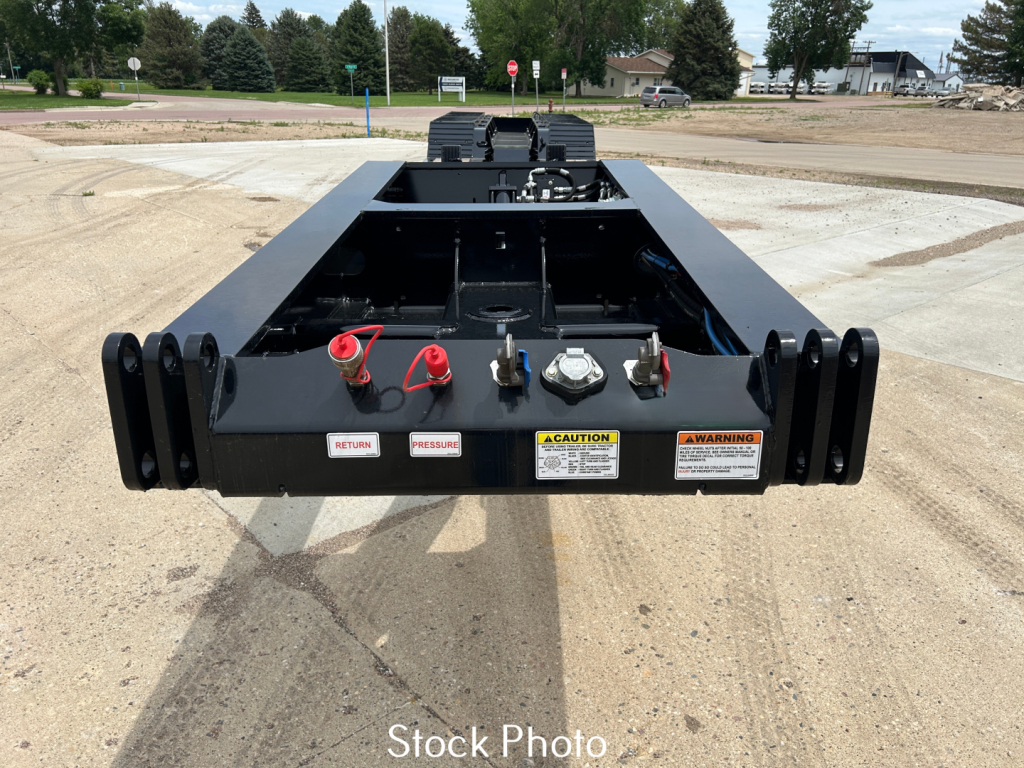
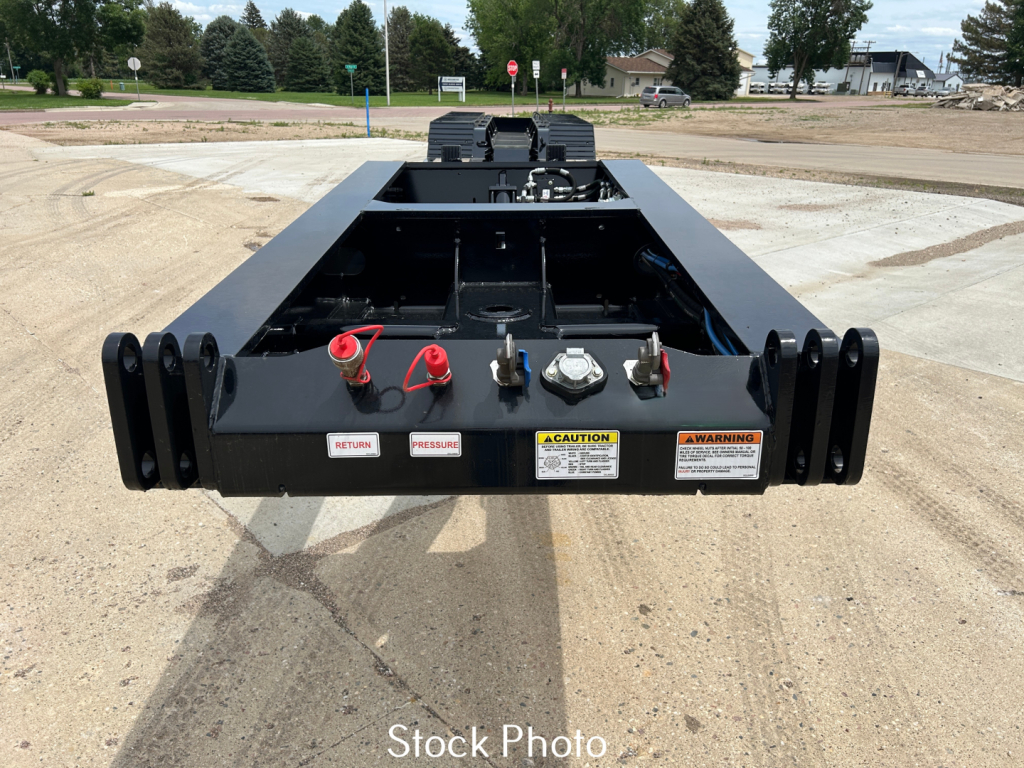
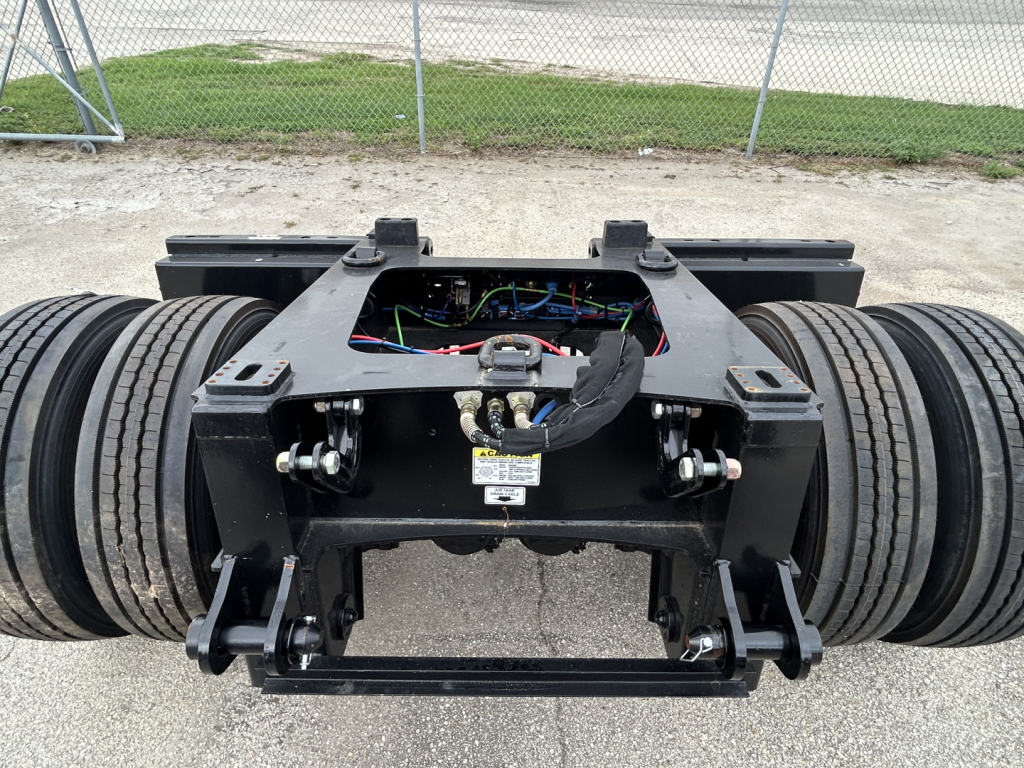
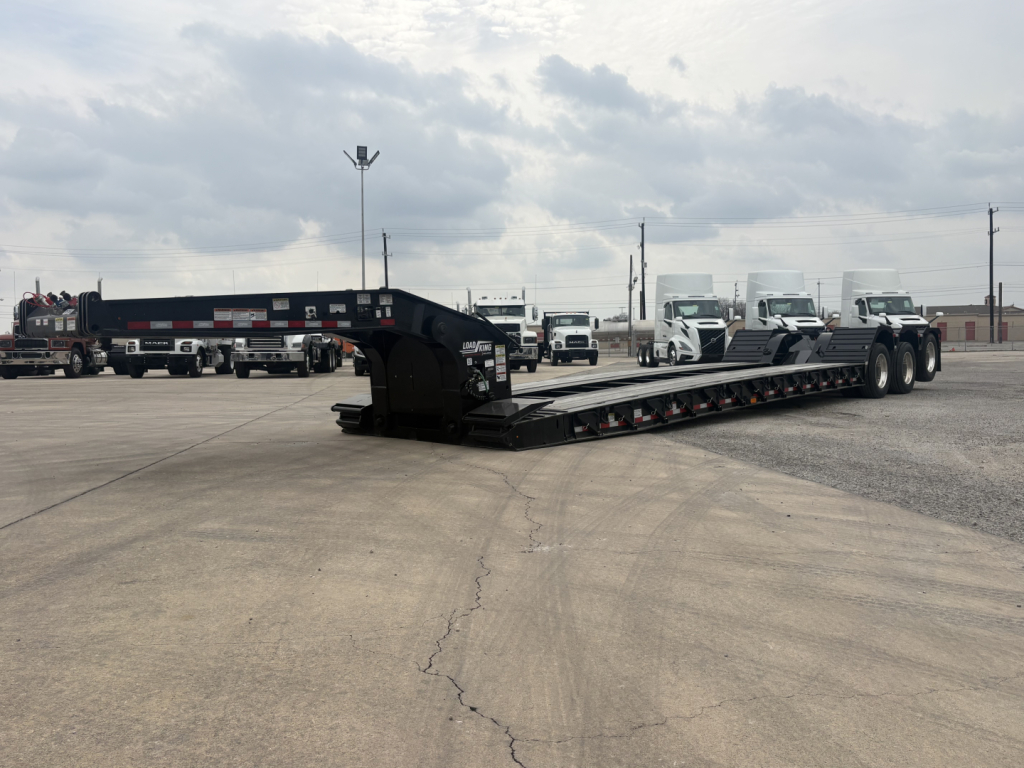
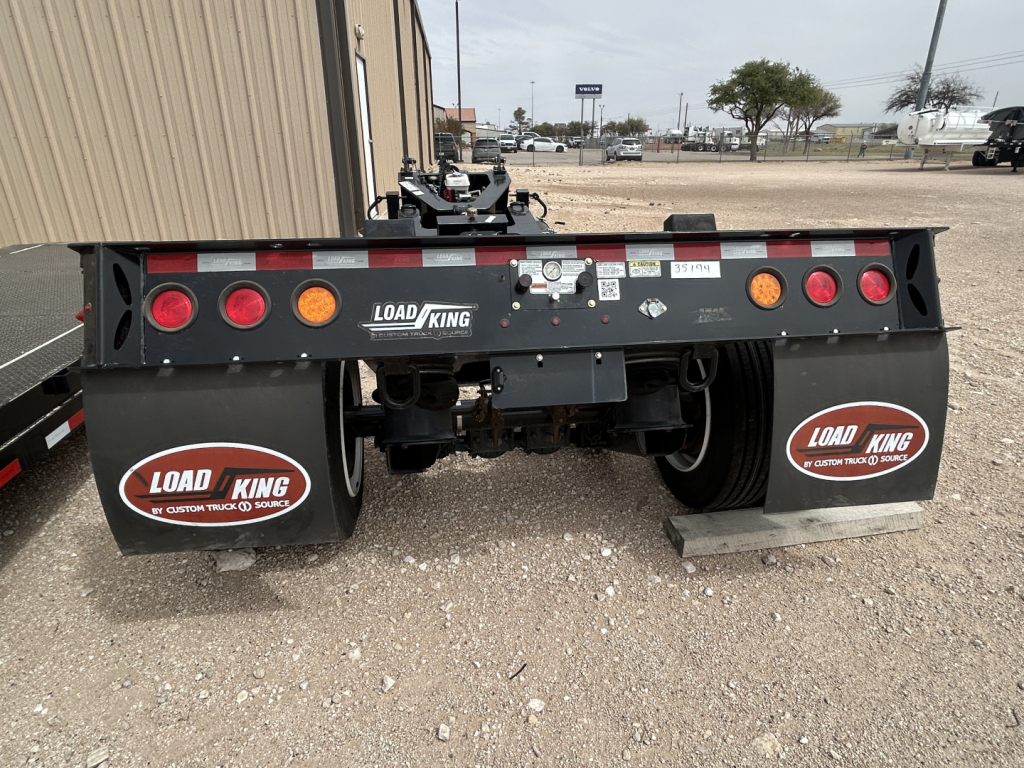
Load King lowboy trailers often show up in 55-ton to 60-ton classes, with configurations that can include tri-axle and quad-axle layouts, air ride suspension, axle lift options, and hydraulic detachable necks. Key specs to compare are load concentration rating, deck length, bucket well length, swing clearance, kingpin setting, and deck height under load. A lower loaded deck height can help with legal height on taller machines, while a longer main deck or excavator-style deck layout matters if the trailer will carry mixed equipment sizes. Features like Apitong decking, chain slots, D-rings, swingout outriggers, front flip ramps, and reinforced flanges are worth close attention because they affect tie-down flexibility, side loading clearance, and long-term durability under concentrated point loads.
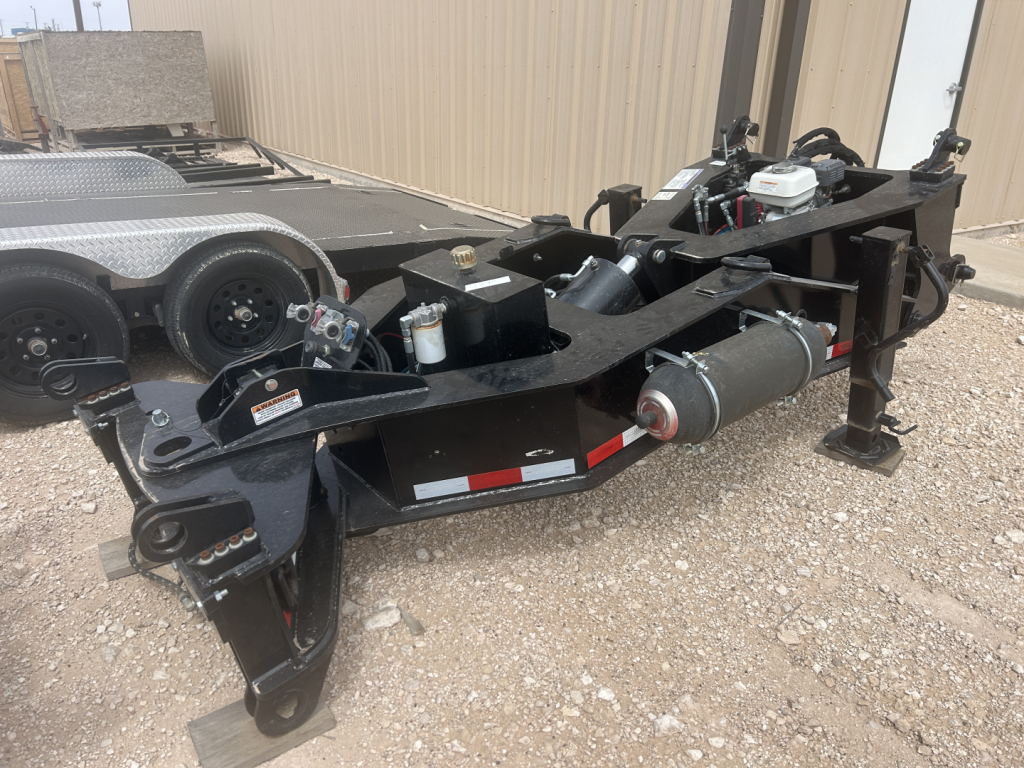
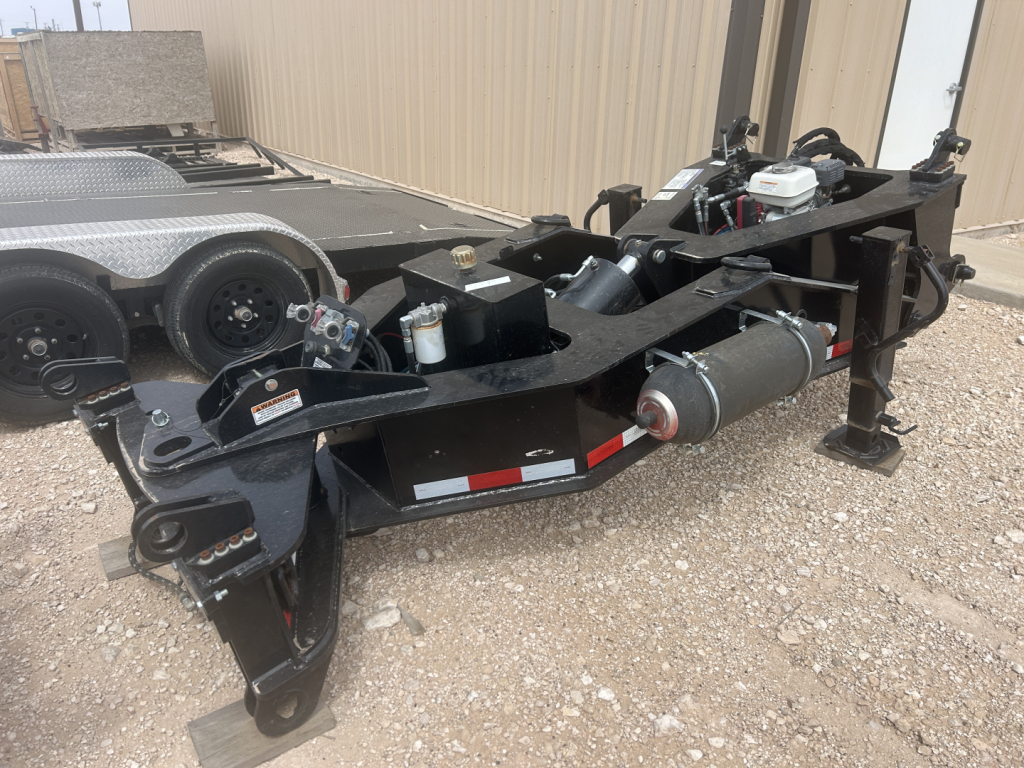
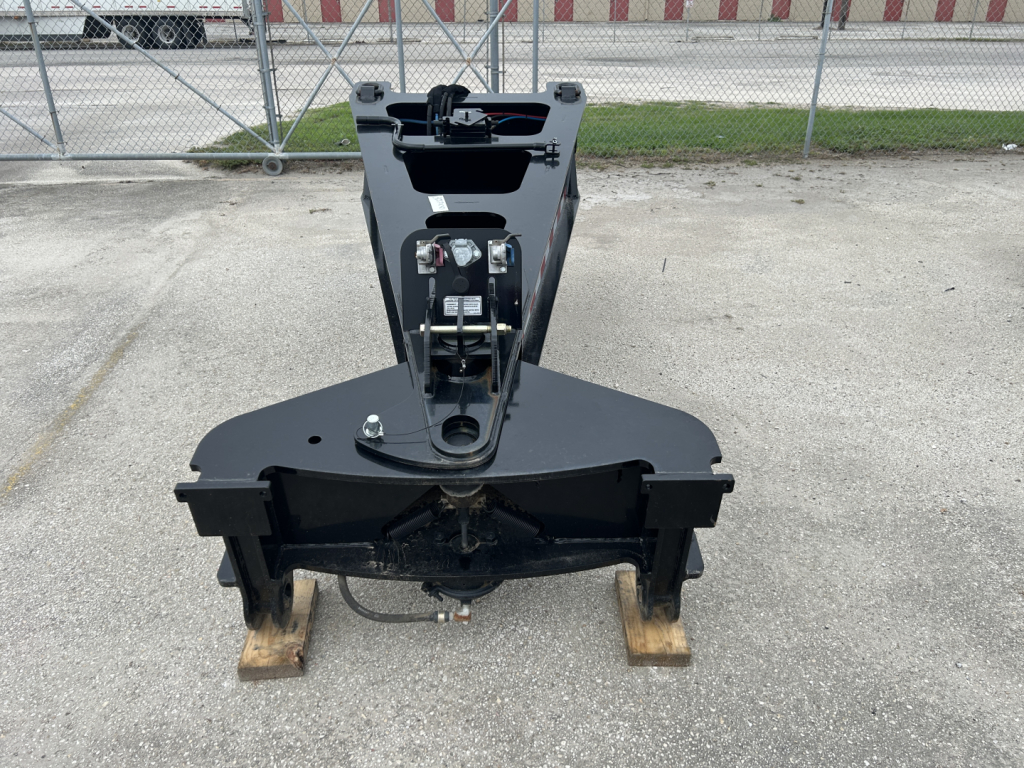
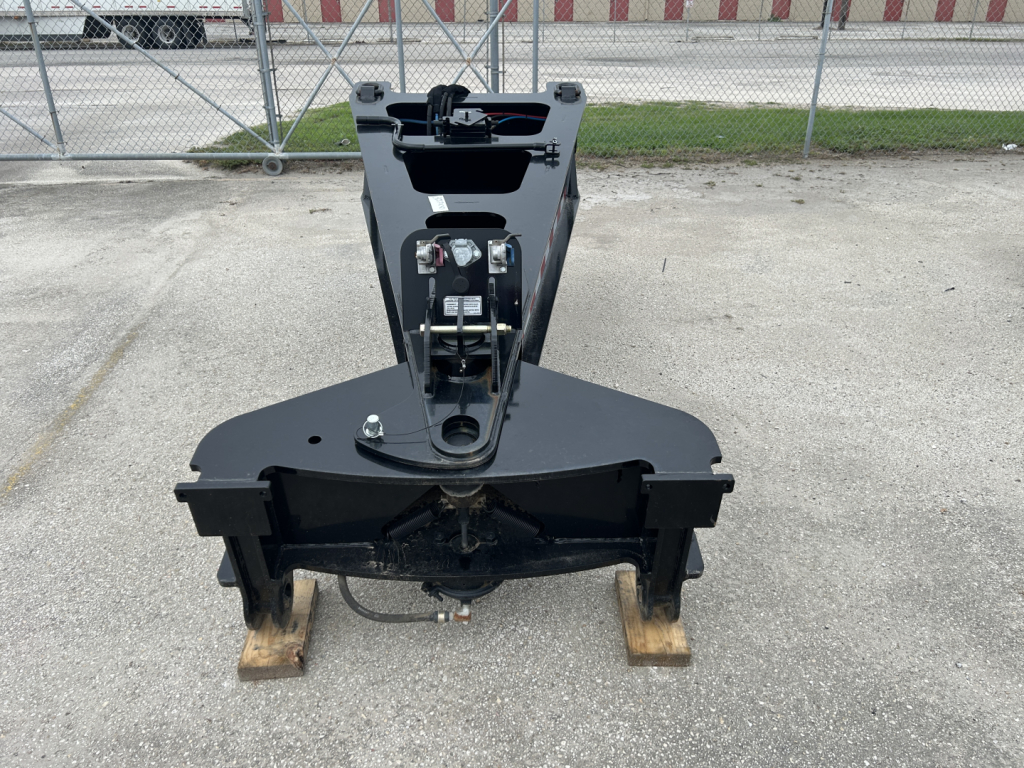
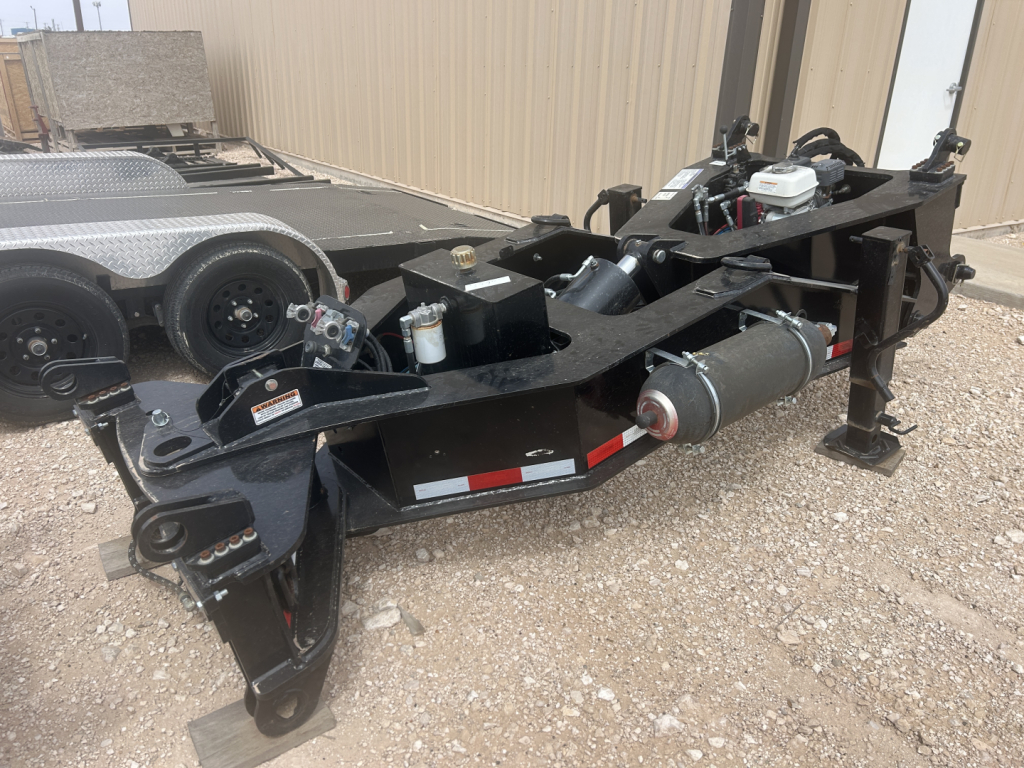
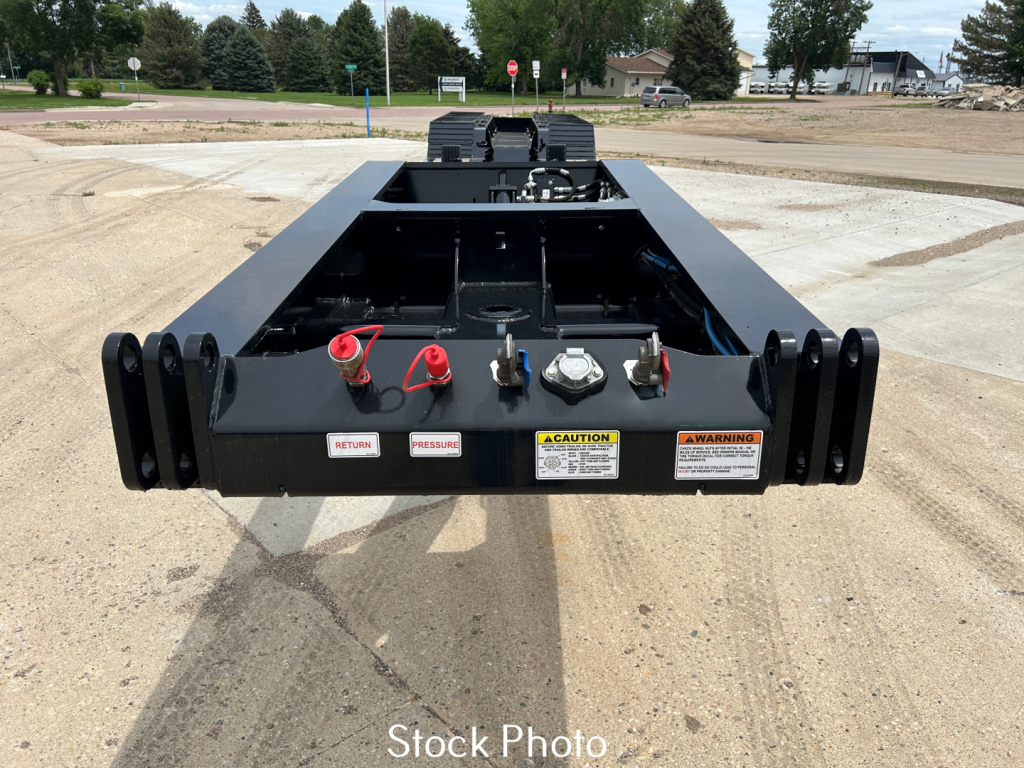
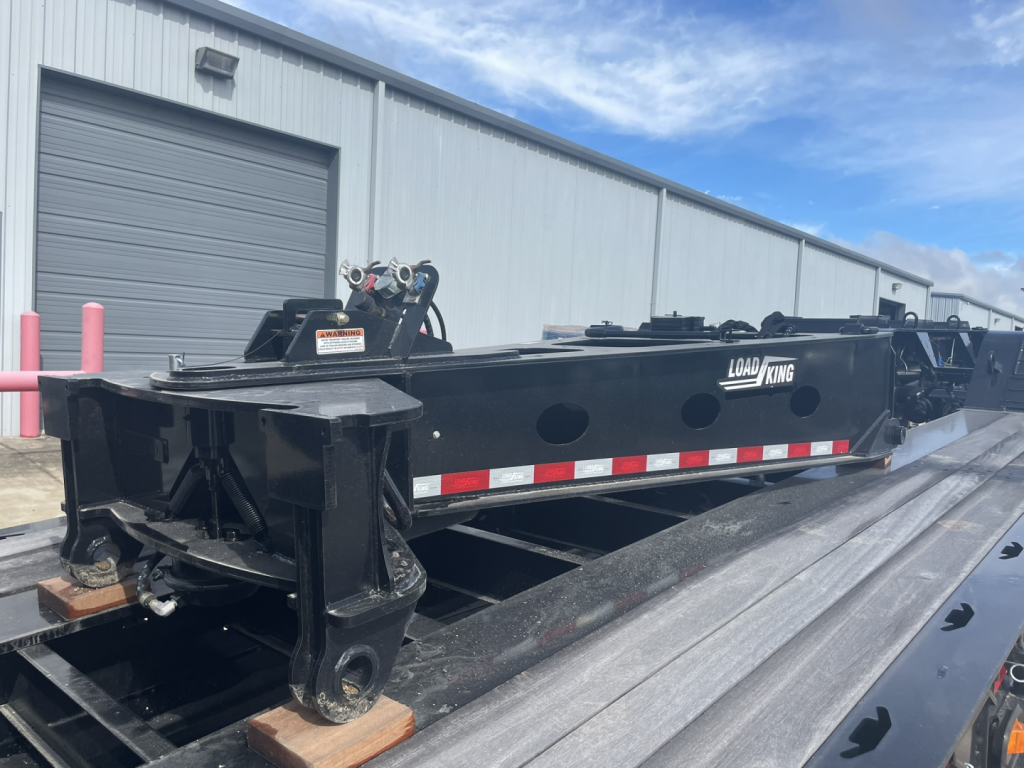
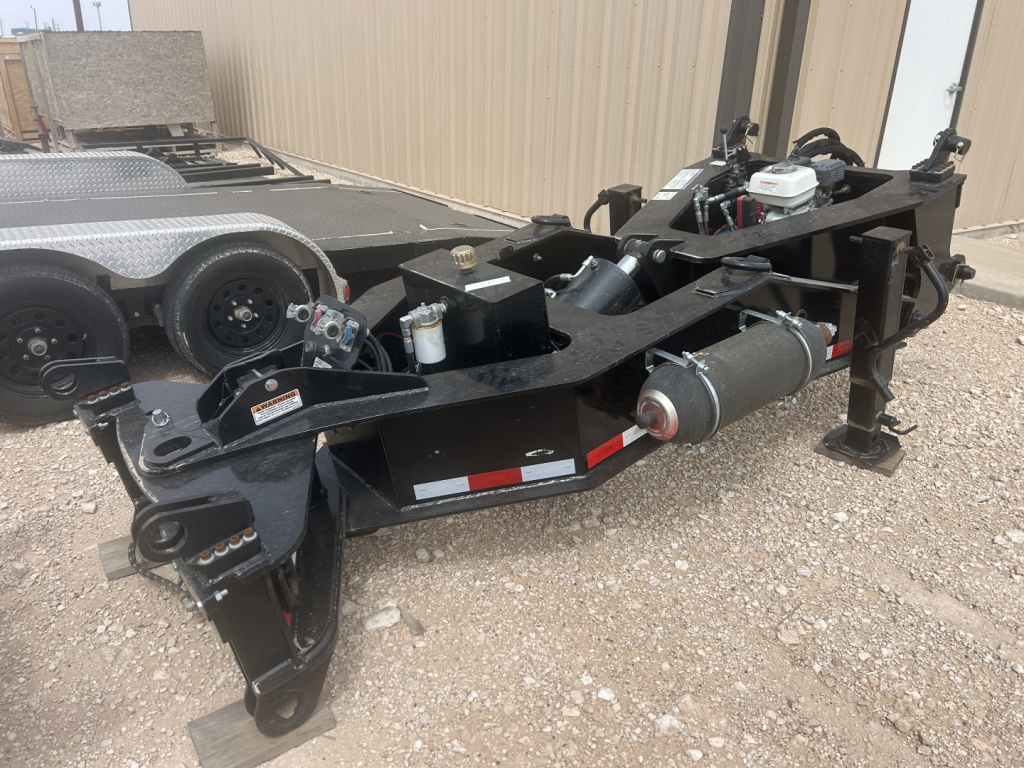
For buyers evaluating new Load King heavy haul trailers, the detachable neck system deserves a close look. Hydraulic detachable goosenecks with pony motors, ride height adjustment, and future stinger prep can make a trailer more versatile across different tractors and loading conditions. If your operation regularly changes payloads or runs over varied terrain, details like axle spacing, suspension design, brake type, tire size, and lift axle arrangement will affect turning, bridge compliance, tire wear, and maintenance costs. Flip axles and stinger-style axle attachments can also expand payload flexibility, but they need to match the trailer series and the type of permitting your lanes require.
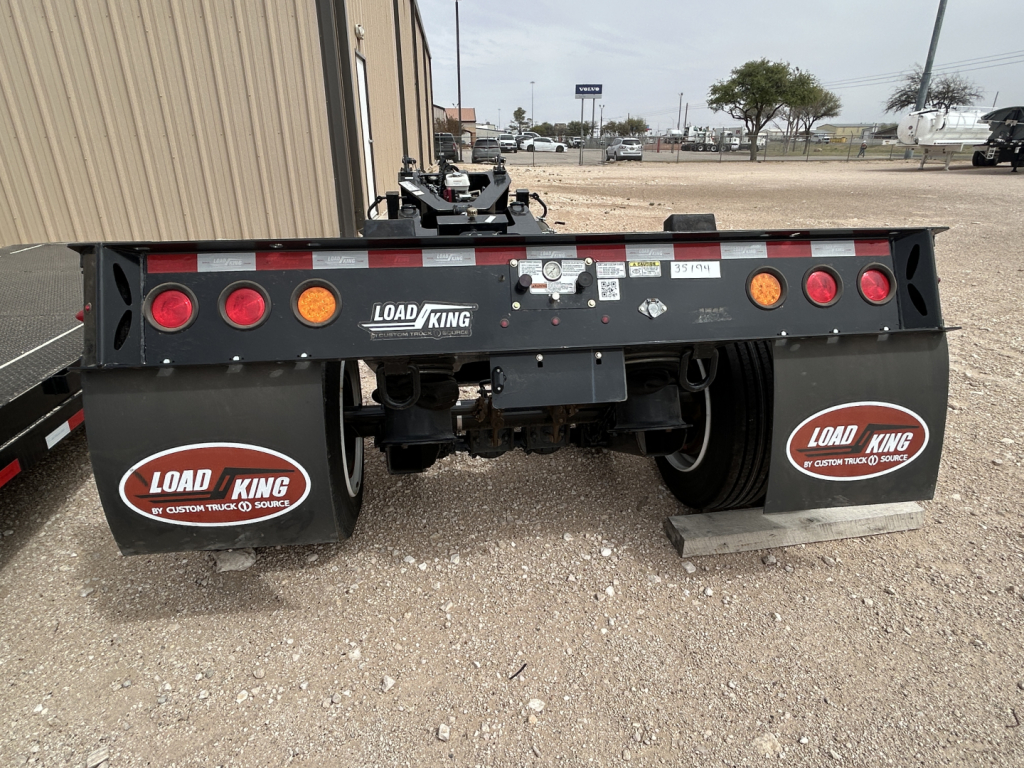
Texas buyers should also weigh trailer width, deck design, and accessory setup against the freight they move most often. An 8-foot-6-inch wide trailer may simplify day-to-day transport, while a 9-foot wide deck can provide more stability and support for wider track equipment. Toolboxes, work lights, strobes, wheel covers, and manual raise-lower controls may sound secondary, but they matter in real-world loading, securement, and roadside service. A well-spec'd new Load King trailer should match the machine weights you actually haul, the axle regulations in your region, and the loading style your drivers use every day.
Frequently Asked Questions about New Load King Trailers in Texas
What types of new Load King trailers are most common for heavy haul work?
The most common new Load King trailers in heavy haul service are hydraulic detachable gooseneck lowboys, often called RGN or detachable neck trailers, along with related components such as flip axles and jeeps. These are designed for hauling concentrated construction and industrial loads like excavators, dozers, and loaders. Load King is especially well known for lowboy configurations in the 55-ton to 60-ton range, with tri-axle and quad-axle setups that can be tailored for deck height, overall length, and permit requirements.
How do I choose between a 55-ton and 60-ton Load King lowboy?
The right rating depends on the actual weight of your machines, how that weight is distributed, and the routes you run. A 55-ton trailer may be a strong fit for fleets hauling common earthmoving equipment, while a 60-ton model gives more margin for heavier or more concentrated loads. Buyers should compare the trailer's load concentration rating, axle configuration, deck construction, and loaded deck height instead of relying on the gross ton rating alone. It is also important to account for attachments, buckets, counterweights, and any future equipment purchases.
Why does loaded deck height matter on a Load King trailer?
Loaded deck height is one of the most important specs on a lowboy because it directly affects legal transport height and machine stability. A lower deck helps keep taller machines under bridge and overpass limits, which can reduce routing restrictions and permit complications. Deck height also affects loading angle, machine center of gravity, and how comfortably certain equipment sits in the well. For taller excavators, pavers, and similar machines, even a few inches can make a meaningful difference.
What trailer features should I pay close attention to on a new Load King heavy haul trailer?
The most important features usually include neck style, load concentration rating, deck length, bucket well length, axle spacing, suspension type, and lift axle options. Buyers should also review securement and deck details such as chain slots, D-rings, outriggers, crossmember construction, flange reinforcement, and decking material. Hydraulic system components like pony motors, ride height controls, and detachable neck connections are also important because they affect loading speed and serviceability. These details influence real operating costs as much as the base capacity rating does.
Are flip axles and stingers important when buying a Load King trailer?
They can be very important for fleets that need flexibility in payload and permitting. A flip axle or stinger can help distribute weight across more axles, which may improve compliance on heavier loads and certain state routes. The key is compatibility with the trailer series, correct axle spacing, and understanding how the added equipment affects overall length, turning, and permit planning. Buyers who routinely haul near the upper end of the trailer's capacity usually benefit from evaluating these options early instead of treating them as an afterthought.