
New Load King Flips/Converter Dollies/Jeeps Trailers For Sale in Texas
New Load King flip axles, converter dollies, and jeeps for heavy haul setups. Compare capacities, axle spacing, suspension, and legal load options.
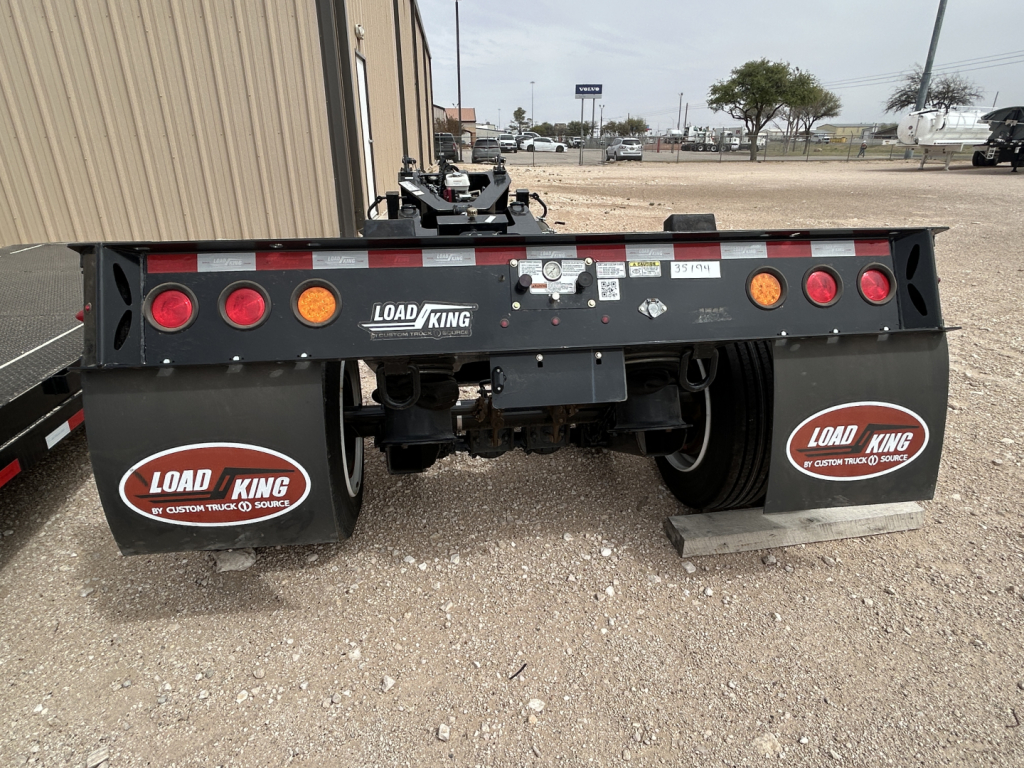
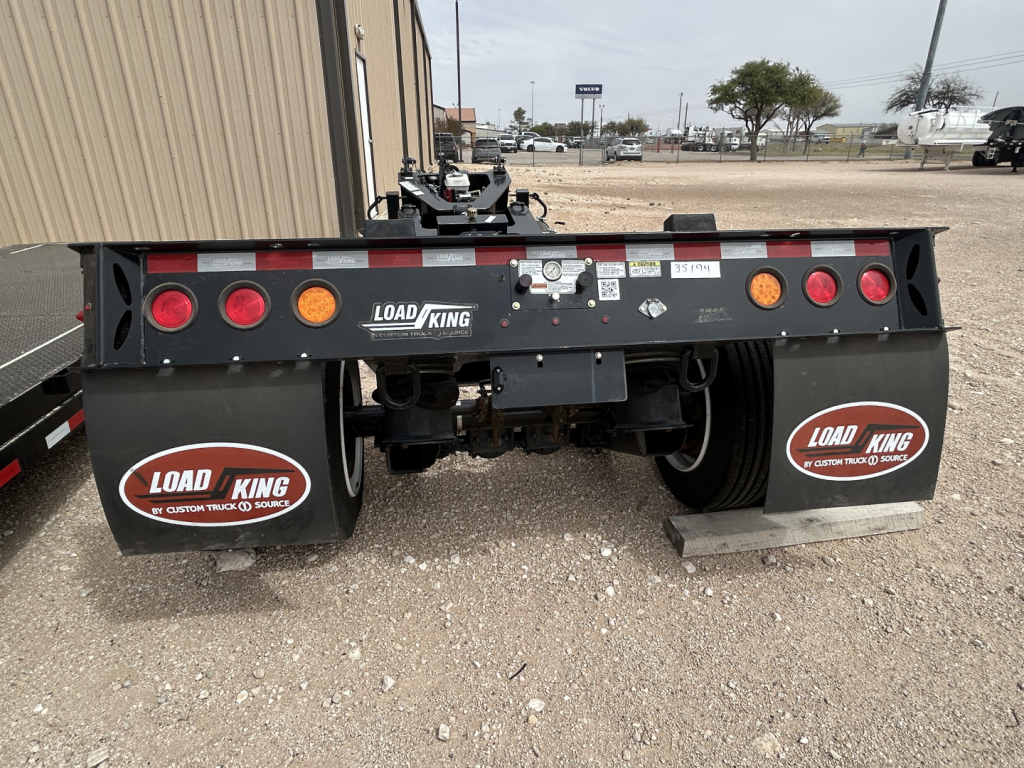
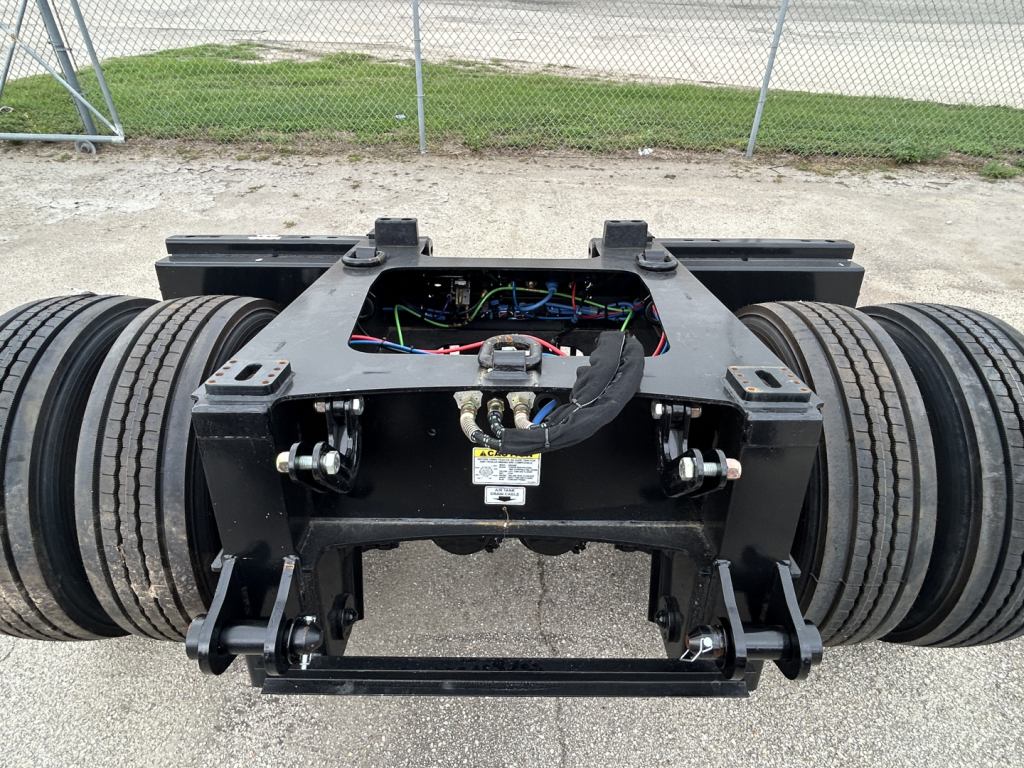
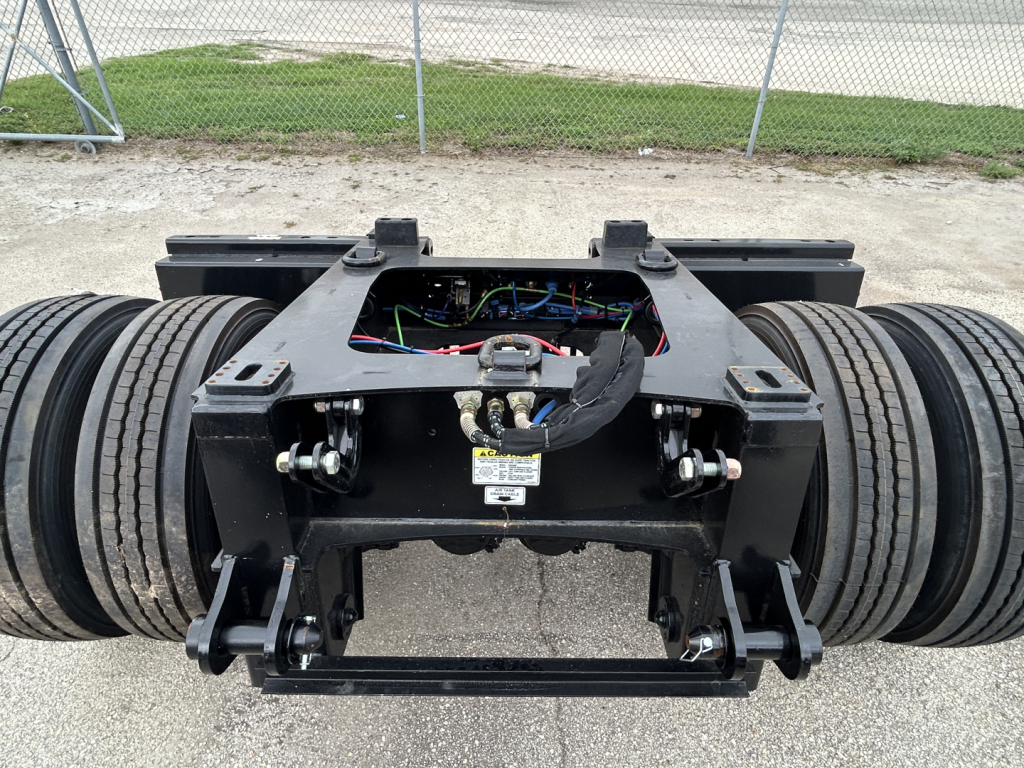
Selling a new load king flips/converter dollies/jeeps trailer? List your new load king flips/converter dollies/jeeps trailer for sale and reach thousands of commercial buyers.
New Load King Flips/Converter Dollies/Jeeps Trailers in Texas
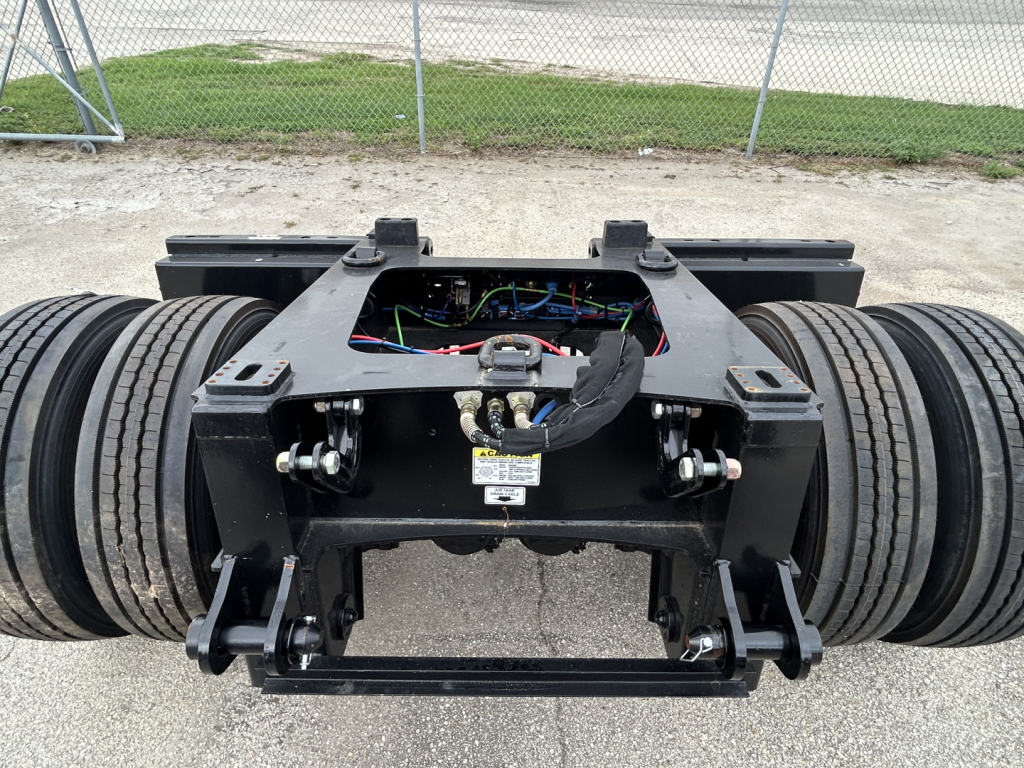
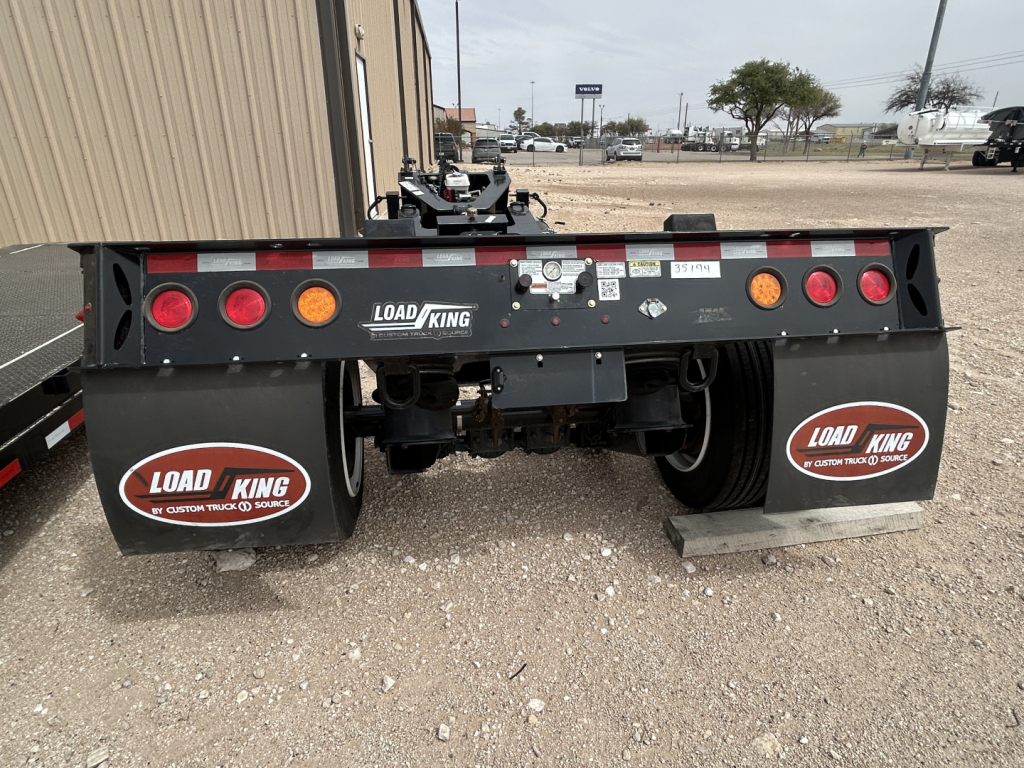
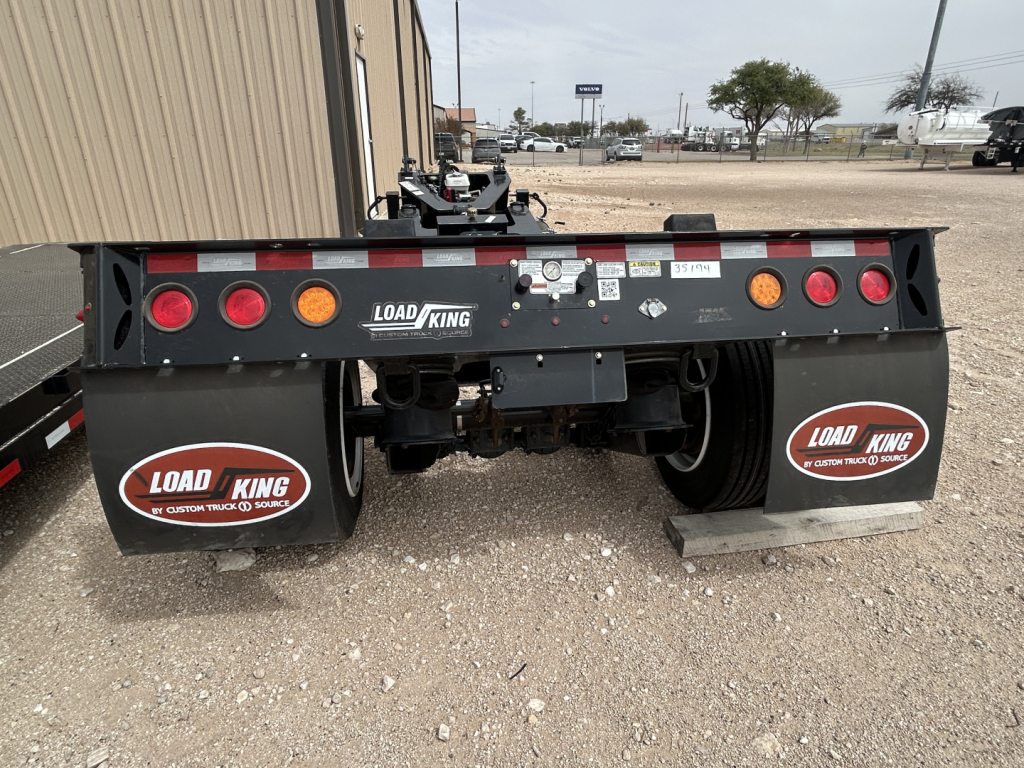
For Load King equipment, common decision points include 55-ton and 60-ton applications, overall width such as 102-inch or 108-inch setups, and axle spacing in the mid-50-inch to 60-inch range. Those dimensions matter because they affect bridge formula compliance, turning characteristics, and how easily the unit matches an existing trailer. Suspension choice is another major factor. Heavy haul buyers often look for air ride suspensions from proven suppliers such as Hendrickson because they help with ride quality, load equalization, and serviceability. Tire size and wheel configuration also matter more than many first-time buyers expect. Common heavy haul tire sizes like 255/70R22.5 or 275/70R22.5 can influence deck height, replacement cost, and tire availability on the road.
A new flip axle or jeep is usually purchased to solve a specific permitting and payload problem, so connection details deserve close attention. Verify kingpin or pin connection design, brake and light hookups, ABS requirements, and whether the axle package is intended for a particular Load King trailer family. D-rings, outer aluminum wheels, and single-axle versus multi-axle arrangements can all affect how the attachment performs in real service. Texas buyers in particular often pay close attention to axle spread, legal routing, and service support because heavy haul work can range from oilfield and construction moves to plant equipment and machinery transport over long distances.
The advantage of buying new in this category is straightforward: current-spec components, known maintenance history, and the ability to match the axle package to the trailer before it goes into service. Load King has a strong presence in the heavy haul market, and these attachments are typically selected by operators who need predictable fit-up and legal weight distribution rather than a one-size-fits-all solution. The best choice comes down to the trailer you are pairing it with, the states you run, the tonnage you need on paper and in practice, and how often the configuration will be installed, removed, or reconfigured between jobs.
Frequently Asked Questions about New Load King Flips/Converter Dollies/Jeeps Trailers in Texas
What is the difference between a flip axle, a jeep, and a converter dolly?
A flip axle is an additional rear axle assembly that attaches to a lowboy or detachable trailer to increase legal payload capacity and improve weight distribution. A jeep is placed between the tractor and the trailer, adding axles ahead of the trailer to shift weight off the tractor drives and trailer tandem. A converter dolly is a separate axle-and-drawbar assembly used in certain multi-unit or specialty hauling configurations. Buyers should choose based on where they need to distribute weight in the combination and what their permits or bridge rules require.
How do I know if a flip axle or jeep will match my trailer?
Compatibility starts with the base trailer model and the manufacturer's connection design. Buyers need to confirm width, axle spacing, suspension type, ride height, connection points, brake and electrical hookups, and rated capacity. It is also important to verify that the added axle group was engineered for the same trailer family or neck design. Even when two units appear similar on paper, small differences in fit-up or legal dimensions can affect safe operation and permit approval.
Why does axle spacing matter on heavy haul attachments?
Axle spacing directly affects bridge law compliance, permit routing, turning radius, and how the load is distributed across the combination. A spacing change from roughly 54.5 inches to 60 inches can alter how the unit carries weight and whether it fits a particular state permit formula. Wider spacing may improve legal distribution in some situations, but buyers must balance that against maneuverability and the configuration of the trailer it will be paired with.
What suspension and tire specs should buyers pay attention to?
Suspension and tire choices have a real effect on ride quality, service intervals, and operating cost. Air ride suspensions are popular in heavy haul because they help equalize load and reduce shock transfer to the trailer and cargo. Tire sizes such as 255/70R22.5 and 275/70R22.5 are common on these attachments, and buyers should consider load rating, replacement availability, and how tire diameter affects overall height. Wheel choice, including aluminum outer wheels, also matters for weight savings and maintenance.
Are new heavy haul attachments worth it compared with used units?
New units appeal to buyers who want known specifications, current brake and ABS compliance, and minimal uncertainty about wear, repairs, or prior overload history. That matters in heavy haul, where axle group performance affects permits, safety, and uptime. A new flip axle, jeep, or converter dolly can also make it easier to standardize a fleet around one trailer brand or configuration. For operators running frequent permitted loads, the reduction in fitment issues and maintenance surprises can justify the higher purchase price.