
New Load King Trailers For Sale in Kansas
New Load King trailers for sale in Kansas, including heavy haul flip axles, spreaders, and specialized trailer configurations.
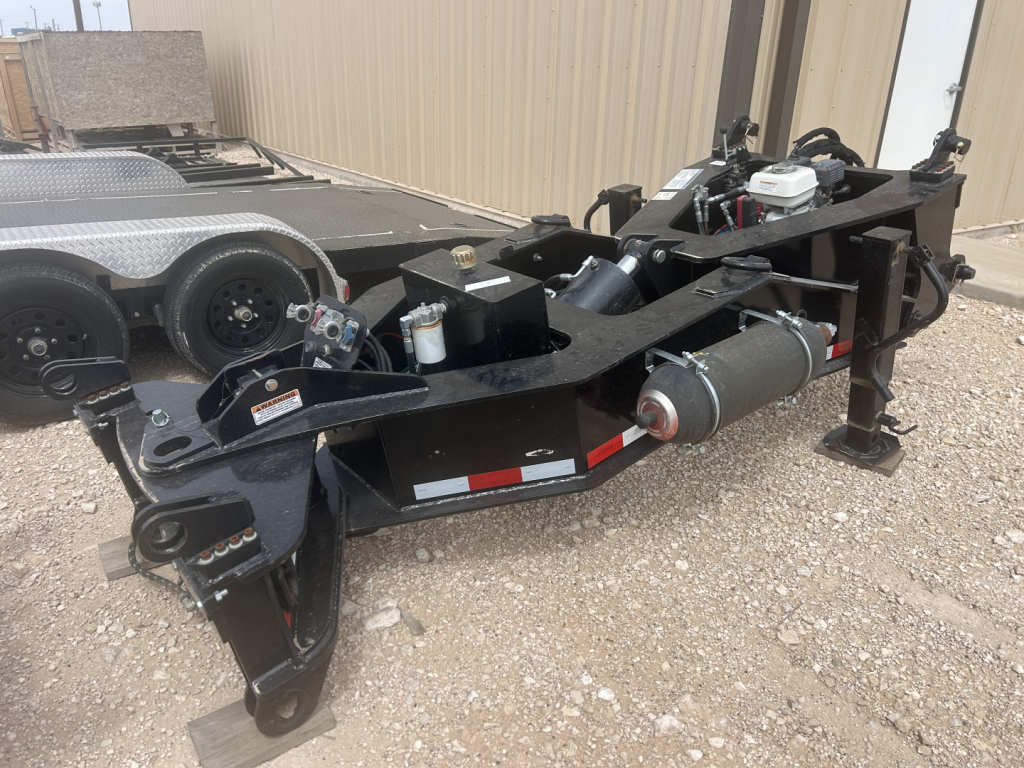
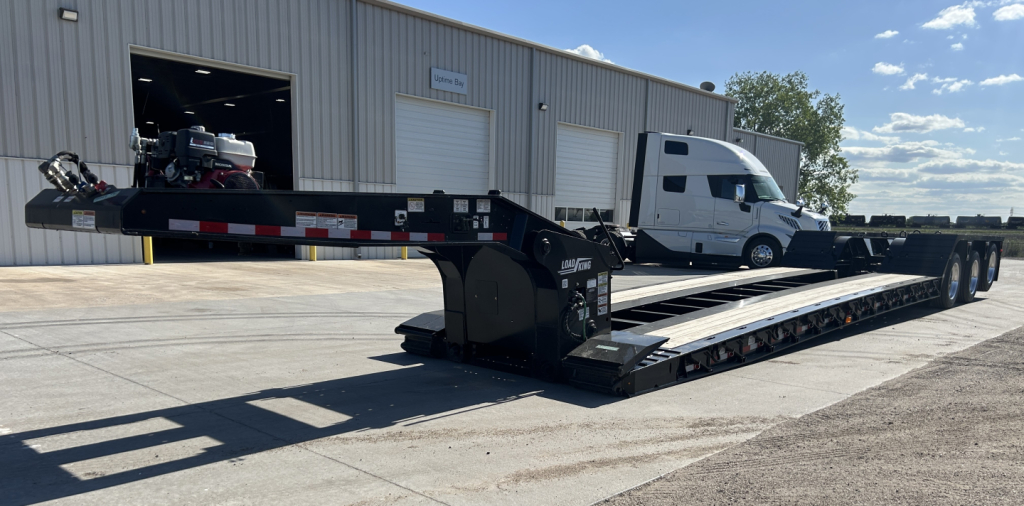
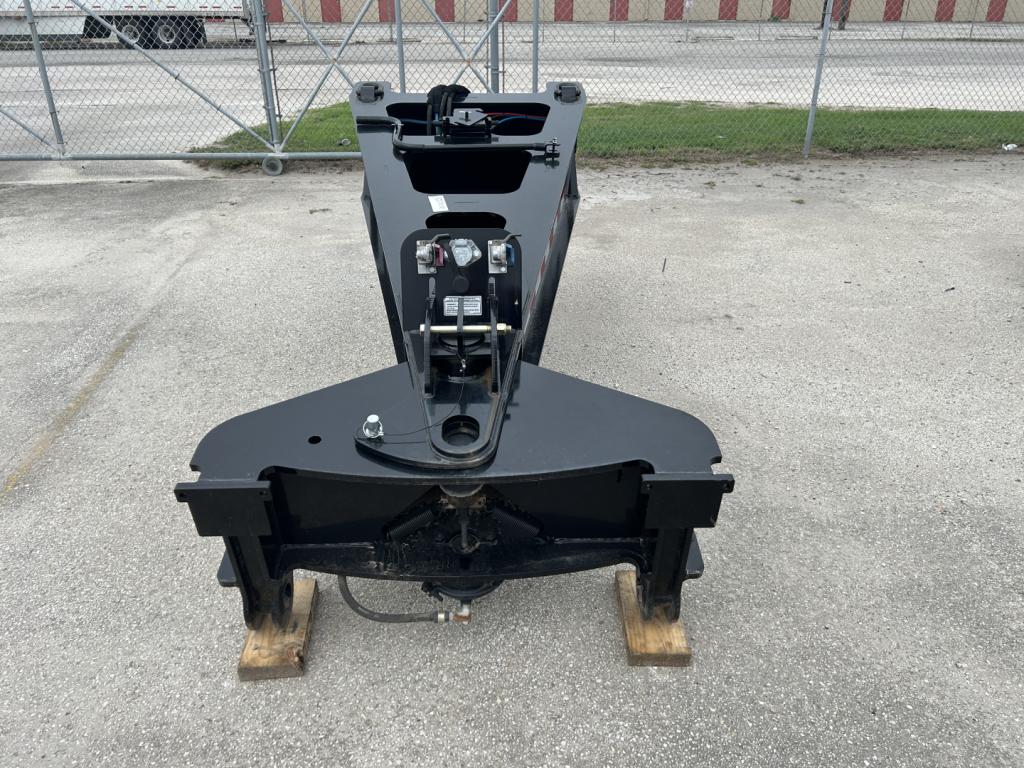
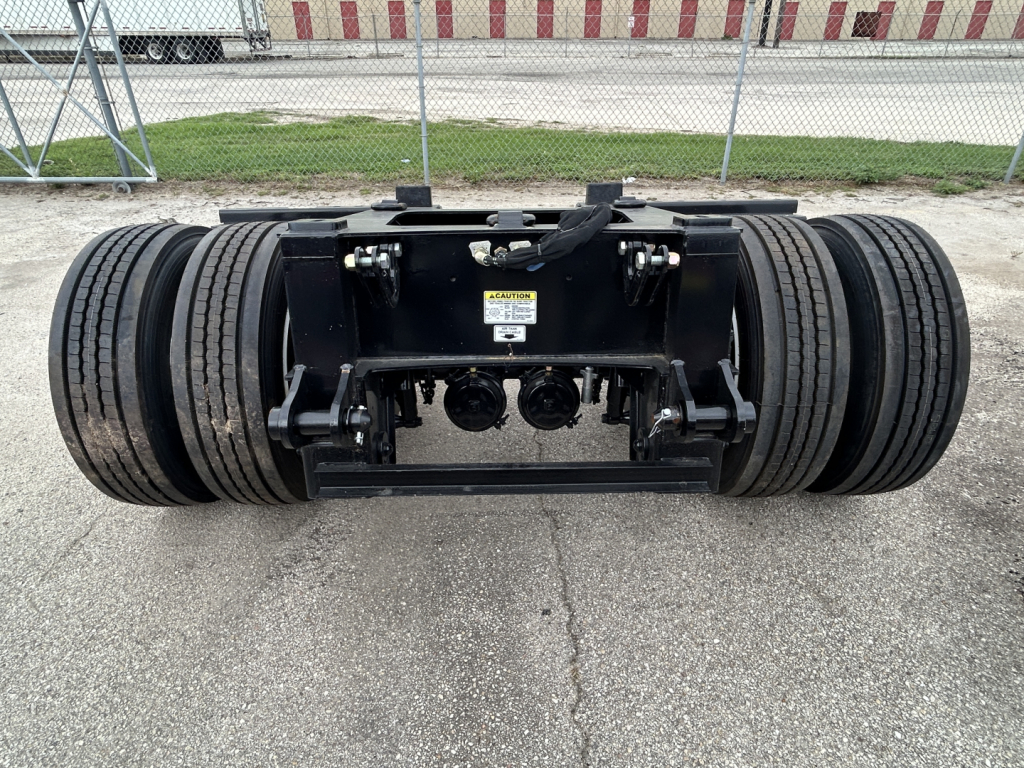
Selling a new load king trailer? List your new load king trailer for sale and reach thousands of commercial buyers.
New Load King Trailers in Kansas
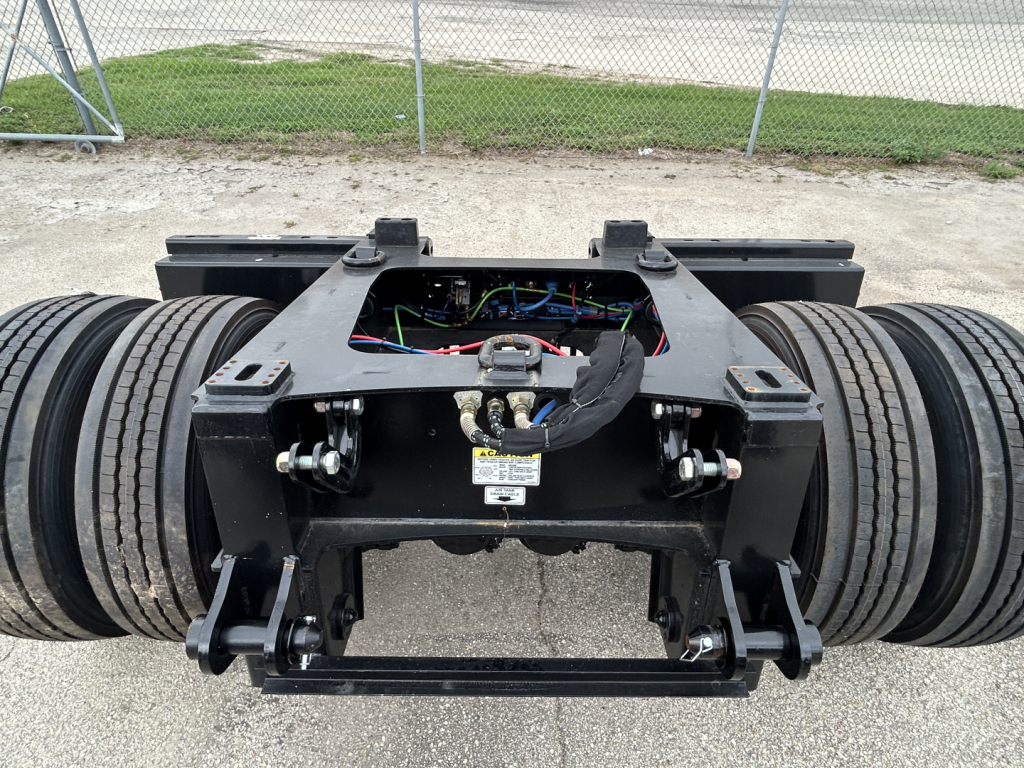
A buyer comparing new Load King trailer equipment should pay close attention to how each component changes overall capacity and bridge spacing. Flip axles and intermediate flip axles are used to increase carrying capability and help meet state weight laws by spreading the load across additional axle positions. Key specs include axle capacity, axle spacing, overall width, suspension type, tire size, wheel material, electrical connections, and compatibility with the base trailer series. On heavy haul setups, details such as 54-inch to 60-inch axle spacing, 27,500 lb. axle ratings, air ride suspension, independent leveling valves, and suspension isolation kits can directly affect ride quality, durability, and how easily the unit integrates with the trailer already in operation.
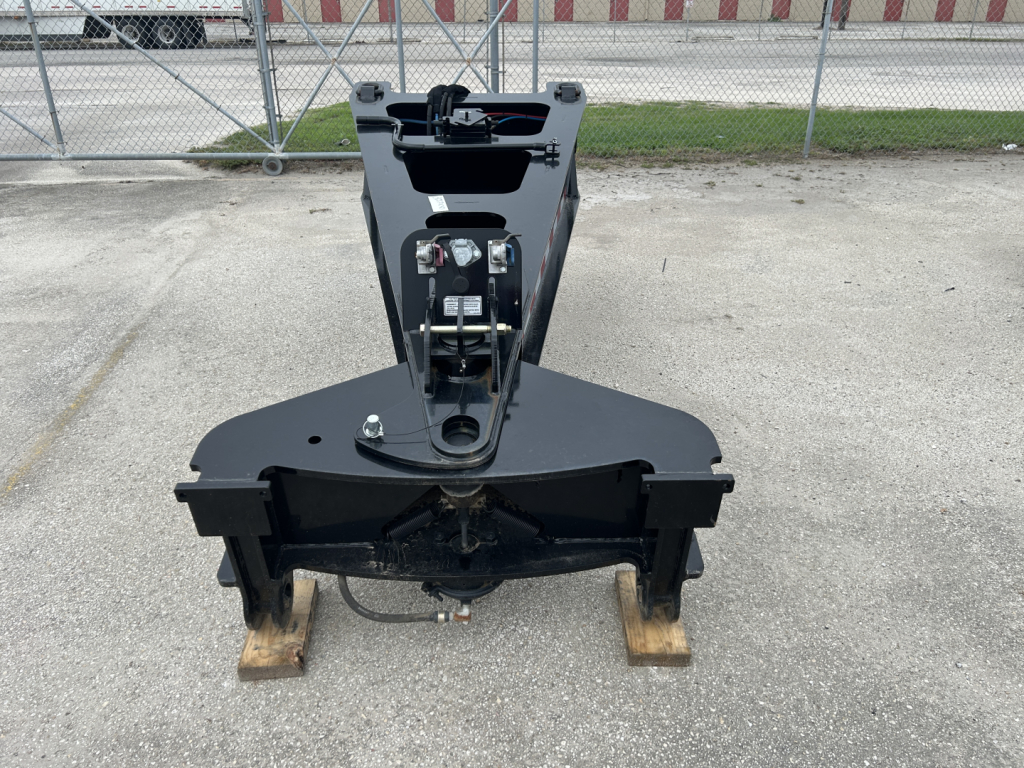
Load King is well known in specialized hauling for building trailer systems that support high-capacity equipment moves. Spreaders are another important piece in this category because they allow one or more flip axles to be positioned farther behind the trailer, increasing bridge measurement and improving legal payload potential. That matters when hauling excavators, dozers, cranes, transformers, or other concentrated loads that can quickly push axle groups over limit if the trailer configuration is not correct. Buyers should also verify deck width compatibility, kingpin-to-axle relationships on the full combination, suspension type, lighting package, and whether the trailer setup is designed around a specific Load King Signature Series or 55-ton to 60-ton platform.
For a new trailer purchase, the main decision is less about brand familiarity and more about system fit. A well-matched Load King configuration can improve permit efficiency, reduce rework in the field, and make it easier to adapt one trailer to multiple jobs. Look closely at rated tonnage, intended load type, flip axle quantity, connector style, and any dimensional limits that affect escort, route planning, or deck loading. For fleets running specialized heavy haul in Kansas and surrounding states, these details usually determine operating cost and legal flexibility more than the trailer's base price alone.
Frequently Asked Questions about New Load King Trailers in Kansas
What types of new Load King trailers are common in this category?
This category often includes specialized heavy haul trailer components and configurations such as flip axles, intermediate flip axles, and spreaders designed to work with Load King lowboy and heavy haul platforms. These are not standard van or flatbed trailers. They are part of a modular hauling system used to increase legal payload capacity, improve bridge spacing, and adapt the trailer to different load requirements.
Why does flip axle spacing matter on a Load King trailer setup?
Flip axle spacing affects both weight distribution and bridge compliance. Greater spacing between the rear trailer axle group and the added axle can help a load qualify for higher legal weights under state bridge formulas. It also changes how the trailer handles concentrated loads. Buyers should compare axle spacing carefully because a few inches can matter when matching a trailer system to permit requirements and typical load dimensions.
What specs should I check first on a new Load King heavy haul trailer component?
Start with axle rating, suspension type, width, axle spacing, tire size, and trailer-series compatibility. On specialized Load King equipment, those specs determine whether the component will integrate correctly with the base trailer and whether it will perform as expected under load. Air ride suspension, wheel type, leveling valves, and lighting packages also matter because they affect ride quality, service life, and roadability.
Are Load King spreaders and flip axles only for maximum weight hauling?
Not strictly. They are most often used for higher-capacity or permit loads, but their value is really in flexibility. A spreader or flip axle can help tailor the trailer to a specific machine, axle weight profile, or route restriction. That means the equipment can improve legal configuration options even when the load is not at the absolute maximum rating of the trailer system.
What should Kansas buyers consider when choosing a new Load King trailer configuration?
Kansas buyers should consider how the trailer will operate across state lines, what permit environments are most common for their freight, and how often the setup will carry concentrated construction or oilfield loads. Width, axle spacing, and the ability to add or reposition axle groups are especially important in this market. It is also smart to confirm that the trailer configuration aligns with the fleet's tractors, loading method, and the dimensions of the equipment being hauled.