
New Load King Other Trailers For Sale in Kansas
New Load King other trailers for sale, including spreader and specialty trailer components for heavy haul configurations and axle spacing needs.
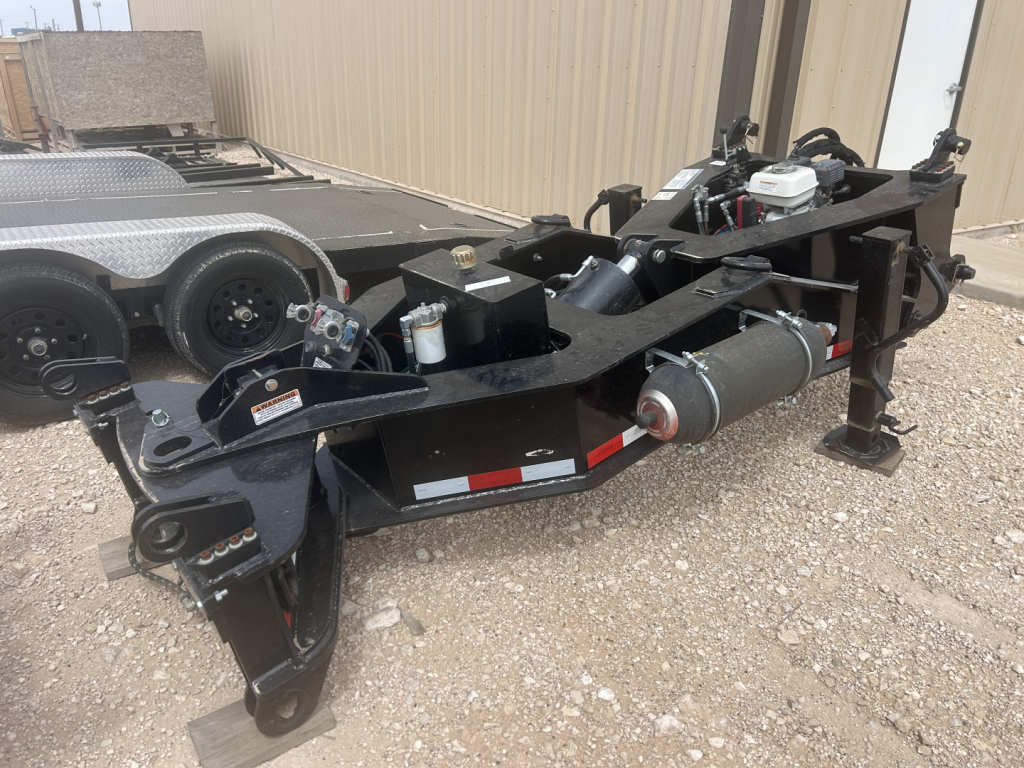
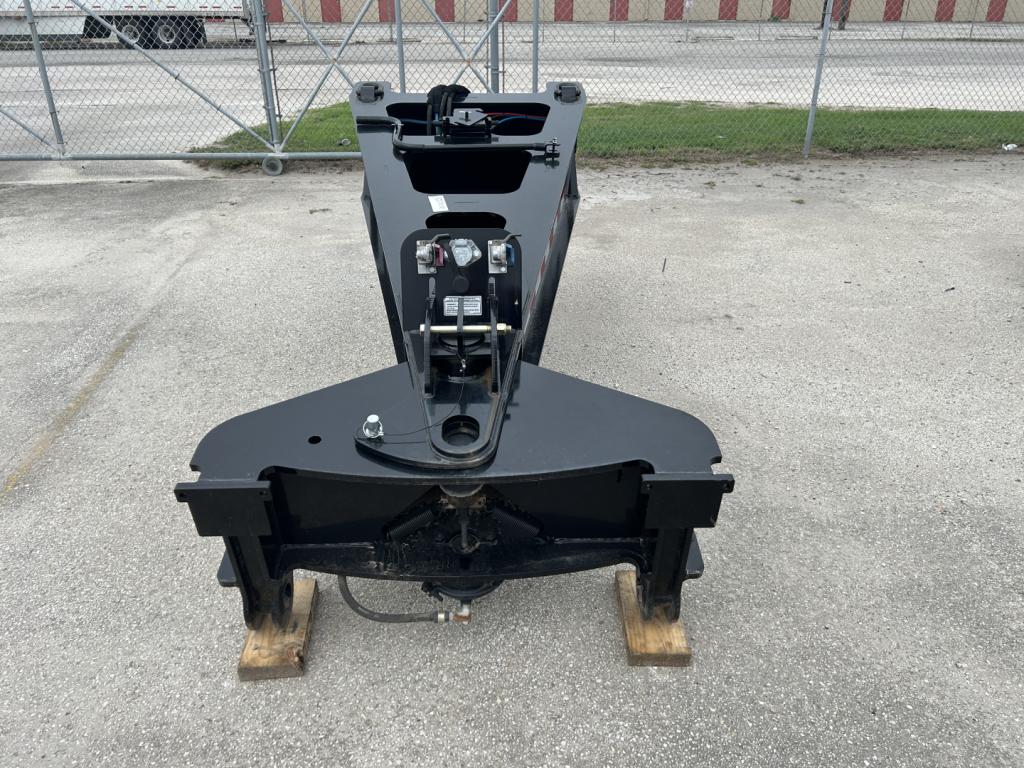
Selling a new load king other trailer? List your new load king other trailer for sale and reach thousands of commercial buyers.
New Load King Other Trailers in Kansas
A spreader setup changes how a trailer combination carries weight and how the axle group is positioned behind the main trailer. On heavy equipment moves, that can be the difference between a legal permit configuration and a costly limitation on route options. Key details to compare include compatibility with the base trailer series, intended deck width such as 8-foot-6 or 9-foot configurations, allowed spacing from the rear trailer axle to the flip axle, and whether the unit is built for single-flip or dual-flip operation. Buyers should also confirm connection style, structural ratings, and how the setup integrates with existing jeep, booster, or flip axle equipment if the trailer will be part of a larger multiaxle combination.
Load King has a strong reputation in the heavy haul market, and these specialty trailer components are typically chosen by operators moving construction equipment, oversize machinery, and concentrated loads that require flexible axle group arrangements. In Kansas and surrounding states, that flexibility can be especially important because permit rules, axle weight thresholds, and route restrictions vary by state and by load type. A buyer comparing new units should look closely at how the component supports expected load classes, turning radius requirements, and overall combination length once the trailer is built out for real-world hauling.
The best buying decision usually comes down to application fit. If the trailer will spend most of its time under larger excavators, cranes, or other high-piece-weight freight, spread and flip-axle compatibility should be treated as a core spec, not an accessory detail. It is also smart to evaluate future fleet standardization, since matching heavy haul components across Load King equipment can simplify parts support, permitting prep, and driver familiarity. For buyers in this category, the value is in legal payload flexibility, correct axle spacing, and a setup that supports the exact configuration the work demands.
Frequently Asked Questions about New Load King Other Trailers in Kansas
What is a Load King spreader trailer component used for?
A Load King spreader component is used to extend axle spacing and support specific flip axle configurations on a heavy haul trailer setup. Its main purpose is to improve load distribution and help the trailer combination meet bridge and permit requirements for oversize or overweight hauling.
Why does axle spacing matter on heavy haul trailer configurations?
Axle spacing matters because it directly affects weight distribution, bridge formula compliance, and permit eligibility. On concentrated loads, the distance between the rear trailer axle group and a flip axle can determine how much weight can be carried legally and which routes are available for the move.
How do I know if a specialty Load King trailer component will fit my trailer?
Fitment starts with the base trailer model, deck width, rated capacity, and the axle arrangement the component was designed to support. Buyers should verify compatibility with the specific Load King trailer series, confirm whether the setup is intended for one or two flip axles, and check all connection and spacing specifications before purchase.
Are these considered full trailers or heavy haul attachments?
In many cases, units listed in the other trailer category are specialty heavy haul attachments or configuration components rather than complete standalone trailers. A spreader, for example, is part of a larger trailer combination and should be evaluated based on how it works within the complete hauling setup.
What should a buyer in Kansas pay attention to when choosing a new heavy haul trailer component?
A Kansas buyer should focus on permit-related axle spacing, overall combination length, expected load weights, and compatibility with the rest of the heavy haul equipment in the fleet. It is also important to consider the states where the trailer will operate, since surrounding jurisdictions may apply different rules for axle group spacing and overweight permits.