
New Load King Trailers For Sale in Colorado
Shop new Load King trailers for sale, including heavy-duty lowboy models with hydraulic detach necks, air ride suspensions, and 55-ton capacity.
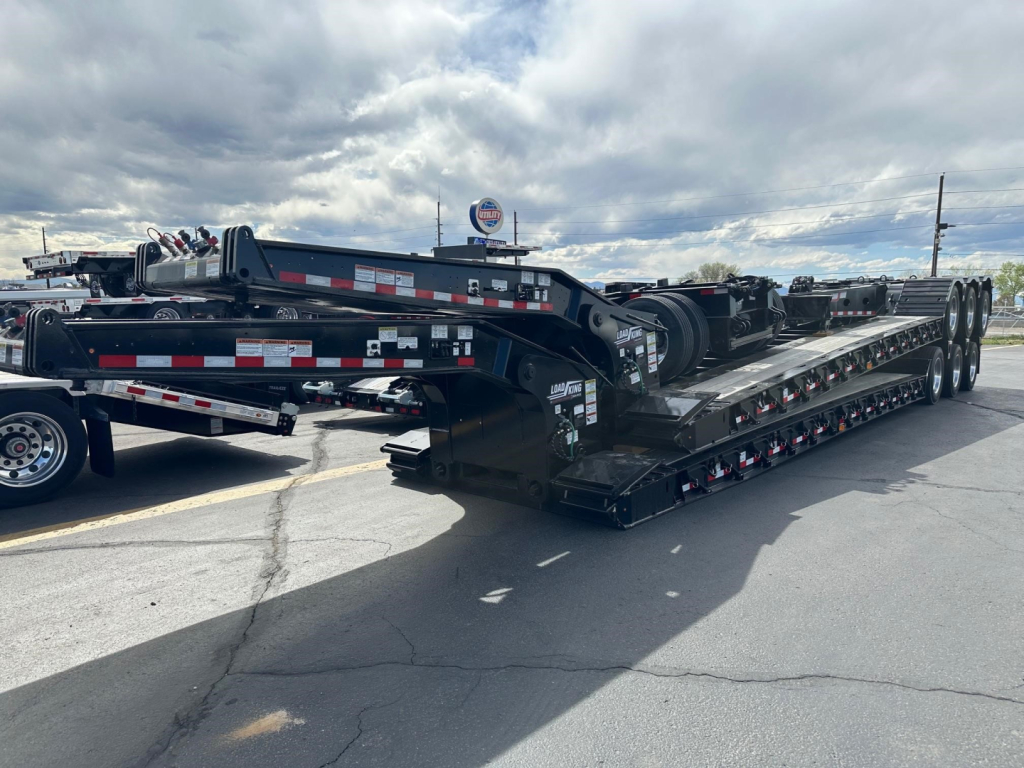
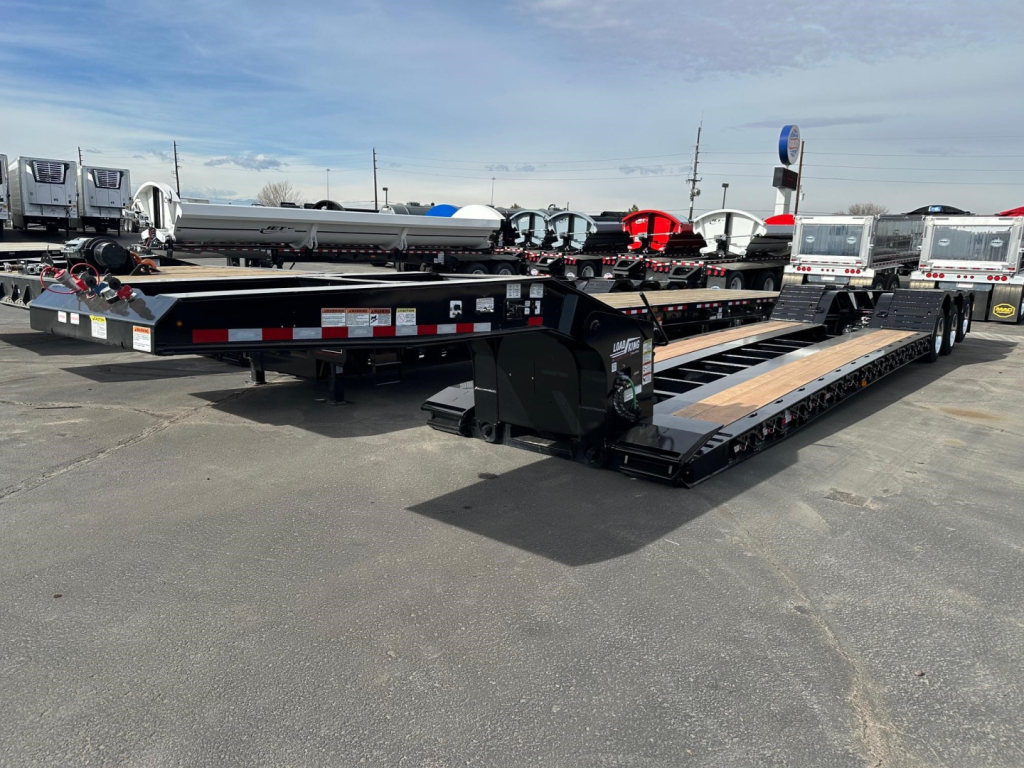
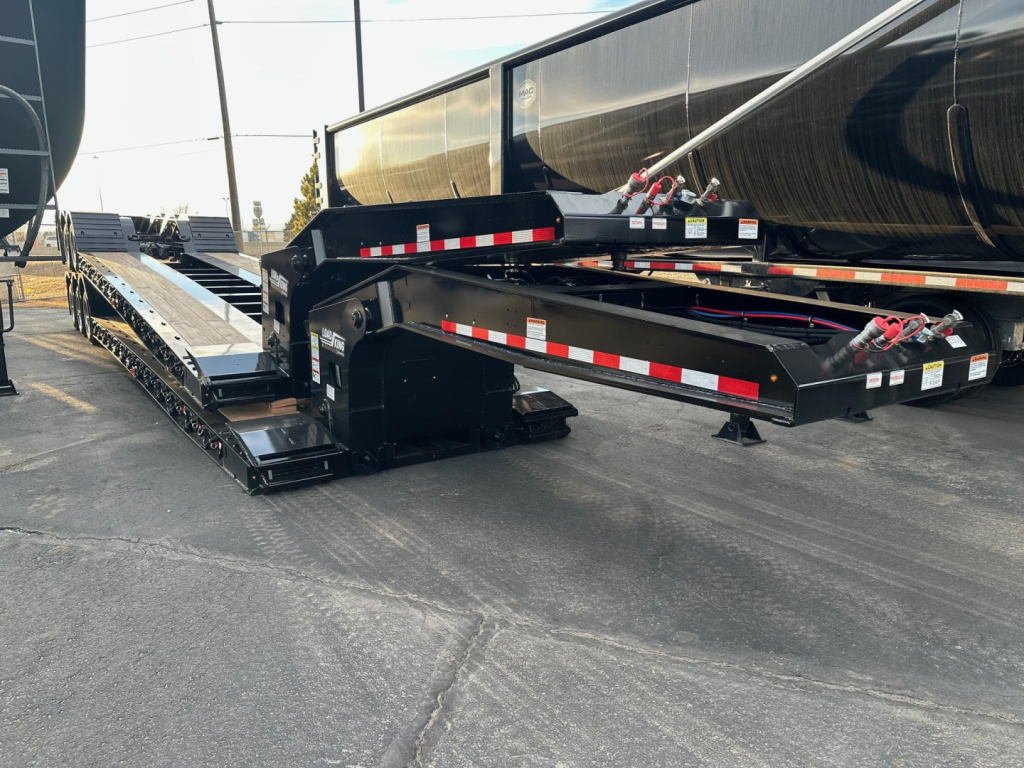
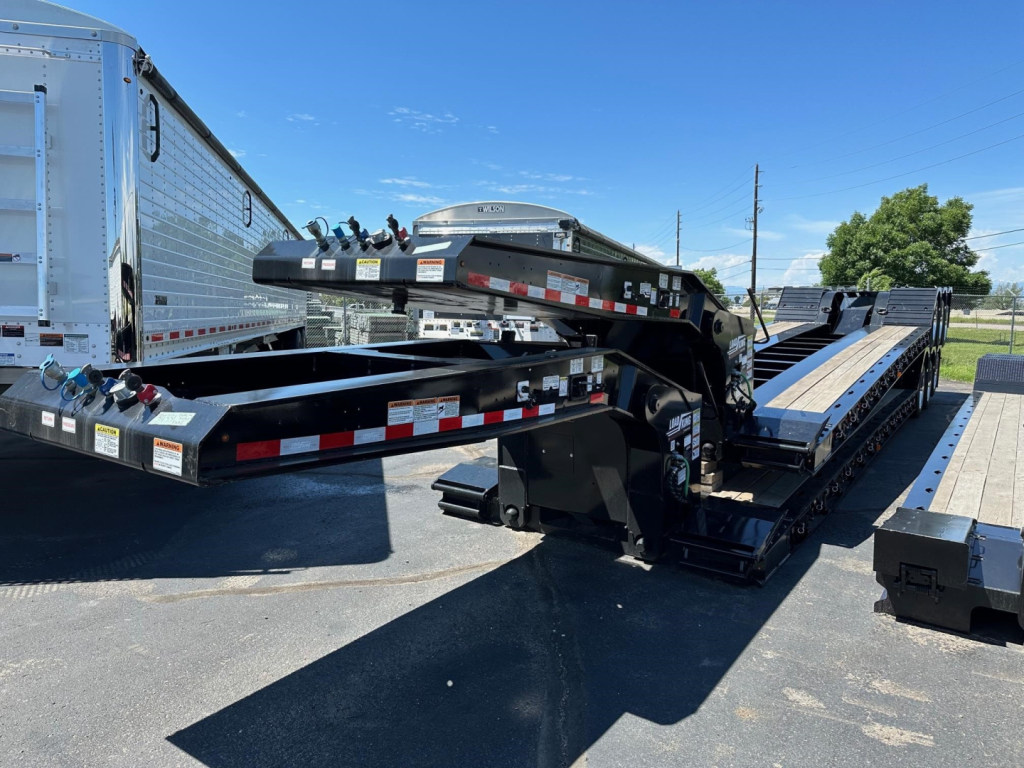
Selling a new load king trailer? List your new load king trailer for sale and reach thousands of commercial buyers.
New Load King Trailers in Colorado
A lot of the buying decision in this category comes down to capacity, deck geometry, and suspension setup. Common specs on new Load King lowboy trailers include 55-ton class ratings, 53-foot overall length, 102-inch width, and 110,000-pound capacity in 12-foot load concentration. Buyers should compare well length, loaded deck height, ground clearance, and neck style carefully because those numbers directly affect what machines can be hauled legally and how easily they can be loaded. Hydraulic detachable scraper necks, multiple kingpin settings, adjustable ride height, front flip ramps, and tapered beams are all features that matter when dealing with varying tractor setups and mixed equipment fleets.
Securement and axle configuration are just as important as headline capacity. Many Load King trailers in this class are spec'd with tri-axle air ride suspensions, lift axle arrangements, 27,500-pound axles, drum brakes, and provisions for future axle additions such as a stinger or fourth axle connections. On the deck, buyers typically want chain slots, bent D-rings, swingout outriggers, load-bearing fenders, and Apitong wood decking because those features improve versatility for odd-shaped equipment and help the trailer hold up under hard daily use. Tire size, axle spacing, and wheel material also deserve attention, especially for fleets managing bridge law, maintenance cost, and tare weight.
For Colorado operators, terrain and route planning make trailer spec even more important. Mountain grades, jobsite access, and seasonal road conditions put extra value on stable air ride setups, strong neck hydraulics, and practical deck heights. New Load King trailers are generally chosen by contractors, heavy equipment transporters, and municipalities that need a purpose-built trailer instead of a general freight platform. When comparing listings, focus less on paint and trim and more on load concentration rating, neck swing, ride height adjustment, deck length, axle spread, and the trailer's readiness for future configuration changes.
Frequently Asked Questions about New Load King Trailers in Colorado
What is the typical capacity of a new Load King lowboy trailer?
Many new Load King lowboy trailers are built in the 55-ton class, with examples commonly rated around 110,000 pounds in a 12-foot load concentration. That load concentration figure matters because it reflects how the trailer carries heavy equipment with weight focused over a shorter section of the deck, which is common with tracked machines, loaders, and dozers. Buyers should always confirm whether the stated rating matches their actual machine weights, attachment weights, and axle group requirements.
Why does a hydraulic detachable neck matter on a Load King trailer?
A hydraulic detachable neck allows the trailer to drop for ground-level loading, which makes it easier and safer to load self-propelled equipment. It also speeds up loading cycles on jobsites where operators are moving machines multiple times per week. For heavy-haul buyers, neck design affects loading angle, tractor compatibility, neck swing, and serviceability, so it is one of the most important specs to review on a new lowboy.
What deck and securement features should buyers look for on a Load King lowboy?
Useful deck features usually include Apitong decking, chain slots, bent D-rings, swingout outriggers, front flip ramps, and load-bearing fenders. These details improve how the trailer handles different machine widths, attachment styles, and tie-down patterns. A strong securement layout is especially important for fleets hauling mixed equipment because it reduces loading compromise and helps drivers tie down equipment correctly without fighting the trailer layout.
Is air ride a good choice on a heavy equipment trailer?
Air ride is a common and desirable suspension setup on new heavy-haul trailers because it improves ride quality, helps protect both trailer and cargo, and can support ride height adjustment for loading and transport. On a lowboy, adjustable ride height can be useful when dealing with uneven jobsites, changing deck angles, or maintaining proper running height under load. Buyers should still compare axle ratings, lift axle function, and maintenance access because suspension performance is only one part of the overall trailer spec.
What matters most when comparing new Load King trailers in Colorado?
Colorado buyers should pay close attention to deck height, ground clearance, axle spacing, suspension stability, and overall trailer geometry. Mountain routes and uneven jobsites can expose weaknesses in a trailer spec quickly, especially when hauling tall or concentrated loads. A trailer that looks similar on paper may perform very differently depending on neck style, well length, ride height adjustment, and whether it is prepped for additional axle configurations later.