
Hopper Trailers For Sale
Shop hopper trailers for grain and bulk commodities. Compare aluminum and steel specs, side height, hopper design, suspension, and tarp setup.
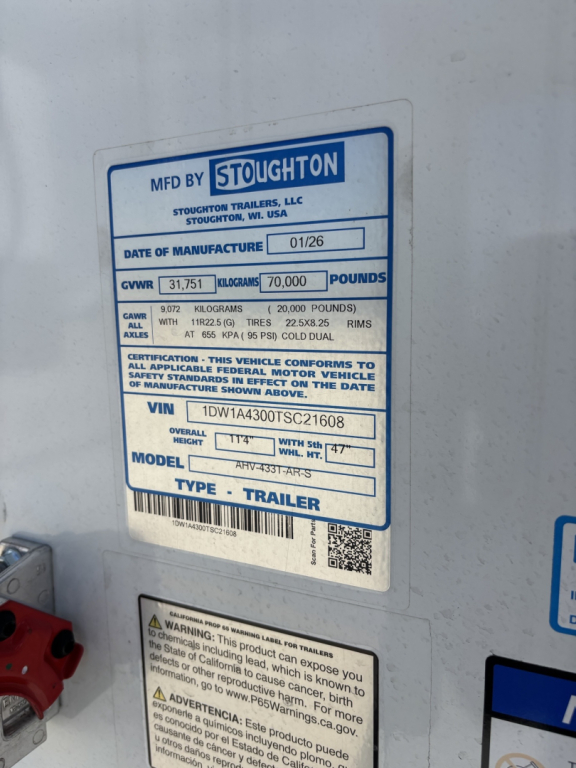
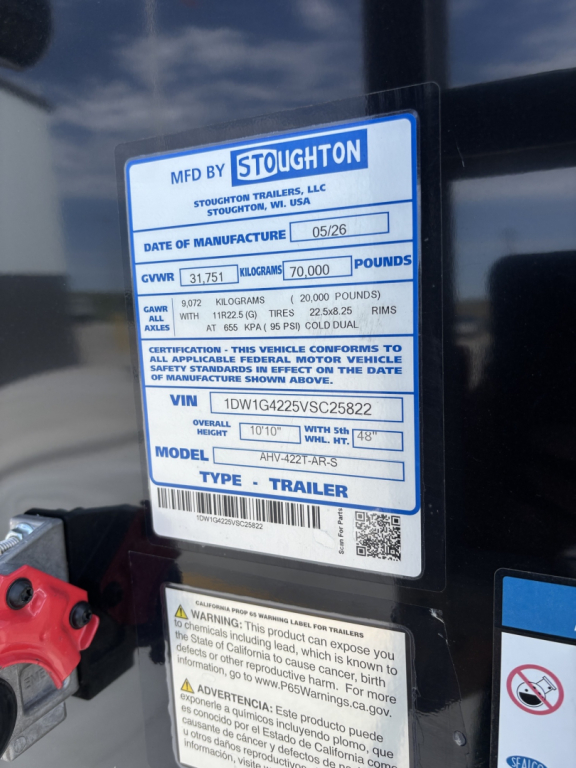
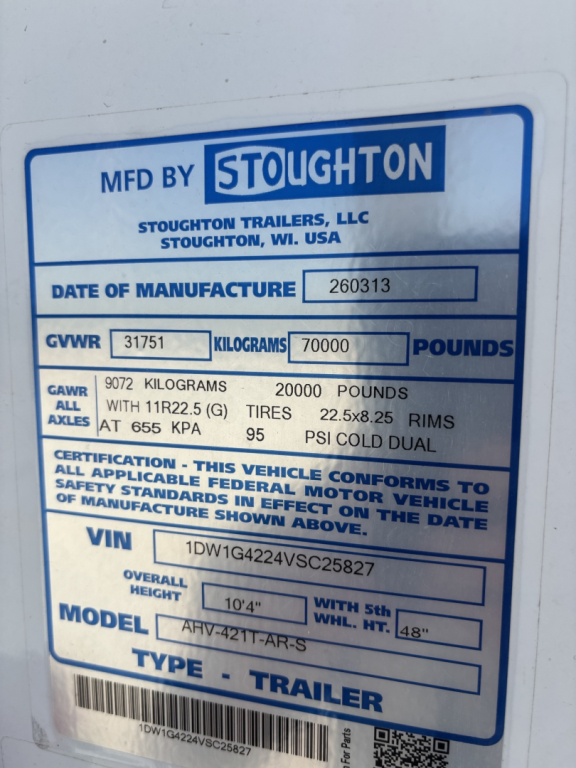
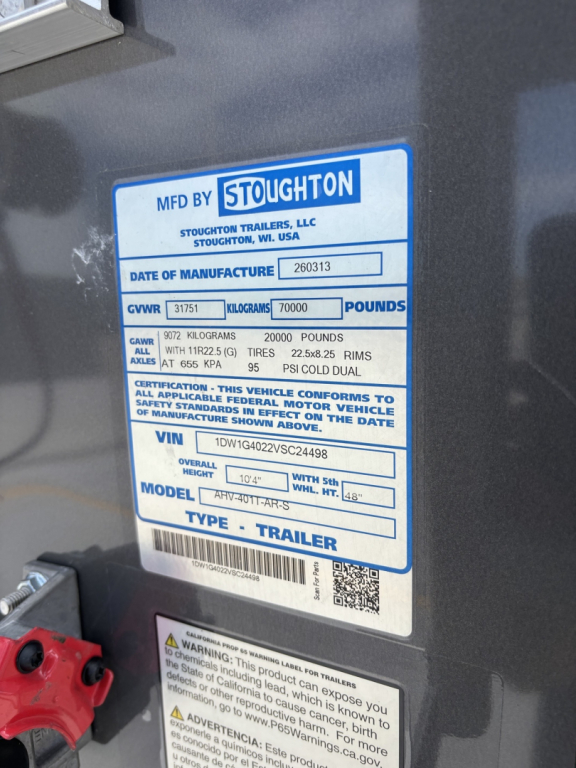
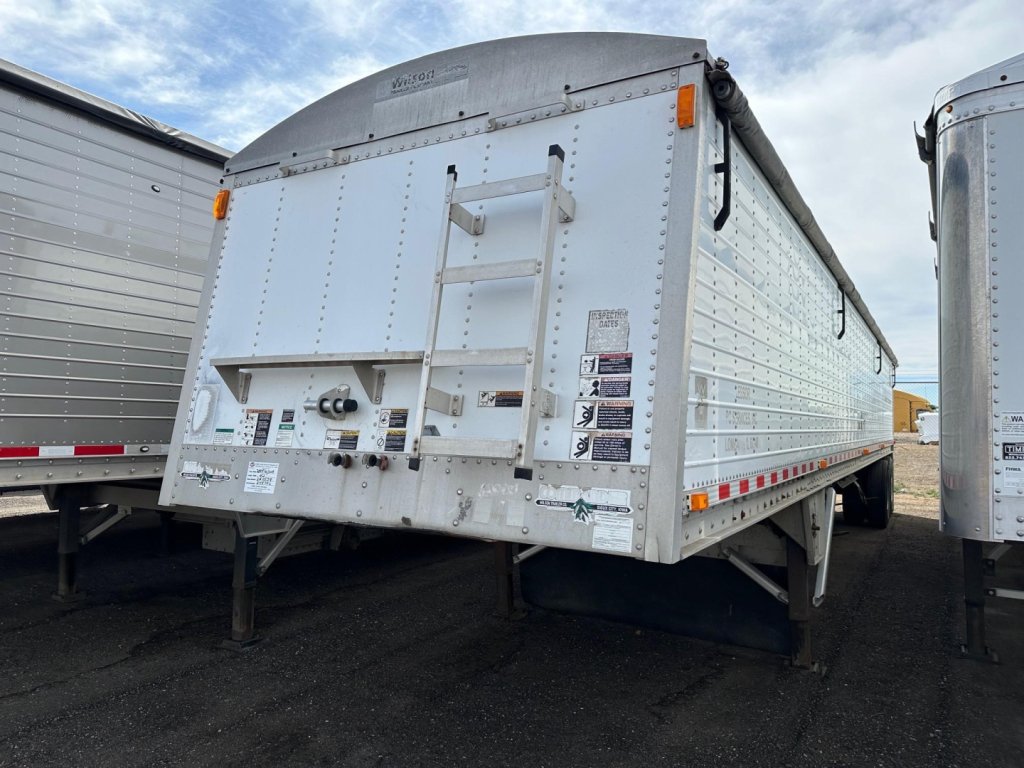
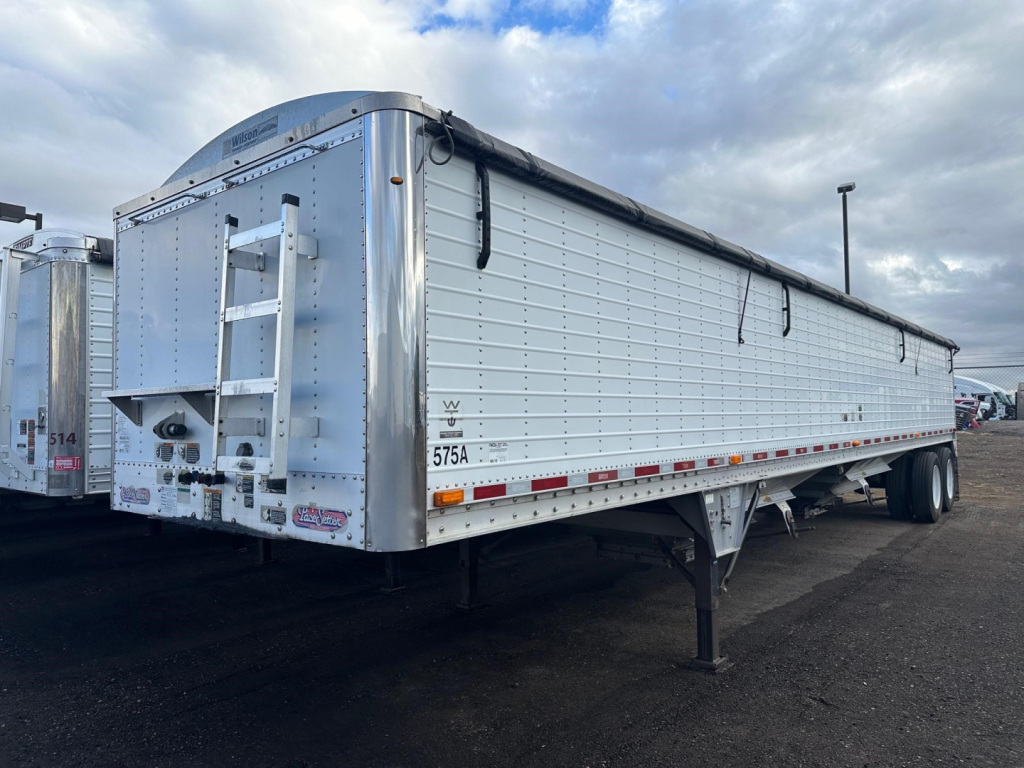
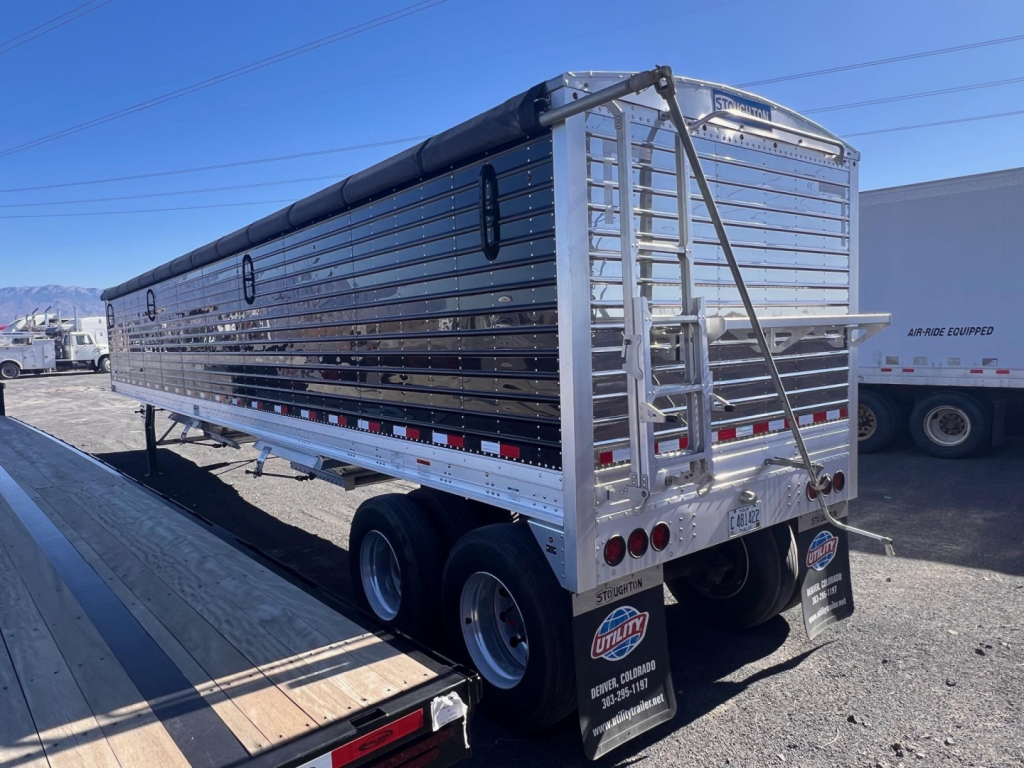
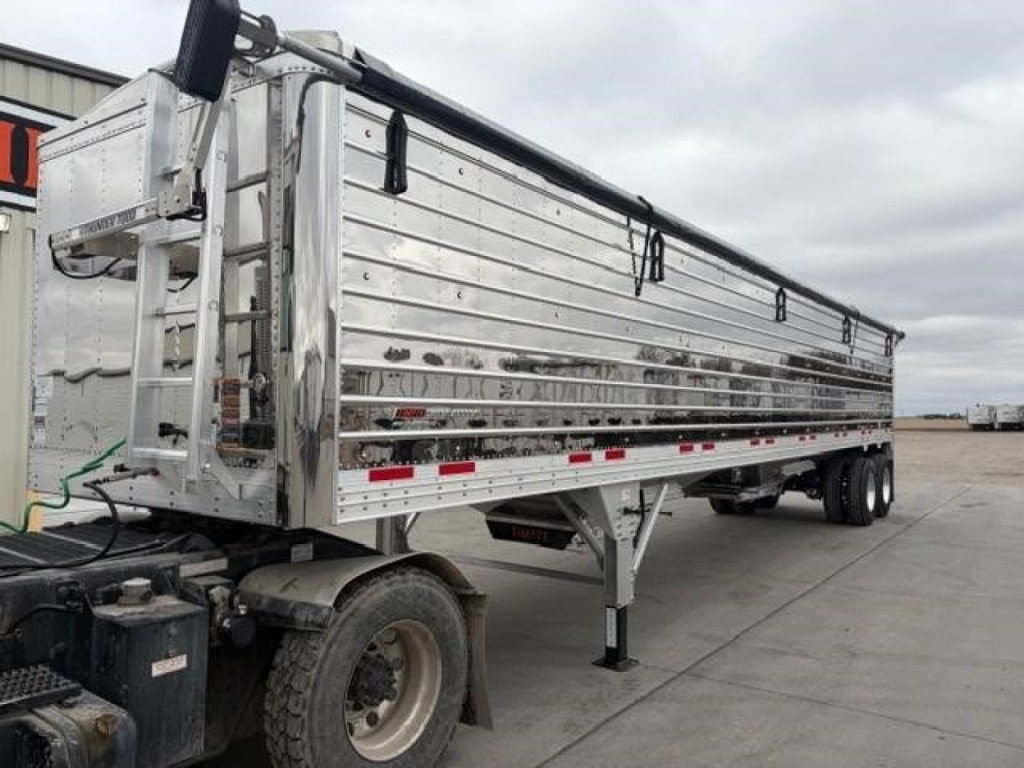
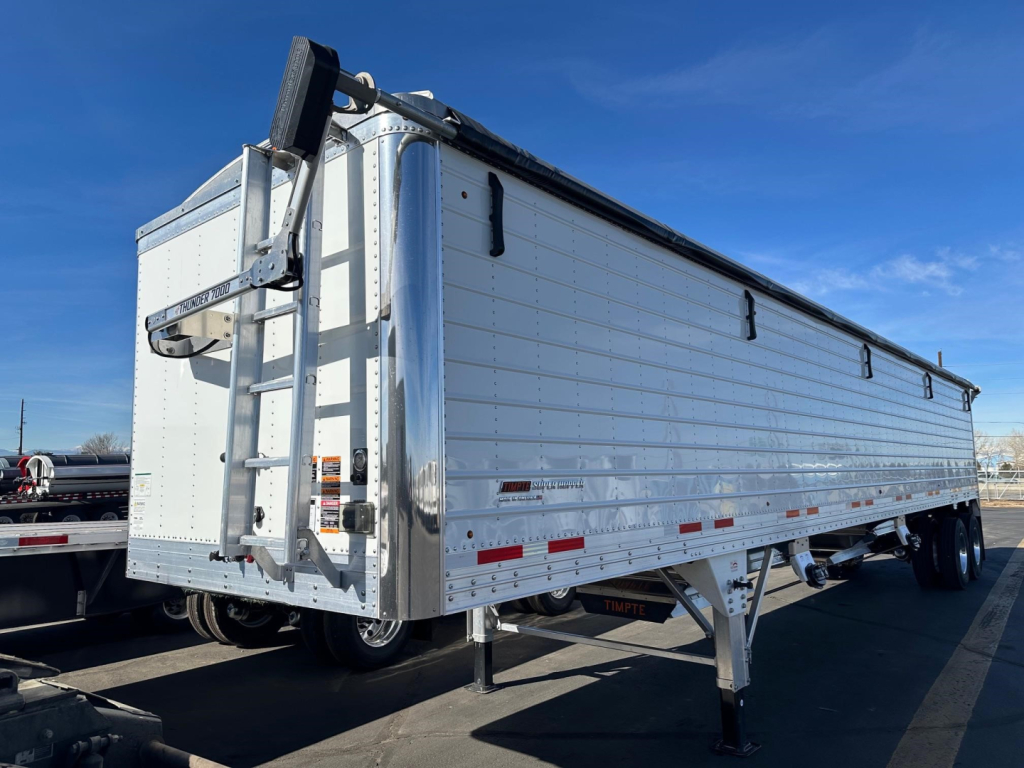
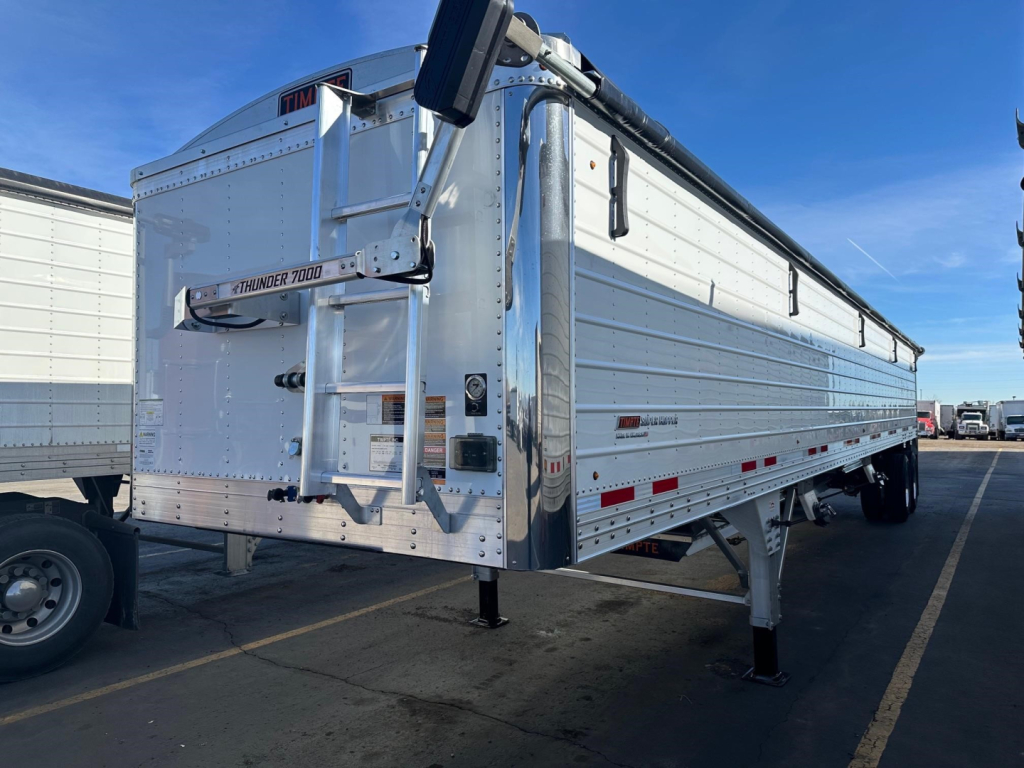
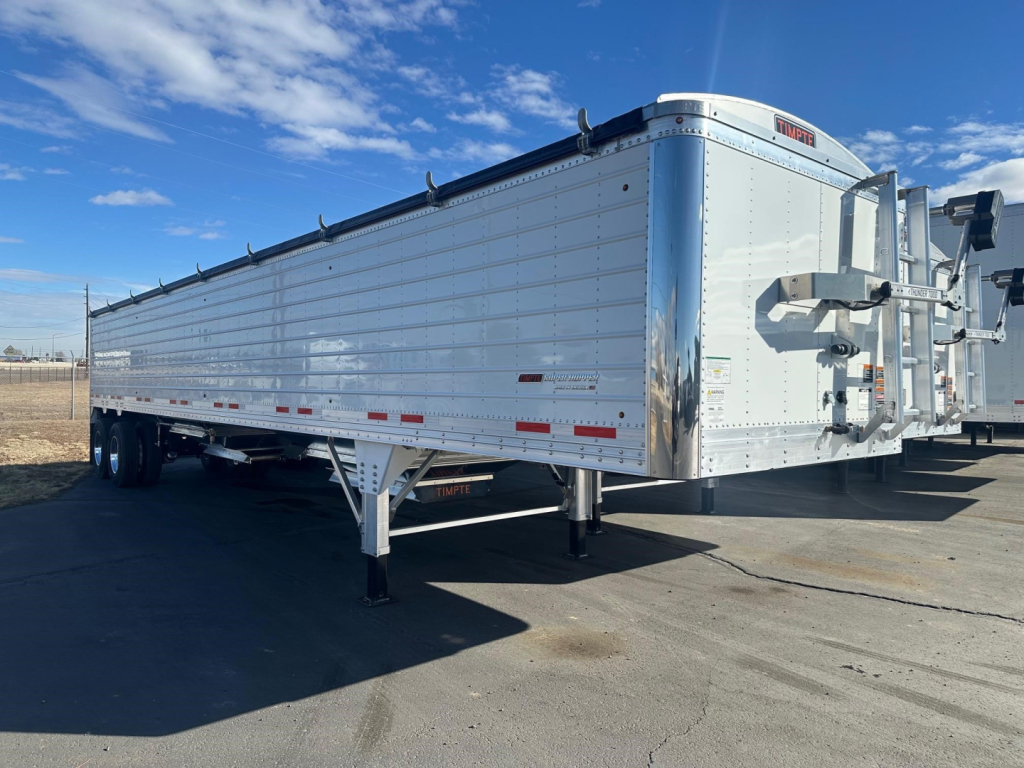
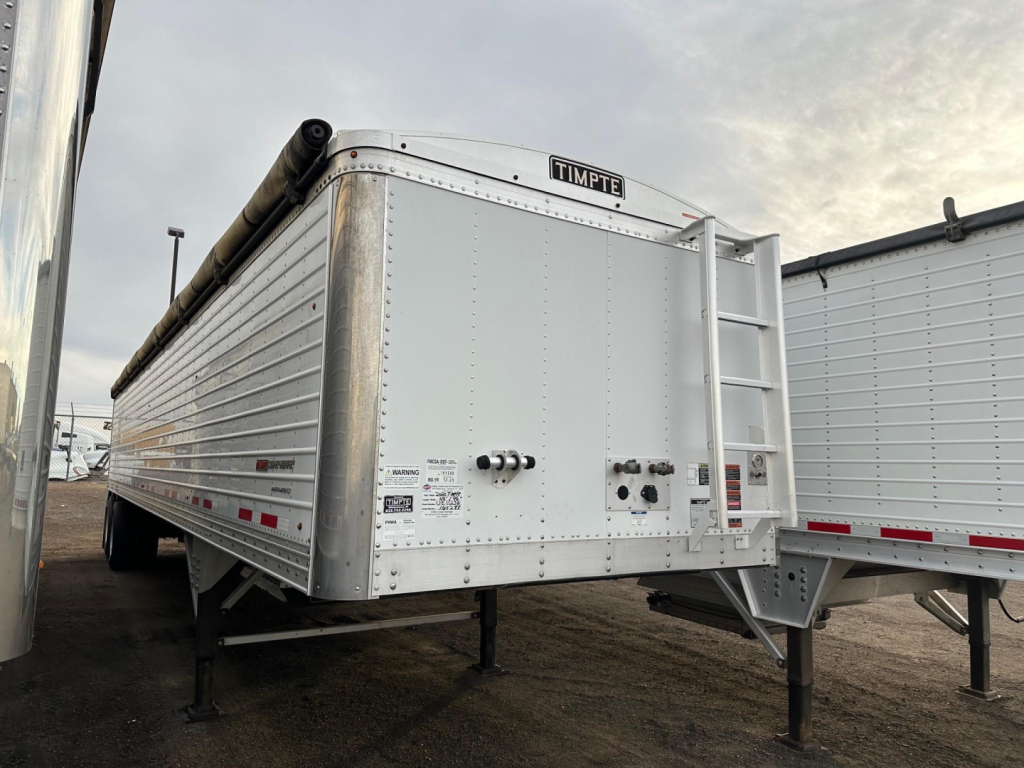
Showing 29 to 52 of 52 results
Have hopper trailer to sell? List it here to reach thousands of buyers.
Hopper Trailers
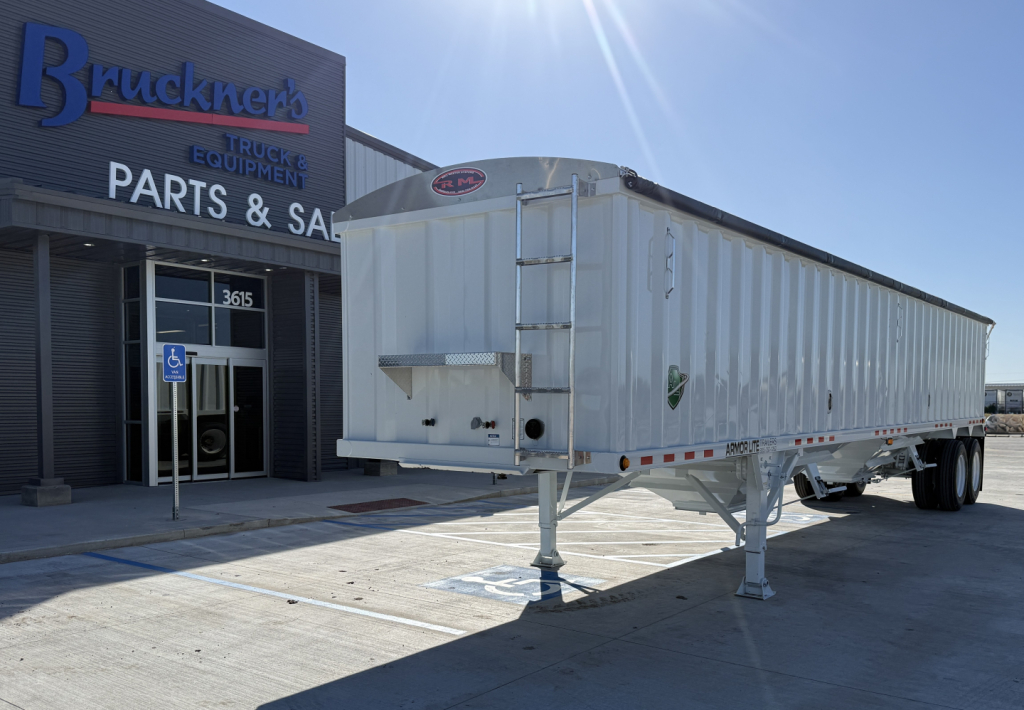
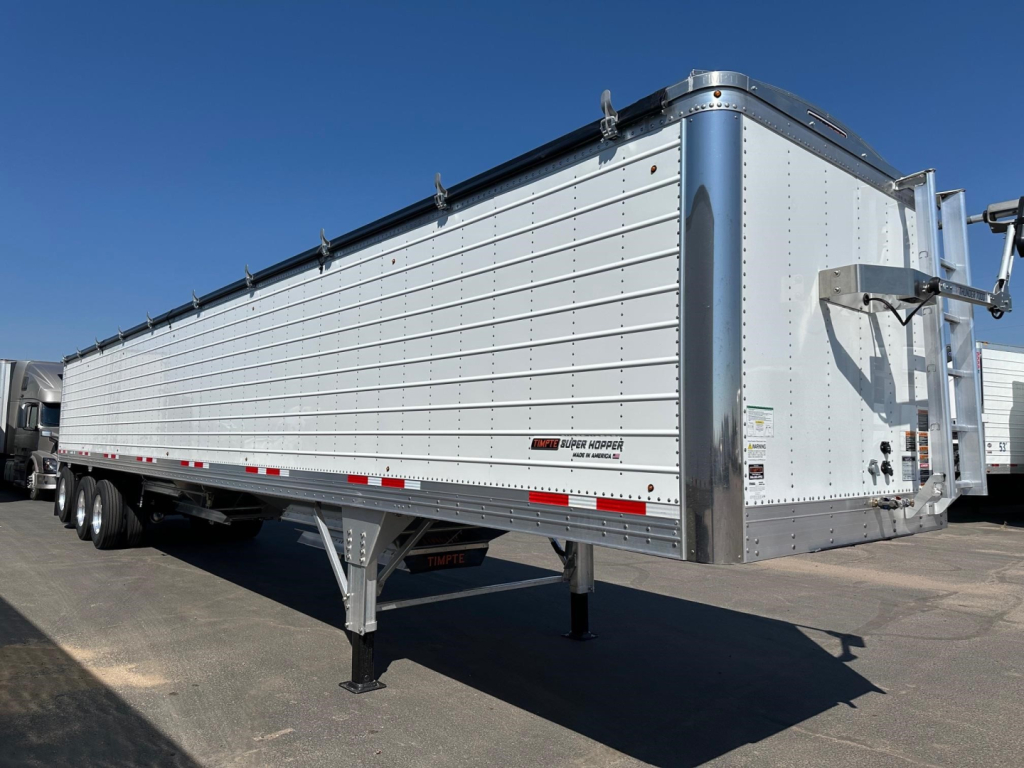
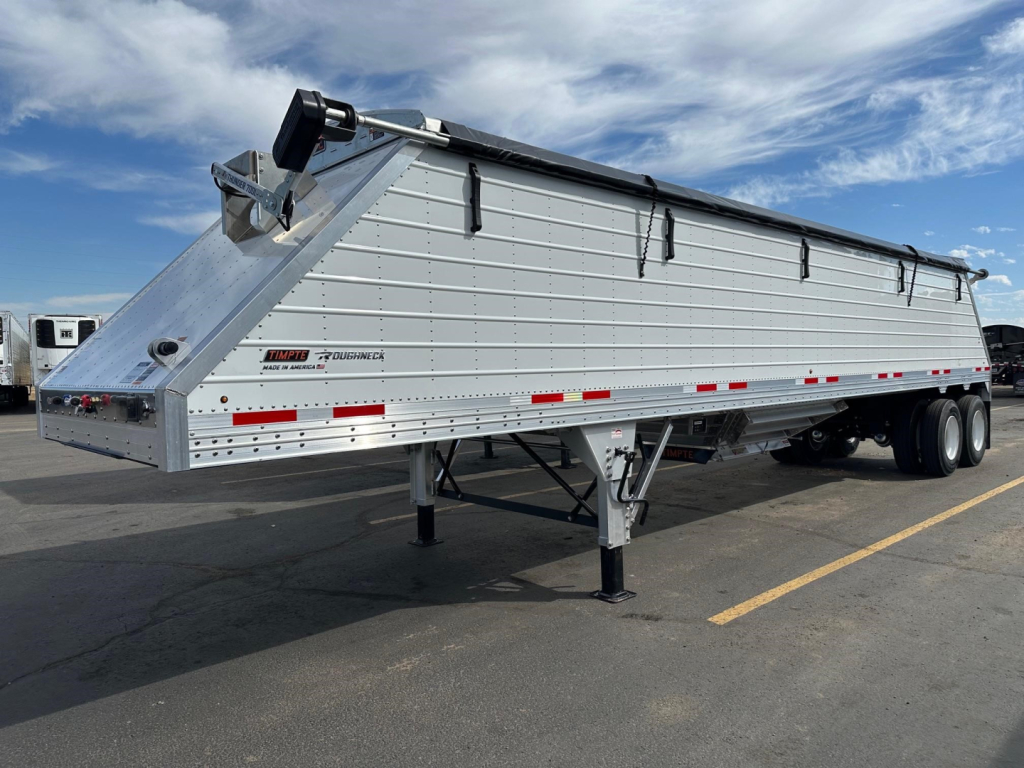
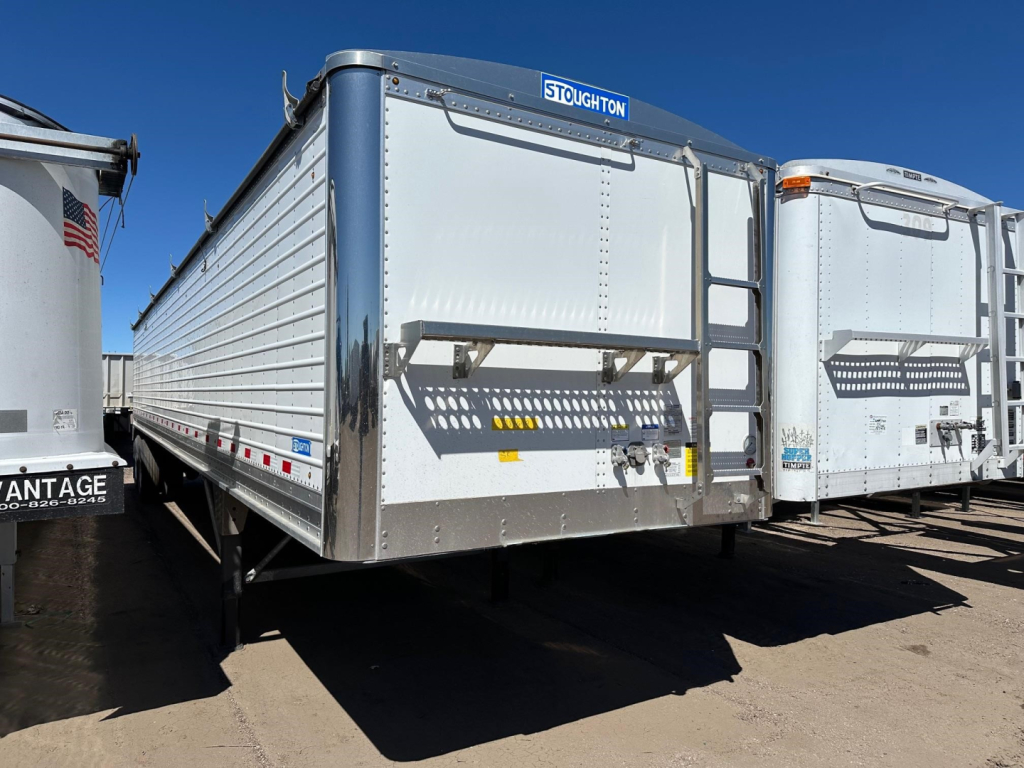
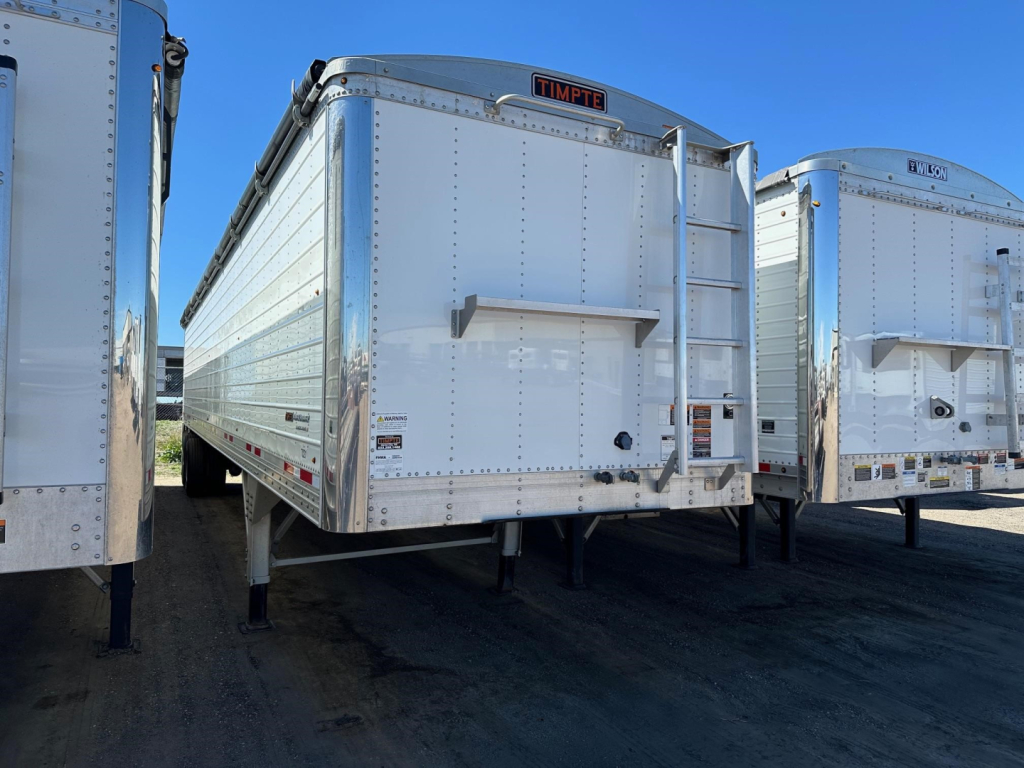
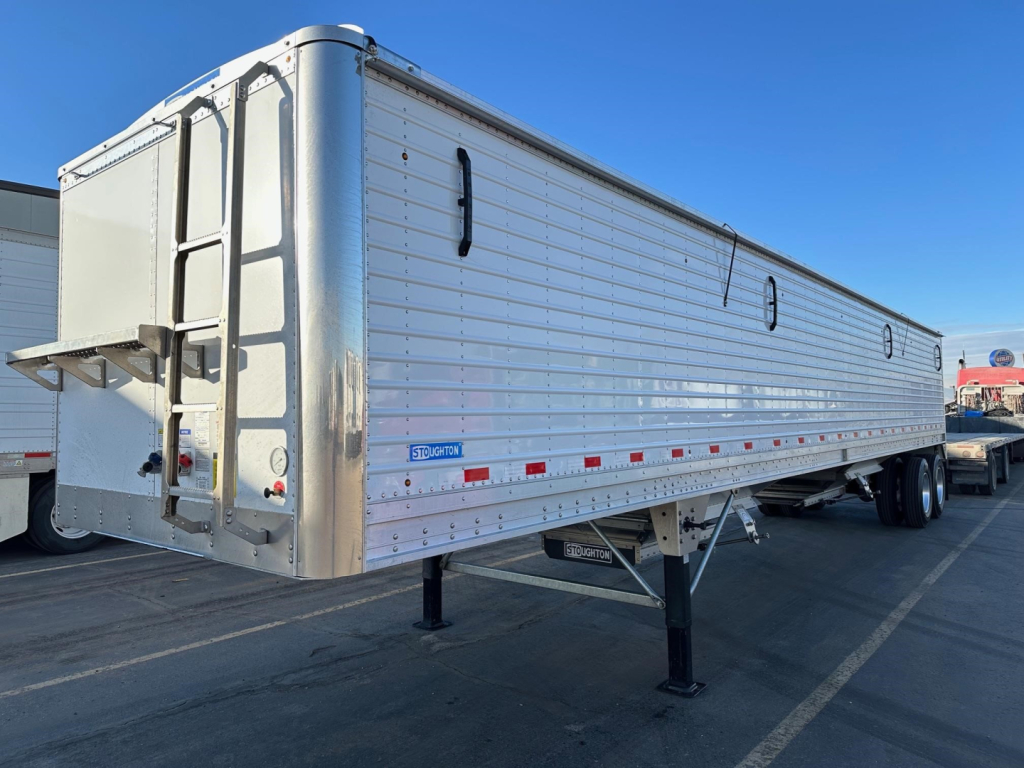
Side height and trailer length tell you a lot about how a hopper will fit your work. Common side heights in this class run roughly 70 to 79 inches, with capacities often ranging from about 1,400 cubic feet on shorter steel units to significantly more on larger aluminum models. If you haul lighter commodities like corn or soybeans, higher sidewalls can help maximize volume. If you load denser products, legal gross weight becomes the limiting factor before cube, so empty weight and suspension spec matter more. Buyers should also pay attention to hopper opening size, trap operation, ground clearance, and how the trailer is configured for different pits and auger setups. Manual traps and manual roll tarps are still common because they are simple and easy to maintain, but the quality of the mechanism makes a difference in daily use.
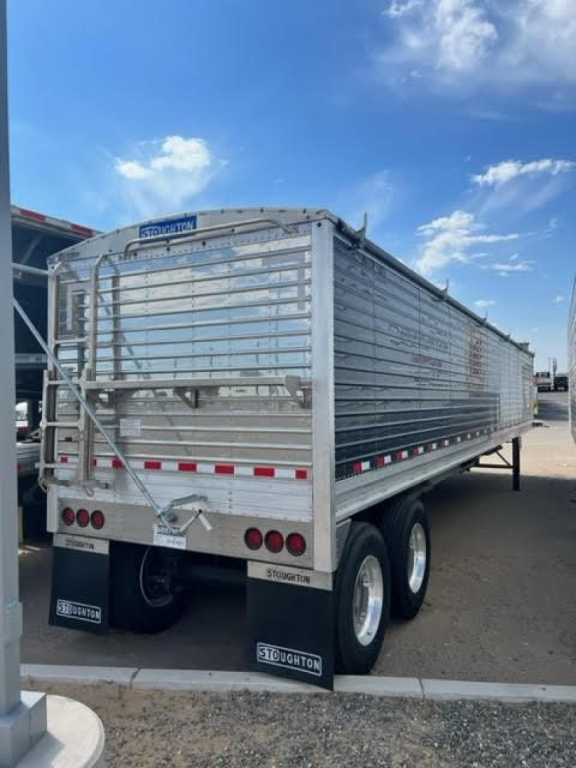
Suspension, wheel package, and running gear affect both ride quality and maintenance cost. Air ride closed tandems are popular on late-model grain hoppers because they help protect the trailer and cargo on rough secondary roads while improving stability under load. Spring ride still has a place, especially on value-driven steel trailers. Tire sizes such as 11R22.5, 11R24.5, and low-profile 22.5-inch rubber are common, with outside aluminum and inside steel wheel combinations frequently used to balance appearance, weight, and cost. Look closely at landing gear, lighting, sealed wiring, brake condition, and the condition of wear points around the hopper gates and suspension mounts. On aluminum trailers, inspect rivets, seams, lower rails, and panel condition. On steel trailers, corrosion control and paint quality are major considerations.
The details that improve everyday operation are often the ones that pay back fastest. Corrugated side panels, stainless front corners, stainless rear panels, load scale gauges, work lights, vented hoppers, knock rails, and well-placed ladders and catwalks all matter when the trailer is loaded and moving every day during harvest or year-round commodity work. A good hopper trailer should unload cleanly, tarp quickly, scale consistently, and hold up to repeated loading cycles without gate problems or structural fatigue. Buyers comparing hopper trailers for sale should match the trailer’s cube, tare weight, suspension, hopper design, and material construction to the commodity mix, route length, road conditions, and unloading facilities they use most.
Frequently Asked Questions about Hopper Trailers
What is the difference between an aluminum hopper trailer and a steel hopper trailer?
Aluminum hopper trailers generally weigh less, which helps maximize legal payload and makes them a common choice for grain and other bulk agricultural commodities. Steel hopper trailers usually cost less upfront and can be a practical option for buyers who prioritize durability and lower initial investment over the lightest tare weight. The right choice depends on the commodity hauled, annual miles, road conditions, and how much payload value matters in your operation.
What size hopper trailer is most common for grain hauling?
A common grain hopper setup is a tandem axle trailer between 40 and 43 feet long, 96 inches wide, with two hopper bottoms and side heights in the 70 to high-70-inch range. That general configuration works well for corn, soybeans, wheat, and similar commodities because it balances cubic capacity, maneuverability, and legal weight distribution. Exact capacity varies by body material, side height, and trailer design.
What should I inspect first on a used hopper trailer?
Start with the structure and unloading system. Check the condition of the hopper gates, trap frames, operating hardware, subframe areas, suspension mounts, landing gear, brakes, and wiring. On aluminum units, inspect panels, seams, rivets, and rails for cracking or repair history. On steel units, look closely for corrosion, patching, and scale around the lower body, crossmembers, and hopper assemblies. Tarp condition, ladder security, and tire wear also tell you a lot about how the trailer has been maintained.
Are manual tarps and manual hopper gates still a good choice?
Yes. Manual tarps and manual hopper gates remain common on hopper trailers because they are simple, proven, and easier to service in many fleets. They are often the right fit for operators who want fewer electrical or pneumatic components to maintain. The main consideration is ease of operation, especially during frequent loading and unloading, so buyers should evaluate how smoothly the tarp rolls and how easily the gates open and close under real-world conditions.
How do side height and cubic capacity affect hopper trailer performance?
Side height and cubic capacity determine how much volume a hopper trailer can carry before it reaches the top of the body. For lighter commodities, more cube can improve load efficiency. For heavier commodities, the trailer may hit legal gross weight before the body is full, so tare weight becomes more important than maximum volume. Buyers should match side height and capacity to the density of the products they haul most often, not just the largest number on the spec sheet.