
Hopper Trailers For Sale in Kansas
Browse hopper trailers for sale in Kansas, including grain hoppers with common specs, capacities, suspension options, and ag hauling features.
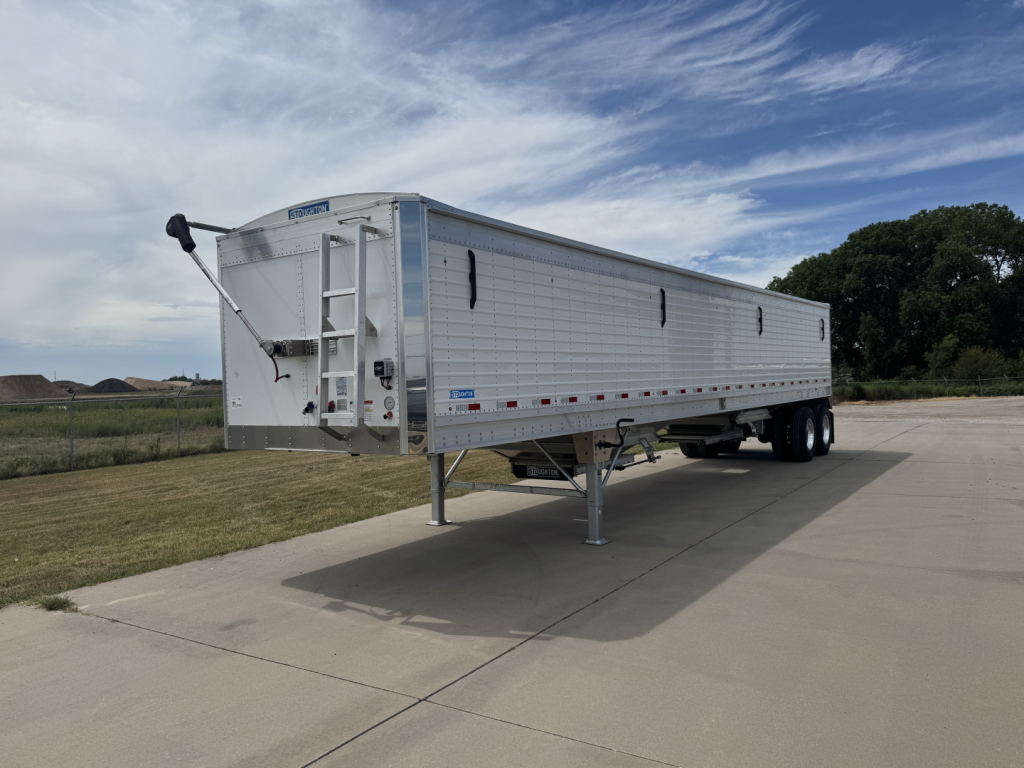
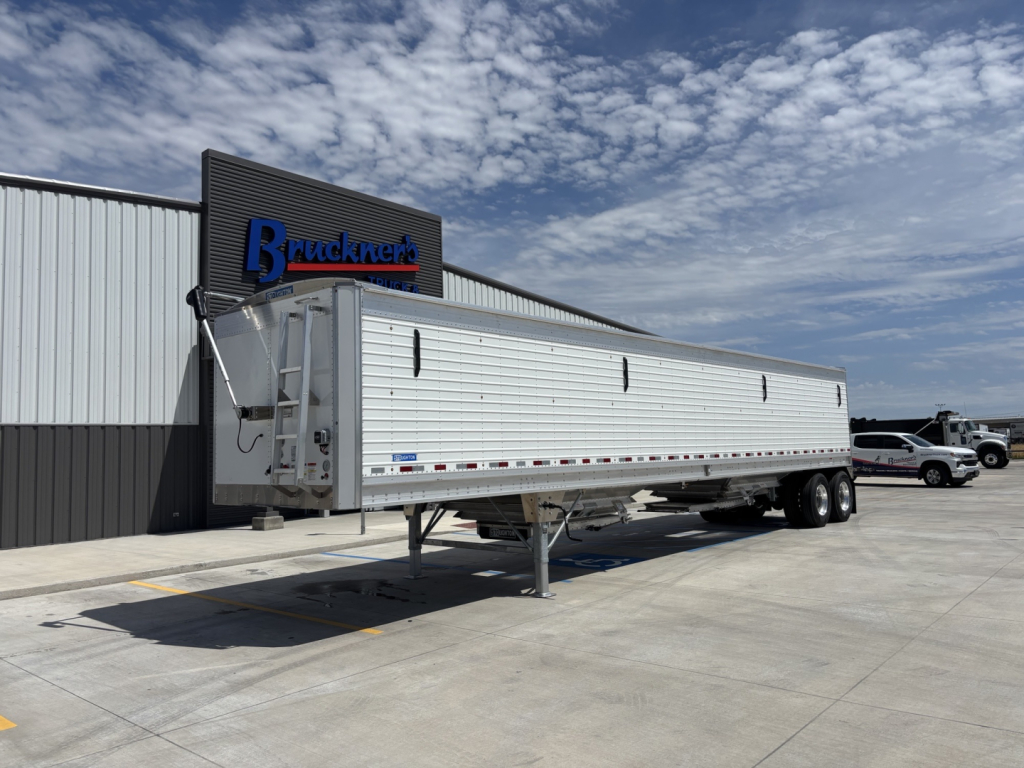
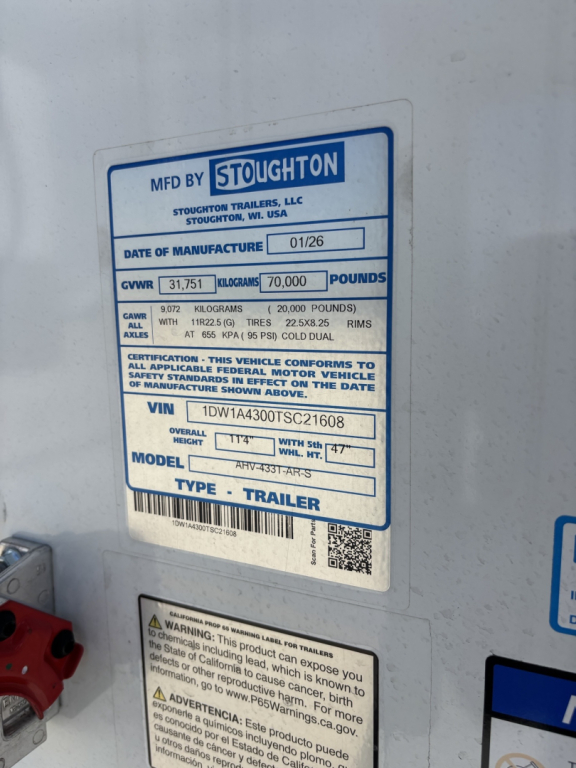
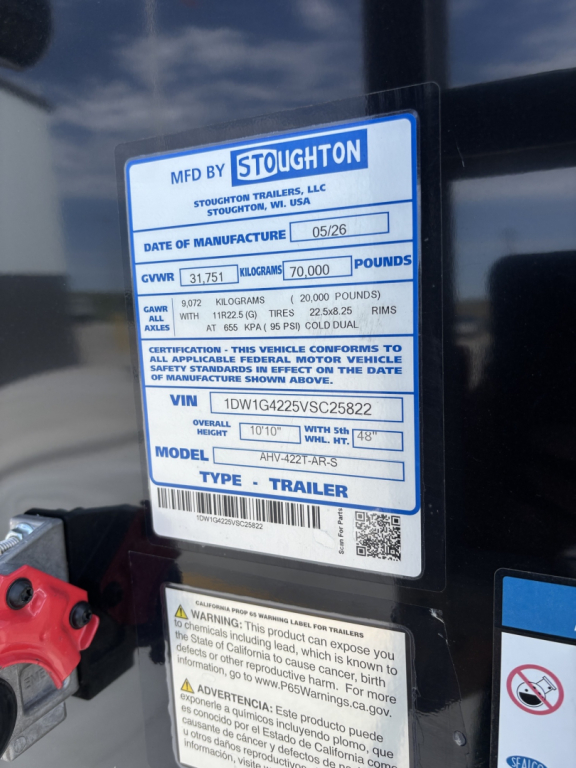
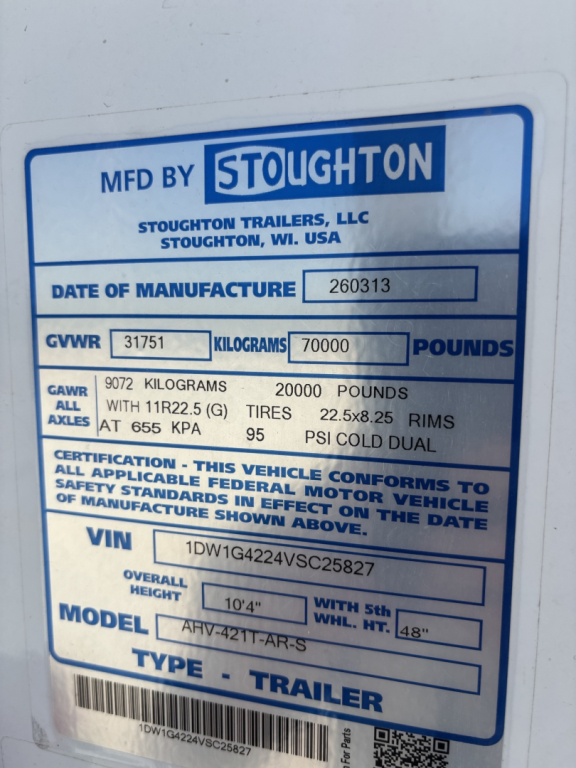
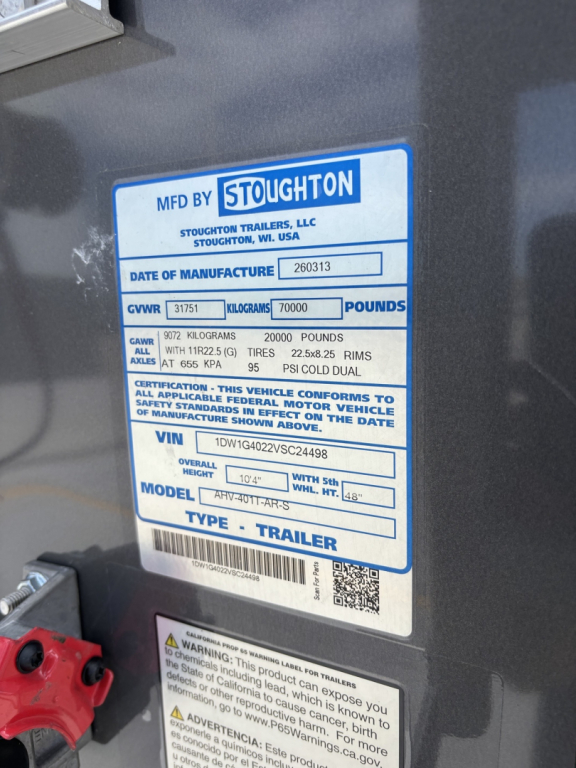
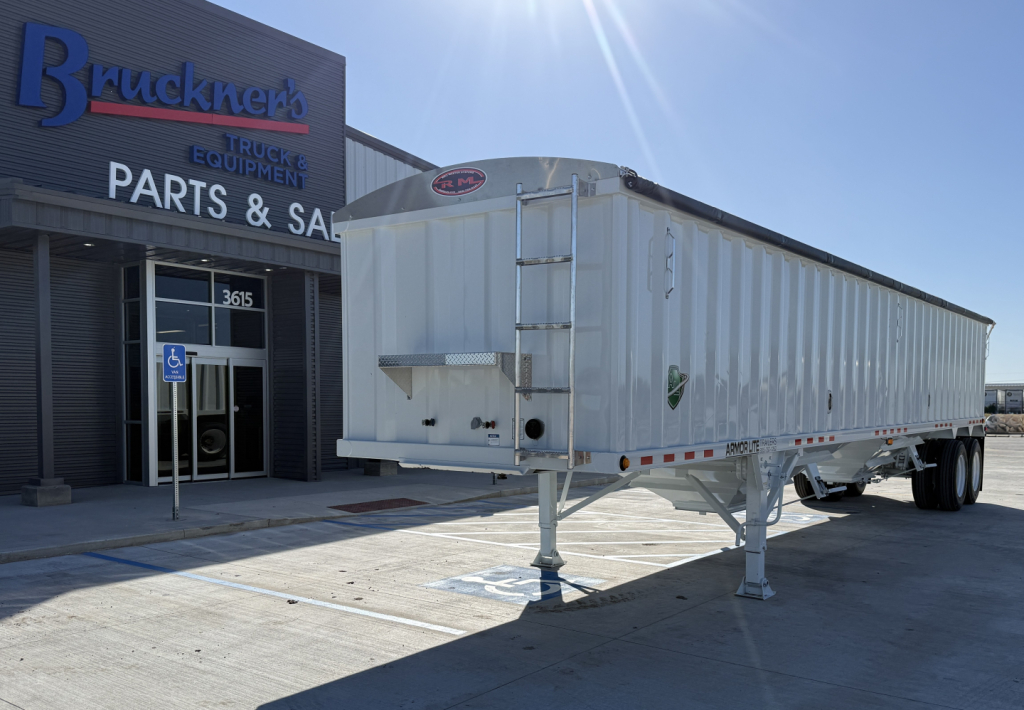
Selling a hopper trailer? List your hopper trailer for sale and reach thousands of commercial buyers.
Hopper Trailers in Kansas
Pay close attention to hopper opening size, side height, gate design, and tarp system because those details affect daily efficiency more than buyers sometimes expect. Agricultural hopper trailers frequently use 2 or 3 bottom hoppers with trap openings sized for grain pit compatibility and controlled unloading speed. Manual roll tarps are common and simple to maintain, while electric tarp systems reduce climbing and speed up loading and unloading cycles. Ladders, catwalks, and front-to-rear access matter for safe tarp operation and inspection. If the trailer will spend much of its life on uneven approach roads, in field entrances, or around older facilities, suspension type, ride height, and landing gear configuration deserve extra attention.
Kansas operators should also evaluate axle and brake specs with maintenance and seasonal use in mind. Tandem axle grain hoppers commonly run 11R24.5 rubber, drum brakes, spring suspension, and steel or aluminum wheel packages depending on budget and weight goals. Spring ride remains a common choice in agricultural service because it is straightforward, serviceable, and familiar to most shops. Fully sealed wiring harnesses and LED lighting are worth having for corrosion resistance and fewer electrical issues during harvest and winter road exposure. Buyers moving between local scales, elevators, and highway routes should compare empty weight, tire spec, kingpin setting, and overall dimensions to make sure the trailer fits both legal requirements and the way it will actually be loaded.
Condition and structural integrity matter more than appearance on a hopper trailer. Check the subframe, crossmembers, hopper slopes, trap seals, roll tarp hardware, and upper rail area for signs of cracking, distortion, corrosion, or hard use. On steel grain hoppers, inspect paint condition and rust-prone areas closely, especially around seams, hopper throats, and suspension mounts. If the trailer will haul food-grade or identity-preserved commodities, interior condition and cleanliness standards become even more important. A good hopper trailer should unload cleanly, seal tightly, track straight, and match the commodity, route, and scale environment it is expected to serve.
Frequently Asked Questions about Hopper Trailers in Kansas
What is a hopper trailer used for?
A hopper trailer is used to haul free-flowing bulk commodities that can be discharged through bottom gates by gravity. In agricultural service, the most common loads include wheat, corn, soybeans, milo, feed ingredients, and other grain products. The design allows fast unloading into pits, augers, and receiving systems without requiring a tipper or external unloading equipment.
Should I buy a steel or aluminum hopper trailer?
Steel hopper trailers usually cost less upfront and are often preferred for rugged farm and elevator work where durability is the priority. Aluminum hopper trailers generally weigh less, which can increase legal payload and improve operating efficiency over time. The right choice depends on your route lengths, commodity value, weight sensitivity, and how hard the trailer will be used around rough approaches and loading areas.
What size hopper trailer is most common for grain hauling?
A common grain hopper configuration is a tandem axle trailer around 40 to 42 feet long and 96 inches wide. Capacity is typically listed in cubic feet and bushels, with many ag-spec trailers built to handle over 1,000 bushels depending on body design and commodity density. The best size depends on state weight laws, the crops being hauled, and the receiving facilities you use most often.
What features matter most on a used hopper trailer?
The most important items are structural condition, gate function, tarp operation, suspension health, brake condition, and signs of corrosion or cracking. Buyers should inspect the hopper bottoms, trap doors, crossmembers, landing gear mounts, wiring, and upper rails carefully. A trailer that seals properly and unloads consistently is usually more valuable in day-to-day service than one that simply looks clean from a distance.
Are manual or electric tarps better on a hopper trailer?
Manual tarps are simpler, lower cost, and easy to repair, which makes them common on grain hoppers in farm service. Electric tarps reduce climbing, save time at each stop, and can improve operator safety during frequent loading cycles. The better option depends on how often the trailer is loaded, who operates it, and how much value you place on speed and convenience.