
Hopper Trailers For Sale in Texas
Shop hopper trailers for sale in Texas. Compare steel and aluminum grain hoppers by capacity, axle setup, gate design, and unload efficiency.
Selling a hopper trailer? List your hopper trailer for sale and reach thousands of commercial buyers.
Hopper Trailers in Texas
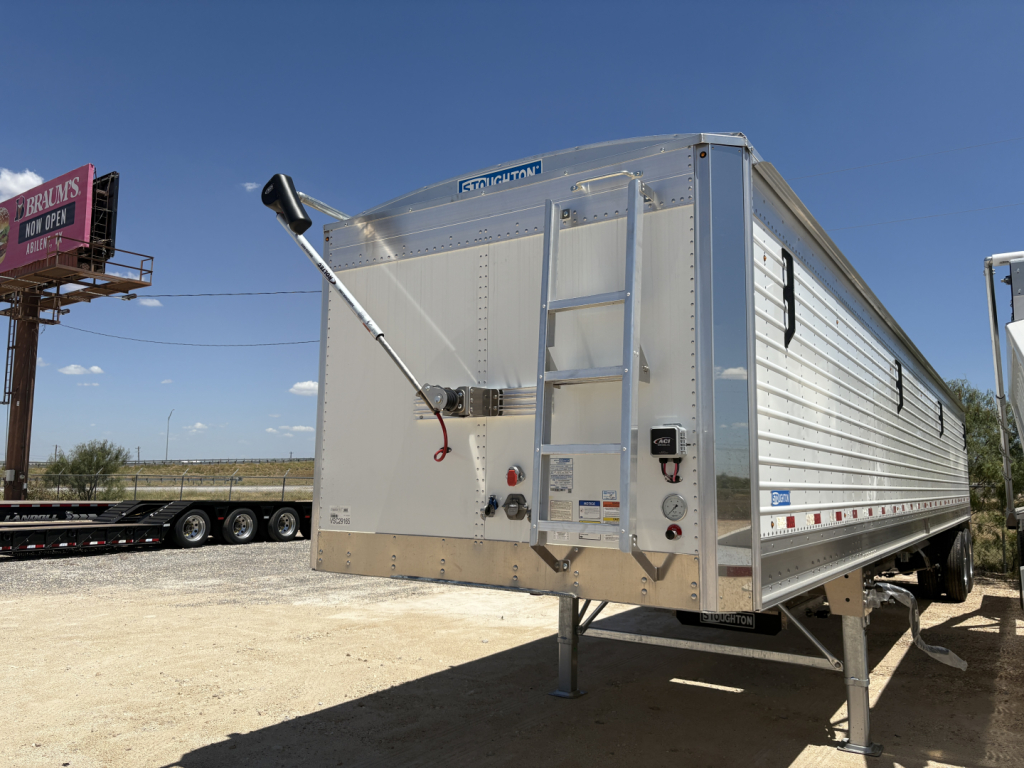
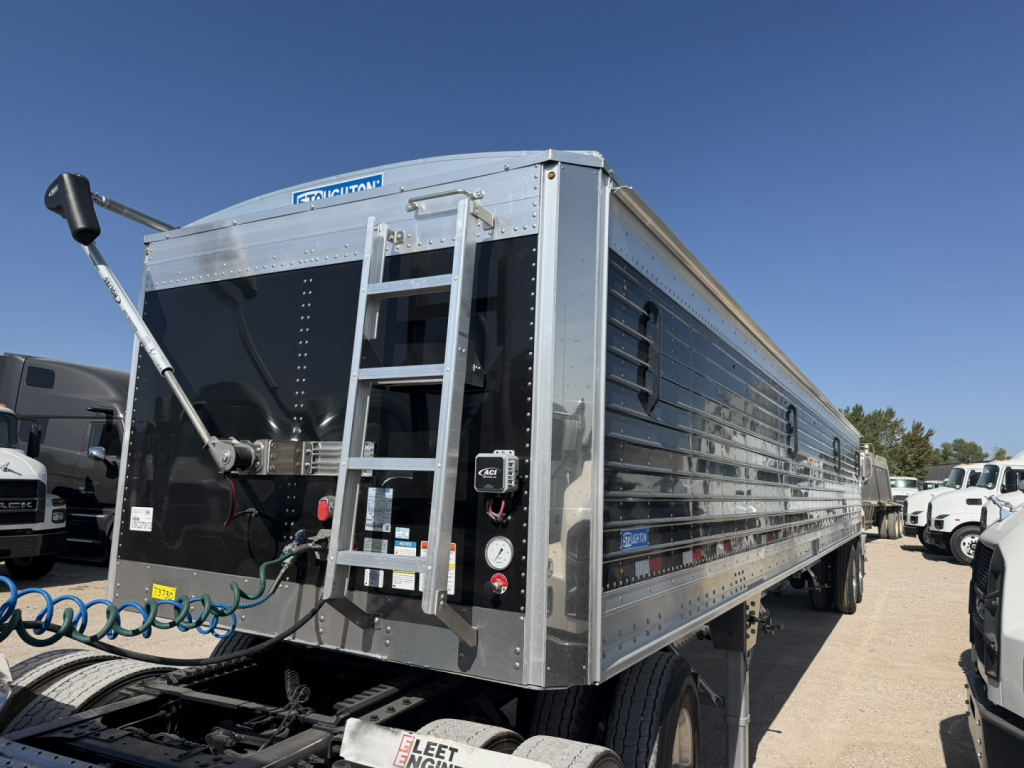
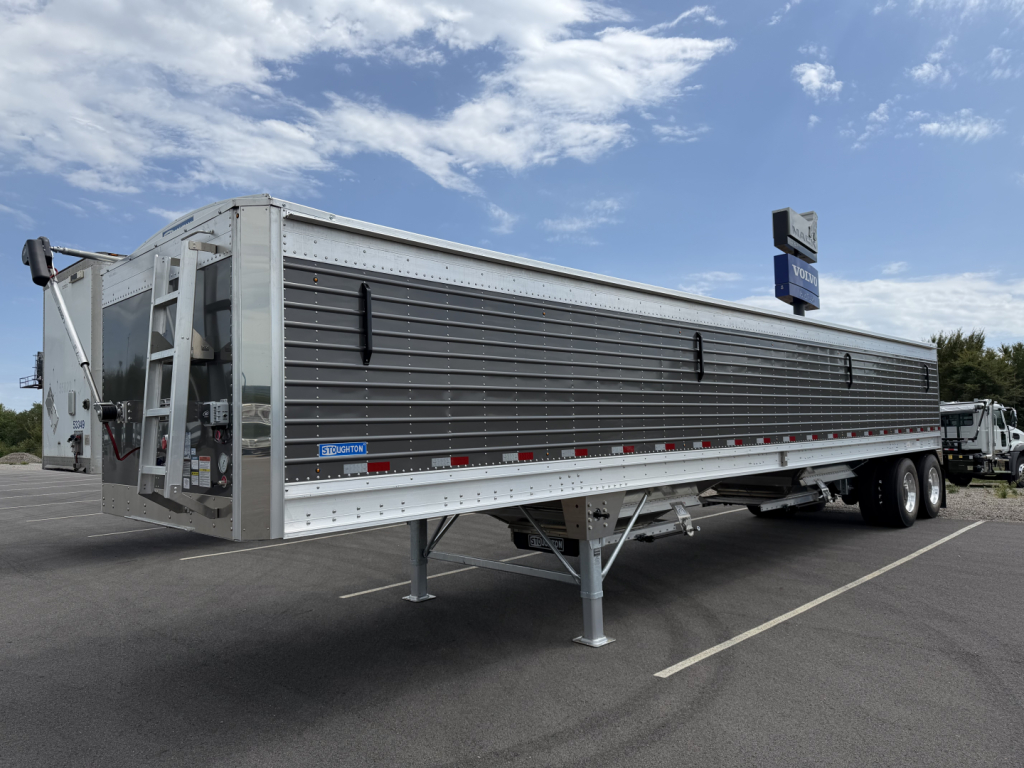
Capacity, gate layout, and suspension matter more than appearance on this category. Standard lengths commonly run around 38 to 42 feet, with tandem axle configurations doing most of the work in agricultural hauling. Cubic capacity, hopper slope, trap size, and discharge design all affect how cleanly the trailer empties and how well it handles different products. Buyers hauling corn, wheat, sorghum, soybeans, or mixed feed should pay attention to gate actuation, seal condition, and how easily the trailer can be metered at augers or pits. If fertilizer is part of the job, corrosion resistance, liner condition, and washout access deserve extra scrutiny.
Texas operators also need to think about route mix, seasonality, and legal payload strategy. Lighter-spec trailers can make sense for maximizing commodity tons, but frame strength, landing gear, crossmember design, and running gear need to match the roads and load cycles. Suspension options such as air ride can help protect the trailer and cargo over rough rural roads, while tire size, wheel setup, and brake spec affect maintenance cost and uptime. Many hopper trailers also include practical details that matter in daily use, such as roll tarps, ladders, sight windows, vibrators, electric or pneumatic trap openers, and catwalk configurations.
A good hopper trailer is really a production tool, not just a box on wheels. Buyers should compare empty weight, structural design, gate reliability, and ease of cleanout just as closely as price. For operations that switch between commodities, contamination control and quick washout can be just as important as raw capacity. The best choice comes down to what product you haul, how often you unload, and how much value you place on payload, durability, and turnaround speed.
Frequently Asked Questions about Hopper Trailers in Texas
What is a hopper trailer used for?
A hopper trailer is used to haul dry bulk commodities that can unload by gravity through bottom gates or traps. Common loads include grain, feed, fertilizer, seed, and other free-flowing agricultural products. The trailer body funnels product into one or more hoppers so it can discharge efficiently into pits, augers, conveyors, or storage systems.
Is a steel or aluminum hopper trailer better?
It depends on the freight and operating priorities. Steel hopper trailers usually cost less up front and hold up well in demanding service, but they weigh more and may reduce legal payload. Aluminum hopper trailers are lighter and often preferred when payload is the main goal, though buyers should still evaluate frame strength, repair considerations, and corrosion exposure based on the commodity being hauled.
What should I look for when buying a hopper trailer in Texas?
Focus on trailer weight, cubic capacity, axle configuration, gate design, and overall structural condition. Texas buyers should also consider how the trailer performs on rural roads, at elevators, and in seasonal harvest cycles. Trap seals, hopper slope, suspension type, brake condition, tire wear, tarp system operation, and signs of corrosion or cracking are all important checkpoints.
How do I choose the right hopper trailer capacity?
The right capacity depends on commodity density, legal weight limits, and the type of facilities where the trailer will load and unload. High-volume but lighter commodities may favor larger cubic capacity, while heavier products can hit weight limits before the trailer is physically full. Buyers should match trailer dimensions and tare weight to their typical loads so they are not giving up payload or creating unloading problems.
What features improve hopper trailer unloading and daily efficiency?
Gate design, trap opener type, hopper angle, and tarp operation have a major effect on unloading speed and consistency. Features like electric or pneumatic trap controls, well-sealed gates, clean discharge openings, sight windows, and easy-access tarp systems can reduce labor and downtime. For operations switching products, cleanout access and low-residue hopper design are especially valuable.