
Used Fontaine Trailers For Sale
Shop used Fontaine trailers including flatbeds, extendable flatbeds, and drop decks with specs on construction, axle setups, and hauling use.
Learn more
Showing 61 to 65 of 65 results
Have used fontaine trailer to sell? List it here to reach thousands of buyers.
About Used Fontaine Trailers
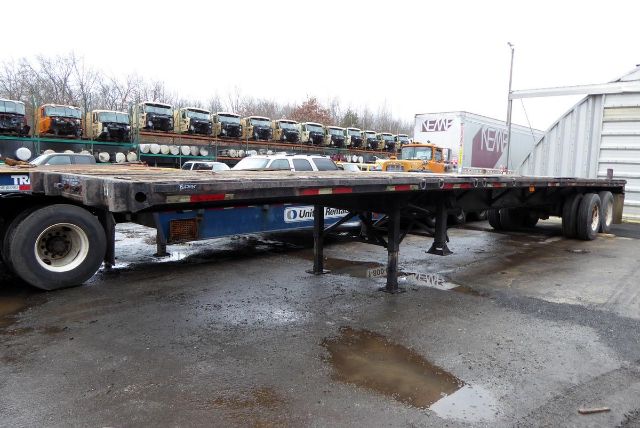
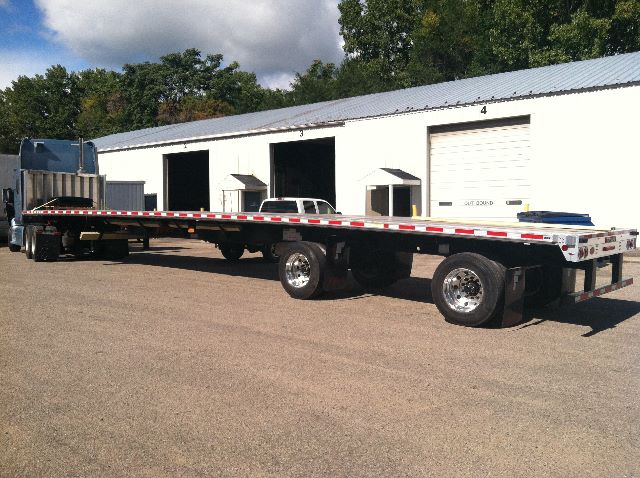
On flatbed and extendable flatbed models, the biggest buying decisions are frame construction, extension design, and how the trailer is set up for the freight you actually move. Steel platforms generally offer durability and straightforward repairability, while combo trailers balance weight savings with strength by using aluminum and steel in key areas. Extendable Fontaine trailers are often built to stretch from 48 feet out to 80 feet in 5-foot increments, which makes them useful for steel, pipe, fabricated components, and overlength machinery. Pay close attention to winch track location, number of sliding winches, side rail condition, crossmember spacing, floor type, and the wear around extension locks and inner track systems. An Apitong floor, nailing strips, and solid side rail integrity matter if the trailer will see frequent chaining, tarping, or forklift traffic.
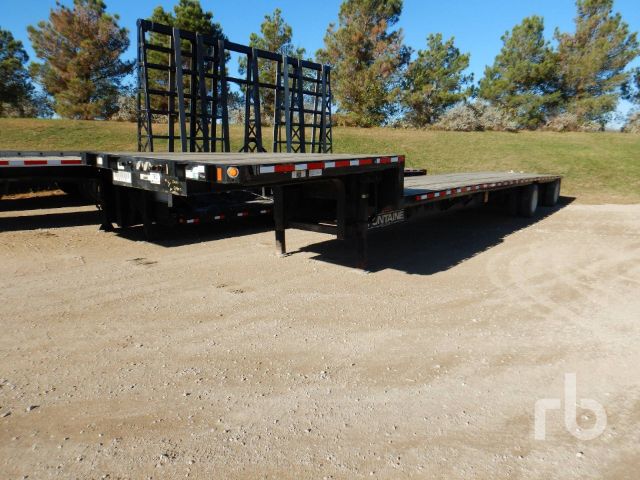
On used Fontaine drop decks, deck height and axle spacing usually matter more than overall trailer age. A typical combo drop deck may have a 10-foot upper deck, 38-foot lower deck, and a main deck height around 40 inches, which helps with taller freight that would be difficult to move legally on a standard flatbed. Air ride suspension is common and is preferred by many buyers hauling equipment, crated freight, or other cargo that benefits from a smoother ride. Spread axle configurations can help with bridge law and load distribution, but they also affect turning radius, tire scrub, and where the trailer works best. Bulkhead configuration, winch tracks on one or both sides, dump valve setup, tire size, and landing gear condition are all worth checking closely on a used unit.
A smart used Fontaine trailer evaluation should include more than tires and brakes. Look at frame straightness, neck and rear transition areas, floor fasteners, outriggers, coil package or chain tie layout, lighting, air and electrical lines, suspension bushings, and signs of concentrated overload damage near axle groups or the rear. If the trailer has a sliding tandem, confirm travel and locking operation. If it is extendable, inspect the extension channel wear, locking pins, and wiring arrangement through the slide section. Fontaine trailers have long been popular in steel hauling, building materials, machinery, and general open-deck service, so the best match depends less on brand name alone and more on how the trailer’s axle setting, deck design, and securement package fit your lanes and freight mix.
Frequently Asked Questions
What types of used Fontaine trailers are most common?
The most common used Fontaine trailers on the market are flatbeds, extendable flatbeds, and drop deck trailers. Standard flatbeds are widely used for general building materials, steel, and palletized freight. Extendable models are designed for overlength cargo such as pipe, structural steel, and long machinery components. Drop decks, also called step deck trailers, are typically chosen when lower deck height is needed to haul taller freight while staying within legal height limits.
What should I inspect first on a used Fontaine extendable trailer?
Start with the extension system and the areas that carry the most stress. Inspect extension locks, inner rails or track system, pin holes, wiring through the extension section, and visible wear where the frame telescopes. Then check crossmembers, side rails, floor condition, and signs of twisting or impact damage. On an extendable trailer, proper alignment and secure locking matter just as much as tires, brakes, and suspension.
Is a combo Fontaine trailer better than an all-steel trailer?
It depends on the freight and operating environment. A combo trailer uses both aluminum and steel to reduce empty weight while maintaining strength in high-stress areas, which can improve payload capacity. An all-steel trailer is often preferred in severe-duty service where repair simplicity and ruggedness are priorities. Buyers hauling dense freight, running rough jobsite conditions, or planning long ownership cycles often compare these two constructions closely before deciding.
Why do axle configuration and kingpin setting matter on a used Fontaine trailer?
Axle configuration and kingpin setting affect bridge compliance, weight distribution, maneuverability, and how the trailer matches with your tractor. Sliding tandems provide flexibility for different load lengths and state bridge requirements. Spread axles can improve load distribution and often eliminate the need to slide tandems, but they may increase tire scrub in tight turns. Kingpin setting changes how weight is transferred to the drives and steers, so it should fit your tractor wheelbase and the freight you haul most often.
Are used Fontaine drop deck trailers a good fit for machinery and taller freight?
Yes, used Fontaine drop deck trailers are commonly selected for machinery, crated equipment, and taller cargo that cannot ride legally on a standard flatbed. The lower main deck helps keep loaded height down while still allowing open-deck access for loading and securement. Buyers should confirm upper deck length, lower deck length, loaded deck height, tie-down points, and suspension type to make sure the trailer fits both the cargo and the loading environment.