
Used 2016 Fontaine Trailers For Sale
Browse used 2016 Fontaine trailers for sale, including flatbed, drop deck, step deck, extendable, and lowboy models built for demanding freight.
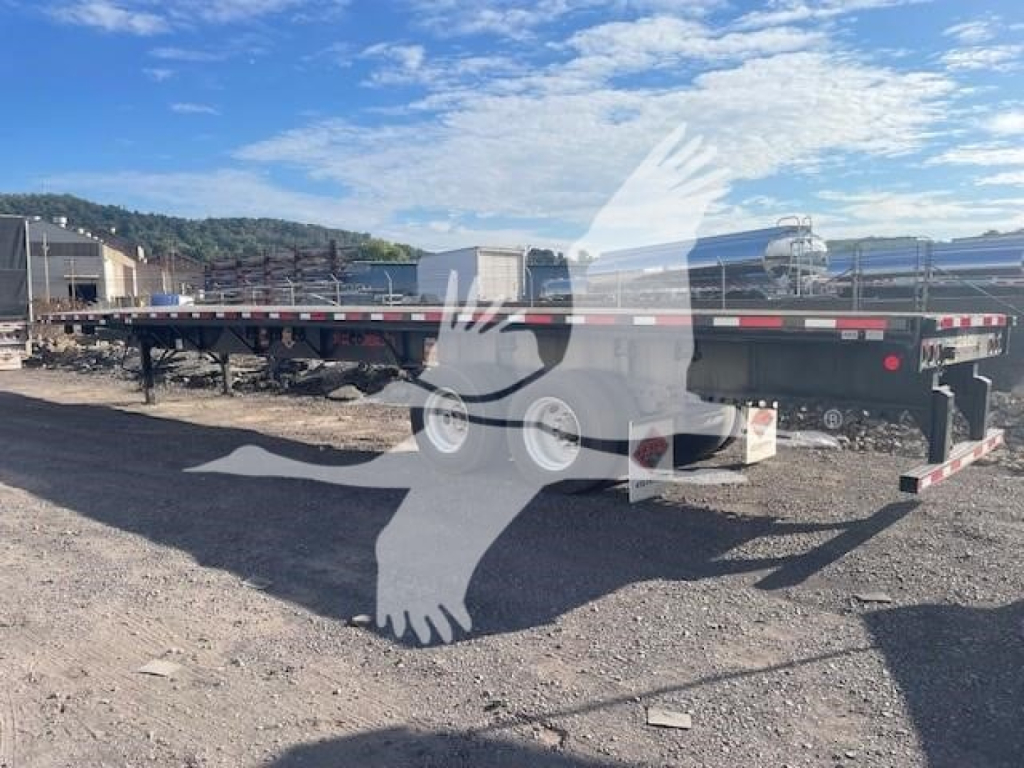
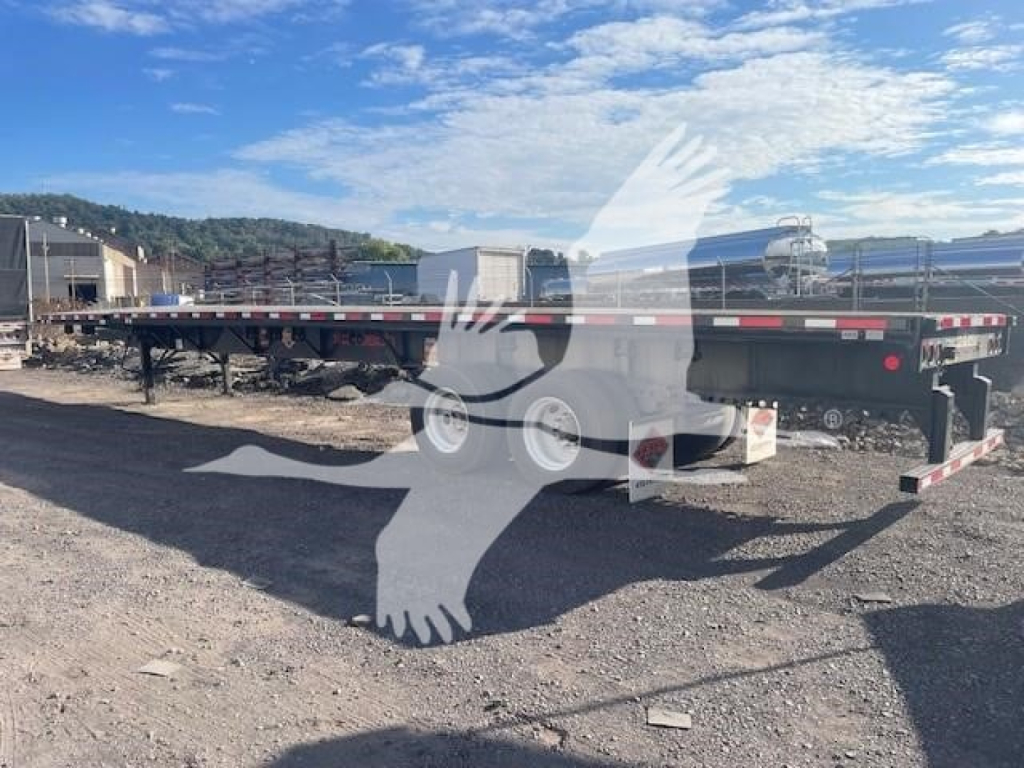
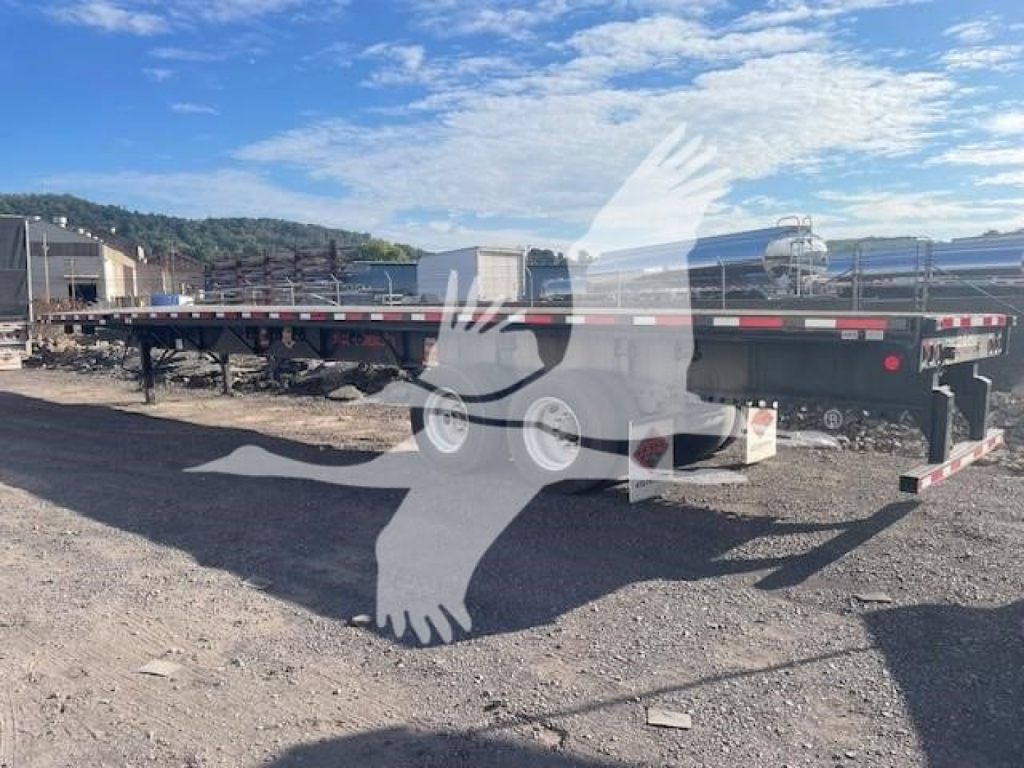
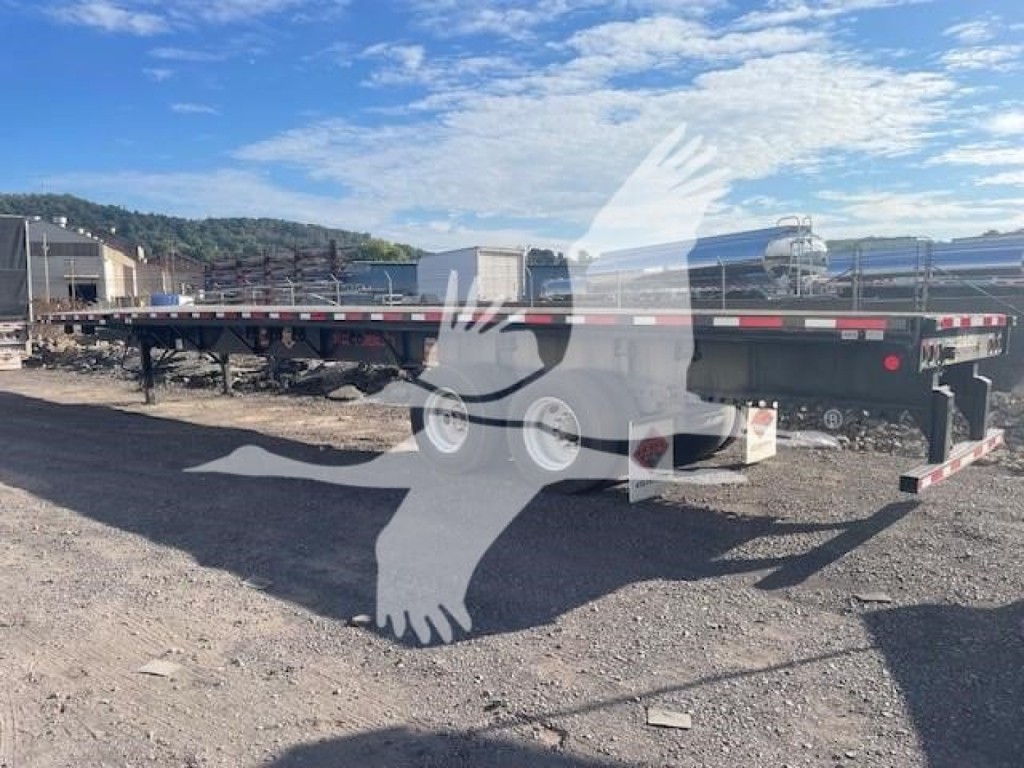
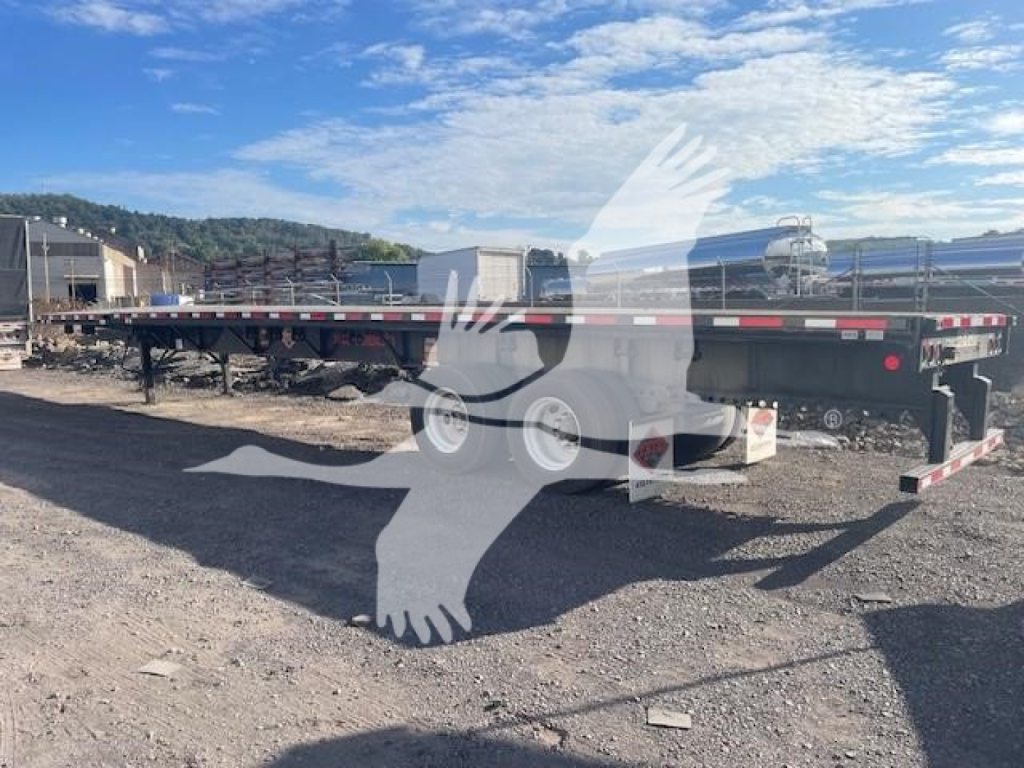
Selling a used 2016 fontaine trailer? List your used 2016 fontaine trailer for sale and reach thousands of commercial buyers.
Used 2016 Fontaine Trailers
For deck trailers, common configurations include 48-foot and 53-foot lengths, 102-inch width, air ride suspension, fixed spread or sliding tandem axles, and standard kingpin settings around 24 inches. Features that matter on a used 2016 Fontaine include crossmember spacing, deck material such as Apitong, nail strips, winch tracks, sliding winches, chain tie-down layout, coil package options, and the condition of the side rails. On step decks and drop decks, check loaded deck height, upper deck length, rear transition angle, and whether the trailer is set up for machinery, steel, or general commodity work. If the trailer is an extendable model, inspect extension locks, inside track wear, lighting harness condition, and overall straightness under full extension.
For heavier haul applications, a 2016 Fontaine lowboy or removable gooseneck trailer should be evaluated around capacity, well length, neck style, axle group, and hydraulic system condition. Buyers moving construction equipment usually focus on outriggers, D-ring placement, bucket wells, boom troughs, ride height controls, lift axles, and brake condition across the axle set. A lowboy that looks clean but has uneven tire wear, worn suspension components, or deck repairs around concentrated load points can become expensive quickly. On any used trailer in this age range, maintenance history matters as much as specification.
A smart comparison between used 2016 Fontaine trailers should include frame condition, signs of corrosion, suspension wear, brake lining and drum life, tire age, wheel type, lighting updates, and any evidence of previous structural repair. Buyers operating in California or other weight-sensitive markets may prioritize legal tare and axle spacing, while regional heavy-haul operators may put more value on rugged steel construction and specialty securement features. Fontaine trailers from this era remain relevant because the specs are familiar, the applications are broad, and the right configuration can still fit dedicated freight lanes for years to come.
Frequently Asked Questions about Used 2016 Fontaine Trailers
What types of trailers did Fontaine commonly build in 2016?
Fontaine was active across several core trailer categories in 2016, including flatbeds, step decks, drop decks, extendables, and lowboys. Each category served a different freight profile. Flatbeds and step decks were common for steel, building materials, and machinery, while extendables handled long freight such as pipe or structural components. Lowboys and removable gooseneck trailers were more specialized for construction and heavy equipment hauling.
What should I inspect first on a used 2016 Fontaine trailer?
Start with the frame, main beams, crossmembers, suspension, brakes, and axle alignment. Then inspect the deck condition, side rails, securement points, winch tracks, landing gear, and lighting system. On extendable or heavy-haul models, pay close attention to moving components, hydraulic systems, locking mechanisms, and wear at concentrated stress points. Cosmetic appearance matters less than structural condition and maintenance history.
Are 2016 Fontaine trailers good for weight-sensitive operations?
They can be, depending on construction and configuration. Aluminum and combo trailers are generally better for maximizing payload on legal-weight freight, while all-steel designs usually trade tare weight for ruggedness. Buyers running regional flatbed freight, California-legal lanes, or high-frequency loading cycles often compare tare weight, axle spacing, and deck specification closely before choosing a 2016 model.
What axle and suspension setups are common on used Fontaine trailers?
Many Fontaine trailers use tandem or spread axle layouts with air ride suspension, though the exact setup depends on trailer type and intended service. Flatbeds and step decks may have sliding tandems or fixed spreads, while lowboys often use tri-axle or heavier specialized groupings. Suspension brand, ride height control, dump valve function, and tire wear patterns are all worth checking because they affect both ride quality and operating cost.
Is a used 2016 Fontaine better suited for general freight or specialized hauling?
That depends entirely on the trailer category and deck package. A standard flatbed or step deck is usually a general freight tool if it has common securement equipment and standard dimensions. An extendable, coil package trailer, or lowboy is more specialized and should be matched to the freight you haul most often. Buyers usually get the best long-term value by choosing a trailer spec that fits their primary loads instead of buying extra capability they rarely use.