
Used 2016 Fontaine Trailers For Sale in Pennsylvania
Browse used 2016 Fontaine trailers in Pennsylvania, including flatbeds and specialty trailers built for heavy haul, overlength freight, and steel work.
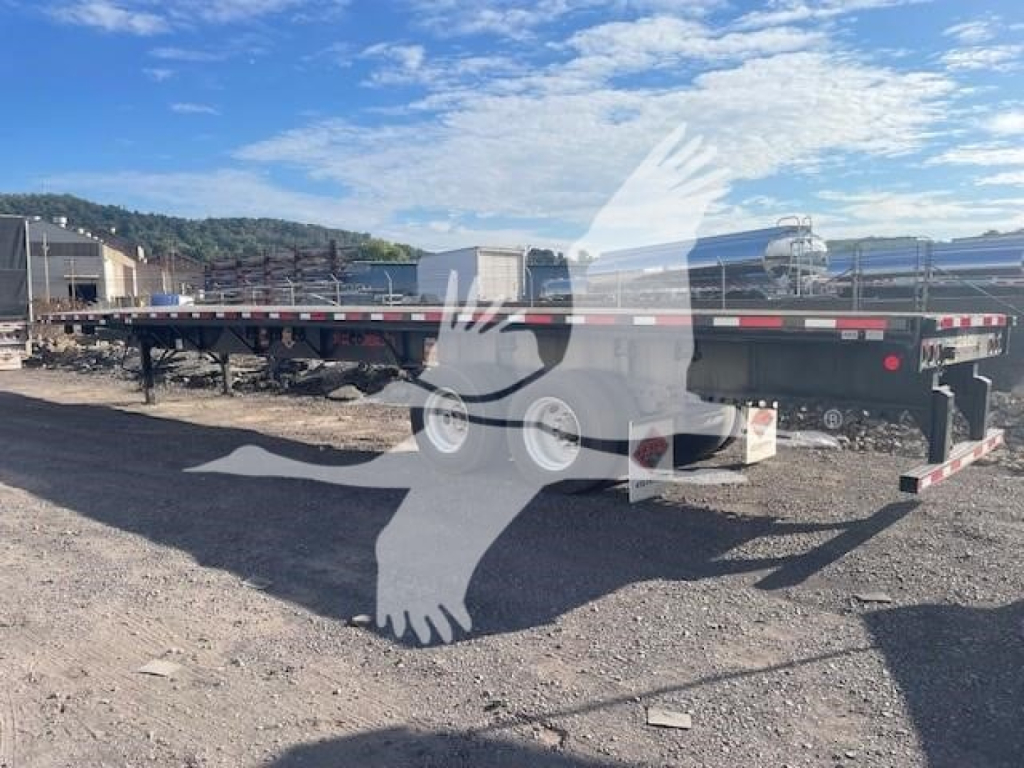
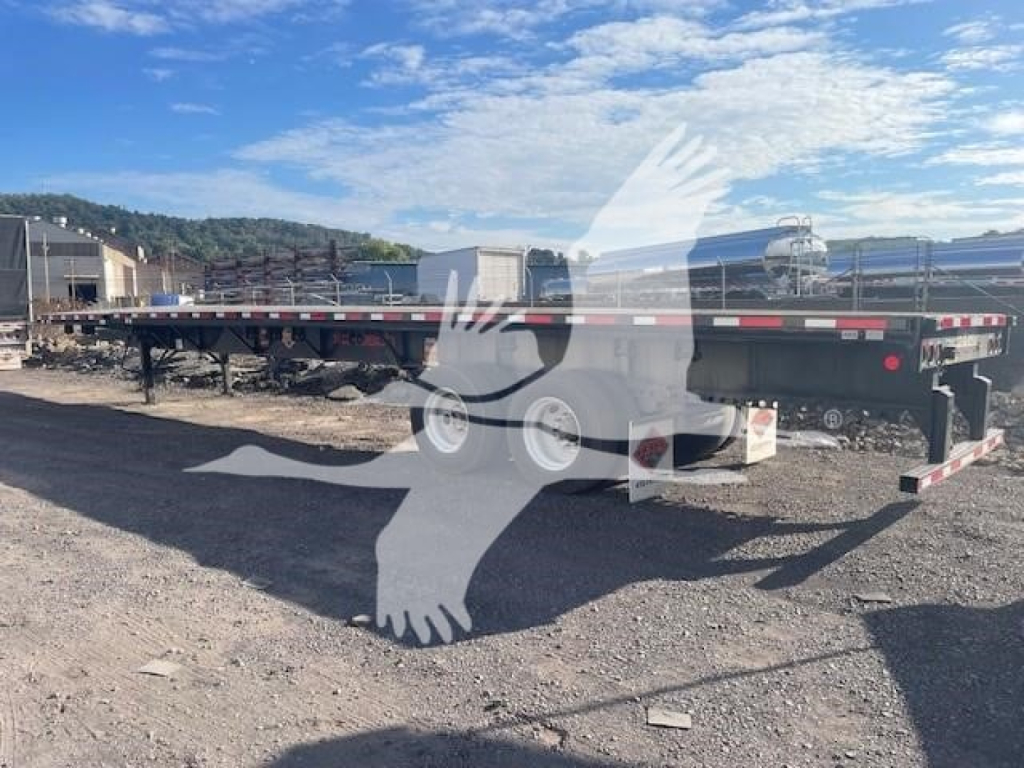
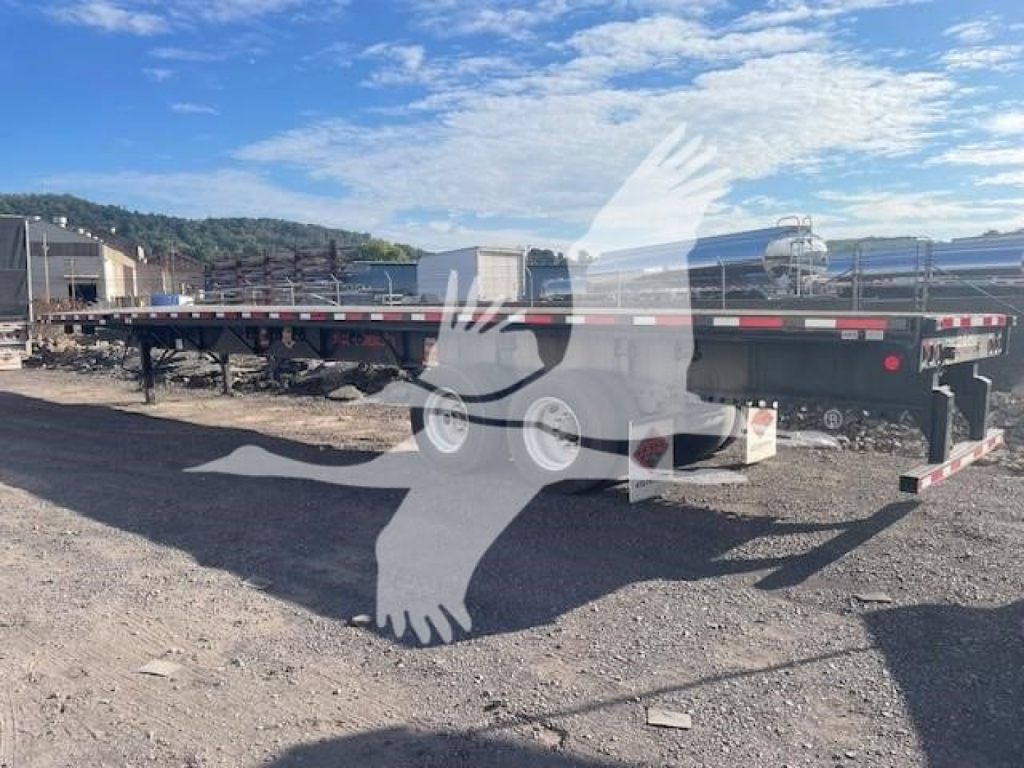
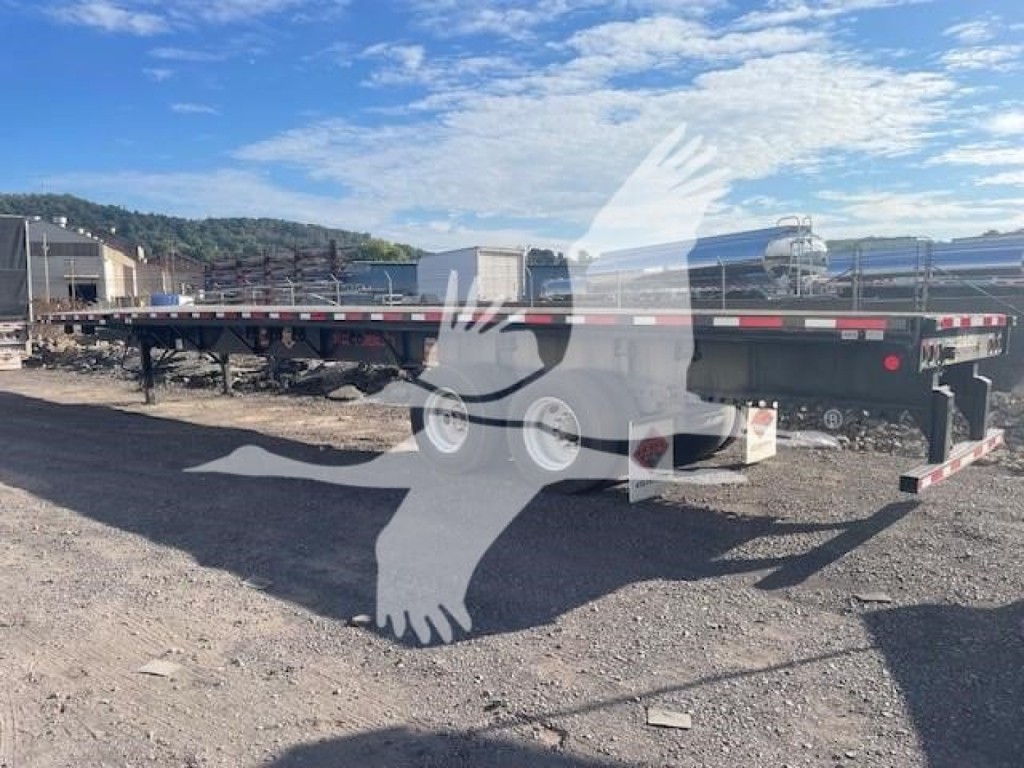
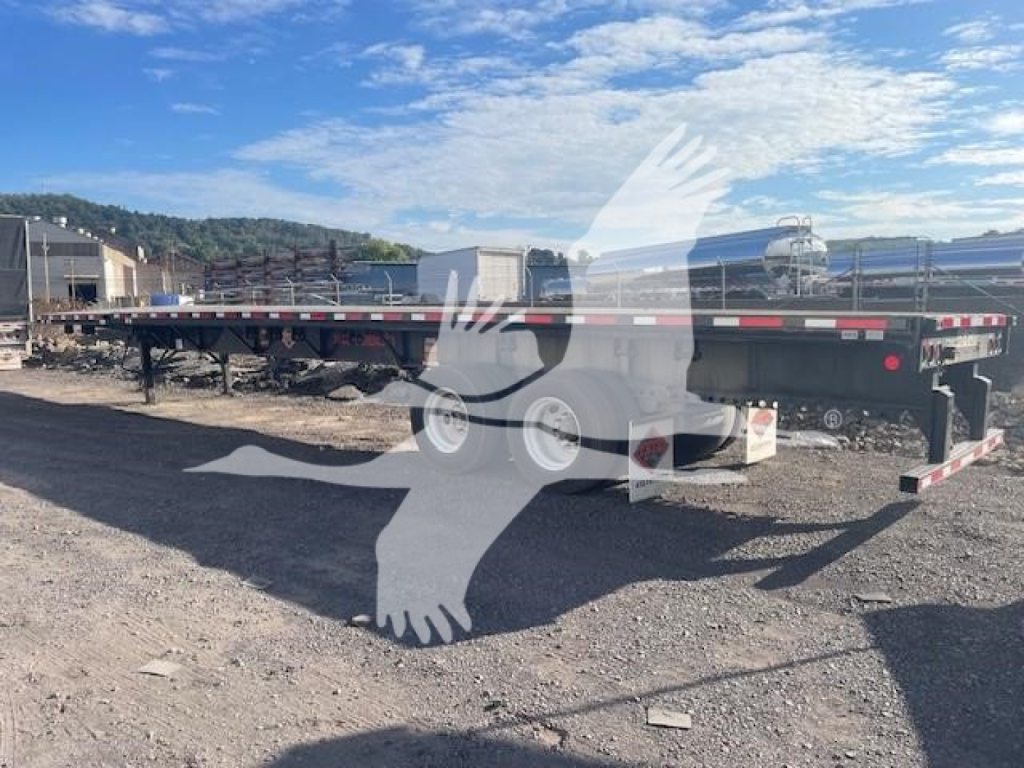
Selling a used 2016 fontaine trailer? List your used 2016 fontaine trailer for sale and reach thousands of commercial buyers.
Used 2016 Fontaine Trailers in Pennsylvania
For Pennsylvania operators, trailer condition matters as much as spec. A 2016 Fontaine trailer should be inspected closely for frame straightness, suspension wear, brake condition, tire age, deck integrity, and corrosion around crossmembers, side rails, rear impact area, and sliding tandem components. If the trailer is an extendable model, pay attention to the extension track system, lock engagement, wiring slack, air and ABS routing, and any play in the telescoping sections. On flatbeds and step decks, common spec points include 48-foot or expandable lengths, 102-inch width, steel or combination construction, Apitong flooring, winch tracks, sliding winches, pipe spools, and tandem axle setups with either spring ride or air ride suspension. Kingpin setting, axle spread, and suspension slide position can all affect bridge compliance, turning characteristics, and how easily the trailer can be matched to your tractor.
Fontaine trailers from this era are often chosen for their straightforward serviceability and broad parts support. Buyers comparing steel versus combo construction should think in terms of payload and operating environment. A steel trailer generally handles abuse well in scrap, steel, and rugged jobsite work, while a combo or aluminum-heavy configuration can reduce tare weight and improve legal payload on every trip. For extendable and drop-deck applications, deck height, loaded center of gravity, and securement flexibility are major decision points. Winch placement, rub rail condition, stake pockets, chain slides, and flooring wear all affect how efficiently the trailer can be loaded and secured day after day.
A good used 2016 Fontaine trailer is less about model year alone and more about whether the spec fits the lane. Buyers hauling coils, fabricated steel, lumber, equipment, or oversized freight should compare distributed weight rating, deck length, axle configuration, suspension type, and overall empty weight before making a decision. In Pennsylvania and the surrounding Mid-Atlantic region, road conditions, seasonal weather, and bridge-sensitive routing make maintenance history and structural condition especially important. The best value usually comes from a trailer with the right deck design, sound understructure, current running gear, and securement features that match the freight you move most often.
Frequently Asked Questions about Used 2016 Fontaine Trailers in Pennsylvania
What should I inspect first on a used 2016 Fontaine trailer?
Start with the structure and running gear. Check the main frame, crossmembers, side rails, landing gear mounts, suspension hangers, tandem slide, brakes, hubs, wheels, and tires. On flatbeds and drop decks, inspect the floor for rot, cracking, loose boards, or damaged aluminum sections. On extendable trailers, inspect the telescoping rails, locking pins, wear pads, air and electrical lines, and extension alignment. A trailer can look acceptable from a distance but still have costly structural or suspension issues underneath.
Are 2016 Fontaine trailers good for steel and construction freight?
Yes, many Fontaine trailer specs are well suited for steel, construction materials, machinery, and overlength freight. Their flatbeds and step decks are commonly configured with Apitong floors, winch tracks, stake pockets, pipe spools, and tandem axle layouts that fit regional and long-haul work. The right fit depends on your cargo profile. General building materials usually point to a standard flatbed, taller freight favors a drop deck, and long cargo often requires an extendable flatbed or specialty trailer.
What is the difference between a Fontaine flatbed, drop deck, and extendable trailer?
A flatbed has a full-length straight deck and is used for general freight that can load from the side, rear, or overhead. A drop deck, also called a step deck, has an upper deck and a lower main deck so taller cargo can ride lower and stay within legal height limits. An extendable trailer changes deck length to handle overlength loads such as pipe, beams, poles, and long fabricated products. The best choice depends on freight dimensions, loading method, and the routes you run.
Is air ride or spring ride better on a used Fontaine trailer?
Air ride is often preferred for ride quality, cargo protection, and dock approach flexibility, especially on more sensitive freight or irregular roads. Spring ride is simpler and can be attractive for buyers focused on lower complexity and straightforward maintenance. Neither is automatically better in every application. The right choice depends on your freight, maintenance program, and how the trailer is used in regional or long-haul service.
Why do kingpin setting and axle spread matter on a Fontaine trailer?
Kingpin setting and axle configuration affect weight distribution, bridge law compliance, turning radius, and tractor compatibility. A trailer with the wrong setup for your tractor wheelbase or freight profile can create scaling problems or limit maneuverability. Spread axle, sliding tandem, and different kingpin settings each serve different needs. Buyers should compare these specs carefully, especially when running in Pennsylvania and nearby states where bridge formulas, road layouts, and customer sites can make trailer geometry a practical issue every day.