
Used 2023 Fontaine Trailers For Sale
Shop used 2023 Fontaine trailers with specs buyers compare most, including flatbed, step deck, lowboy, axle setup, deck construction, and suspension.
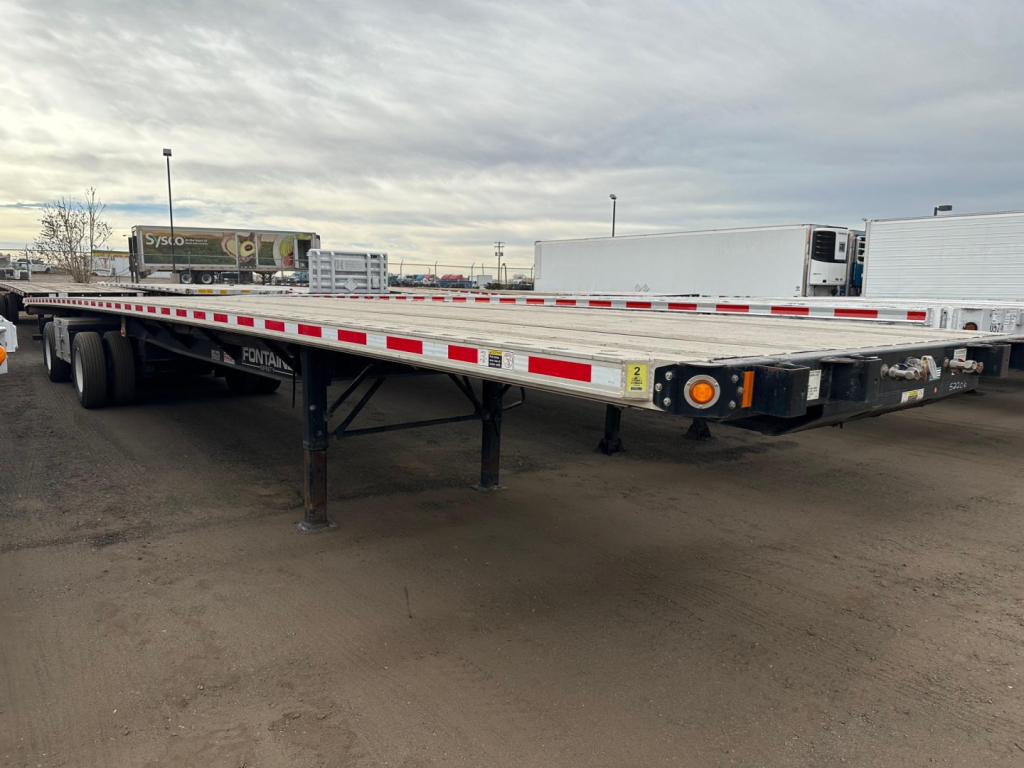
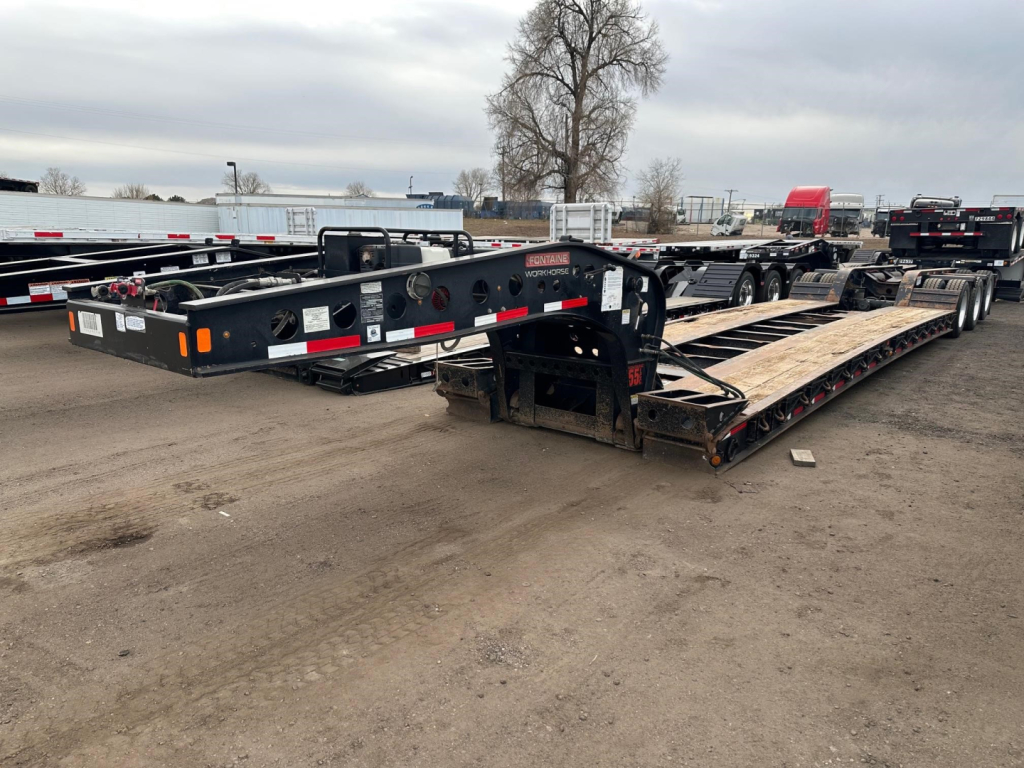
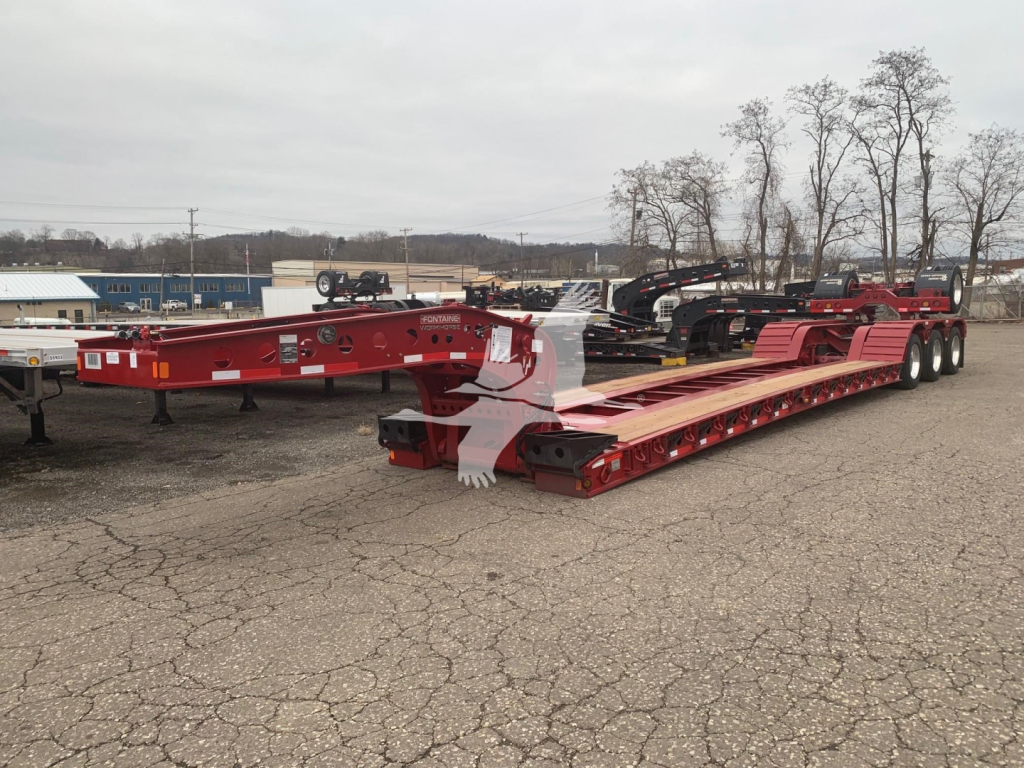
Selling a used 2023 fontaine trailer? List your used 2023 fontaine trailer for sale and reach thousands of commercial buyers.
Used 2023 Fontaine Trailers
The first buying decision is usually the trailer type. A Fontaine flatbed is typically suited for general freight, palletized material, coils, pipe, and construction products. A Fontaine step deck, also known as a drop deck, gives you lower deck height for taller freight while staying closer to legal height limits. Fontaine lowboy and detachable gooseneck trailers are built for heavier equipment and concentrated loads, where deck height, loaded ground clearance, and neck style matter as much as gross capacity. In this category, buyers should pay close attention to deck length, loaded deck height, width, axle count, axle spacing, suspension type, and whether the trailer is steel, aluminum, or combo construction.
Spec details have a direct effect on payload, maintenance cost, and lane flexibility. Combo trailers with aluminum decking and steel main beams can reduce tare weight while keeping structural strength where it counts. All-steel trailers may carry more empty weight but are often favored in severe-service applications. Air ride suspension is common for freight protection and dock-friendly handling, while spring ride can still be attractive for certain vocational uses because of simplicity. On open-deck Fontaine trailers, useful details include stake pockets, pipe spools, chain pullouts, winch tracks, coil package, D-rings, nail strips, container locks, and toolbox placement. On lowboy and detach models, buyers should check kingpin setting, deck transitions, outriggers, apitong or wood floor condition, brake wear, tire size, and compatibility with the intended tractor and fifth wheel height.
For a used 2023 Fontaine trailer, condition matters as much as base spec. Look closely at crossmembers, the neck area, suspension hangers, slider or fixed axle components, wheel ends, air system condition, and signs of concentrated-load damage in the deck or outer rails. Verify how the trailer was used, because a late-model general freight flatbed and a late-model heavy-equipment trailer can show very different wear patterns. Buyers running multi-state freight should also confirm bridge-law compliance, overall length in working configuration, and whether the axle spread matches their legal and operational needs. A well-matched Fontaine trailer can improve payload efficiency, reduce rework at loading, and fit specialized freight better than a generic spec trailer.
Frequently Asked Questions about Used 2023 Fontaine Trailers
What types of trailers does Fontaine commonly build?
Fontaine is best known for open-deck and specialized trailers, including flatbeds, step decks, drop decks, lowboys, and detachable gooseneck models. Each type is designed for a different freight profile. Flatbeds handle general open-deck freight, step decks allow taller loads by lowering deck height, and lowboys or detach trailers are used for machinery and heavier equipment with higher concentrated load demands.
What should I check first on a used 2023 Fontaine trailer?
Start with the core structural and running gear items. Check the frame, crossmembers, neck structure, suspension mounts, brakes, tires, wheel ends, air system, and deck condition. Then verify the functional spec, including deck length, width, axle configuration, suspension type, kingpin setting, and load securement equipment. On a late-model trailer, the key question is not just age, but whether the configuration matches your freight and whether the wear pattern reflects that use.
Is a Fontaine combo trailer better than an all-steel trailer?
Neither is automatically better. A combo trailer, typically built with steel main beams and aluminum components, usually offers lower tare weight and better payload potential. An all-steel trailer may be preferred for severe-duty work, harsh loading environments, or operations that prioritize repair familiarity over weight savings. The right choice depends on payload targets, route conditions, and the type of freight being loaded every day.
What is the difference between a Fontaine flatbed and a Fontaine step deck?
A flatbed has a single deck height from front to rear and is commonly used for standard open-deck freight. A step deck, also called a drop deck, has an upper deck and a lower main deck, which creates additional legal loading height for taller cargo. Buyers choosing between the two should compare cargo height, loading method, forklift access, and whether the freight regularly pushes legal height limits on a standard flatbed.
Why do axle spacing and kingpin setting matter on Fontaine trailers?
Axle spacing and kingpin setting affect bridge-law compliance, weight distribution, turning characteristics, and compatibility with your tractor. A trailer can have the right gross capacity on paper but still be difficult to scale legally if the axle layout does not fit your freight profile and operating region. These measurements are especially important on spread-axle flatbeds, step decks, and heavy-haul trailers where load position directly affects legal weight and handling.