
Used 2024 Fontaine Trailers For Sale
Shop used 2024 Fontaine trailers including flatbeds, drop decks, lowboys, and extendables built for heavy-duty freight and specialized hauling.
Selling a used 2024 fontaine trailer? List your used 2024 fontaine trailer for sale and reach thousands of commercial buyers.
Used 2024 Fontaine Trailers
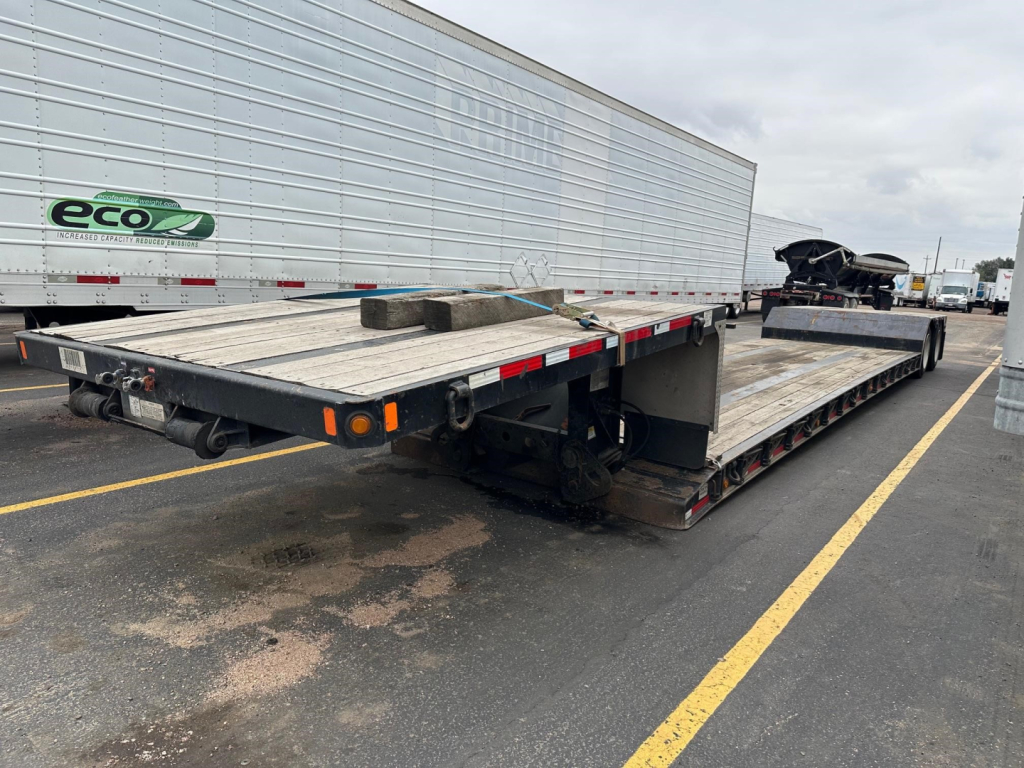
The first decision is usually trailer type. Fontaine flatbeds and combo flatbeds are common in steel, building products, machinery, and general open-deck freight. Drop decks, also called step deck trailers, add deck height flexibility for taller loads while keeping freight legal under bridge and route restrictions. Extendable flatbeds are built for overlength cargo such as pipe, poles, structural members, and fabricated components, with lock positions and inside-track extension systems affecting ease of use and deck stability. Fontaine lowboys and hydraulic detachable gooseneck models move heavier equipment, and buyers should pay close attention to deck height, main deck length, outriggers, axle count, flip axle compatibility, pony motor setup, and concentrated load rating such as 55-ton capacity in a defined deck section.
Spec differences matter more than model year alone. Buyers should compare aluminum versus steel construction, crossmember spacing, floor type, side rail design, winch track layout, coil package equipment, D-ring count, chain tie arrangement, and kingpin setting. Suspension type also changes the trailer's fit for the job. Air ride is common where ride quality and freight protection matter, while spring ride may still be preferred for simplicity and certain fleet maintenance programs. Sliding tandems or rear slide axle layouts affect bridge law compliance and load distribution. Tire size, wheel material, scuff resistance, landing gear spec, and lighting package all influence long-term operating cost and roadside serviceability.
A used 2024 Fontaine trailer is often evaluated on remaining structural life, prior application, and how closely the original build matches current freight. Look closely at main beam condition, deck wear, neck and hinge areas on detachables, rail damage, extension wear pads, axle alignment, suspension bushings, and securement hardware condition. If the trailer was used in heavy equipment service, inspect hammer plates, recessed crossmembers, outriggers, and load-bearing areas for repair history. For open-deck freight operations, practical details such as nail strips, sliding winches, pull-up chain ties, toolbox layout, and LED lighting can make a measurable difference in driver efficiency and load securement. Fontaine trailers tend to hold attention from buyers who want a recognizable brand with broad parts familiarity and configurations that fit both general freight and specialized hauling.
Frequently Asked Questions about Used 2024 Fontaine Trailers
What types of used 2024 Fontaine trailers are most common?
The most common used 2024 Fontaine trailers include flatbeds, combo flatbeds, drop decks, extendable trailers, and lowboys. Flatbeds handle general open-deck freight, drop decks are used for taller loads that need lower deck height, extendables serve overlength freight, and lowboys are designed for heavy equipment and concentrated loads. The right category depends more on freight profile, legal height needs, and load weight than on brand alone.
What should I inspect first on a used 2024 Fontaine lowboy or detachable trailer?
Start with the structural and load-bearing areas. Inspect the gooseneck connection, deck surface, main beams, hinge points, outriggers, axle group, and rear frame for cracks, distortion, or weld repairs. Confirm the capacity rating, deck length, loaded deck height, axle configuration, and whether a flip axle or pony motor setup is included or compatible. Hydraulic operation and ride height control should also be checked because service issues in these systems can become expensive quickly.
Are Fontaine drop decks and flatbeds available in aluminum and steel configurations?
Yes. Fontaine has produced aluminum, steel, and combination trailers depending on the model and intended use. Aluminum trailers reduce tare weight and improve payload capacity, while steel trailers may be favored in severe-duty applications where buyers prioritize durability and repair familiarity. Combination trailers balance weight savings and strength, so the best material choice depends on freight density, route conditions, and maintenance practices.
Why do kingpin setting and axle layout matter on a Fontaine trailer?
Kingpin setting and axle layout directly affect bridge compliance, tractor compatibility, turning clearance, and how weight is distributed across the tractor and trailer. A trailer with the wrong kingpin setting or axle spread can create loading limitations even if the deck and frame are otherwise ideal. On extendables, drop decks, and lowboys, these measurements are especially important because freight often pushes legal limits on length, weight, or concentrated load placement.
Is a used 2024 Fontaine trailer a good fit for fleet use?
For many fleets, a used 2024 Fontaine trailer can be a strong fit because it offers late-model specs and current safety equipment while avoiding the full cost of new equipment. The value depends on matching the trailer's original build to the fleet's freight mix. Fleets should focus on standardization points such as suspension brand, tire size, wheel type, securement hardware, and repairability so the trailer integrates cleanly into existing maintenance and dispatch operations.