
Used 2024 Fontaine Flatbed Trailers For Sale
Shop used 2024 Fontaine flatbed trailers with specs buyers care about, including deck length, axle setup, suspension, weight, and load securement.
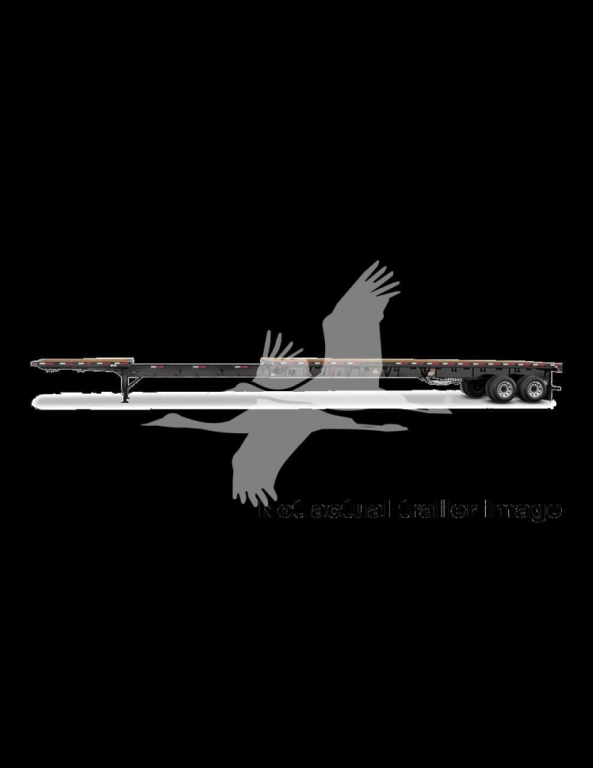
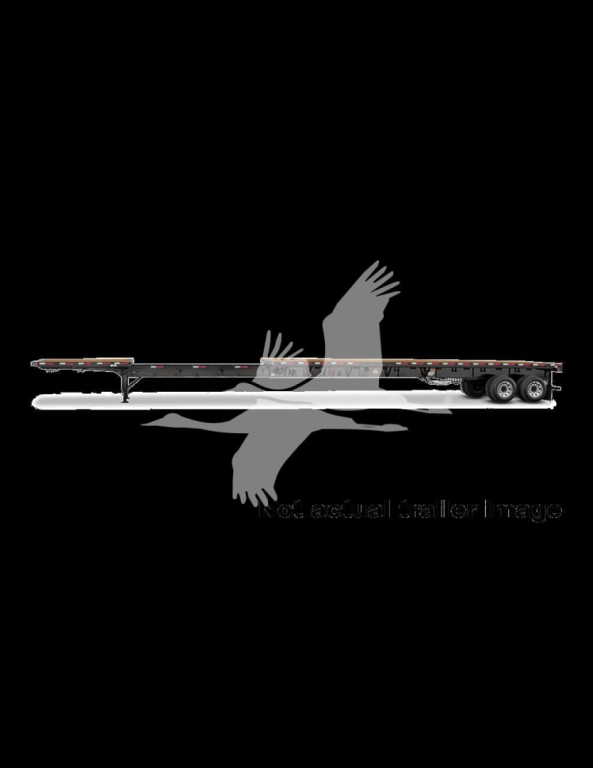
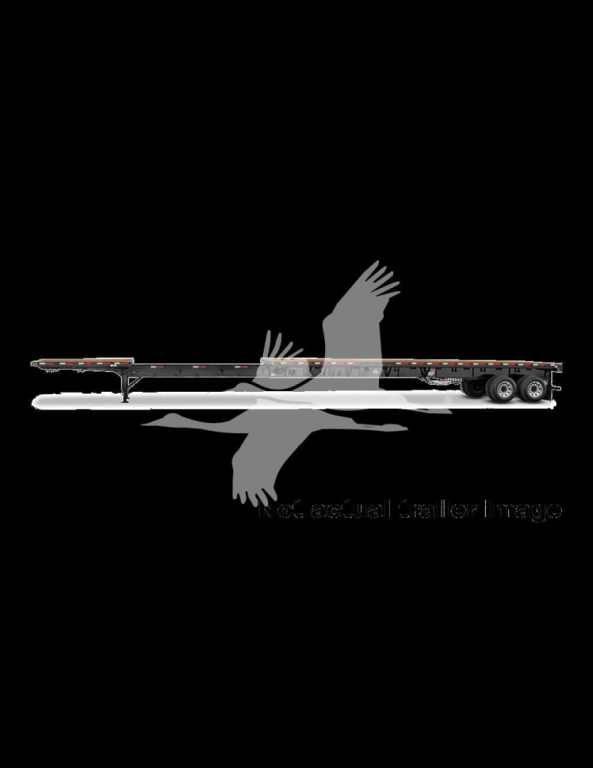
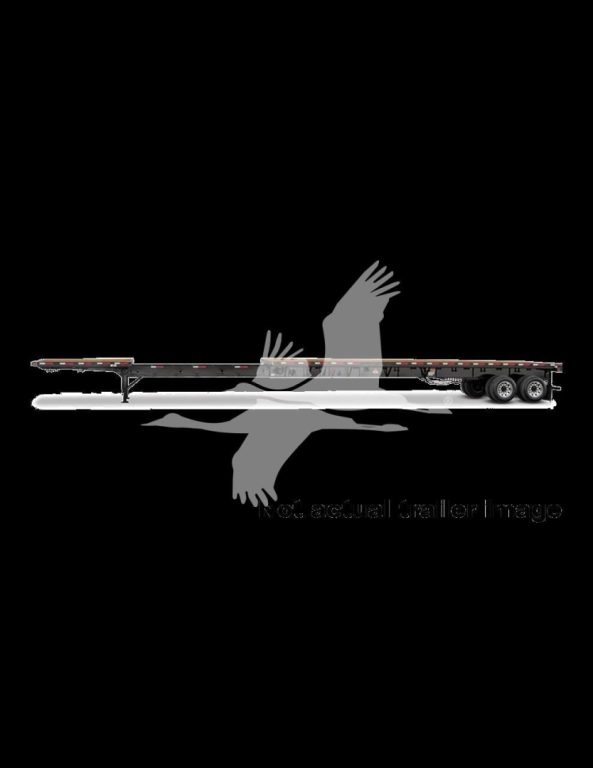
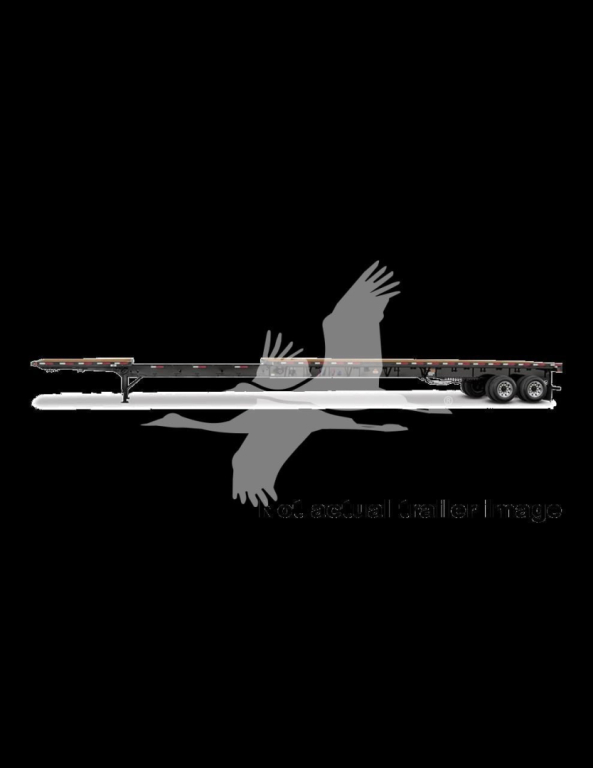
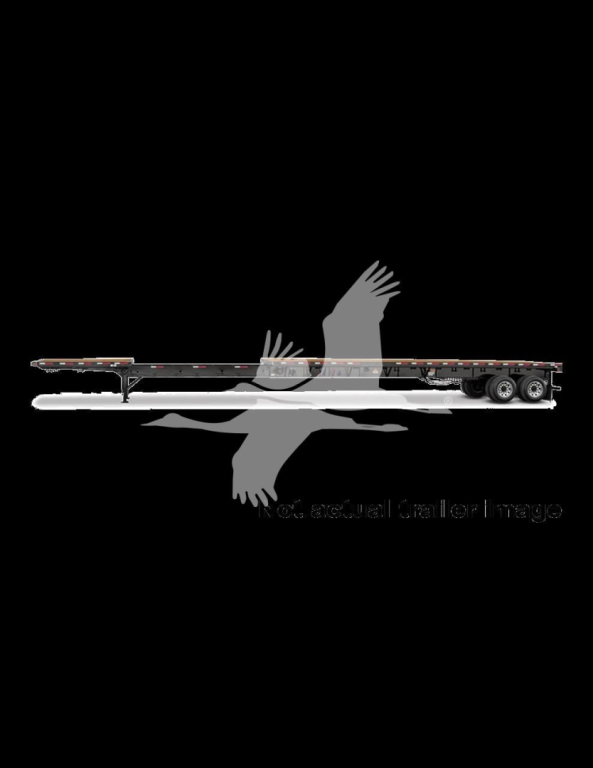
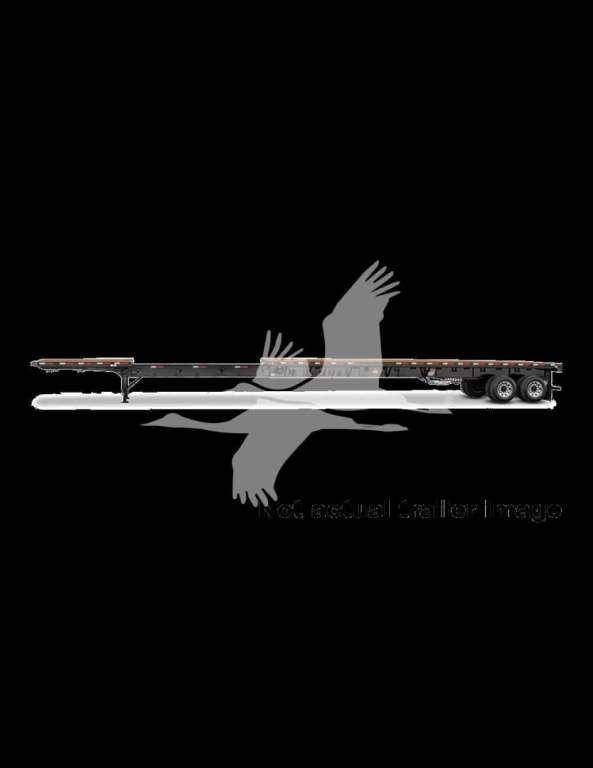
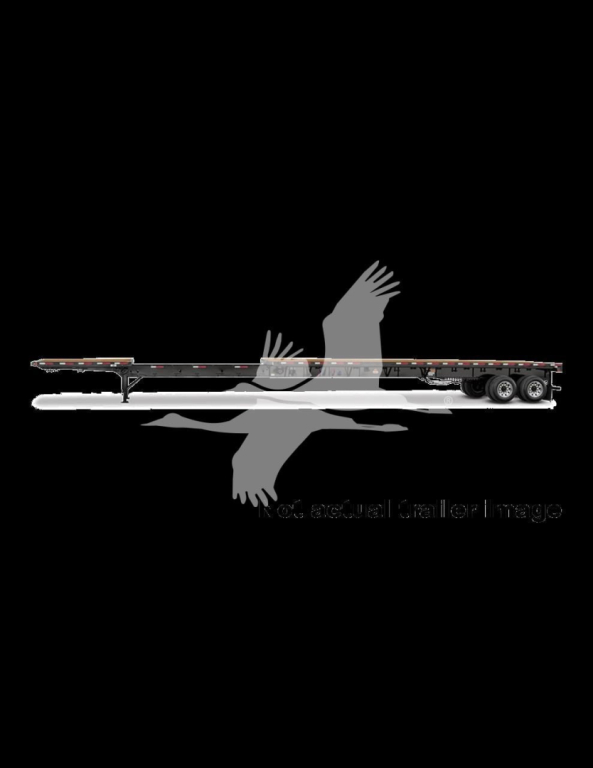
Selling a used 2024 fontaine flatbed trailer? List your used 2024 fontaine flatbed trailer for sale and reach thousands of commercial buyers.
Used 2024 Fontaine Flatbed Trailers
The biggest buying decisions usually come down to length, axle arrangement, and suspension. A 48-foot by 102-inch deck remains the standard for most flatbed work, while extendable models can reach well beyond that for longer structural loads, pipe, and equipment. Many used 2024 Fontaine flatbeds in the market will have tandem axles with either a sliding tandem setting or a fixed spread configuration, and suspension may be spring ride or air ride depending on the original application. Spring ride can keep cost and complexity down, while air ride is often preferred for freight that benefits from better ride quality. Kingpin setting, crossmember spacing, and side rail design also matter because they affect weight distribution, deck strength, and how easily the trailer works with your tractors and usual commodity mix.
Deck and securement details deserve a close look on any used flatbed trailer. Fontaine trailers commonly show up with apitong or wood flooring, stake pockets, pipe spools, sliding winches, and roadside winch tracks. Buyers moving steel, lumber, or palletized freight should pay attention to the condition of the floor, side rails, and winch track, along with signs of concentrated load damage around crossmembers and suspension mounts. On extendable Fontaine flatbeds, inspect the inside track system, extension locks, and rear wiring connections carefully because these components see real wear in operation. Tire size, wheel type, landing gear, mud flap brackets, and LED light layout may seem secondary, but they affect uptime, serviceability, and day-to-day convenience.
A used 2024 Fontaine flatbed can be a strong fit for fleets and owner-operators that want a newer trailer without paying new-trailer pricing. The best unit is not just the lightest trailer on paper. It is the one whose frame, deck, slider, and securement package match the freight you actually haul. For buyers comparing multiple listings, the most useful questions are simple: fixed or extendable, spring or air ride, sliding tandem or spread axle, steel or composite design, and how well the trailer's current spec supports your legal payload and loading routine.
Frequently Asked Questions about Used 2024 Fontaine Flatbed Trailers
What should I look for first on a used 2024 Fontaine flatbed trailer?
Start with the deck length, axle configuration, suspension type, and securement package. Those four items determine how the trailer will fit your freight more than the badge or paint. After that, inspect deck condition, crossmembers, side rails, kingpin area, suspension hangers, brakes, tires, and lighting. On a used 2024 model, buyers should also verify whether the trailer was used in heavy steel service, construction freight, or general commodity hauling because usage history often tells you more than age alone.
Are Fontaine extendable flatbed trailers a good choice for general freight?
They can be, but only if your freight mix justifies the added complexity and empty weight. An extendable flatbed gives you flexibility for long loads such as pipe, poles, and structural material, while still closing down to a more standard deck length for regular work. If most of your loads are standard 48-foot shipments, a fixed-deck flatbed is often simpler to maintain and may offer a better payload profile. Buyers should inspect extension locks, track wear, wiring, and rear structure carefully on any used extendable trailer.
Is spring ride or air ride better on a Fontaine flatbed?
It depends on the commodity and operating preference. Spring ride is simpler, lower-cost, and common on trailers built for rugged service. Air ride is generally preferred when freight is more sensitive to road shock or when drivers want a smoother trailer under varied loading conditions. Neither is automatically better for every buyer. The right choice comes down to maintenance philosophy, lane conditions, and the type of cargo being hauled.
How important are flooring and securement options on a used flatbed trailer?
They are critical because they directly affect safety, loading speed, and trailer usability. A good flatbed spec usually includes a solid wood or apitong deck, usable stake pockets, pipe spools, winch track, and enough sliding winches for your normal cargo. Floor wear, broken boards, damaged nail strips, bent side rails, and loose securement hardware can all create downtime and repair expense. A buyer should match the trailer's securement setup to actual freight instead of assuming every flatbed is equipped the same way.
What axle setup is most common on used Fontaine flatbeds?
Tandem axle configurations are the most common, often with a sliding tandem on standard 48-foot trailers. Some flatbeds also use spread axles for weight distribution advantages, depending on the application and the states where the trailer runs. Sliding tandems give more flexibility for bridge law compliance and dock positioning, while spread axles can improve load distribution but may be less flexible in tight operating environments. The best axle setup depends on your routes, state regulations, and how often you need to adjust weight placement.