
Used 2022 Fontaine Trailers For Sale
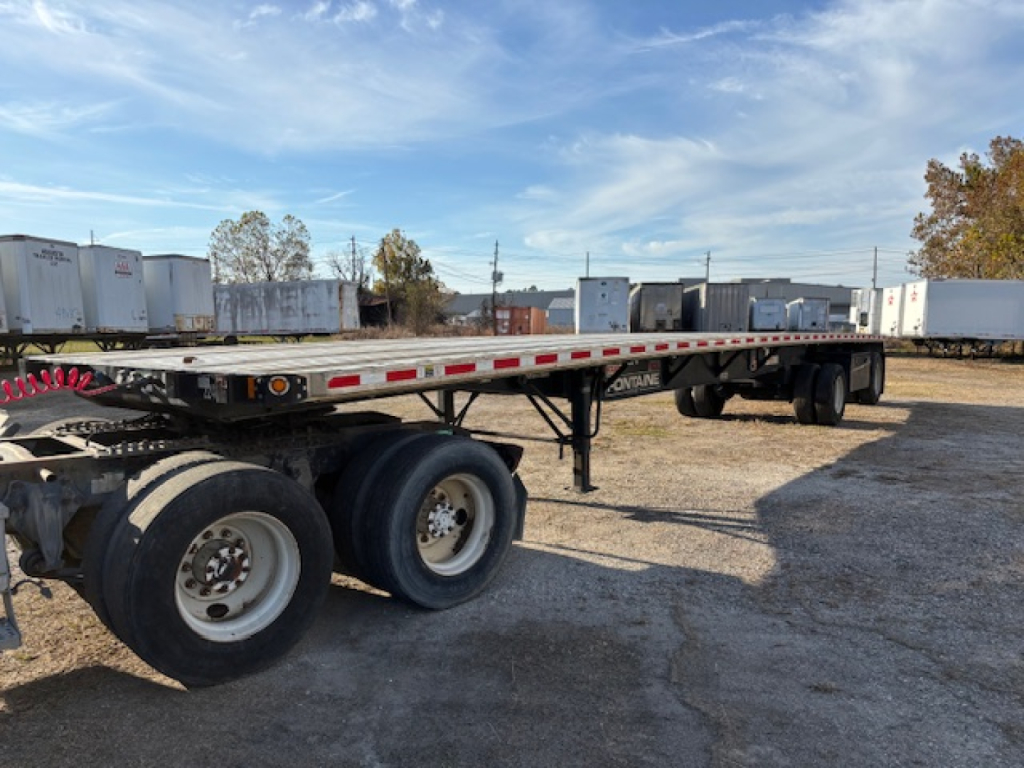
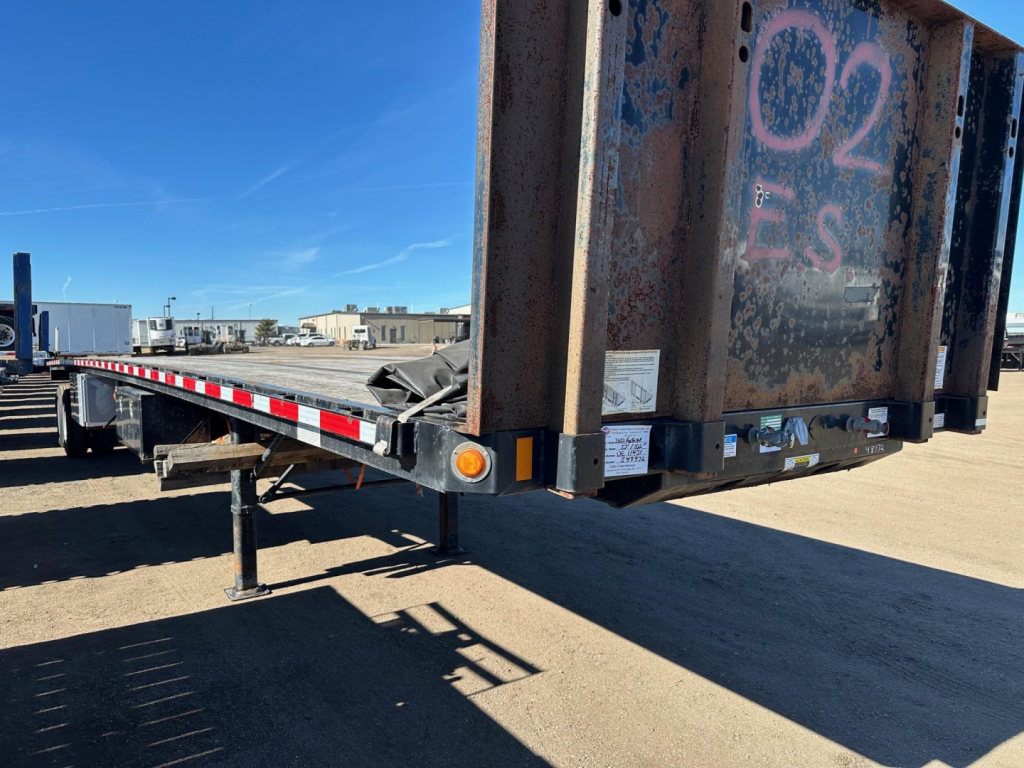
Shop used 2022 Fontaine trailers including flatbeds, drop decks, and lowboys. Compare specs, axle setups, deck materials, and hauling features.
Selling a used 2022 fontaine trailer? List your used 2022 fontaine trailer for sale and reach thousands of commercial buyers.
Used 2022 Fontaine Trailers
For flatbed and drop deck applications, Fontaine is well known for aluminum, steel, and combo construction. That matters because trailer tare weight, repair cost, and long-term durability all change with the material package. Combo trailers with steel main beams and aluminum crossmembers or decking are common when buyers want a balance of payload and structural strength. Features that deserve close attention include winch track placement, sliding winches, chain ties, coil package, bulkhead, nail strips, side rails, crossmember spacing, and kingpin setting. Suspension is another key point. Air ride with spread axle or sliding rear axle setups remains common, and those choices affect bridge compliance, tire wear, maneuverability, and loading flexibility.
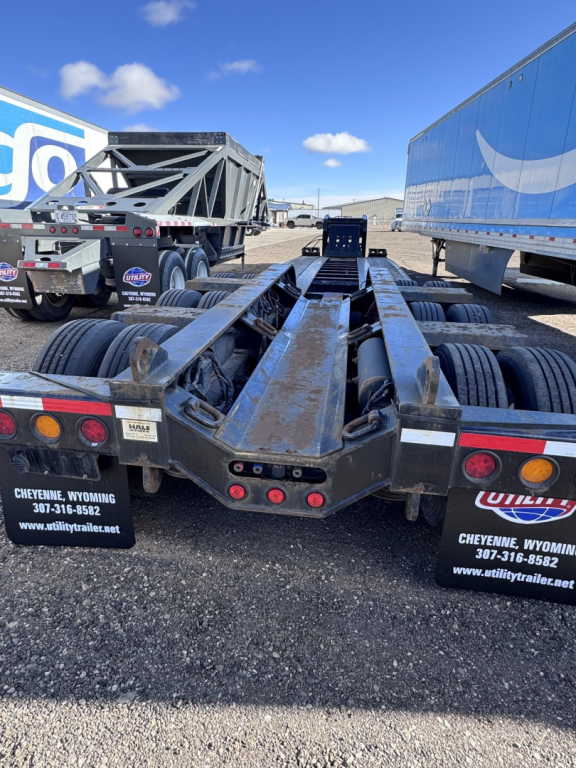
If the 2022 Fontaine trailer you are considering is a drop deck, focus on top deck length, main deck length, loaded deck height, and rear axle position. Those numbers determine whether the trailer is better suited for machinery, building products, crated freight, or taller legal loads that will not fit on a standard flatbed. Aluminum floors with Apitong nail strips, pull-out chain ties, and integrated securement systems are especially valuable on mixed freight work because they reduce setup time and improve load versatility. On lowboy models, the buying conversation shifts toward capacity rating, removable gooseneck design, well length, outriggers, ramp style, and hydraulic system condition. A 55-ton class Fontaine lowboy, for example, serves a very different market than an open-deck highway trailer and should be inspected with heavy-haul permit routing, axle group configuration, and concentrated load handling in mind.
Condition still matters more than model year alone. On any used 2022 Fontaine trailer, buyers should inspect frame alignment, neck and draft arm areas, suspension components, air system integrity, brake life, tire matching, wheel condition, and signs of concentrated deck damage around coil wells, forklift zones, or machine track paths. On open-deck trailers, look for cracked welds near crossmembers, worn winch tracks, bent side rails, damaged scuff areas, and corrosion where steel and aluminum meet. A well-spec'd Fontaine from 2022 can be a strong fit for steel hauling, construction materials, machinery, agricultural equipment, or general freight, but the right trailer is the one whose deck layout, securement package, axle configuration, and tare weight match the freight you move every week.
Frequently Asked Questions about Used 2022 Fontaine Trailers
What types of used 2022 Fontaine trailers are most common?
The most common used 2022 Fontaine trailers on the market are flatbeds, drop decks, and lowboys. Flatbeds are used for general open-deck freight, drop decks are preferred for taller legal loads and machinery with height concerns, and lowboys are built for heavier equipment and concentrated loads. The exact spec can vary widely within each group, so buyers should compare trailer type, length, axle setup, and securement package before focusing on price alone.
Are Fontaine combo trailers a good choice for payload and durability?
Fontaine combo trailers are a common choice when buyers want to reduce tare weight without stepping away from structural strength in key load-bearing areas. A typical combo design uses steel main beams with aluminum components such as crossmembers, deck sections, or side rails. This can improve payload potential compared with all-steel construction while still offering good durability for demanding freight. Buyers should still inspect for corrosion at dissimilar-metal contact points and confirm that prior repairs were done correctly.
What should I check on a used 2022 Fontaine drop deck trailer?
Start with deck dimensions and legal load height, because top deck length, main deck length, and loaded deck height determine what freight the trailer can realistically handle. Then inspect axle spread or sliding rear axle function, suspension condition, brake system, tire wear pattern, and the securement package. Winch tracks, chain ties, nail strips, bulkheads, and coil packages should all be checked for wear or damage. Structural inspection should include crossmembers, frame rails, neck area, and any signs of deck impact from forklifts or equipment loading.
How do I choose between a Fontaine flatbed and a Fontaine drop deck?
The choice comes down to freight profile more than brand or model year. A flatbed is usually the better fit for standard palletized building materials, steel, lumber, and freight that does not need extra deck clearance. A drop deck is the better choice when cargo height is the limiting factor, because the lower main deck allows taller loads to stay legal without overheight permitting in many situations. If your lanes include mixed freight, compare securement options and deck layout closely, because those details often matter more than the trailer nameplate.
What matters most when buying a used 2022 Fontaine lowboy?
Capacity rating, well length, axle group, and removable gooseneck design are the first items to verify on a lowboy. Heavy-haul buyers also need to check outriggers, D-rings, ramp condition, hydraulic system operation, suspension performance, and any lift axle or ride height controls. A lowboy should be matched to the actual equipment being hauled, including machine weight, track width, ground clearance, and permit requirements. On a used unit, service history and structural condition are especially important because heavy concentrated loads can expose weaknesses that are not obvious in a basic walk-around.