
Used Dry Van Trailers For Sale in New York
Used dry van trailers for sale in New York: compare salt corrosion, floor strength, door clearance, and trailer lengths for regional freight routes.
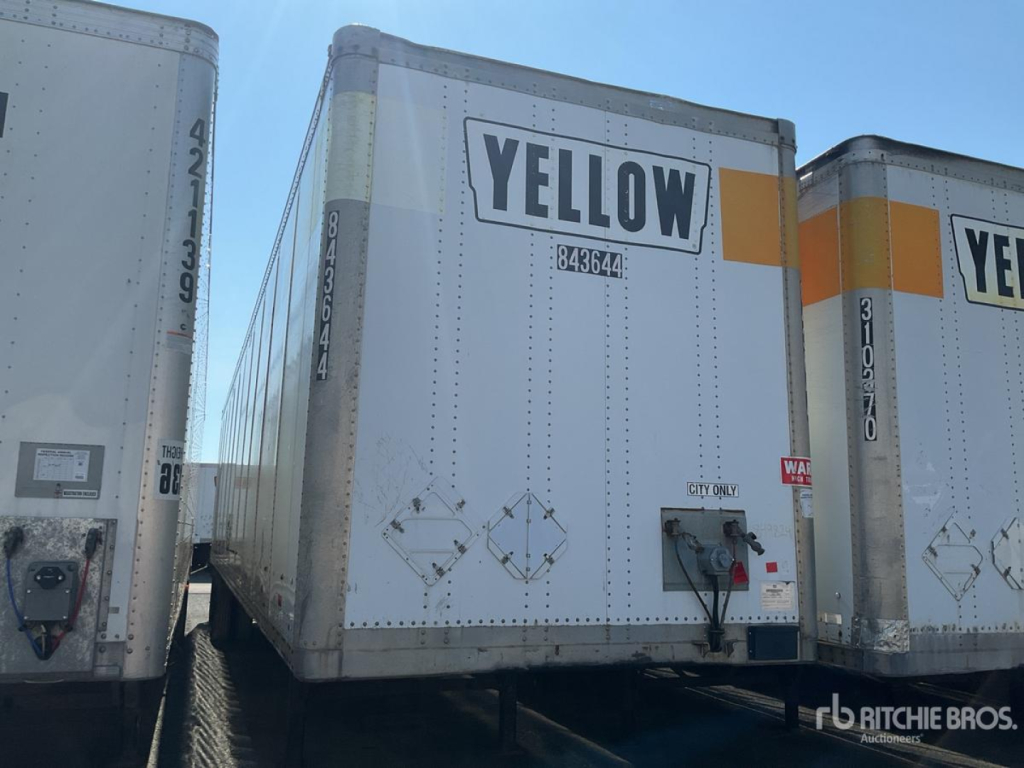
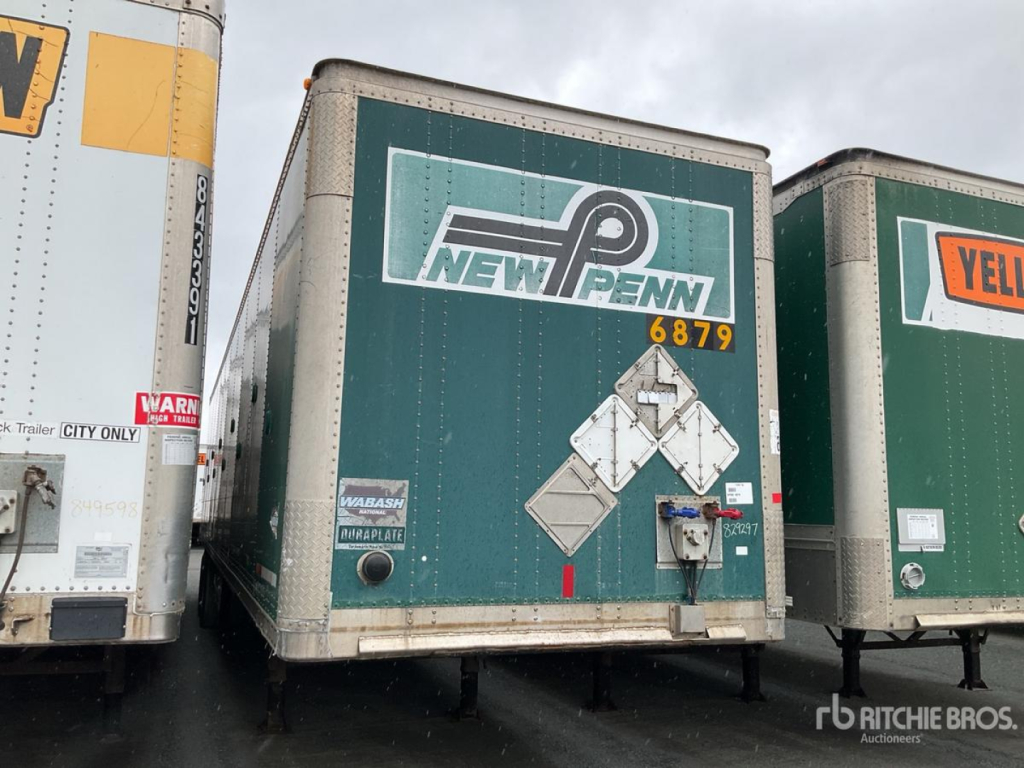
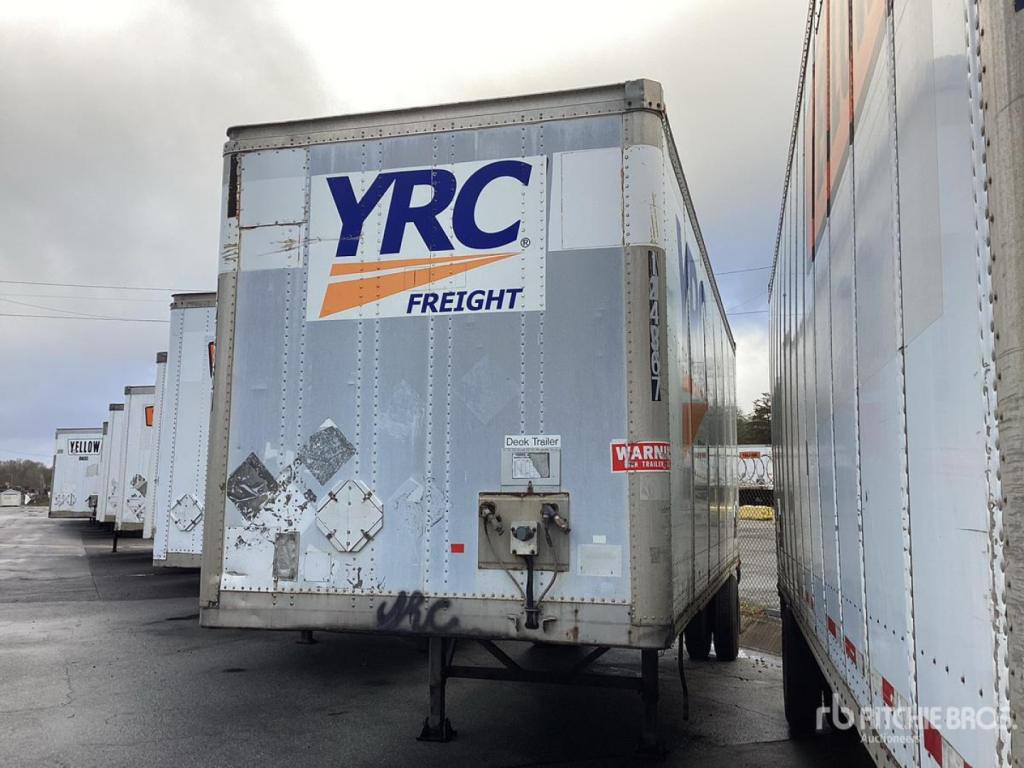
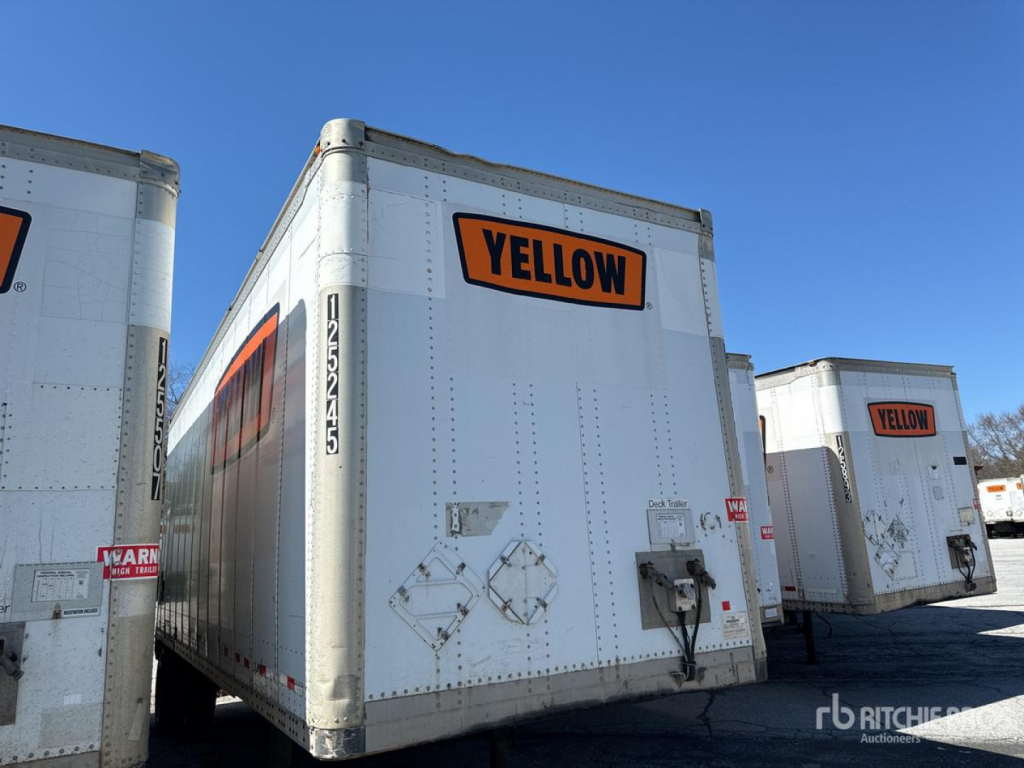
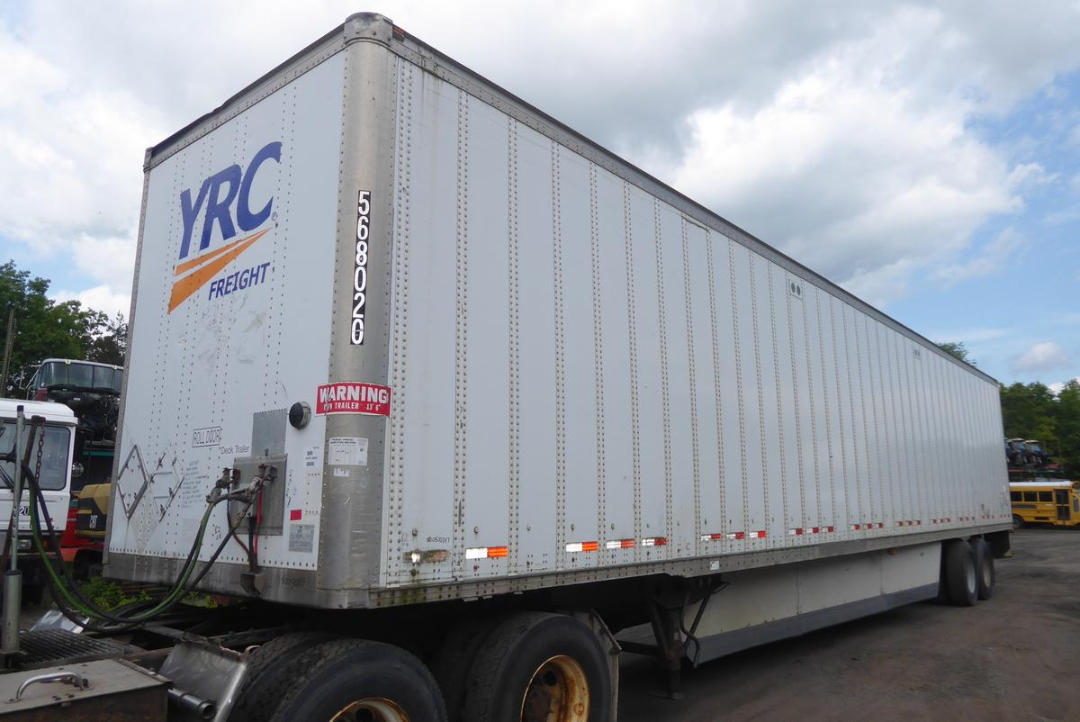
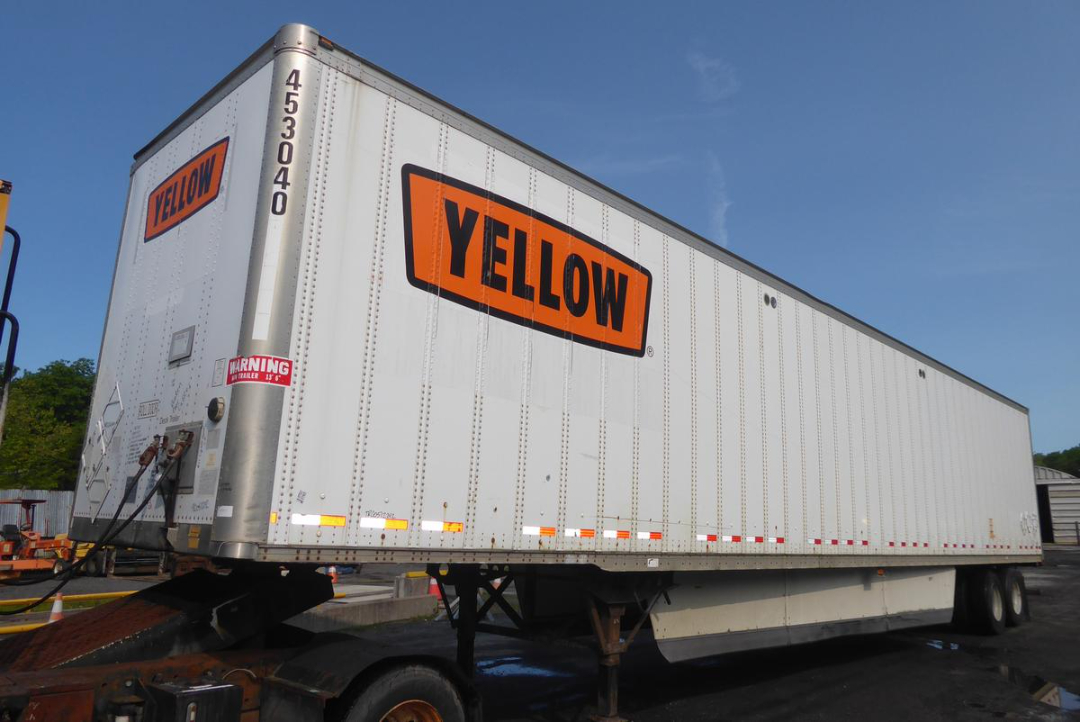
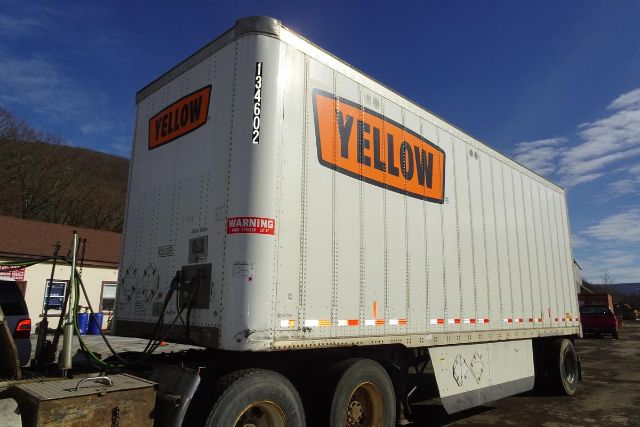
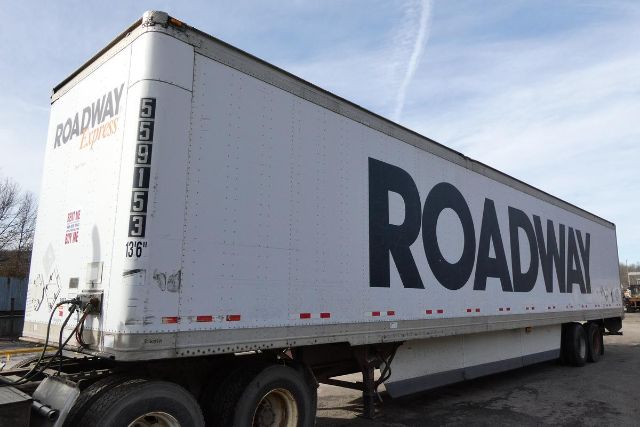
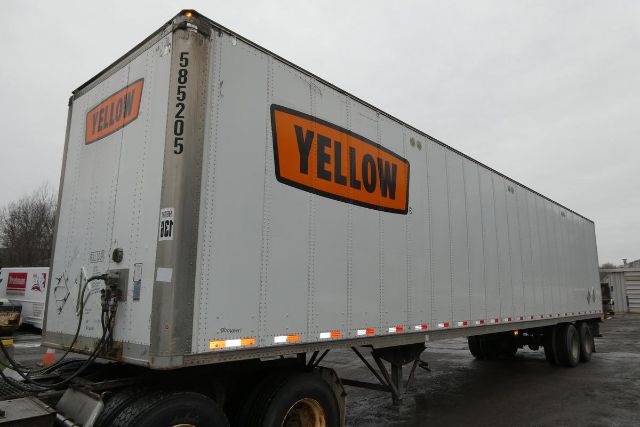
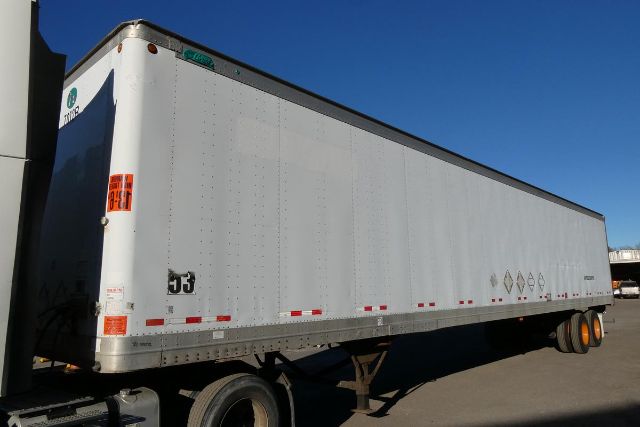
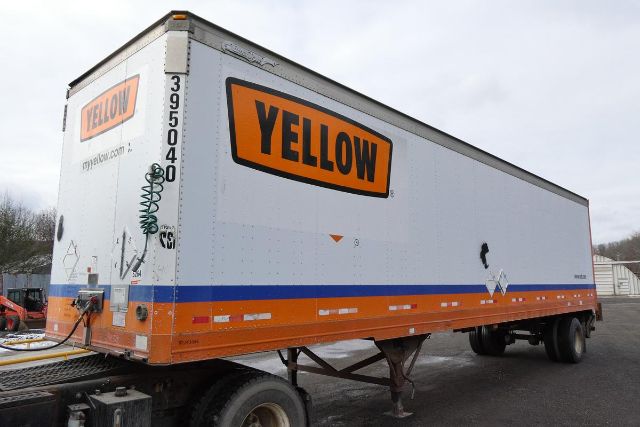
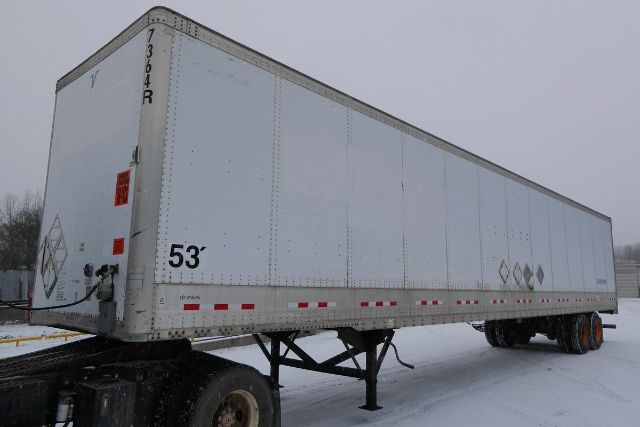
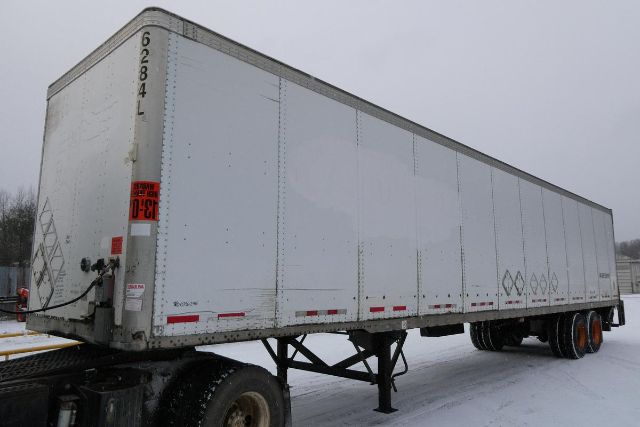
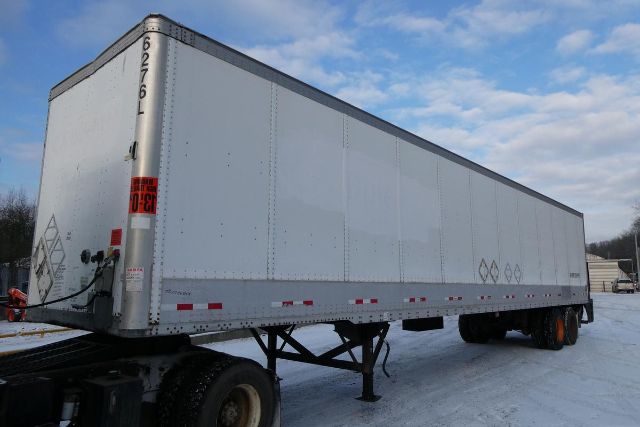
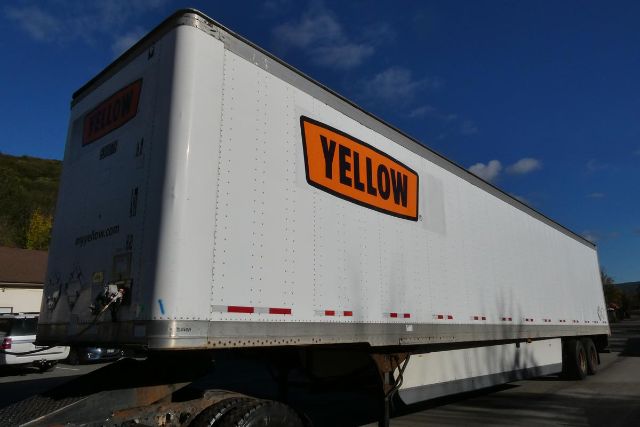
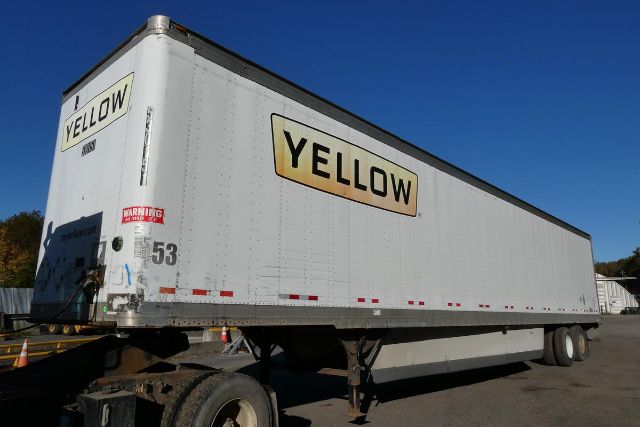
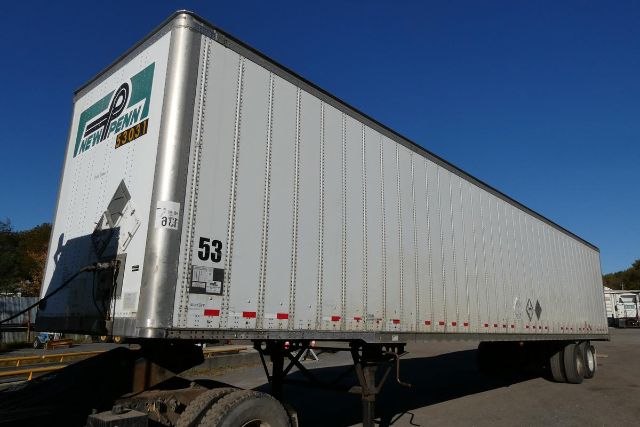
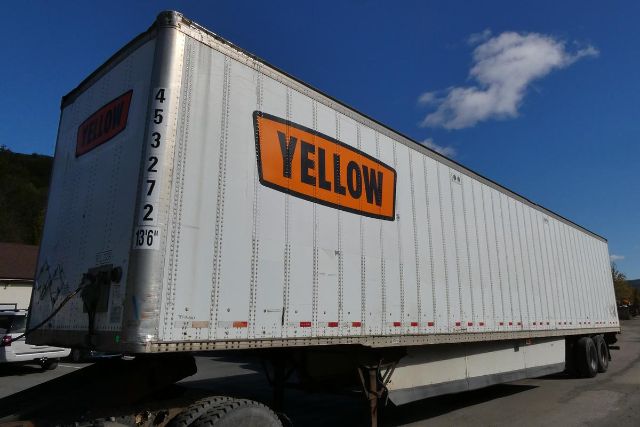
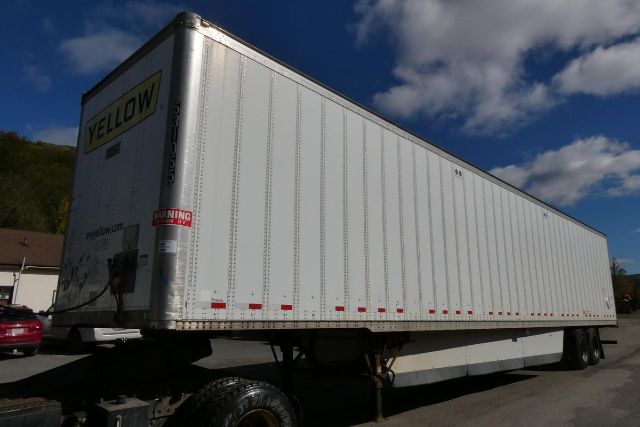
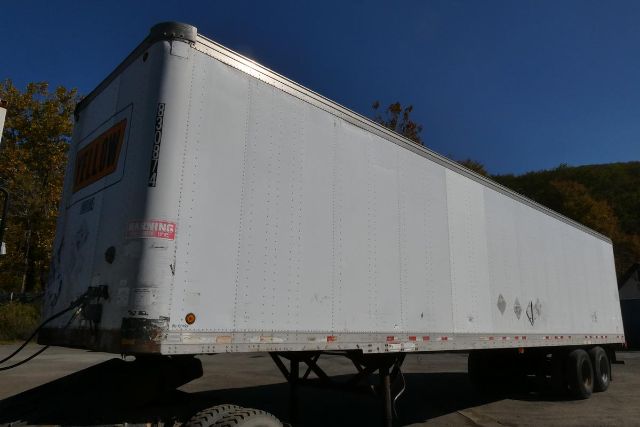
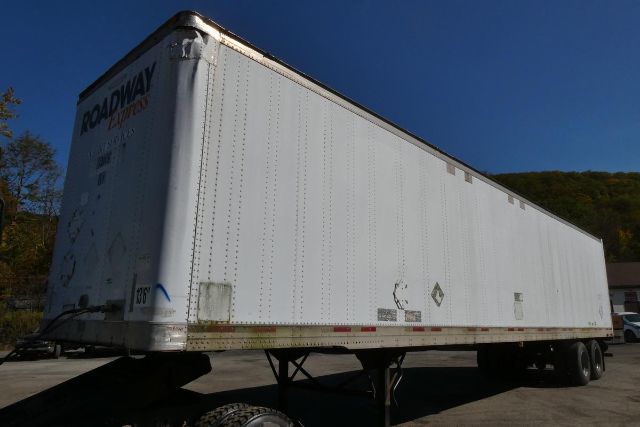
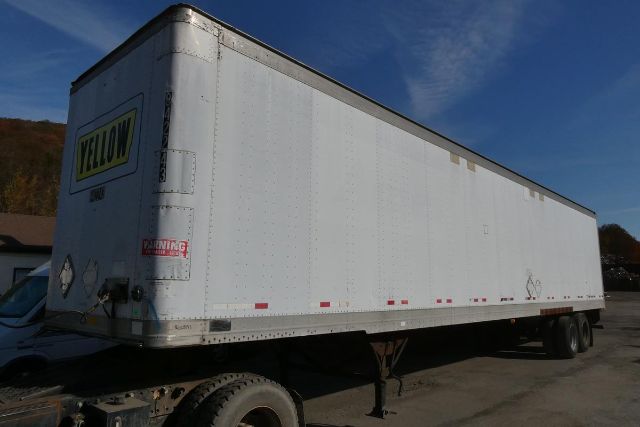
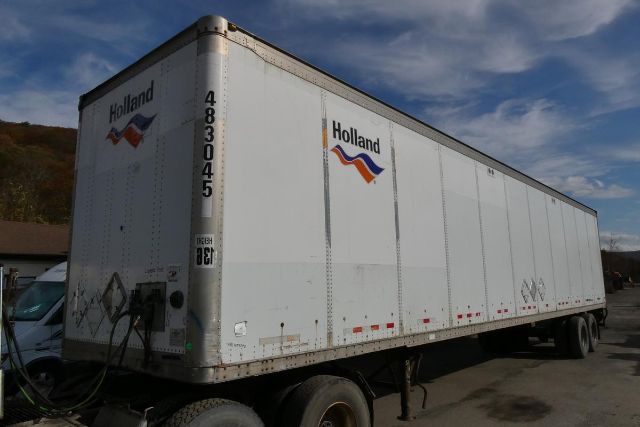
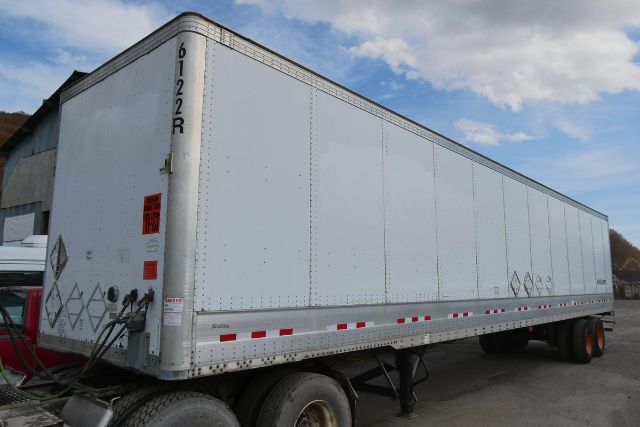
Showing 1 to 28 of 224 results
Selling a used dry van trailer? List your used dry van trailer for sale and reach thousands of commercial buyers.
Used Dry Van Trailers in New York
Match van trailer length to New York’s distribution work: 53-foot trailers serve interstate retail and manufacturing freight along I-90 and I-87, while 28-foot pups and 48-foot vans fit shorter docks and tighter yards. Compare clear door opening, interior width, empty weight, axle ratings, and floor capacity. Roll-up doors suit repeated dock stops but sacrifice opening clearance; swing doors generally offer a larger opening. Confirm downstate route restrictions and bridge clearances before choosing trailer length and height.
Frequently Asked Questions about Used Dry Van Trailers in New York
How do I know whether a used dry van floor can handle my forklift?
The dry van manufacturer’s forklift axle-load rating is the starting point, not the trailer’s GVWR. Compare that rating with the loaded forklift’s axle weight and wheel contact area. On a used trailer, inspect floorboards, fasteners, crossmembers, and repairs because deterioration can compromise the original capacity. Obtain a qualified structural assessment when floor ratings or repair quality cannot be verified.
Can I pull a 53-foot dry van anywhere in New York City?
No, a 53-foot dry van cannot operate on every New York City truck route. New York City restricts 53-foot trailers to specific highway segments, and a street designated as a truck route does not automatically permit that length. Verify the complete delivery route against NYC DOT restrictions, including the approach to the customer’s dock. Navigation software alone is not proof of legal access.
Do I need a heated dry van for winter freight in New York?
Freeze-sensitive freight needs specified temperature protection during New York winters, but ordinary dry freight does not automatically require a heated van. Obtain the shipper’s minimum temperature requirement before choosing equipment. For a used heated dry van, inspect insulation, heater operation, fuel plumbing, and temperature controls. A heater without adequate insulation or verified temperature performance may not protect freight during long stops.
Should I buy a used dry van with air ride or spring suspension?
Air ride is usually the better choice for shock-sensitive freight, while spring suspension can suit durable packaged goods. On a used air-ride dry van, inspect air bags, height-control valves, shocks, and leaks, and confirm the specified ride height. On spring suspension, check broken leaves, worn bushings, and hanger damage. Choose according to cargo requirements and suspension condition rather than treating air ride as proof of a better trailer.