
Used 2017 Dry Van Trailers For Sale in New York
Compare used 2017 dry van trailers for sale in New York by axle layout, door clearance, salt corrosion, and route limits before choosing a work-ready van.
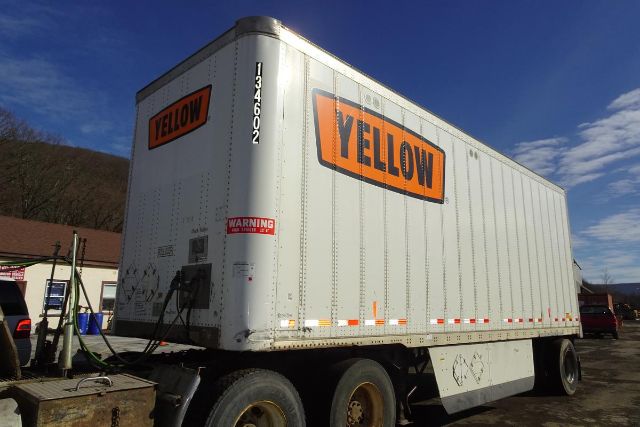
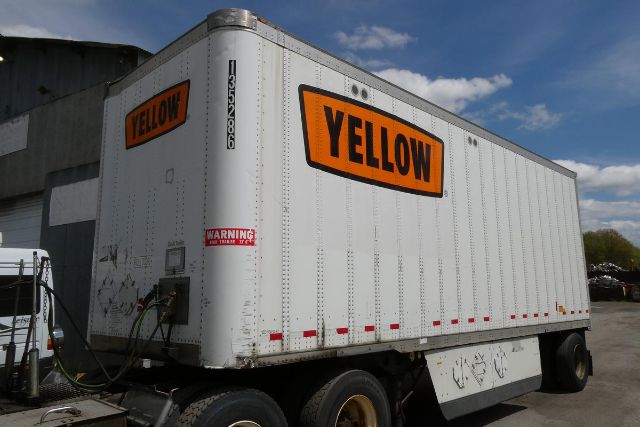
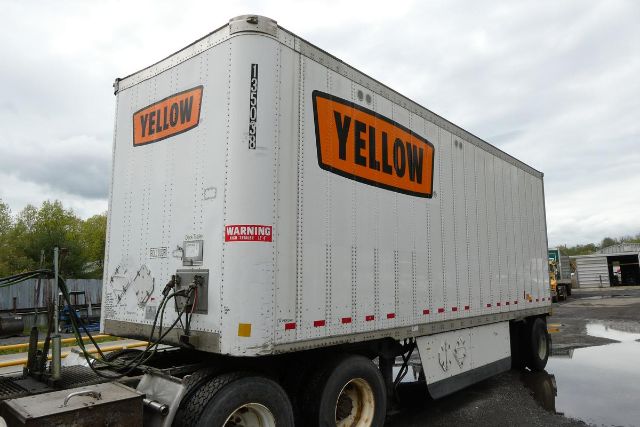
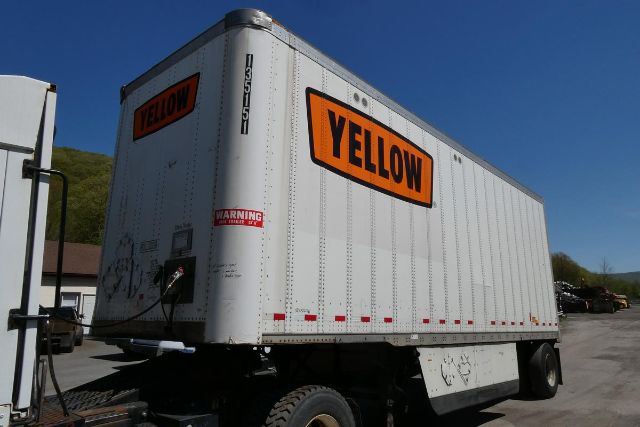
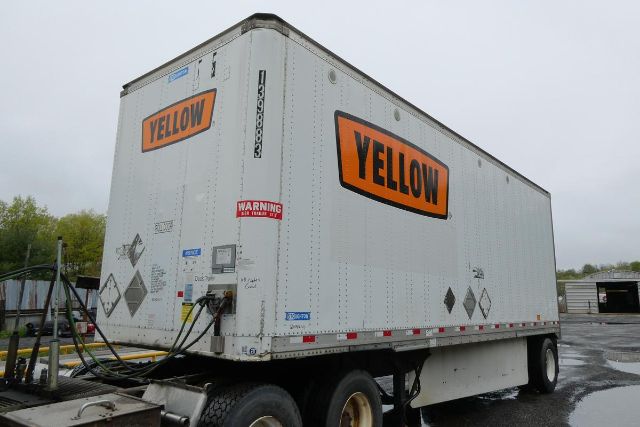
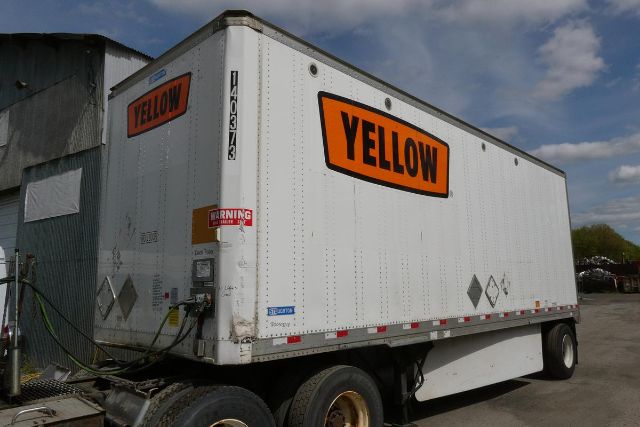
Selling a used 2017 dry van trailer? List your used 2017 dry van trailer for sale and reach thousands of commercial buyers.
Used 2017 Dry Van Trailers in New York
New York winters make the underside inspection critical, even on vans with aluminum sidewalls and roofs. Inspect steel crossmembers, suspension hangers, landing gear mounts, brake chambers, air lines, and the rear impact guard for corrosion, cracked welds, and concealed patches. On a 2017 trailer, check roof seams, corner caps, door seals, and floor edges for repeated leaks; staining or soft wood can indicate damage beyond the visible surface.
Roll-up doors improve clearance behind the trailer at closely spaced docks, but overhead tracks and the raised door reduce usable loading clearance. Operate the door through its full travel and inspect cables, rollers, panels, and the header before judging loading clearance. Swing doors usually give a larger clear opening but need space to open before docking. For a 2017 van, request brake, wheel-end, roof-repair, and annual inspection records, then check tire date codes and ABS operation. A seller's brake percentage is not a substitute for measured lining thickness, drum condition, slack-adjuster operation, and an air-leak test.
Spring ride is common on LTL pups; air ride can suit freight requiring better isolation from road shock. Verify axle ratings and load distribution, particularly on fixed-single-axle trailers, because the trailer's GVWR is not its legal payload. Downstate delivery plans also require a route check: 53-foot trailer restrictions, low bridges, and truck-prohibited parkways can rule out an otherwise suitable van. Confirm New York City access separately from statewide highway dimensions.
Frequently Asked Questions about Used 2017 Dry Van Trailers in New York
Can I use a 53-foot dry van for New York City deliveries?
New York City generally prohibits 53-foot trailers, with limited exceptions on designated routes. A route that permits through travel does not necessarily authorize access to a delivery address. Before assigning a 53-foot dry van, verify the current NYC DOT truck route rules, permitted access, and restrictions at the destination. A shorter trailer still needs a legal truck route and adequate turning clearance.
How do I know whether a used dry van floor can handle my forklift?
The dry van's documented floor rating must accommodate the loaded forklift's concentrated wheel loads, not merely the cargo's total weight. Request the manufacturer's floor specification for the particular trailer configuration and compare it with the forklift's loaded axle weight. Inspect floorboards, fasteners, crossmembers, and previous repairs, especially at the rear threshold where forklifts repeatedly enter. A sound-looking wood surface does not establish structural capacity.
What does a 28-foot pup need to run as the lead trailer in doubles?
A 28-foot dry van needs rated rear coupling equipment and compatible air and electrical connections to serve as the lead trailer in doubles. Verify the pintle hook, mounting structure, safety-chain attachments, and converter-dolly compatibility rather than relying on a seller's doubles claim. The driver needs appropriate doubles authorization, and the complete combination must meet New York route, length, weight, and equipment requirements.
Can a used 2017 dry van haul packaged food?
A used 2017 dry van can haul packaged food when its condition, cargo history, and sanitation meet the shipper's requirements. Model year alone does not establish food suitability. Check for chemical odors, pest evidence, roof leaks, contaminated flooring, and residue from previous loads. Obtain cleaning and prior-cargo records where required, and confirm that the shipment does not require temperature control.
Does a trailer tire inflation system eliminate manual tire checks?
An automatic tire inflation system does not replace manual tire inspections on a used dry van. Verify cold pressure with a gauge and inspect tread, sidewalls, valve hoses, wheel-end connections, and warning indicators. Test the system for leaks and correct pressure settings. Inflation equipment cannot correct tire aging, casing damage, alignment problems, or a leaking wheel seal, all of which require separate attention.