
Used 2009 Dry Van Trailers For Sale in New York
Used 2009 dry van trailers for sale in New York: compare salt corrosion, roof and floor condition, door clearance, and 53-foot routing restrictions.
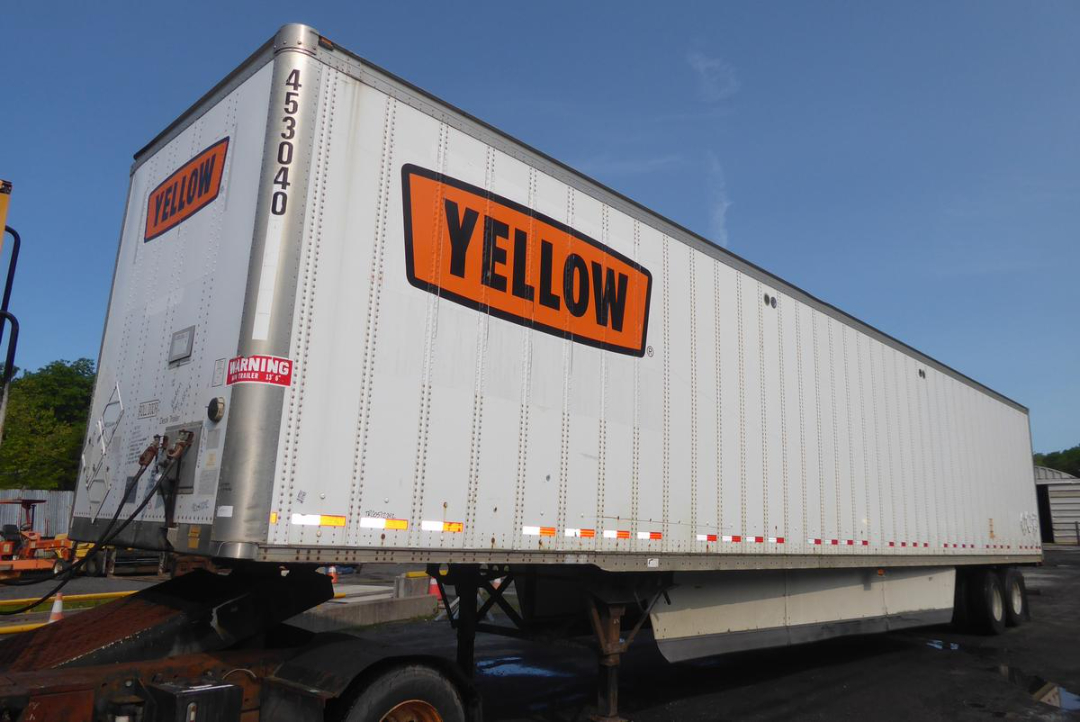
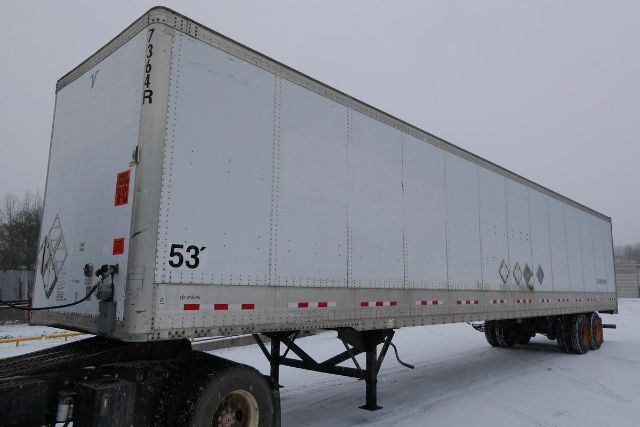
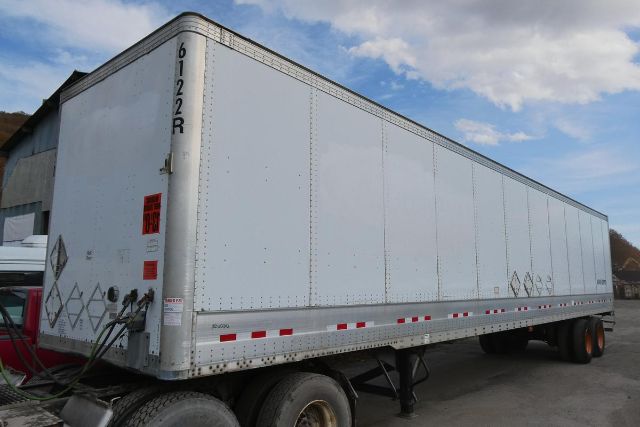
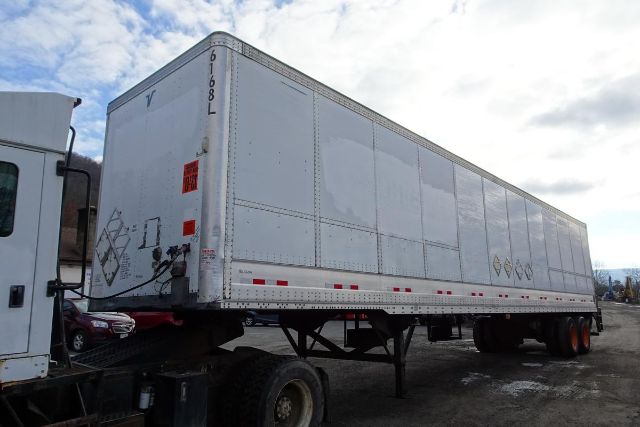
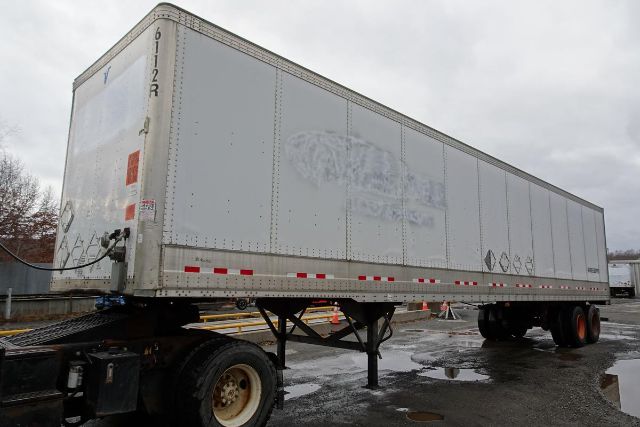

Selling a used 2009 dry van trailer? List your used 2009 dry van trailer for sale and reach thousands of commercial buyers.
Used 2009 Dry Van Trailers in New York
For I-90 and I-87 distribution, compare 48-foot and 53-foot vans for dock access and cubic capacity; select spring ride or air ride according to cargo sensitivity. Roll-up doors suit repeated dock stops but often sacrifice opening height compared with swing doors, so measure clearances rather than relying on nominal size. Confirm New York City routing restrictions before assigning a 53-foot trailer to city deliveries.
Frequently Asked Questions about Used 2009 Dry Van Trailers in New York
Can I use a 53-foot dry van trailer anywhere in New York City?
No, a 53-foot dry van trailer cannot be used freely throughout New York City. The city restricts these trailers, with limited designated highway access and specific exceptions. Check the exact tractor-trailer route against NYC DOT rules before planning deliveries; a legal interstate configuration elsewhere in New York does not establish legal access to a city warehouse.
How much cargo can a 2009 dry van with a 68,000-pound GVWR carry?
A trailer's 68,000-pound GVWR is not its legal cargo capacity. For a used 2009 dry van, calculate payload from the complete combination's legal weight limit minus the actual tractor and trailer empty weights. Axle ratings, axle spacing, tandem position, and route limits can reduce the allowable load further. A liftgate or heavy repair reinforcement also reduces remaining payload.
How do I know whether an older dry van floor can handle my forklift?
The floor system's concentrated-load rating, not trailer GVWR, determines whether a dry van can handle a loaded forklift. Request the manufacturer's floor rating and compare it with the forklift's loaded front-axle load and tire contact area. On a 2009 trailer, inspect crossmembers, floor screws, board ends, and patched sections because deterioration can reduce capacity below the original rating.
When is a liftgate worth having on a used dry van trailer?
Ground-level deliveries justify a liftgate when receiving sites lack a usable dock or forklift. Check the gate's rated capacity at the specified load center against the pallet, freight, and pallet jack combined weight. On an older dry van, inspect hinge pins, platform corrosion, hydraulic cylinders, hoses, and battery charging provisions; verify that the stowed gate clears dock equipment.
Should a 2009 dry van trailer have ABS, and how do I check it?
A 2009 heavy air-braked dry van trailer was required to be built with ABS. Verify that the trailer ABS warning lamp performs its proper power-up check, then have a technician read faults and inspect sensors, tone rings, wiring, and power supply. A lamp that never illuminates is not proof of a healthy system, and ordinary brake operation does not confirm ABS function.