
Used 2009 Dry Van Trailers For Sale
Used 2009 dry van trailers for sale: compare floor strength, roof integrity, door clearance, and corrosion before choosing a 48- or 53-foot trailer.
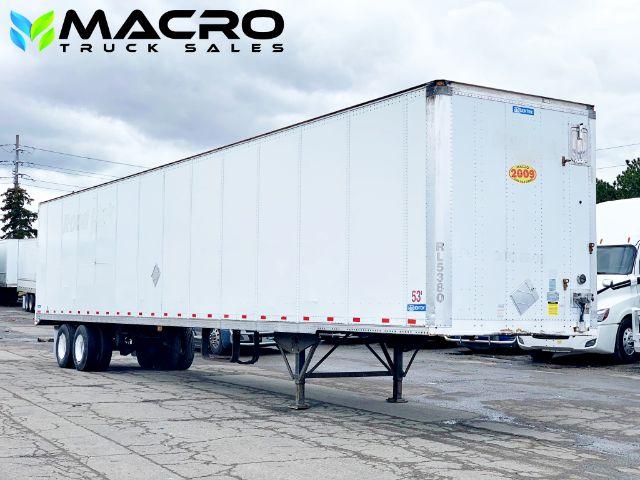
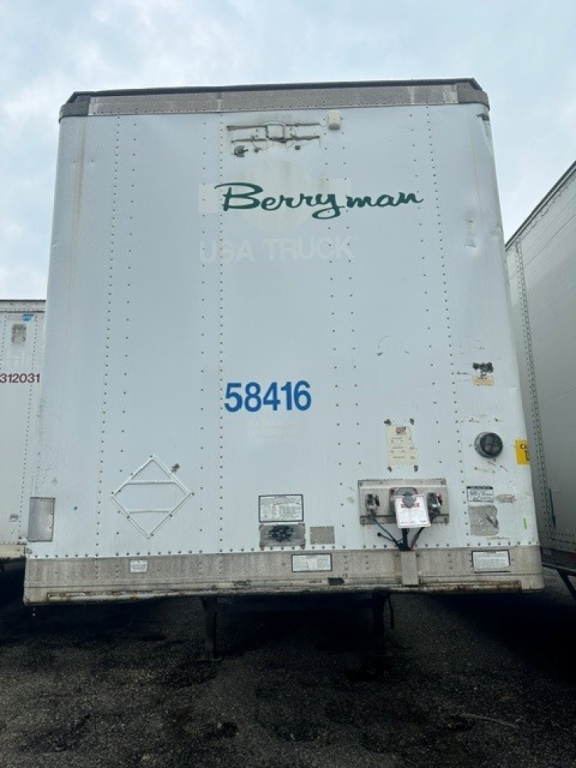
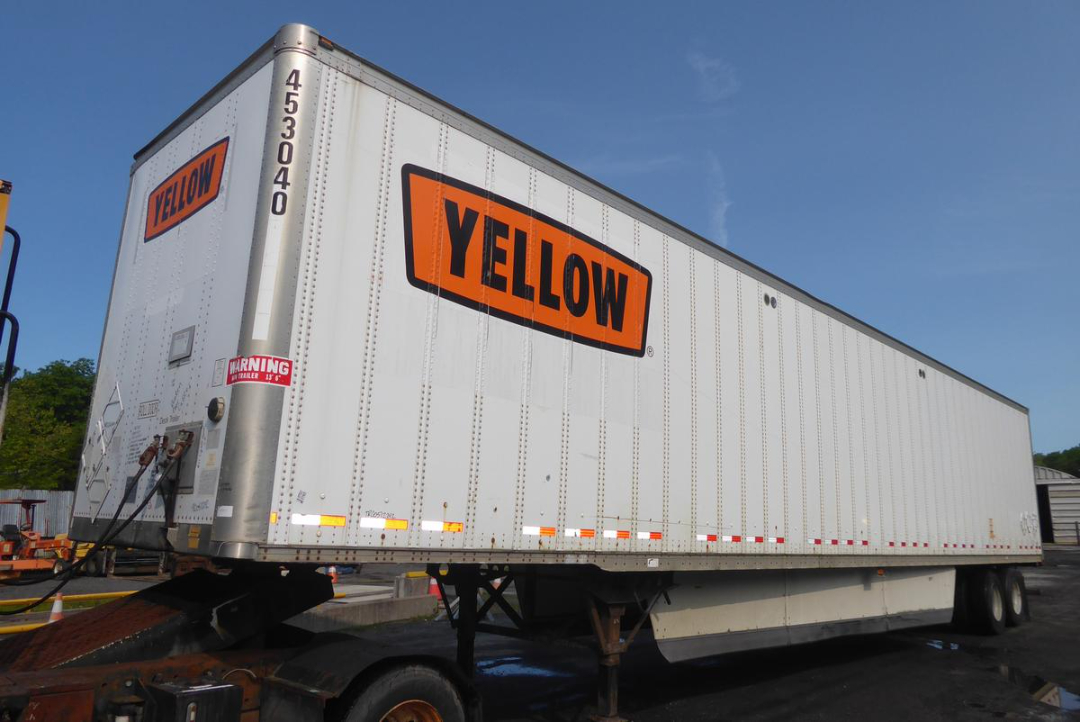
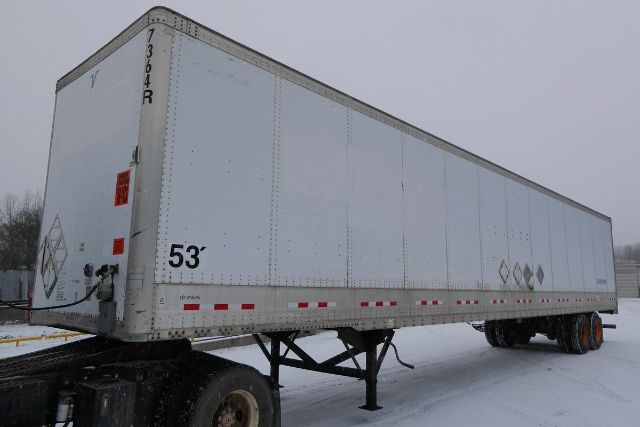
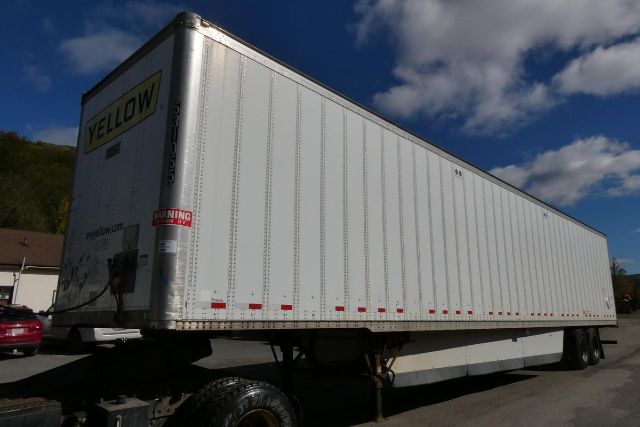
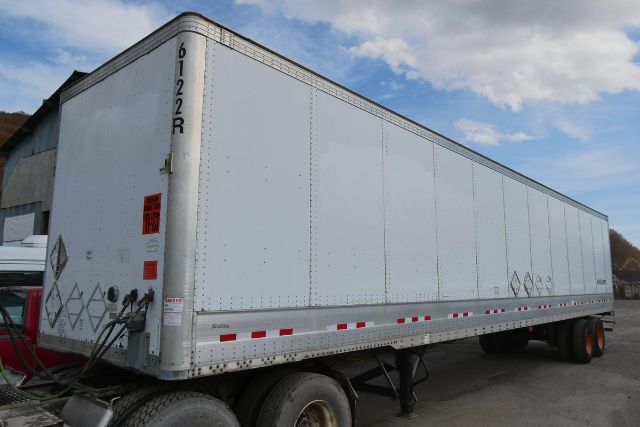
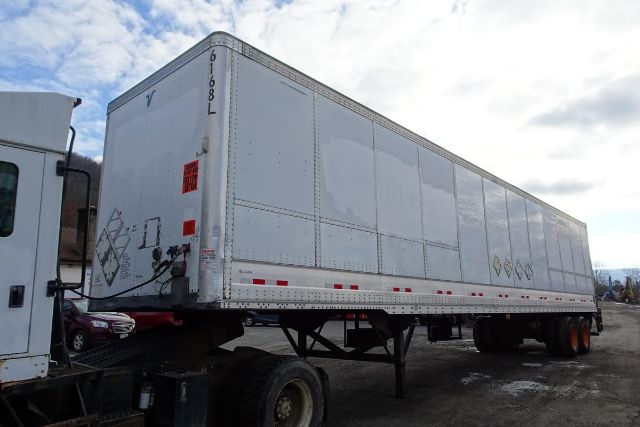
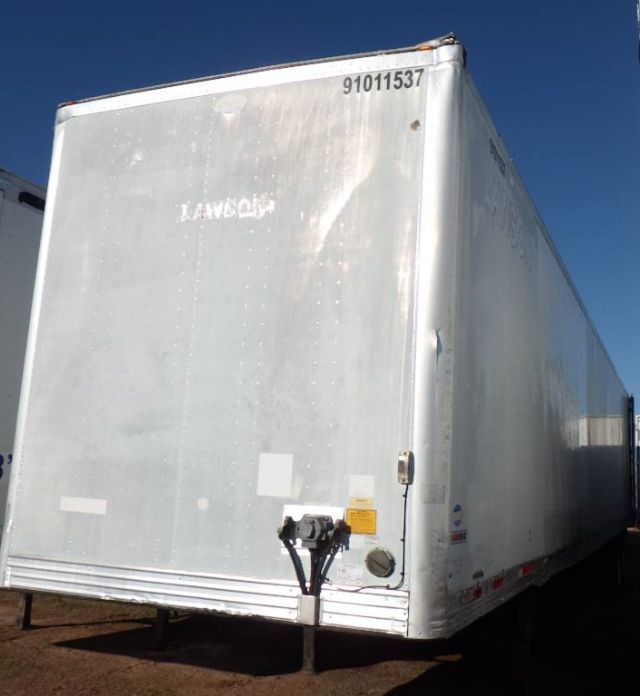
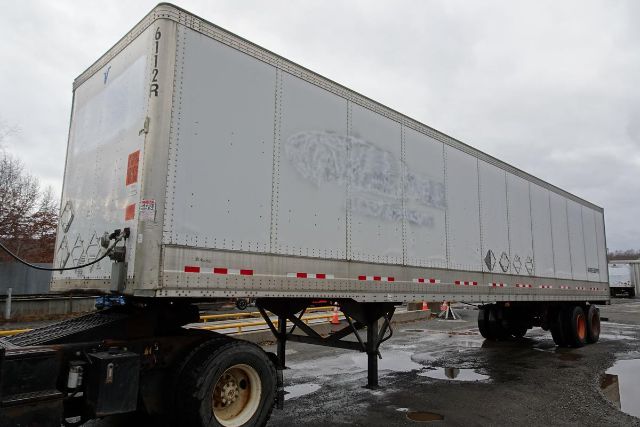

Selling a used 2009 dry van trailer? List your used 2009 dry van trailer for sale and reach thousands of commercial buyers.
Used 2009 Dry Van Trailers
On a 2009 van trailer, inspect the upper coupler and kingpin mounting, crossmembers, lower rails, rear sill, and landing-gear attachments for corrosion, cracks, and undocumented repairs. Salt exposure in northern US states and Canadian provinces can hide serious deterioration beneath an aluminum body. Check wood floors from both sides, roof seams, door seals, slider locking pins, brakes, wheel ends, suspension components, and ABS operation. Maintenance records should document structural work and running-gear replacements. Confirm loaded weights, tandem position, and route limits for every state or province involved; trailer GVWR alone does not establish legal payload.
Frequently Asked Questions about Used 2009 Dry Van Trailers
Is a 2009 dry van trailer too old for regular highway freight?
A 2009 dry van trailer is not automatically too old for highway freight if its structure and running gear remain serviceable. Some shippers and carriers impose trailer-age limits, so confirm contract requirements before buying. Evaluate repair history, water intrusion, and recurring downtime rather than relying on model year alone. Extensive structural corrosion can make continued service impractical even when brakes and tires are sound.
How do I know whether a 2009 dry van floor can handle my forklift?
The manufacturer's floor rating must cover the loaded forklift's concentrated wheel loads, not merely the cargo's total weight. Obtain the original floor specification for the 2009 dry van trailer and compare it with the forklift's loaded axle weight and wheel configuration. Replacement boards do not prove that the original rating remains intact. Damaged crossmembers, loose fasteners, and deteriorated wood require evaluation before forklift loading.
Should I choose air ride or spring ride on a used 2009 dry van?
Air ride is usually the better choice for a 2009 dry van trailer carrying damage-sensitive freight or serving contracts that require air suspension. Spring ride can suit durable palletized goods and eliminates air bags and height-control valves from the maintenance list. Inspect spring hangers and bushings on spring suspensions, and check air bags, leveling controls, and leaks on air-ride suspensions.
Does a 68,000-pound trailer GVWR mean I can haul 68,000 pounds of cargo?
A 68,000-pound GVWR does not mean a dry van trailer can legally carry 68,000 pounds of freight. GVWR includes the trailer's own weight, and the loaded combination must also satisfy axle, tire, bridge, and route limits. The usual US Interstate gross combination limit is 80,000 pounds, subject to exceptions. Canadian limits vary by province and axle configuration, so calculate payload for the actual tractor-trailer combination.
Does a 2009 dry van trailer need an annual safety inspection?
A 2009 dry van trailer used in US interstate commercial service must pass a periodic inspection at least every 12 months under 49 CFR 396.17. Verify the inspection documentation and confirm that identified defects were repaired; a decal alone does not establish present condition. Canadian commercial trailer inspection requirements follow provincial rules, so confirm the applicable program and interval where the trailer will operate.