
Used 2011 Dry Van Trailers For Sale in New York
Compare used 2011 dry van trailers for sale in New York with guidance on salt corrosion, floor strength, rear doors, and delivery-route restrictions.
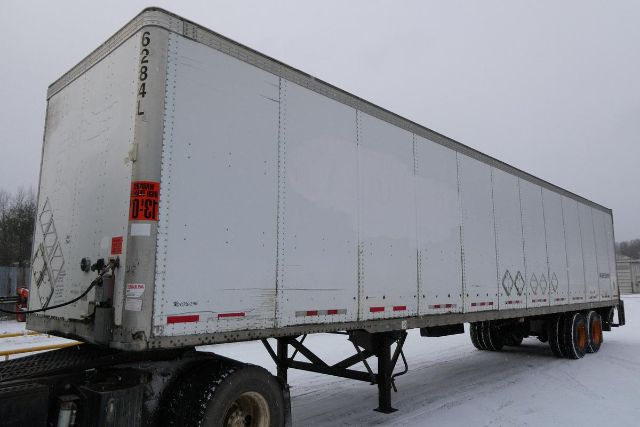
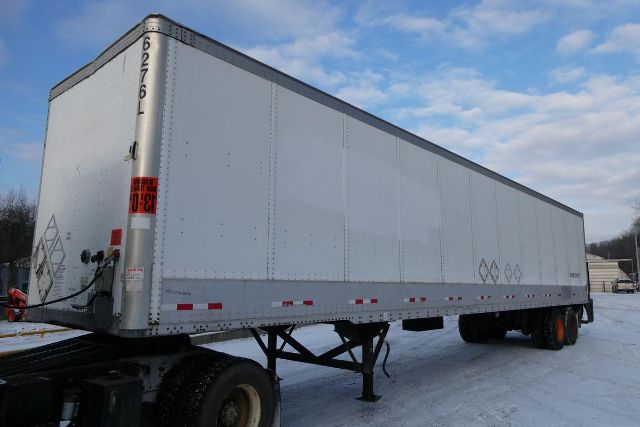
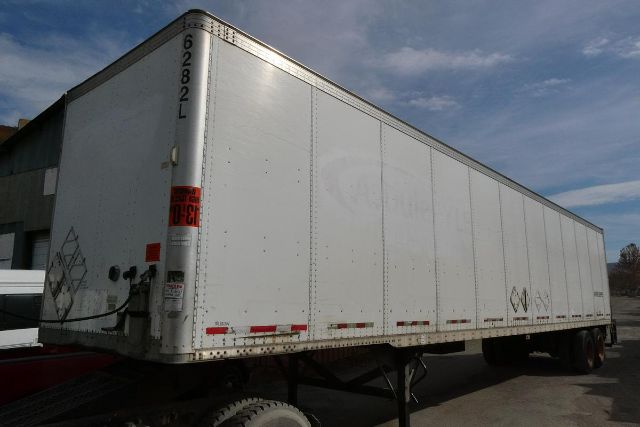
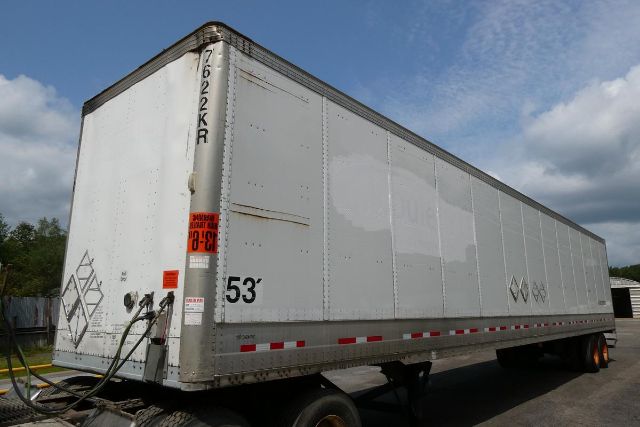
Selling a used 2011 dry van trailer? List your used 2011 dry van trailer for sale and reach thousands of commercial buyers.
Used 2011 Dry Van Trailers in New York
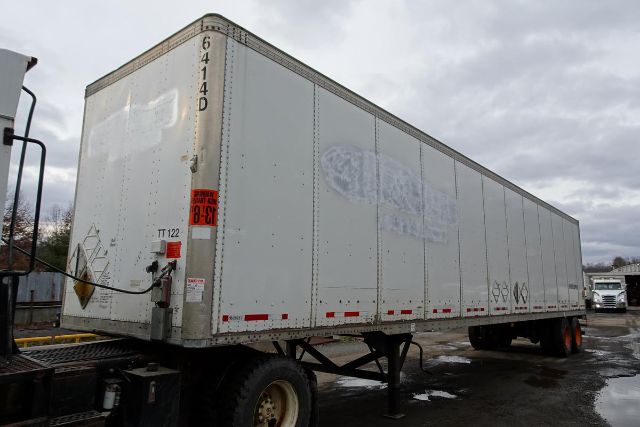
Match trailer length and rear-door clearance to the freight before comparing empty weights. Dry freight trailers and box trailers commonly use 48- or 53-foot bodies, but outside dimensions do not establish usable interior width or door height. Roll-up doors save rear swing clearance at delivery stops but consume overhead space; swing doors usually provide a larger opening. Sheet-and-post and composite sidewalls differ in interior width and repair methods. These enclosed, non-refrigerated trailers suit palletized retail freight, packaged dry foods, and manufactured goods moving along I-90, I-81, and I-87. Verify floor rating for the actual forklift axle load, dock compatibility, and cargo securement provisions.
By the 2011 model year, ABS was established equipment on new highway semitrailers, so a missing or disabled system is not an age-related feature omission. Check the warning-lamp sequence, wiring, air lines, brake chambers, drums, and lining thickness rather than relying on a seller's brake percentage. Operate the sliding tandem through its travel and confirm that every locking pin seats fully. On air-ride models, check bags, height-control linkage, shocks, and bushings. Tire age, uneven wear, and wheel-end leakage can reveal deferred maintenance or alignment problems. Maintenance records should distinguish routine floor repairs from collision work and document brake and wheel-end service.
Roof seams, translucent panels where fitted, front corners, door seals, and floor edges need close inspection for leaks and freeze-thaw damage. Liftgate-equipped vans require a loaded operating test and inspection of mounting steel and hydraulic components. Measure actual trailer height and confirm legal truck routing for downstate deliveries, where shorter length does not eliminate low-clearance restrictions.
Frequently Asked Questions about Used 2011 Dry Van Trailers in New York
Can I use a 53-foot dry van for deliveries in New York City?
New York City generally prohibits 53-foot trailers, with limited authorized exceptions for specified routes and operations. A 53-foot dry van suited to upstate interstate work should not be purchased on the assumption that it can make ordinary city deliveries. Verify the exact origin, destination, authorized route, and trailer dimensions against current NYC DOT requirements before choosing that configuration.
How many standard pallets fit in a 48-foot versus a 53-foot dry van?
A 48-foot dry van typically accommodates 24 standard 48-by-40-inch pallets, while a 53-foot van typically accommodates 26 in a straight, single-layer arrangement. Those figures assume sufficient clear interior dimensions and no cargo overhang. Actual loading also depends on pallet orientation, securement space, freight weight, and axle distribution, so pallet positions alone do not establish usable payload.
Is a 4,000-pound liftgate enough for pallet deliveries?
A 4,000-pound liftgate must support the entire load placed on its platform, including the pallet, freight, pallet jack, and any permitted rider. The manufacturer's load-center restrictions and platform dimensions also govern safe capacity. On a used 2011 dry van, verify the gate's identification plate and manual, then have its mounting structure and loaded operation evaluated before assigning delivery work.
Does a used 2011 dry van need an annual DOT inspection?
A dry van used in interstate commercial service requires a documented periodic inspection at least every 12 months under 49 CFR 396.17. A current inspection does not replace a buyer's structural and mechanical evaluation, particularly on a 2011 trailer exposed to road salt. Confirm the inspection documentation identifies the trailer correctly, and separately verify applicable state inspection requirements.