
Used 1997 Dry Van Trailers For Sale in New York
Used 1997 dry van trailers for sale in New York: compare salt corrosion, floor strength, door clearance and axle condition before choosing a trailer.
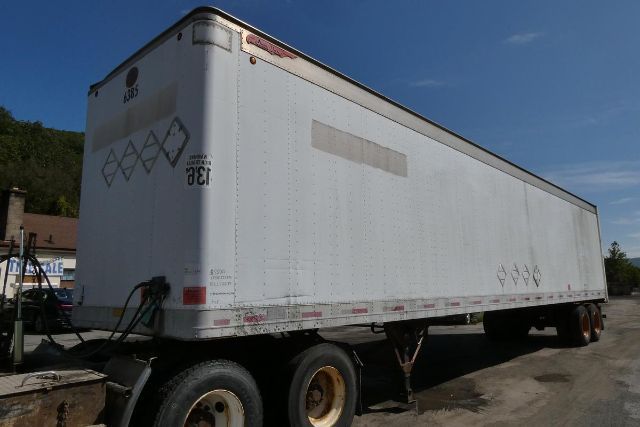
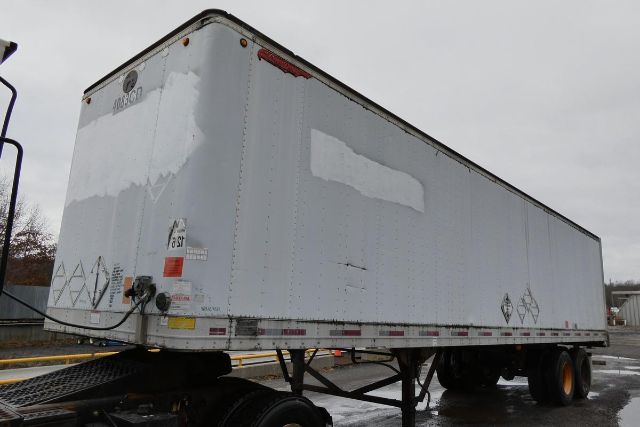
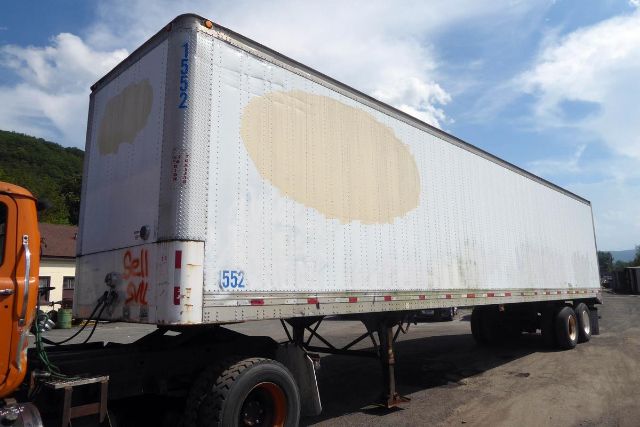
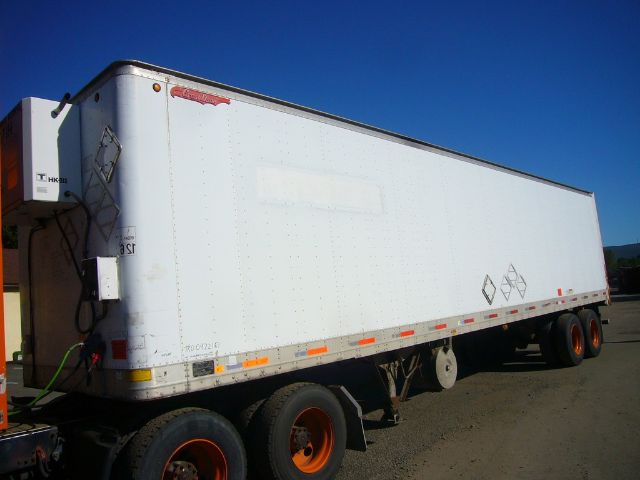

Selling a used 1997 dry van trailer? List your used 1997 dry van trailer for sale and reach thousands of commercial buyers.
Used 1997 Dry Van Trailers in New York
Length, door clearance and floor capacity determine whether a dry freight trailer fits the job. Shorter 40- and 45-foot vans can suit local distribution, while 48- and 53-foot configurations provide more cargo space where routes and docks permit. Measure the actual rear opening rather than relying on nominal exterior dimensions, especially with overhead doors that consume header space. Swing doors usually provide a larger clear opening but need room to open before docking. Check wood flooring for rot and patched sections, and verify the floor's suitability for the loaded forklift.
A 1997 dry van's condition matters more than the badge on a Great Dane, Trailmobile, Utility or Wabash. Confirm replacement-part compatibility by axle, suspension and brake component identification rather than model name alone. Air-ride systems need sound bags, height-control valves and mounts; spring suspensions need close inspection of hangers, bushings and leaves. Cycle the landing gear and release the slider pins, then verify that every pin locks securely. Inspect roof seams, translucent panels, door seals and interior water stains, and have a qualified technician check brake operation, air leaks and wheel ends.
New York's I-90 and I-81 freight lanes support retail, manufacturing and agricultural distribution, but statewide highway use and New York City delivery work require different route planning. Check permitted trailer dimensions, axle weights and posted clearances for the actual route, not just the interstate portion. For freeze-sensitive freight, a heated van needs verified insulation and heater performance; heat alone does not provide refrigerated temperature control.
Frequently Asked Questions about Used 1997 Dry Van Trailers in New York
Does a 1997 dry van trailer have to have ABS?
A 1997 dry van trailer predates the federal ABS requirement for new air-braked trailers manufactured on or after March 1, 1998. Model year alone does not prove whether ABS was installed, so inspect for wheel-speed sensors, wiring, a control module and a warning lamp. Missing or disabled equipment on a trailer originally equipped with ABS requires a separate compliance review.
Can I use a 53-foot 1997 dry van for New York City deliveries?
A 53-foot dry van is generally prohibited on New York City streets, with limited designated-route exceptions rather than blanket delivery access. Confirm the complete route with current city truck-route and dimension rules before choosing a trailer. A shorter van still requires checks for combination length, bridge clearances, posted restrictions and access to the receiving dock.
Does New York require an annual inspection on a 1997 dry van trailer?
A New York-registered dry van trailer requires a safety inspection at least once every 12 months. Commercial operation can also trigger federal periodic-inspection requirements, so confirm which inspection documentation satisfies the trailer's registration and operating status. A current inspection sticker does not establish remaining brake life, floor capacity or freedom from corrosion; obtain a separate purchase inspection.
Does a 65,000-pound trailer GVWR mean I can haul 65,000 pounds of cargo?
A 65,000-pound dry van GVWR includes the trailer's own weight, not just its cargo. Payload is limited by the lowest applicable constraint: trailer GVWR, axle and tire ratings, tractor capacity, and legal combination and axle weights. Obtain an actual empty scale weight, including any heater or added equipment, and check loaded axle distribution with the slider positioned for the intended route.
Can a heated 1997 dry van protect freight during a New York winter?
A heated dry van can protect freeze-sensitive freight only if its insulation, heater output and airflow meet the cargo's temperature requirements. Require a cold-weather operating test that measures temperatures throughout the cargo area and recovery after door openings. Inspect heater fuel lines, exhaust routing and service records, and use temperature monitoring when cargo damage could result from a heater failure.