
Used 1997 Dry Van Trailers For Sale
Used 1997 dry van trailers for sale: compare door clearance, floor strength, corrosion, and brake systems before choosing a trailer for freight work.
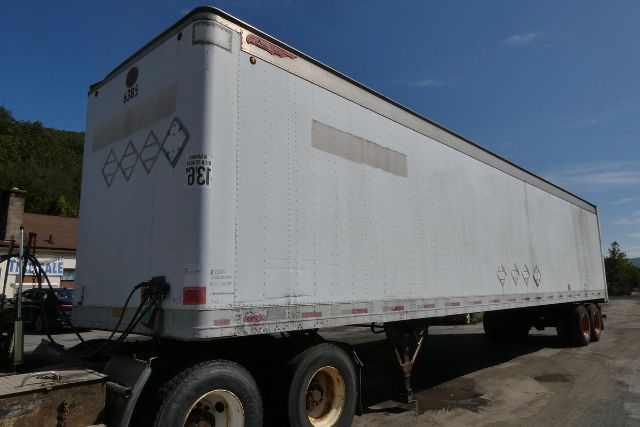
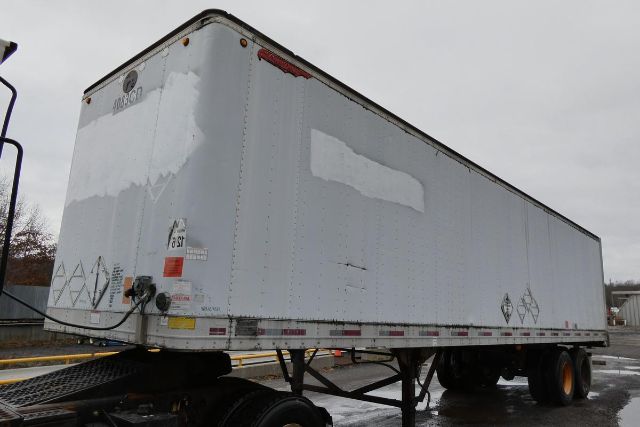
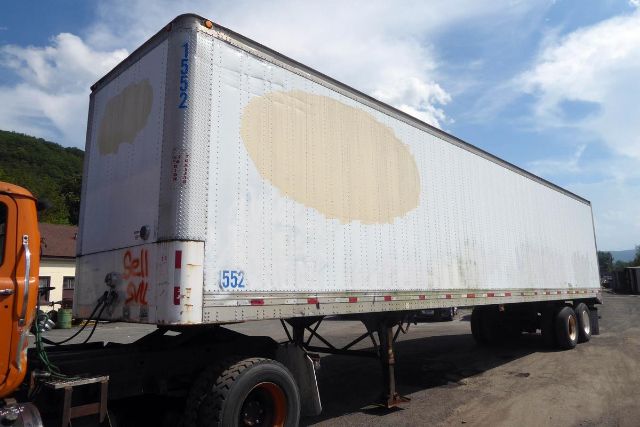
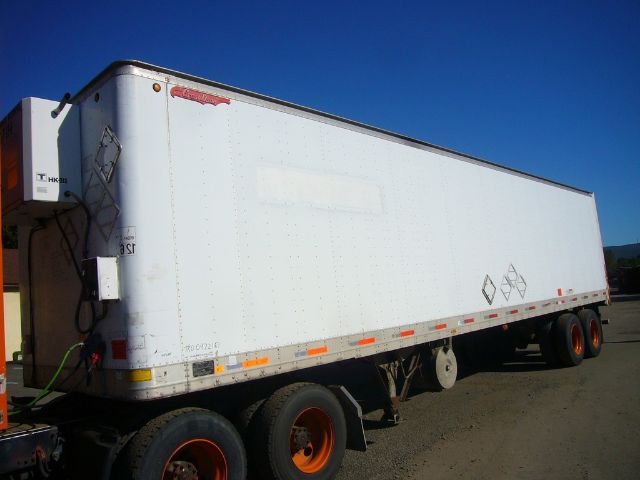

Selling a used 1997 dry van trailer? List your used 1997 dry van trailer for sale and reach thousands of commercial buyers.
Used 1997 Dry Van Trailers
Salt exposure across the northern United States and Canada makes crossmembers, suspension hangers, landing gear mounts, and steel rear frames priority inspection points. Check roof seams, translucent roof panels where fitted, door seals, kingpin attachment, slider locking pins, brakes, and tire age. A 1997 model does not automatically have trailer ABS. Maintenance records should document structural repairs and axle service; a roadworthy appearance does not establish payload capacity. Verify the certification plate, actual empty weight, and axle ratings, then confirm state or provincial weight, dimension, and inspection requirements for the intended route.
Frequently Asked Questions about Used 1997 Dry Van Trailers
Can a 40- or 45-foot 1997 dry van handle standard pallet freight?
A 40- or 45-foot 1997 dry van can haul standard palletized freight, but usable floor length and clear interior width determine capacity. Measure between scuff liners and through the door opening, then lay out the actual pallet footprint before committing. A nominal 102-inch exterior width does not guarantee two pallets will fit side by side in every loading pattern. Shorter trailers can suit local deliveries where access matters more than maximum cube.
Does a 1997 dry van trailer have to have ABS?
A U.S. air-braked trailer manufactured in 1997 predates the federal ABS requirement for trailers manufactured on or after March 1, 1998. Model year alone does not establish the build date or brake equipment. Check the certification label and inspect for an ABS controller, wheel-speed sensors, wiring, and warning lamp. For Canadian operation or a trailer with modified brakes, confirm applicable requirements with the registration jurisdiction and inspection authority.
How do I check whether a 1997 dry van floor can handle my forklift?
The loaded forklift's front-axle load is the critical figure when checking a 1997 dry van floor, not the trailer's GVWR. Obtain documented floor ratings where possible and account for the forklift's weight plus its load. Inspect boards, fasteners, crossmembers, and previous patches from above and below. Rotten wood or cracked crossmembers can make an otherwise sound box unsuitable for dock loading; missing ratings call for a qualified structural assessment.
Can I use a 1997 dry van for freeze-sensitive freight?
A standard unheated 1997 dry van is not suitable for freight that requires controlled freeze protection. A heater-equipped box trailer needs an operational test, verified insulation condition, sound door seals, and temperature monitoring before carrying sensitive cargo. Confirm that heater output meets the shipment's temperature requirements under expected winter conditions. A heating system does not provide refrigeration or make the trailer suitable for every temperature-controlled load.
What repairs should I budget for on a used 1997 dry van?
Brakes, tires, wheel ends, roof sealing, and door hardware belong in the initial repair plan for a used 1997 dry van. Check tire date codes even when tread looks serviceable, and inspect air lines, chambers, bearings, seals, and landing gear operation. Structural corrosion or extensive floor and crossmember damage deserves a separate repair assessment before purchase. Confirm replacement-component compatibility by axle, suspension, and door-system identification rather than trailer model year alone.