
Used Wabash Dry Van Trailers For Sale in New York
Used Wabash dry van trailers for sale in New York: compare DuraPlate construction, salt corrosion, door clearance, and trailer length for your routes.
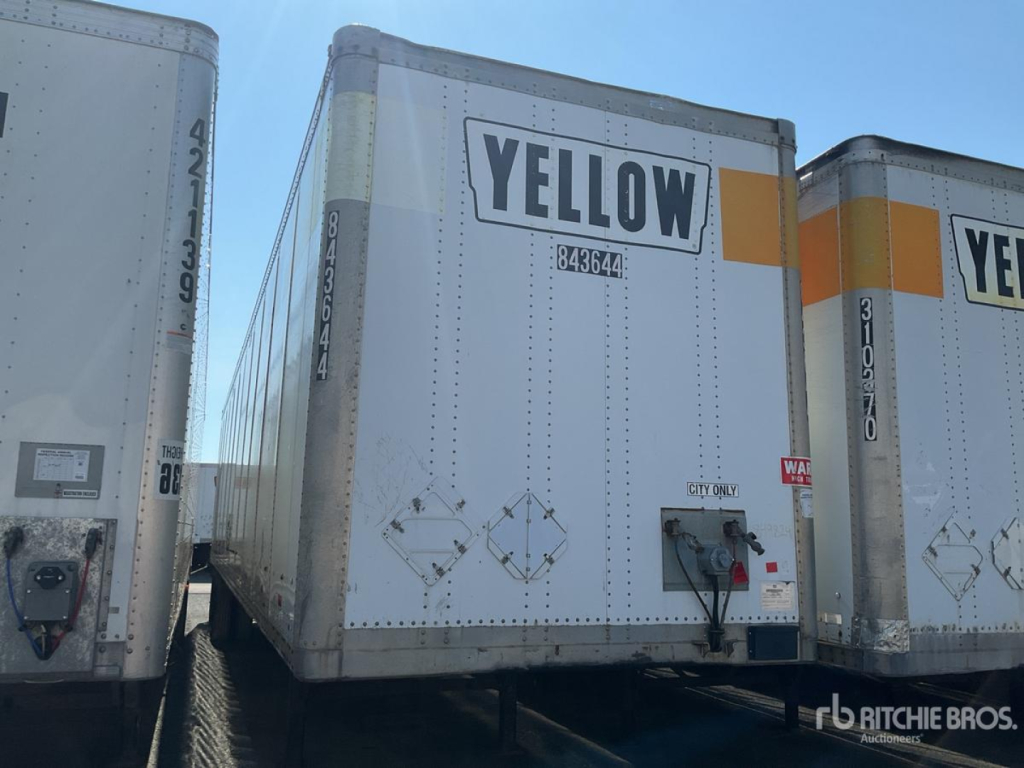
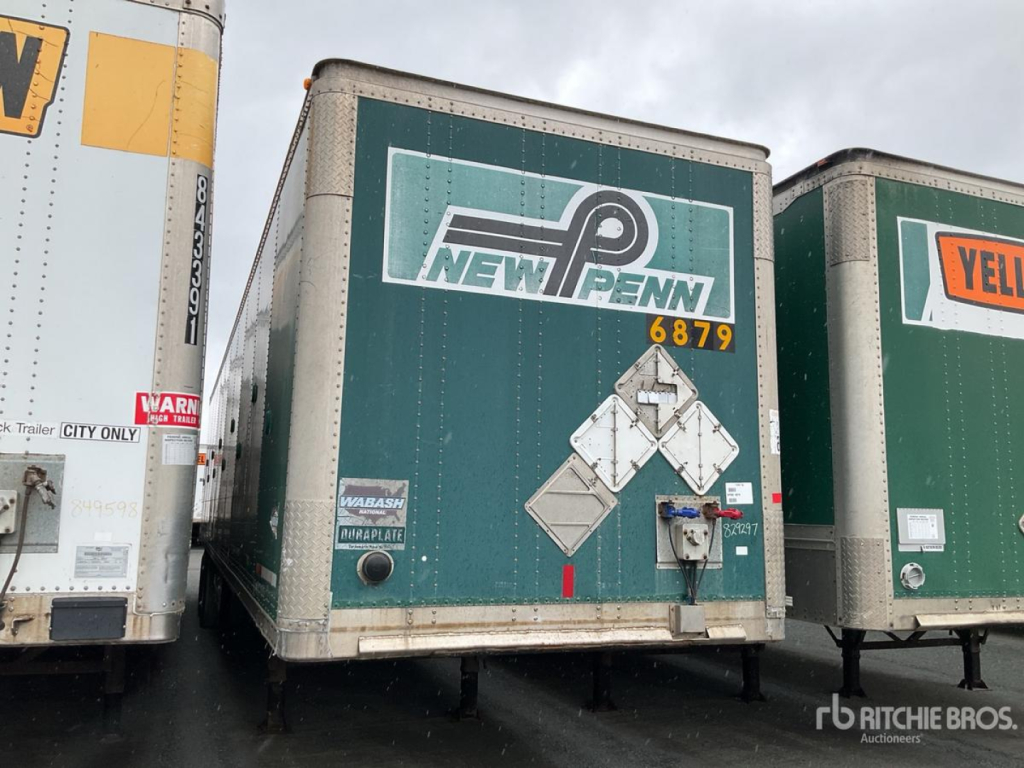
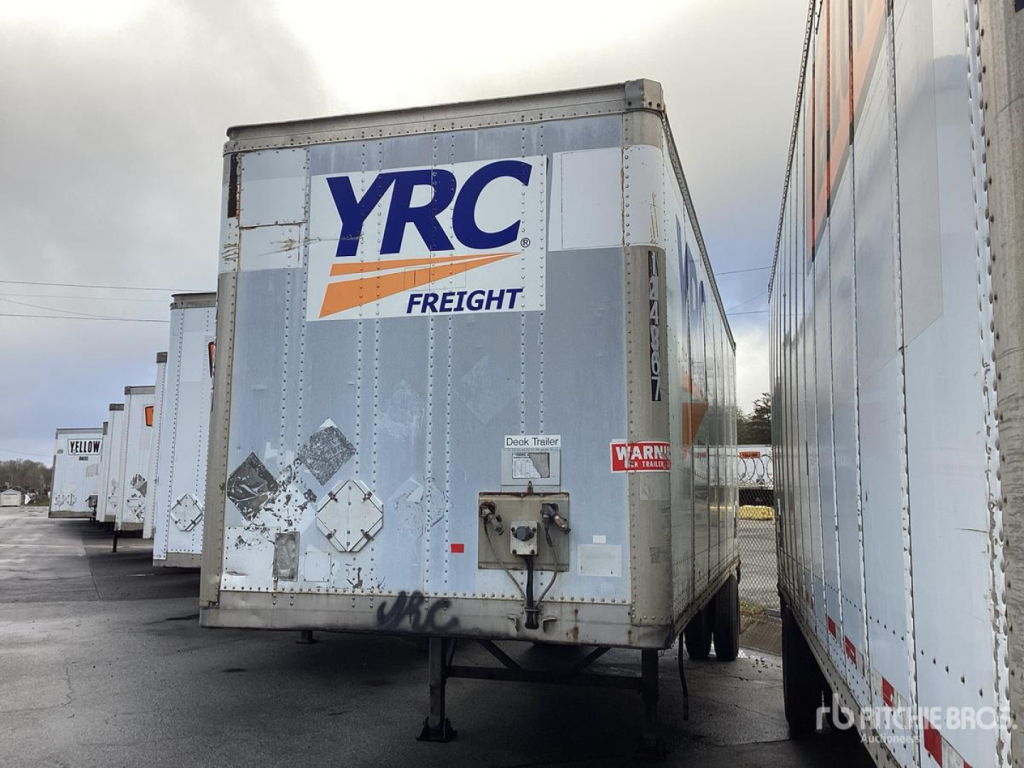
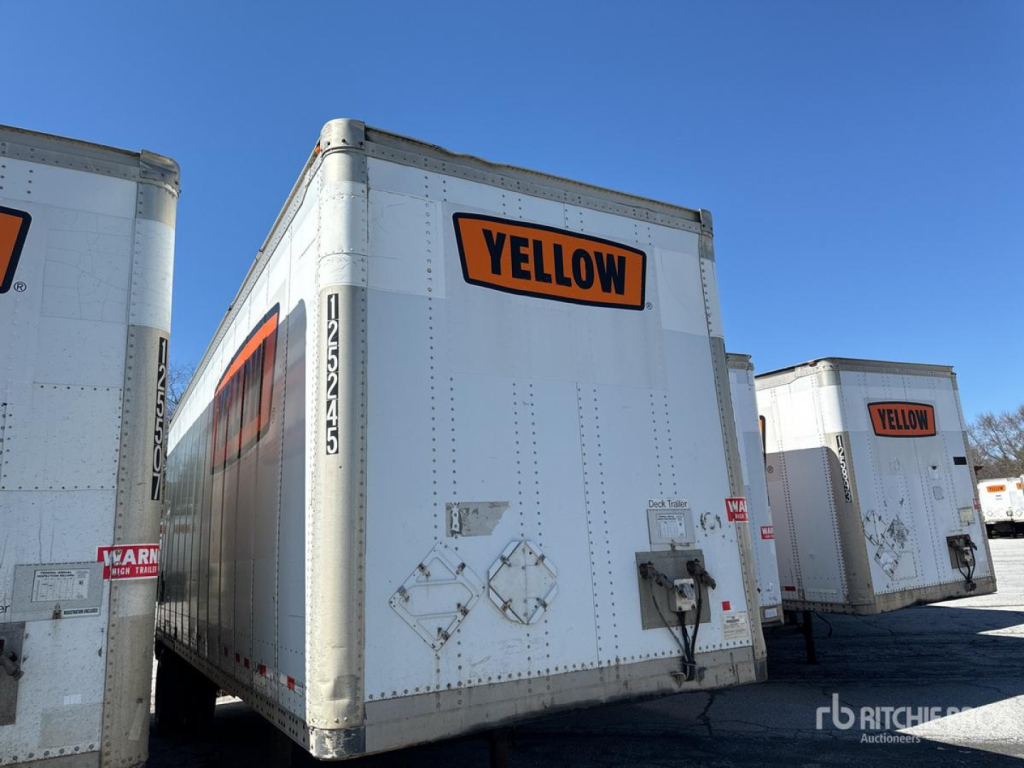
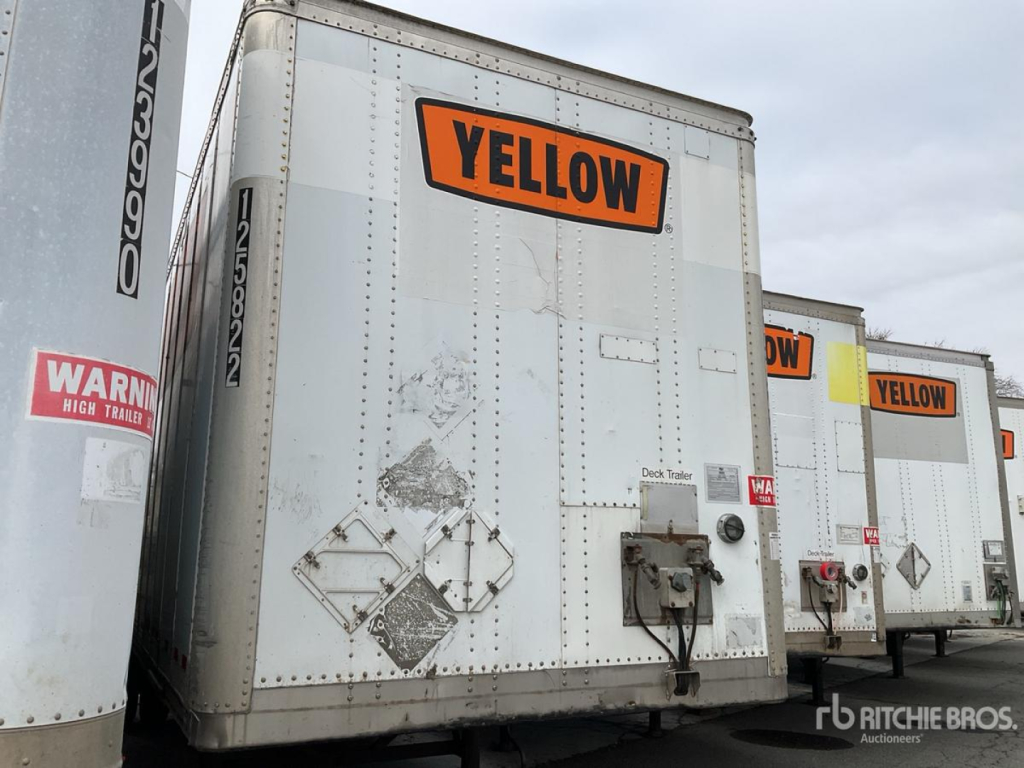
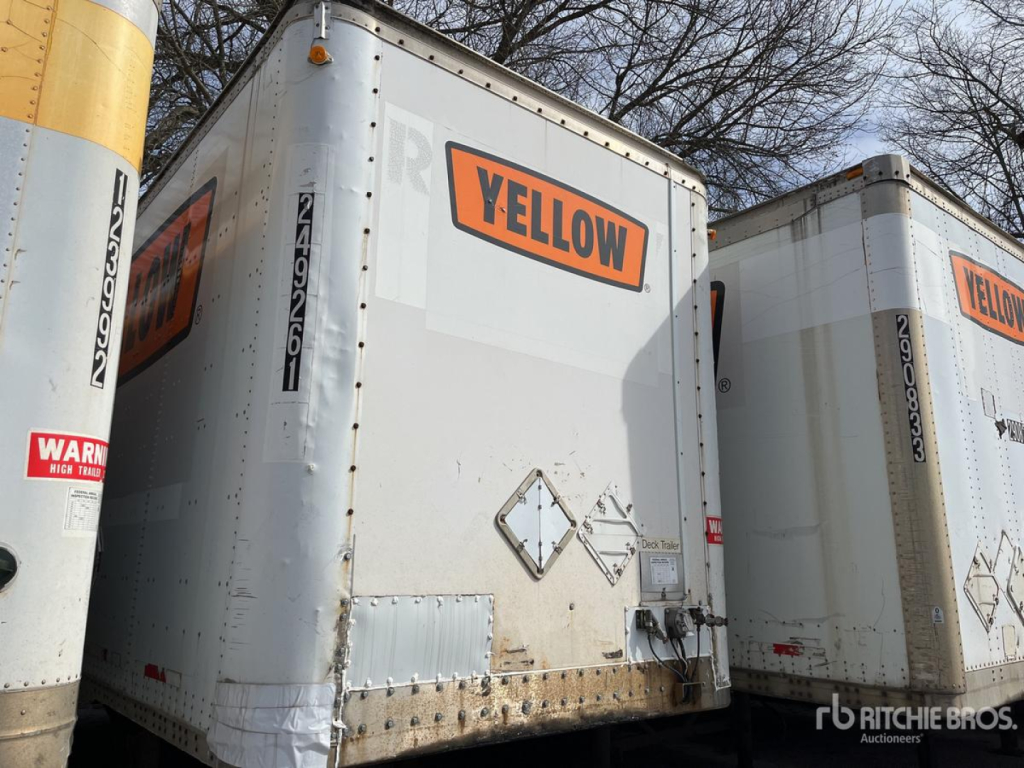
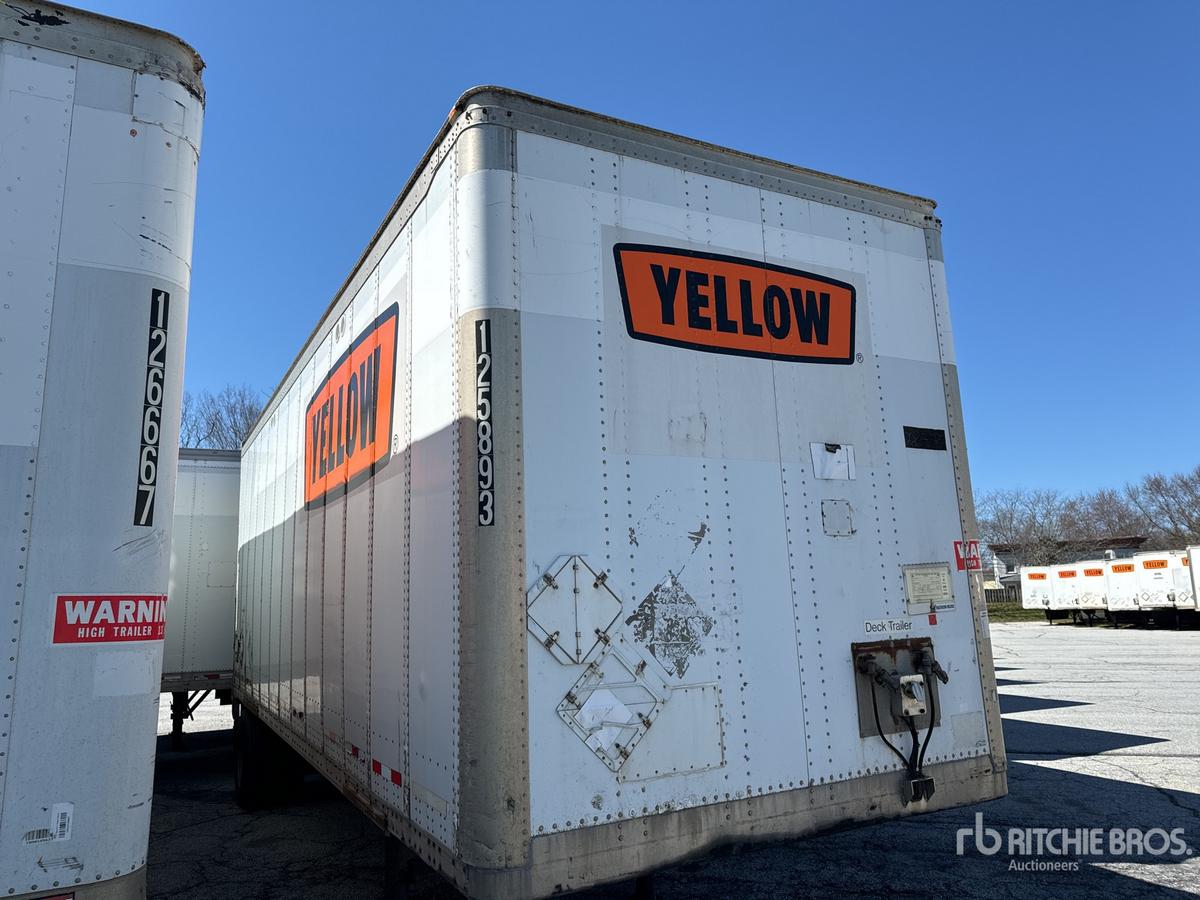
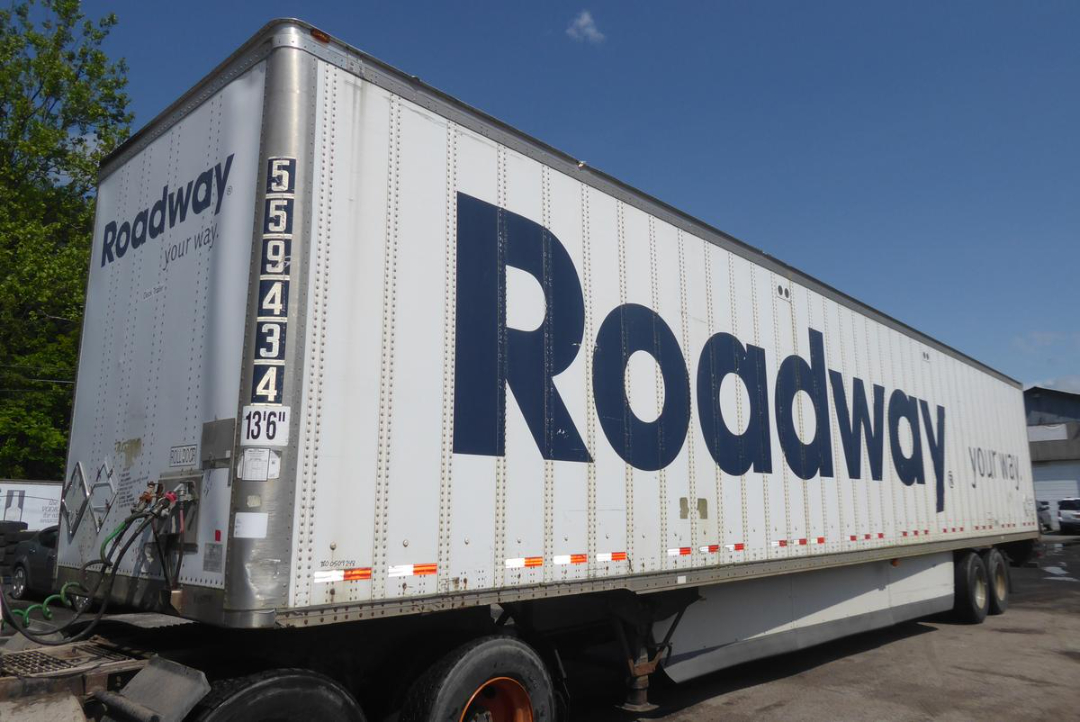
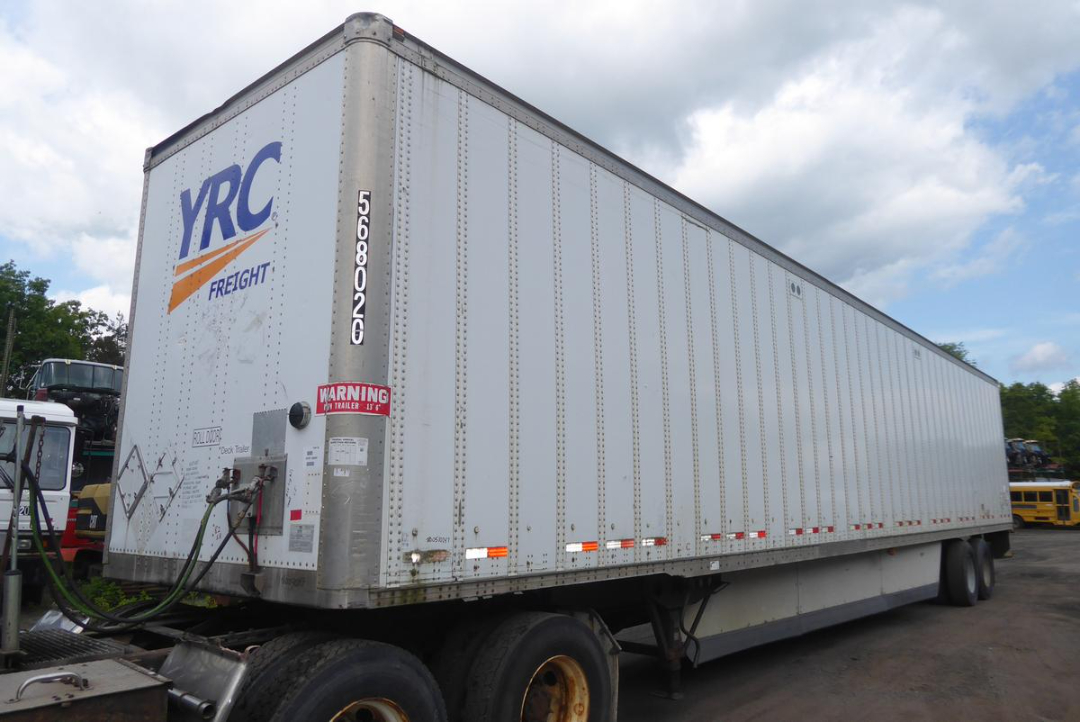
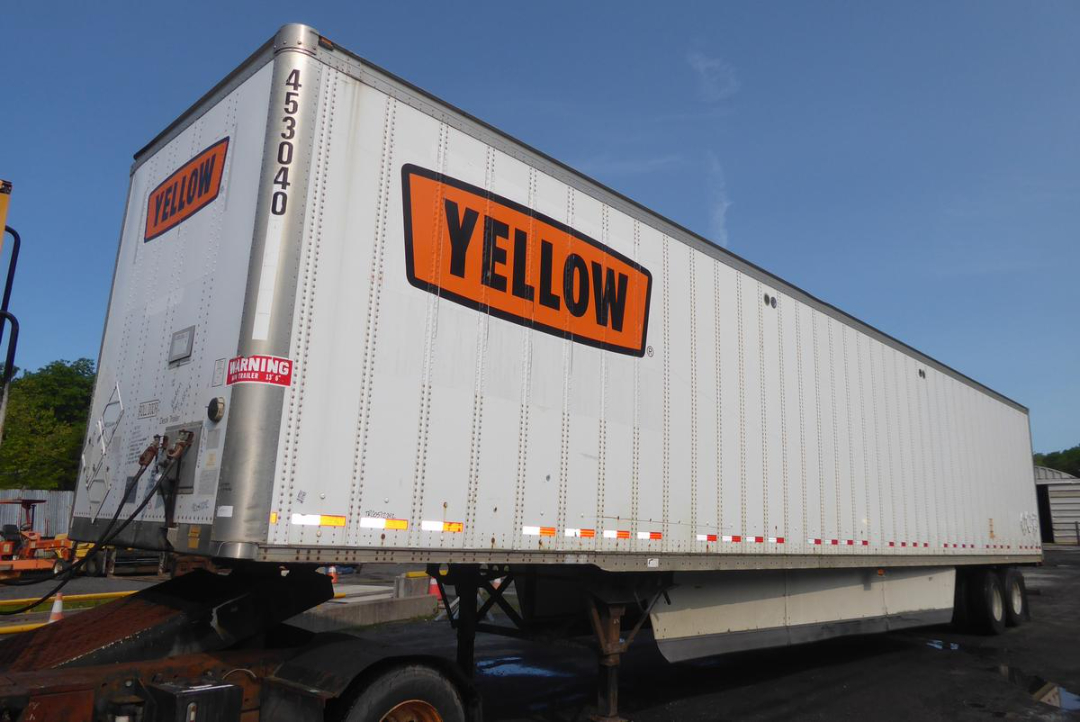
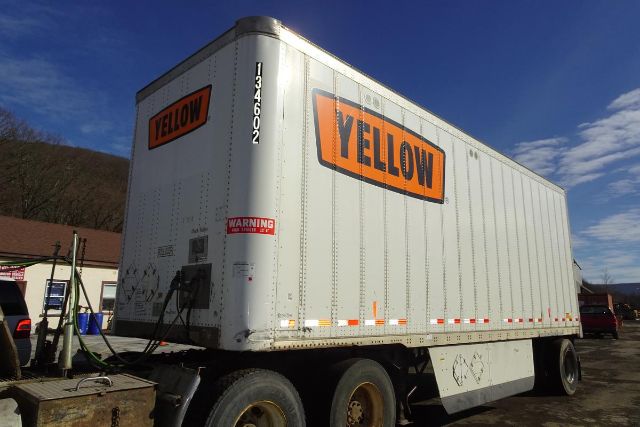
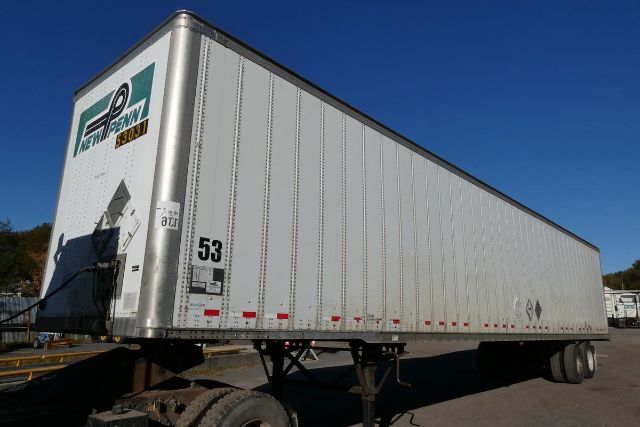
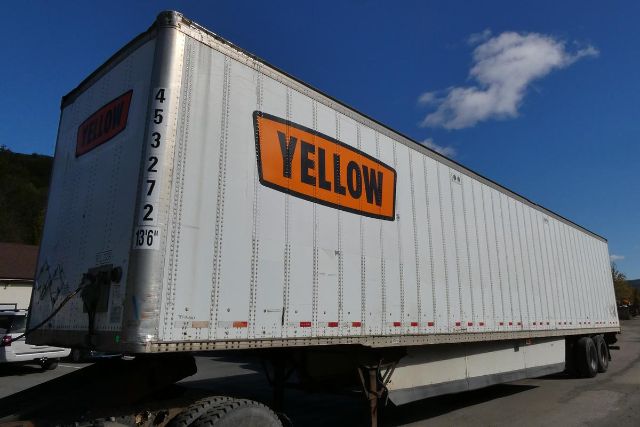
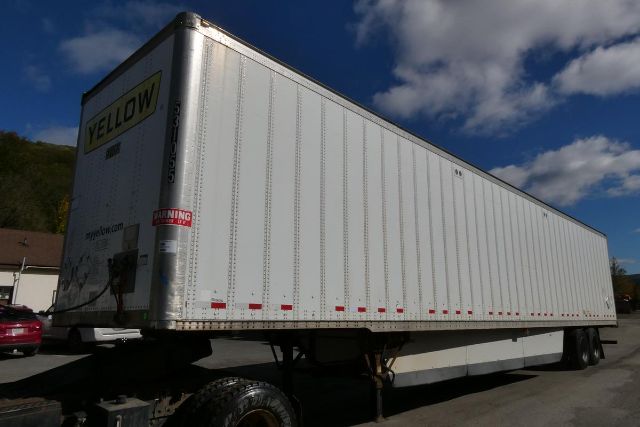
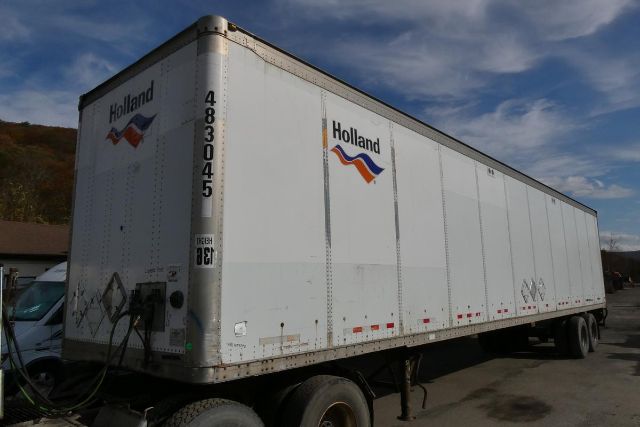
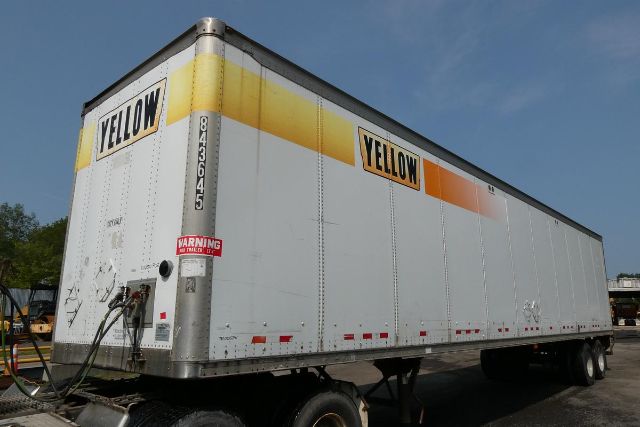
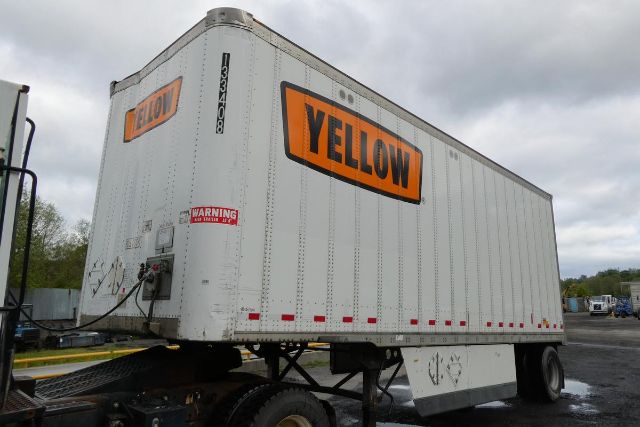
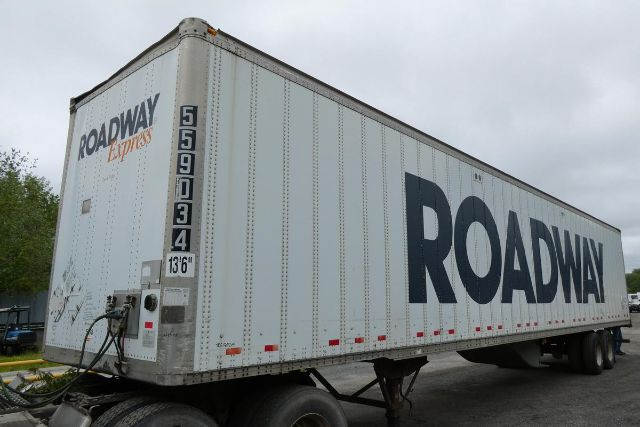
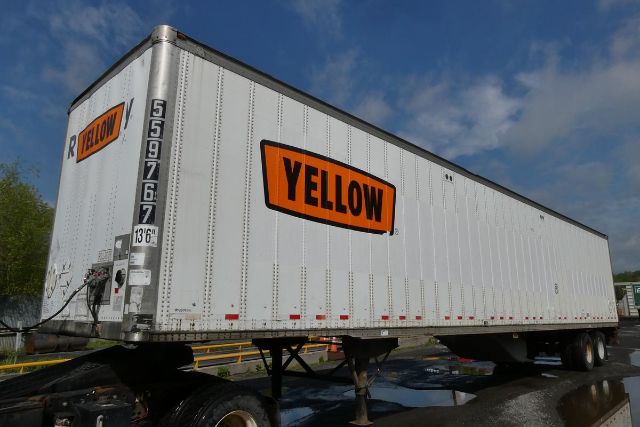
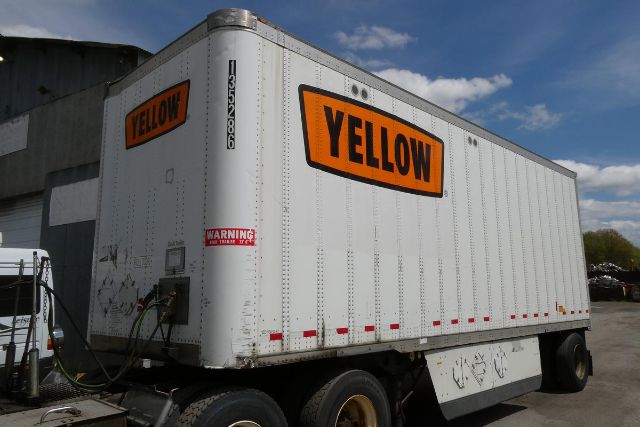
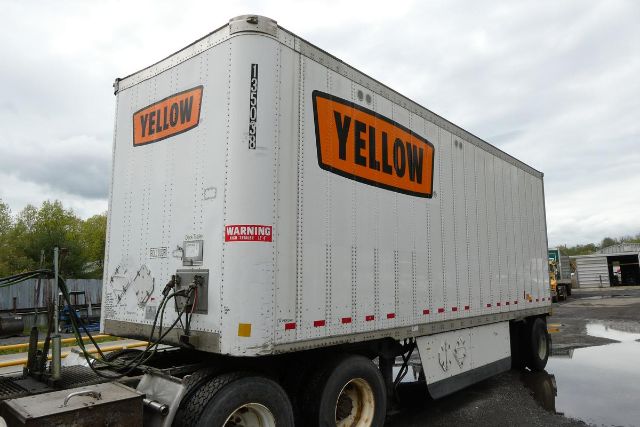
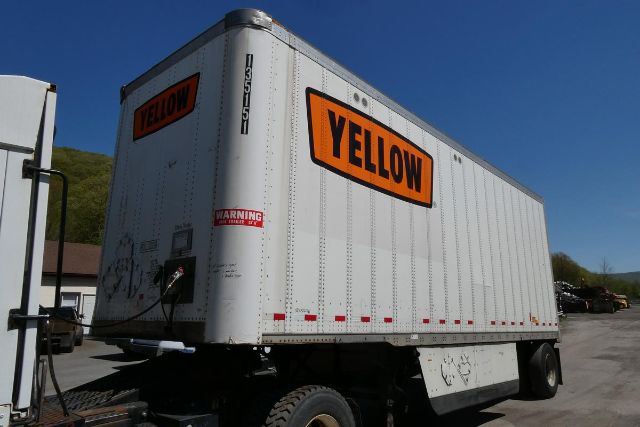
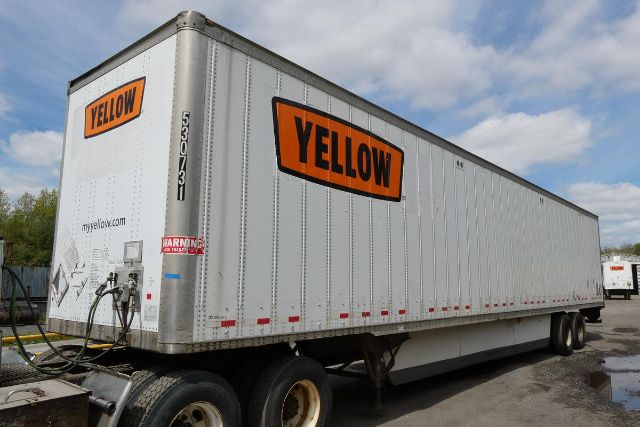
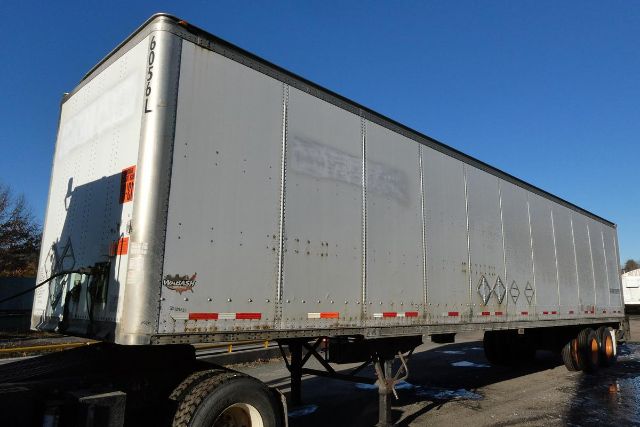
Showing 1 to 28 of 90 results
Selling a used wabash dry van trailer? List your used wabash dry van trailer for sale and reach thousands of commercial buyers.
Used Wabash Dry Van Trailers in New York
Wabash construction matters as much as exterior dimensions. DuraPlate vans use steel-skinned composite sidewall panels; conventional sheet-and-post designs use metal exterior sheets supported by posts. Compare interior width, lining condition, cargo-control attachment points, and the repair method appropriate to that body. Read the identification plate and build records instead of assuming a model code establishes every specification. Across older and newer model years, judge panel joints, previous structural repairs, and rear-frame alignment rather than selecting by age alone.
Choose length and doors around actual docks and freight. A 28-foot pup serves a different job than a 48- or 53-foot tandem van, and exterior width does not establish usable load width. Roll-up doors simplify frequent delivery stops but reduce clear opening height and add tracks, rollers, cables, and counterbalance hardware to maintain. Swing doors generally preserve more opening space but need clearance outside the trailer. Measure the rear opening and interior height against loaded pallets, not just published exterior dimensions.
New York winter service makes the underside a priority. Inspect steel crossmembers, landing-gear mounts, suspension hangers, slider rails, brake chambers, and air lines for corrosion or impact damage. Surface rust alone is different from thinning steel, perforation, or swollen joints hidden by fresh coating. Cycle the tandem slider and verify every locking pin seats fully. Check spring hangers and leaves on spring-ride trailers, or airbags and height-control components on air-ride trailers. Uneven tire wear can indicate alignment trouble, worn suspension parts, or an axle damaged by a curb strike.
A sound box must also keep freight dry and support repeated forklift traffic. Walk the wood floor for soft spots, inspect underneath around repaired boards, and examine the roof, upper rails, front corners, and door seals for water entry. Aluminum and translucent roofs require different repair materials; stained flooring can expose leaks missed during a dry-day inspection. Request maintenance records, brake measurements, tire age information, and ABS fault history where available. Confirm the trailer's actual empty weight and axle ratings before calculating payload, and budget for documented deferred repairs rather than assuming fresh paint means road-ready condition.
Frequently Asked Questions about Used Wabash Dry Van Trailers in New York
Can I use a 53-foot Wabash dry van for deliveries anywhere in New York City?
No. A 53-foot Wabash dry van cannot legally use every New York City truck route. New York City generally prohibits 53-foot trailers, with limited route-specific exceptions. A road marked as a truck route is not automatically approved for a 53-foot trailer. Confirm current NYC DOT restrictions, authorized access routes, posted clearances, and delivery-site access before assigning a full-length trailer to city freight.
Should I choose air ride or spring ride on a used Wabash dry van?
Air ride is usually the better choice for shock-sensitive freight, while spring ride offers simpler suspension hardware for less demanding cargo. On a used Wabash dry van, inspect air springs, valves, and lines before assigning value to air ride. Spring suspension still requires sound leaves, hangers, bushings, and equalizers. Neither suspension choice compensates for poor tires, incorrect loading, or worn components.
How do I know whether a used Wabash dry van floor can handle my forklift?
The original floor rating and the forklift's loaded front-axle weight are the starting points for determining whether a Wabash dry van can handle that forklift. Obtain the applicable floor specification from build documentation and compare its test conditions with your forklift's tire arrangement and loading. Total forklift weight alone is insufficient. Replaced boards, damaged crossmembers, and undocumented repairs require a separate structural assessment.
Does a used Wabash dry van need an annual DOT inspection?
A Wabash dry van used in U.S. interstate commerce must pass a periodic inspection at least every 12 months under federal rules. Obtain the inspection report and verify that its identification matches the trailer, rather than relying only on a decal. An annual inspection does not replace a purchase inspection or daily pretrip checks, and defects arising after inspection still require correction.
Is the GVWR on a Wabash dry van the amount of cargo I can load?
A Wabash dry van's GVWR is not its payload rating. Subtract the trailer's verified empty weight from its GVWR for a trailer-only capacity ceiling, then check tractor ratings, axle distribution, bridge limits, and route restrictions. The common 80,000-pound Interstate combination limit includes the tractor, trailer, cargo, fuel, and equipment. A 68,000-pound trailer GVWR does not authorize a 68,000-pound cargo load.