
Used 2007 Wabash Dry Van Trailers For Sale in New York
Used 2007 Wabash dry van trailers for sale in New York: compare body sizes, salt-related corrosion, roll-up doors, and route limits before buying.
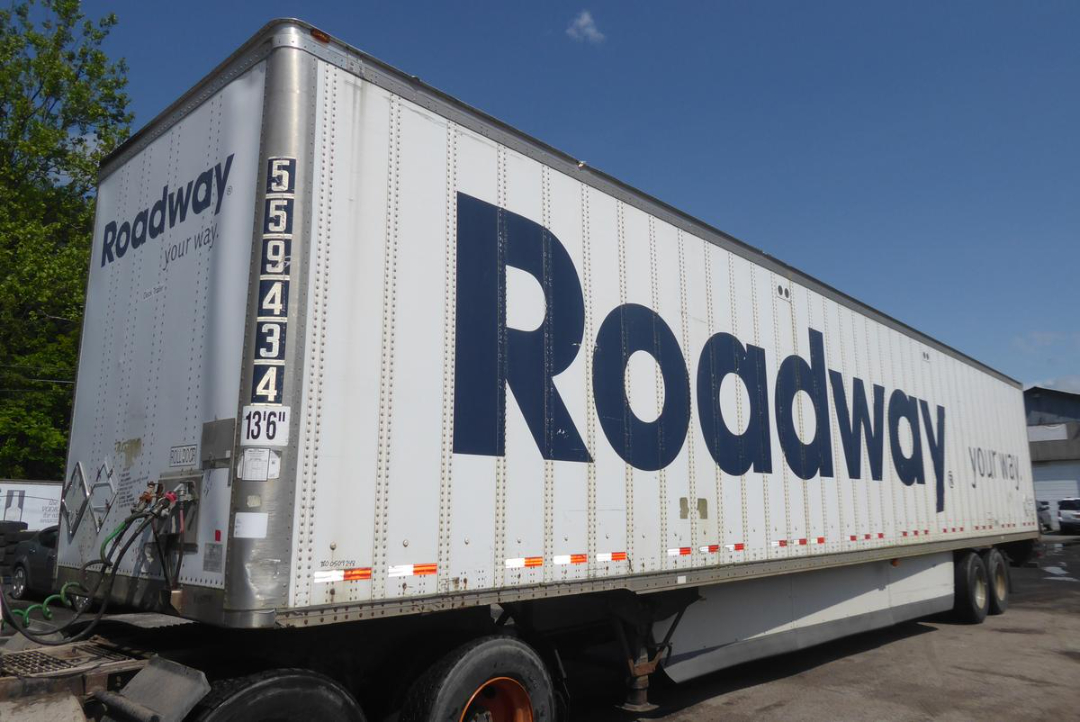
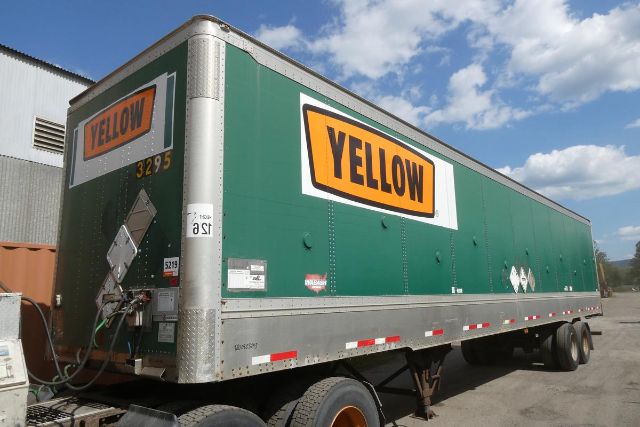
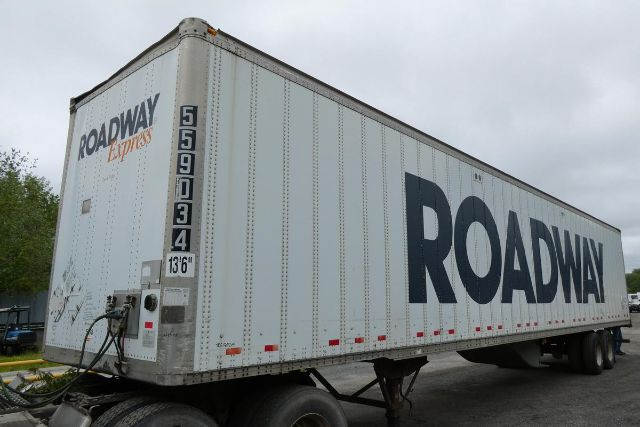
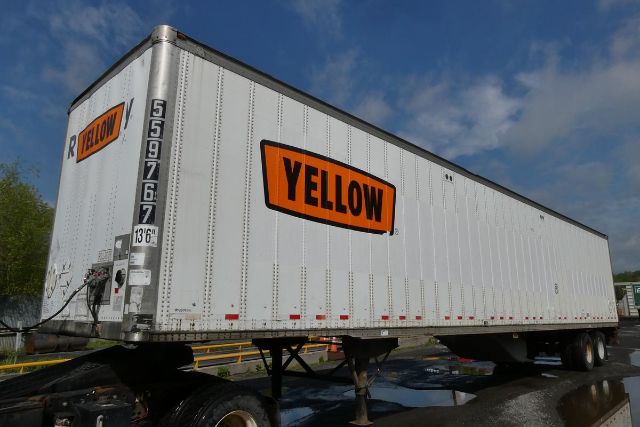

Selling a used 2007 wabash dry van trailer? List your used 2007 wabash dry van trailer for sale and reach thousands of commercial buyers.
Used 2007 Wabash Dry Van Trailers in New York
New York road salt makes undercarriage condition a priority on a 2007 trailer. Inspect lower rails, crossmembers, suspension hangers, landing-gear attachments, the upper coupler, and rear impact guard for section loss or welded patches. Look beyond fresh paint for swollen seams and corrosion between dissimilar metals. Check the floor from above and below for soft boards, oil contamination, cracked crossmembers, and separation near the rear threshold. Water stains along the roof bows or front wall warrant a leak test; inspect translucent roofs for brittleness and aluminum roofs for failed seams and patches.
Roll-up rear doors save swing clearance at tight docks but reduce usable opening height and introduce rollers, tracks, cables, and counterbalance hardware that need inspection. Operate the door through its full travel and have binding or damaged spring hardware evaluated by a qualified technician. On spring-ride trailers, inspect spring leaves, equalizers, bushings, and axle alignment. Sliding tandems must move freely and lock positively. Request brake and wheel-end service records, verify ABS warning-lamp operation, and measure brake wear instead of accepting percentage estimates without supporting measurements.
I-90, I-81, and I-87 distribution work can favor different trailer lengths than downstate delivery routes. Confirm designated-highway and local-access eligibility for a 53-foot trailer, especially for New York City deliveries, and keep tractor-trailers off passenger-car parkways. Match axle ratings and loaded weight distribution to the route; the trailer's GVWR alone does not establish a legal combination weight.
Frequently Asked Questions about Used 2007 Wabash Dry Van Trailers in New York
Does a 68,000-pound GVWR mean a Wabash dry van can carry 68,000 pounds?
No. A 68,000-pound trailer GVWR includes the Wabash dry van's own weight, not just its cargo. Payload must also respect tire, axle, floor, and tractor ratings. On New York Interstate routes, the standard federal combination limit is 80,000 pounds, subject to axle and bridge-formula limits. A high trailer rating does not authorize exceeding those road limits.
Can I use a 28-foot Wabash pup in a doubles operation in New York?
A 28-foot Wabash pup needs verified doubles-compatible equipment and an approved route before use in a two-trailer combination. Trailer length alone does not establish suitability. Inspect any rear coupling, structural reinforcement, air connections, and electrical connections, and confirm compatibility with the converter dolly. The driver also needs the appropriate doubles/triples endorsement, and New York route restrictions still apply.
Do I need a CDL to pull a 2007 Wabash dry van in New York?
A Class A CDL is normally required for a commercial combination rated at 26,001 pounds or more when the trailer is rated over 10,000 pounds. Standard tractor combinations pulling these Wabash dry vans usually meet that threshold. The driver's license must also permit operation of the combination's brake system; air brakes do not use a separate CDL endorsement.
Can different tire sizes be mixed on a used Wabash dry van?
Dual tires on a Wabash dry van must have closely matched loaded dimensions, load capacity, and inflation requirements; similar-looking size labels are not enough. Compare the tire manufacturer's matching limits before pairing replacements. Excessive diameter differences overload the larger tire and can cause heat buildup, irregular wear, or premature failure even when both tires have usable tread.
How do I know whether a 2007 Wabash dry van floor can handle my forklift?
The documented floor rating and the forklift's loaded front-axle weight are the key checks for a 2007 Wabash dry van. Trailer GVWR does not establish resistance to concentrated wheel loads. Obtain the original floor specification or a qualified assessment, account for any repairs, and confirm dockboard capacity. Heavy forklift traffic can expose weaknesses that pallet weight alone will not reveal.