
Used 2015 Dry Van Trailers For Sale in New York
Used 2015 dry van trailers for sale in New York: compare 28-foot pups and 53-foot vans, salt-related frame wear, floor condition, and route fit.
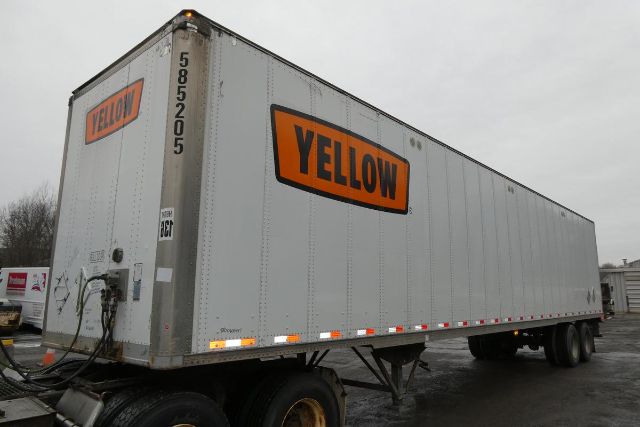
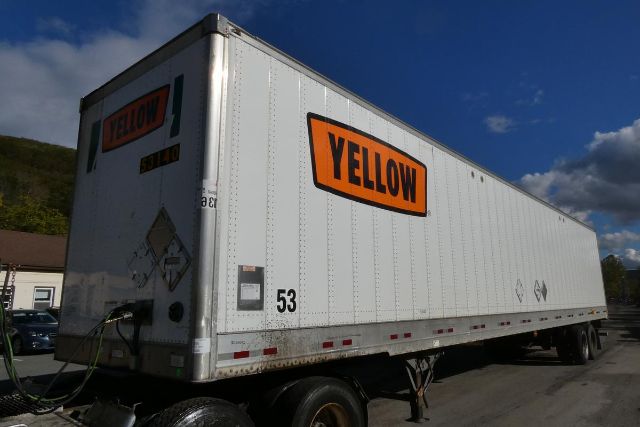
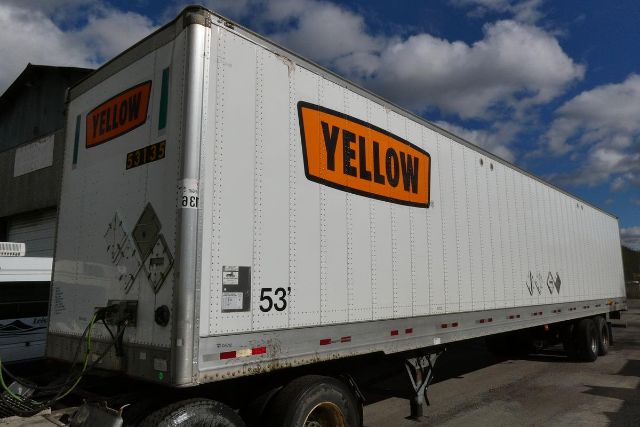
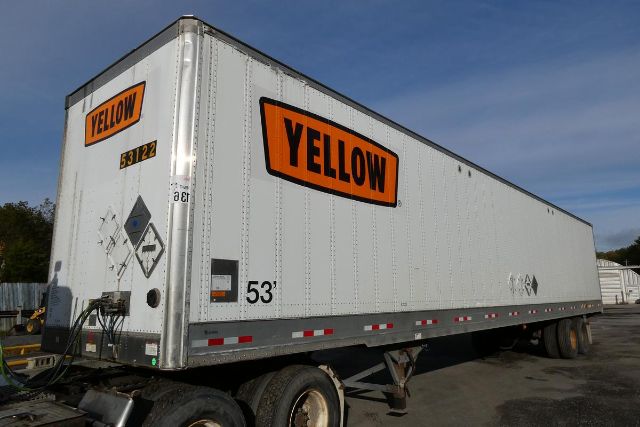
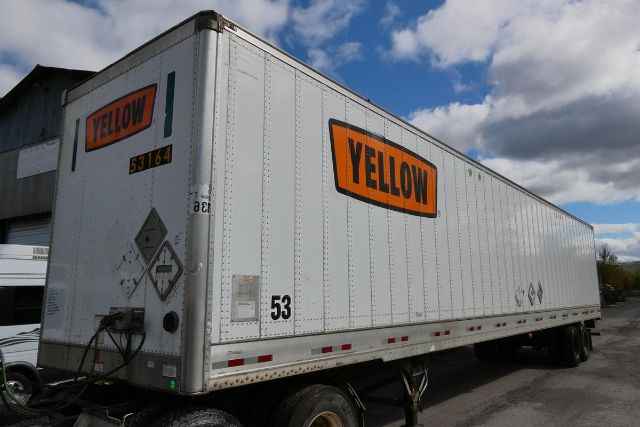
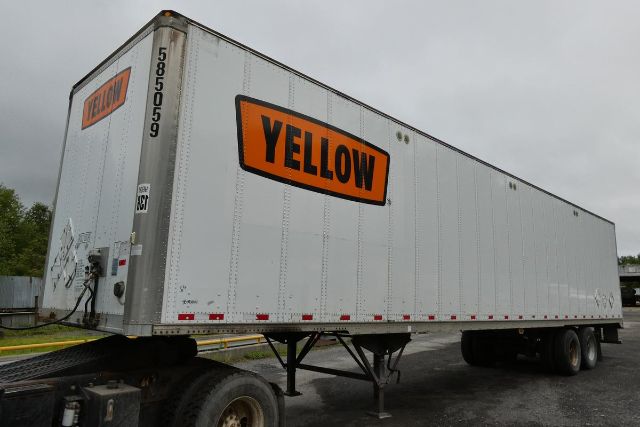

Selling a used 2015 dry van trailer? List your used 2015 dry van trailer for sale and reach thousands of commercial buyers.
Used 2015 Dry Van Trailers in New York
Choose trailer length and axle layout around the actual delivery pattern. A 28-foot single-axle pup suits LTL terminal work and tighter loading areas, while 48- and 53-foot vans accommodate larger shipments. Sliding tandems provide flexibility in axle-load distribution. Across makes, exterior dimensions alone do not establish usable capacity: measure inside width, clear door height, and space lost to liners or logistics tracks. Check the certification plate for GVWR and axle ratings, then compare actual empty weight with the planned load and tractor combination.
Repeated forklift traffic makes floor condition a separate buying decision. Inspect wood around the rear threshold, beneath common wheel paths, and wherever staining suggests prolonged water entry. Confirm the floor's forklift rating against the loaded forklift's front-axle load rather than assuming trailer GVWR proves floor strength. Roll-up doors suit frequent dock stops but consume overhead clearance and require sound cables, rollers, tracks, and spring hardware. Swing doors preserve more opening clearance but need room to operate. Inspect roof seams, upper corners, door seals, scuff liners, and cargo-securement tracks for leaks or damage.
New York's I-90, I-81, and I-87 corridors support warehouse replenishment, packaged-food distribution, and cross-border freight. For downstate deliveries, verify truck-route legality and posted clearances before choosing trailer length or overall height. New York parkways are not commercial truck routes. A dry freight trailer's rated capacity does not override axle-weight limits, bridge restrictions, or local access rules.
Frequently Asked Questions about Used 2015 Dry Van Trailers in New York
Should I choose spring ride or air ride on a used 2015 dry van?
Spring ride suits routine dock freight where suspension simplicity matters, while air ride is often preferred for damage-sensitive cargo or shipper requirements. On a used 2015 dry van, inspect spring packs, equalizers, and bushings on mechanical suspensions. On air ride, inspect air springs, trailing-arm bushings, height-control linkage, and air leaks. Neither suspension type compensates for poor load securement.
Can I use a 53-foot dry van for deliveries in New York City?
A 53-foot dry van is restricted to specifically authorized New York City routes and operations, not the general city truck-route network. Confirm NYC DOT and NYSDOT requirements for the complete approach and final delivery address before buying. A 28- or 48-foot trailer may solve the trailer-length issue, but overall combination length, width, height, and street restrictions still apply.
Does a 68,000-pound trailer GVWR mean I can haul 68,000 pounds of freight?
No. A dry van's GVWR includes the trailer's own weight, so the rating is not its payload capacity. Legal payload is also constrained by tractor and trailer axle ratings, tire ratings, axle spacing, and route limits. The standard federal Interstate gross combination limit is 80,000 pounds, subject to axle and bridge-formula limits; exceptions require separate verification.
Can I keep the tires on a 2015 dry van if the tread looks good?
Tread depth alone does not establish whether tires on a used 2015 dry van are serviceable. Read each tire's DOT date code and inspect sidewalls, bead areas, irregular wear, repairs, and evidence of underinflation. Federal rules require at least 2/32 inch of tread in major grooves on trailer tires, but meeting that minimum does not make aged or damaged casings acceptable.
Does a used 2015 dry van need its own annual DOT inspection?
Yes. A dry van used in non-exempt interstate commercial service must receive a periodic inspection at least once every 12 months under 49 CFR 396.17. The tractor's inspection does not cover the trailer. Obtain the trailer's inspection documentation and verify that identified defects were repaired. An inspection sticker does not replace a purchase inspection or establish remaining floor, brake, or tire life.