
Used 2008 Dry Van Trailers For Sale in New York
Compare used 2008 dry van trailers for sale in New York by frame corrosion, door clearance, suspension condition, and legal access for 53-foot trailers.
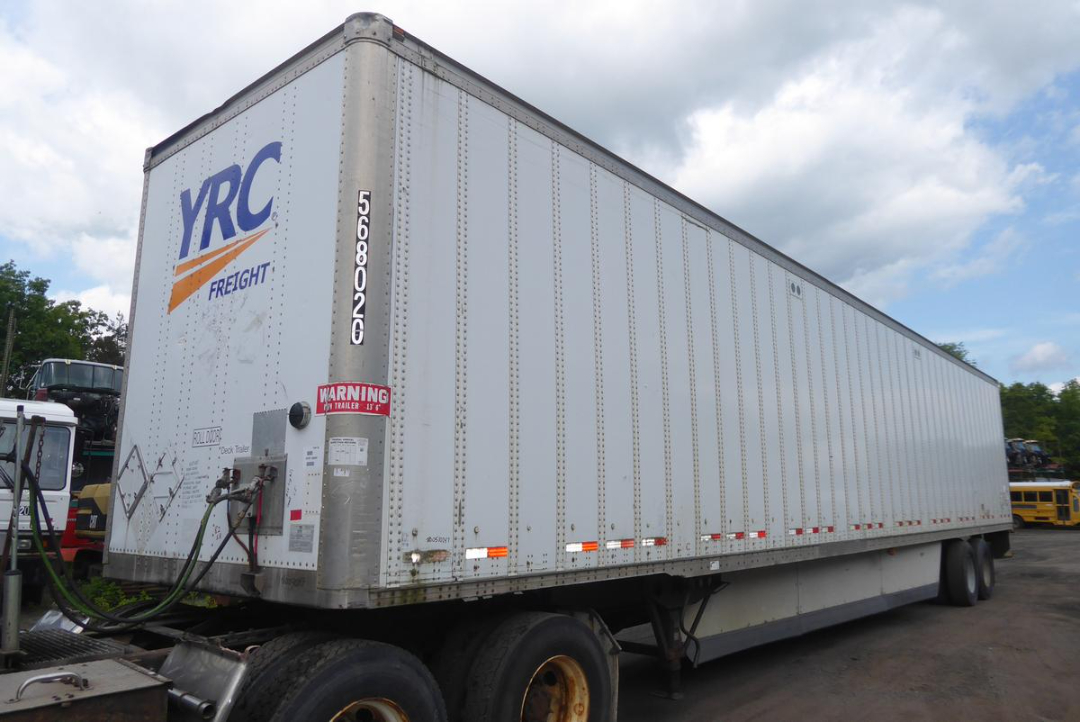
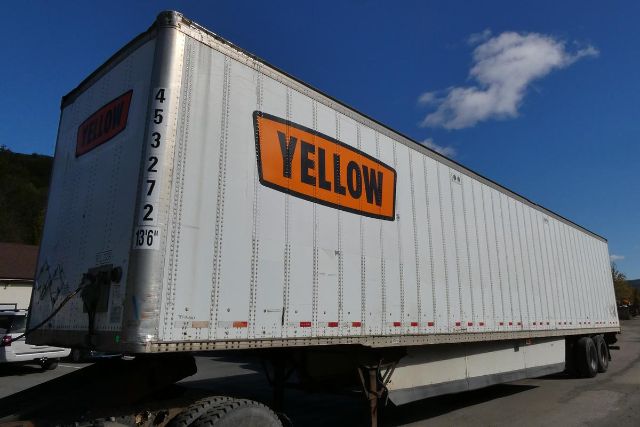
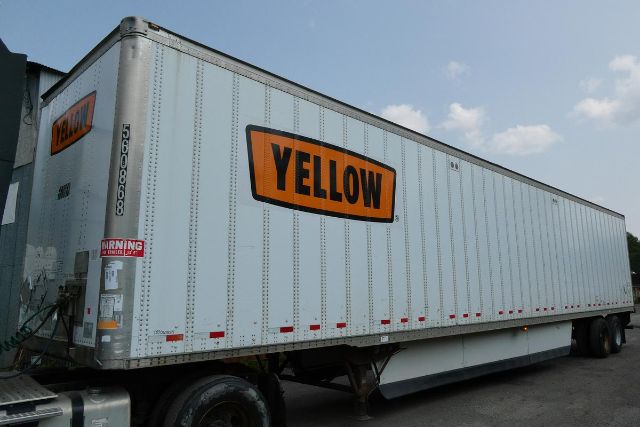
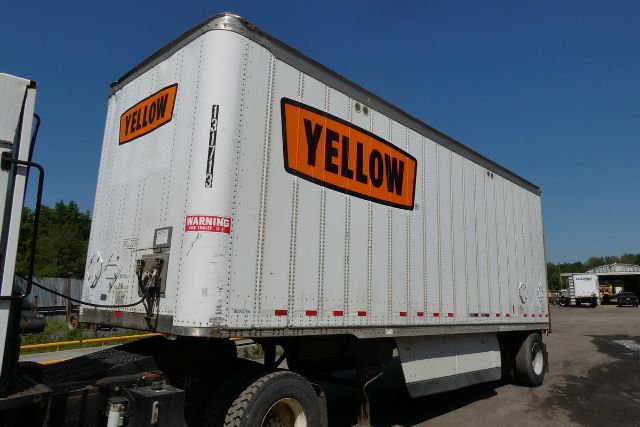

Selling a used 2008 dry van trailer? List your used 2008 dry van trailer for sale and reach thousands of commercial buyers.
Used 2008 Dry Van Trailers in New York
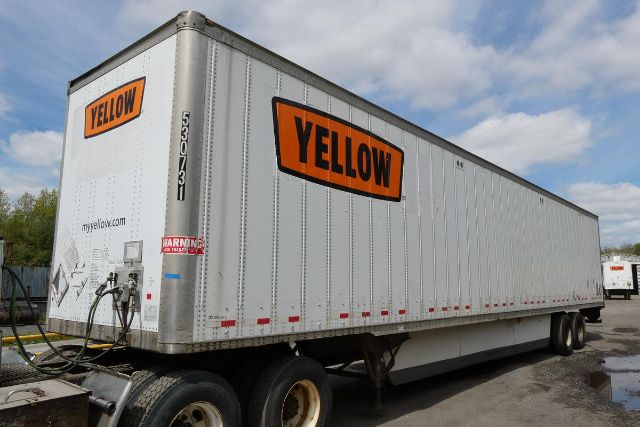
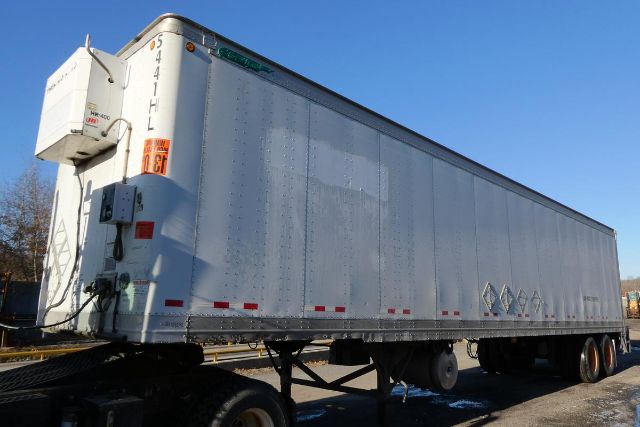
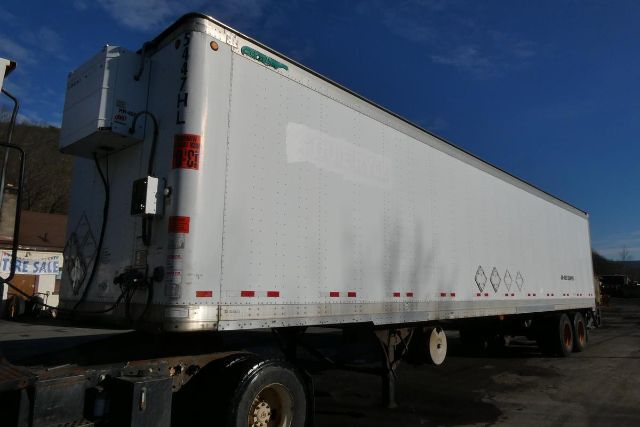
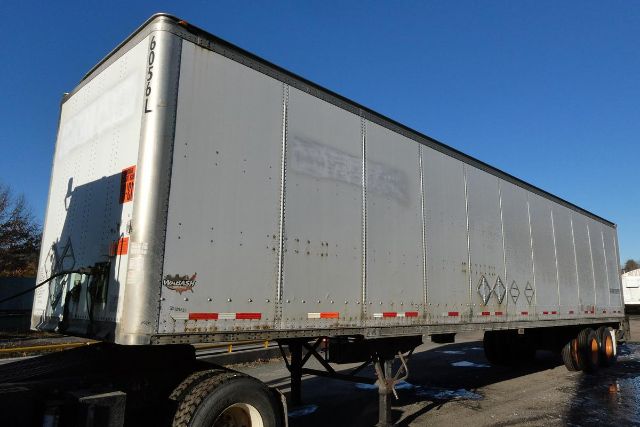
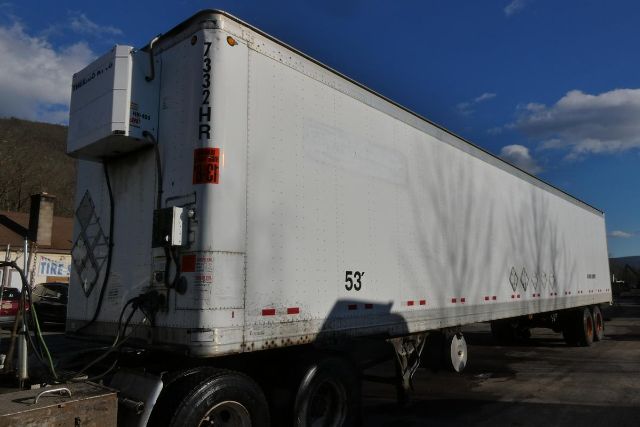
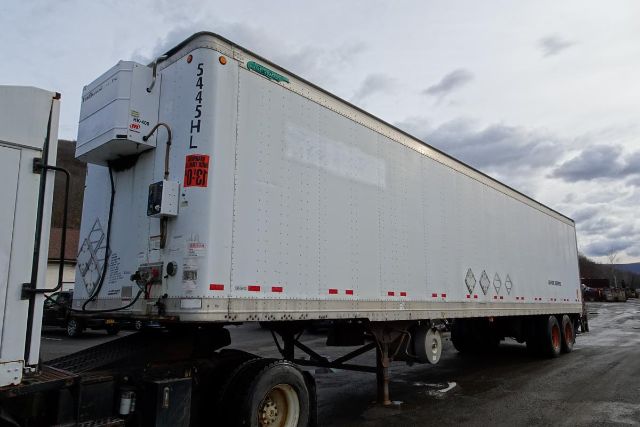
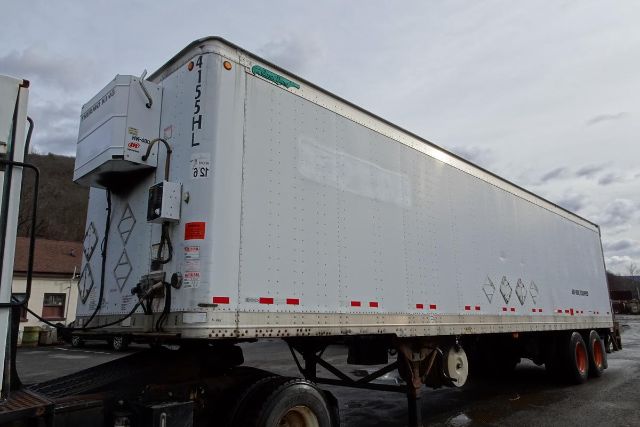
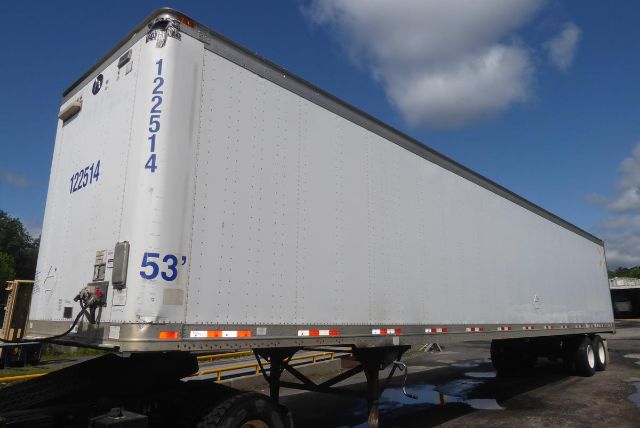
A 2008 dry freight trailer is old enough that original floors, roofs, and running gear need close scrutiny, regardless of make. Across manufacturers such as Wabash and Great Dane, compare wall construction, usable interior width, and rated floor capacity for concentrated forklift loads. Inspect steel crossmembers, landing gear mounts, upper coupler plates, slider rails, and rear door frames for salt-driven section loss rather than judging paint alone. Look for floor softness, loose fasteners, roof patches, and staining where water has reached the wood. Aluminum skins do not protect the steel structure underneath.
Door and suspension choices should match the loading cycle. Roll-up doors suit frequent dock stops but sacrifice opening height and require sound tracks, hinges, rollers, and counterbalance hardware; swing doors generally provide a larger clear opening. Measure the narrowest opening rather than relying on exterior dimensions. Spring suspension avoids air bags and height-control valves, while air ride adds those maintenance points and can suit more sensitive freight. On sliding tandems, verify every locking pin engages fully and inspect the rails for elongated holes. Test liftgates under an appropriate load and inspect hydraulic hoses, mounting structure, and battery charging.
Request maintenance records and an inspection report, then check brakes, wheel ends, air lines, lights, and ABS rather than accepting tread depth or fresh paint as proof of condition. Compare actual empty weight against legal axle and combination limits, not just the trailer's GVWR. A heated van also needs an operational heater and intact insulation for freeze protection; heating does not provide refrigeration.
Frequently Asked Questions about Used 2008 Dry Van Trailers in New York
Can I use a 53-foot dry van for deliveries in New York City?
New York City generally prohibits 53-foot semitrailers except on specifically authorized routes. A legal interstate trip elsewhere in New York does not establish legal access to a city customer. Check current NYC DOT rules for the complete approach and departure route, including connector streets, before dispatching a 2008 dry van. A shorter trailer can solve a length restriction, but truck-route and clearance limits still apply.
Should a 2008 dry van trailer have ABS?
Yes. Air-braked semitrailers manufactured on or after March 1, 1998, were required to have ABS under federal safety standards, so a 2008 dry van should have a functioning system. Check the trailer's ABS warning lamp and retrieve diagnostic faults when indicated. An illuminated fault lamp can point to wheel-speed sensors, wiring, power supply, or the ABS control module; ordinary service brakes may still apply despite an ABS fault.
How much payload can a 2008 dry van legally carry in New York?
Legal payload is the lowest allowance established by axle loading, bridge rules, gross combination weight, and equipment ratings after accounting for operating tare weight. The usual Interstate baseline is 80,000 pounds gross combination weight, with 20,000 pounds on a single axle and 34,000 pounds on a tandem, subject to spacing and applicable exceptions. A dry van's GVWR is not its cargo capacity, and a liftgate or heater reduces payload by adding empty weight.
What liftgate capacity do I need on a used dry van?
The liftgate's rated capacity must cover the heaviest load plus the pallet jack and any operator permitted on the platform. Confirm the manufacturer's load-center requirements because capacity can change with load position. A used dry van's liftgate also needs enough platform depth for the load and handling equipment without unsafe overhang. Verify that the platform can reach the ground and work at the delivery site's expected slopes and dock heights.
Does a 2008 dry van used only for storage need a highway inspection?
A dry van kept stationary off public roads is not subject to the federal periodic inspection requirement solely because it stores freight. Before returning a 2008 trailer to covered commercial highway service, confirm compliance with the federal inspection requirement at least once every 12 months, plus applicable New York registration and inspection rules. Storage condition still matters: inspect roof leaks, floor capacity, landing gear stability, and the supporting ground before loading.