
Used 2016 Dry Van Trailers For Sale in New York
Compare used 2016 dry van trailers for sale in New York by salt corrosion, floor strength, door clearance, and axle setup before choosing a trailer.
Selling a used 2016 dry van trailer? List your used 2016 dry van trailer for sale and reach thousands of commercial buyers.
Used 2016 Dry Van Trailers in New York
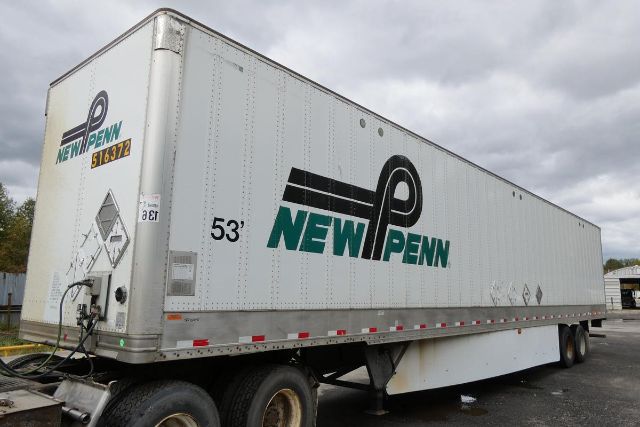
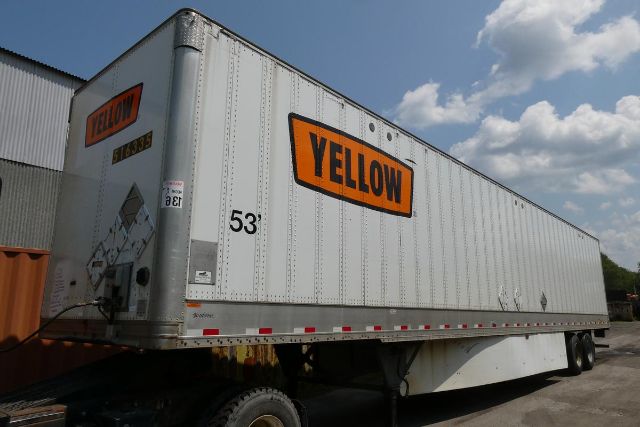
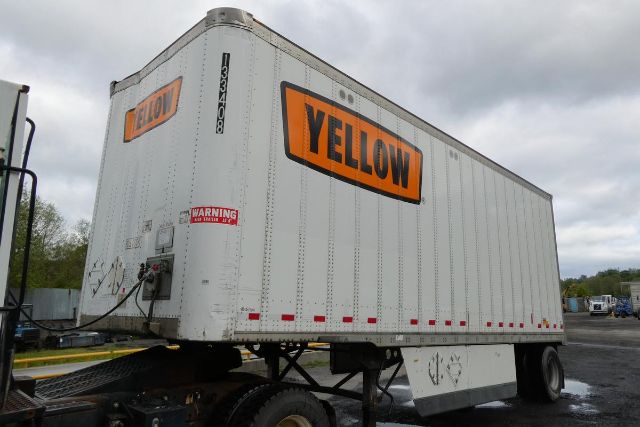
Short 28-foot pups suit terminal distribution and tight delivery sites, while 48- and 53-foot box trailers serve larger dock-to-dock loads. A fixed single axle and spring suspension are common on pups; tandem sliders on longer trailers help position axle weight. Compare actual interior dimensions, not just nominal length and exterior width. Roll-up doors simplify frequent dock stops but reduce the clear opening and require track clearance inside. Swing doors avoid the overhead track but require room behind the trailer to open and secure them.
New York's winter deicing chemicals make the undercarriage a priority. Inspect steel crossmembers, suspension hangers, landing-gear mounts, slider rails, brake chambers, air lines, and wiring connections for corrosion or patch repairs. Surface rust is different from scaling, perforation, or thinning around fasteners and welds. Check slider pins for full engagement and inspect rear impact-guard attachments for damage. On a 2016 trailer, verify tire date codes, brake and wheel-end service history, and ABS operation instead of relying on tread depth or an unlit warning lamp alone.
Floor condition separates a usable dry freight trailer from an expensive repair project. Look underneath repaired boards for damaged crossmembers, and inspect the rear threshold where forklifts repeatedly enter. Walk the empty floor for soft spots, check wall posts and scuff liners for impact damage, and examine roof seams and upper corners for leaks. Water staining, swollen wood, and daylight through the roof warrant closer investigation. Confirm door seals, rollers or hinges, and locking hardware operate properly before evaluating cargo protection.
Freight along I-90, I-81, and I-87 creates different requirements from deliveries into New York City and older urban industrial areas. Match trailer length, overall height, and turning clearance to the actual delivery route, including posted bridges and restricted streets. For cross-border work into Canada, verify legal dimensions and axle weights for each province on the route. A trailer's GVWR does not establish its legal payload; tractor weight, trailer tare weight, axle ratings, and route limits all affect the load.
Frequently Asked Questions about Used 2016 Dry Van Trailers in New York
How many pallets fit in a 28-foot versus a 53-foot dry van?
A 53-foot dry van commonly holds 26 standard 48-by-40-inch pallets in a straight, single-layer loading pattern, while a 28-foot pup commonly holds 12. Actual usable space depends on interior dimensions, door hardware, and pallet overhang. Dense freight may reach legal axle or gross weight limits before filling every pallet position, so check the load plan against scale weights.
Can a 53-foot dry van run anywhere in New York?
No, a 53-foot dry van cannot legally use every New York road. New York City restricts 53-foot trailers, with limited designated-route exceptions, and access elsewhere remains subject to truck-route rules and local restrictions. Verify the complete route to the consignee, including the final approach, using official truck-route information rather than passenger-car navigation.
Does a used 2016 dry van need an annual inspection?
A dry van used in interstate commercial service generally needs a periodic inspection at least every 12 months under 49 CFR 396.17. Verify the inspection report identifies the trailer, inspection date, and results, and confirm applicable New York inspection requirements for the trailer's registration and operation. A maintenance invoice alone does not establish that a compliant periodic inspection was completed.
How do I know whether a used dry van floor can handle my forklift?
The dry van's documented floor rating and current structural condition determine whether a forklift is suitable. Obtain the manufacturer's floor-loading specification and compare it with the loaded forklift's axle loads and tire contact characteristics, not just the forklift's empty weight. Replacement boards do not restore capacity if crossmembers or attachment points remain damaged, and concentrated machinery loads may require additional engineering review.