
Used 2003 Dry Van Trailers For Sale in New York
Used 2003 dry van trailers for sale in New York: compare salt corrosion, floor strength, door clearance, and suspension before choosing a work trailer.
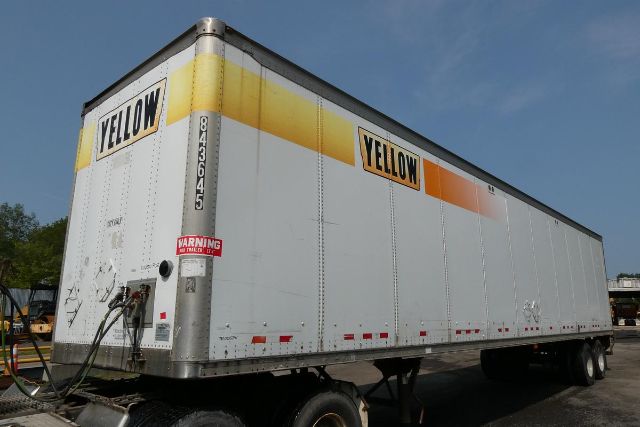
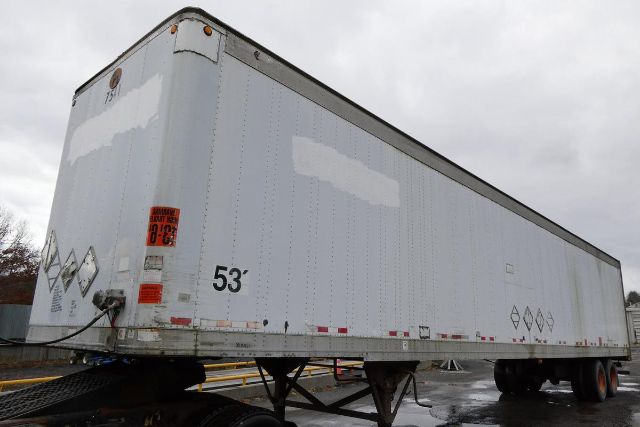
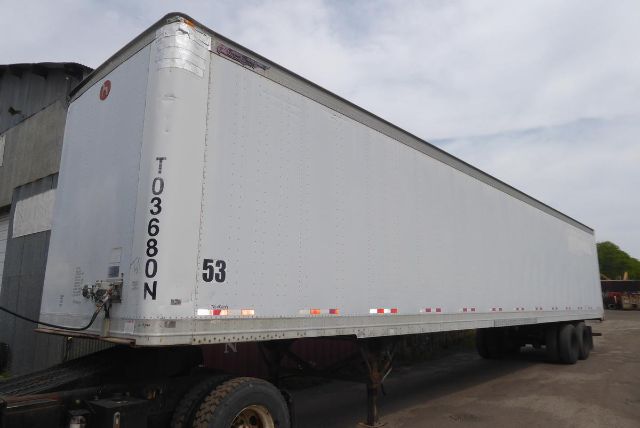
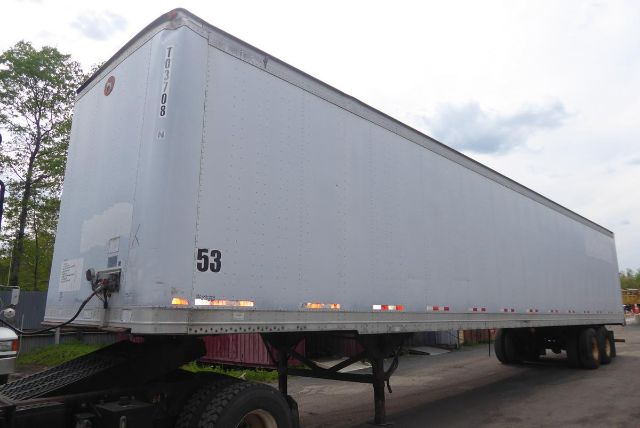
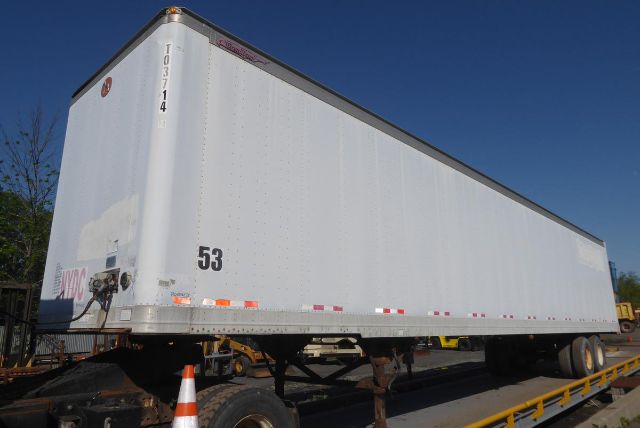
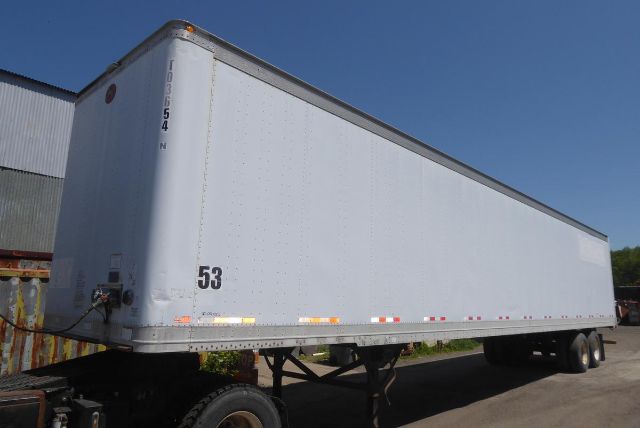
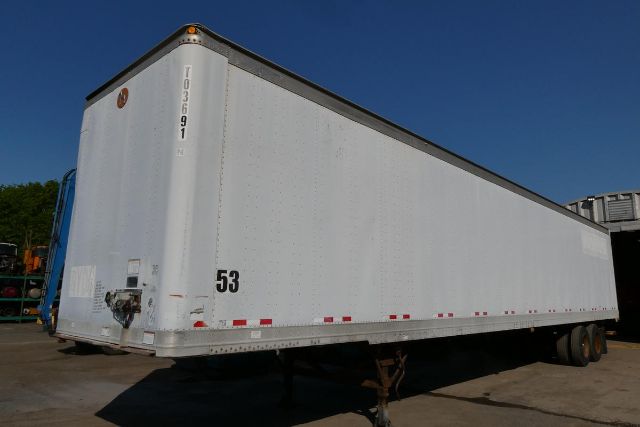
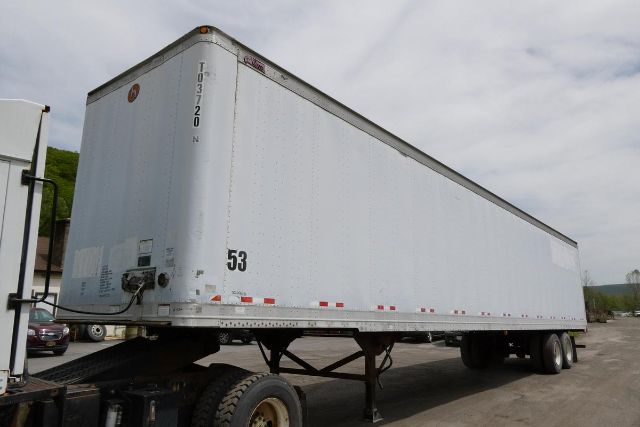
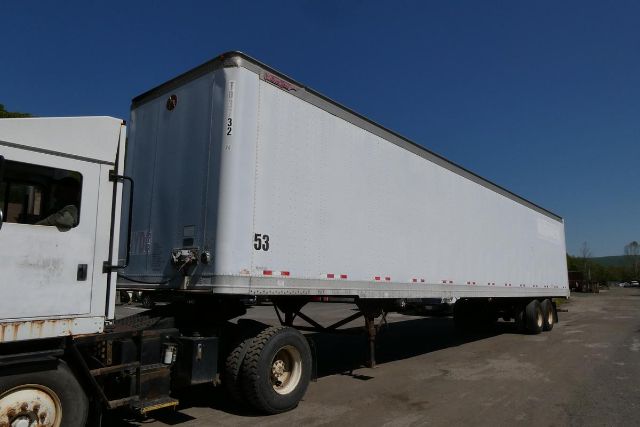
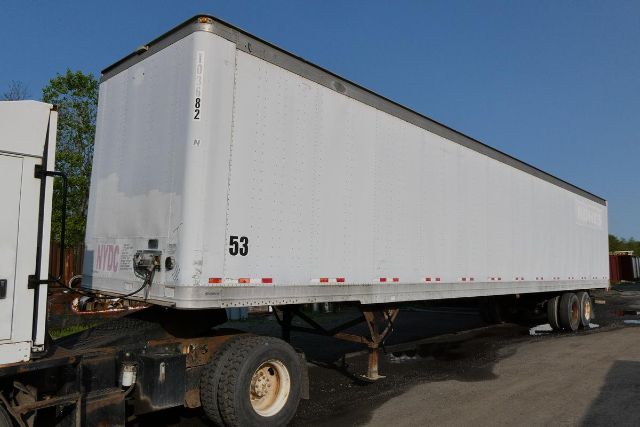
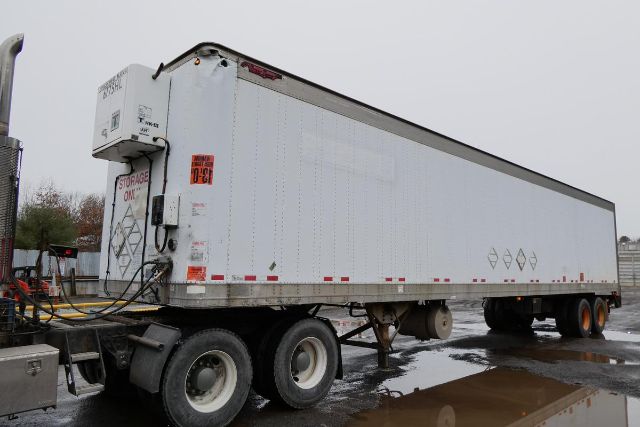

Selling a used 2003 dry van trailer? List your used 2003 dry van trailer for sale and reach thousands of commercial buyers.
Used 2003 Dry Van Trailers in New York
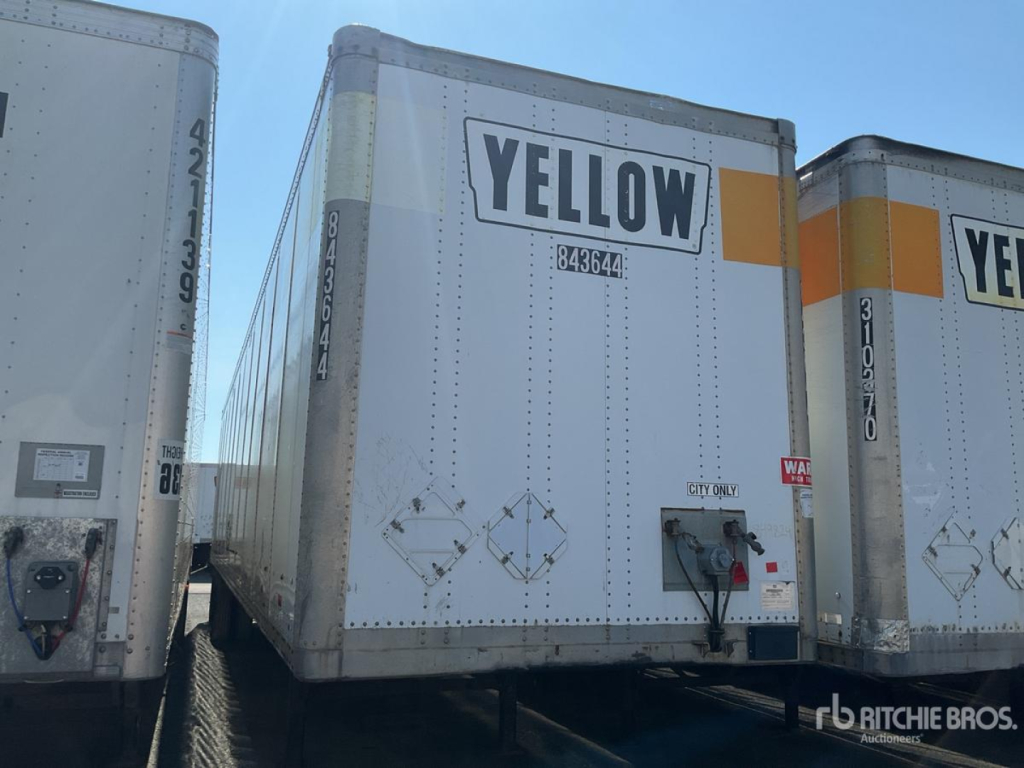
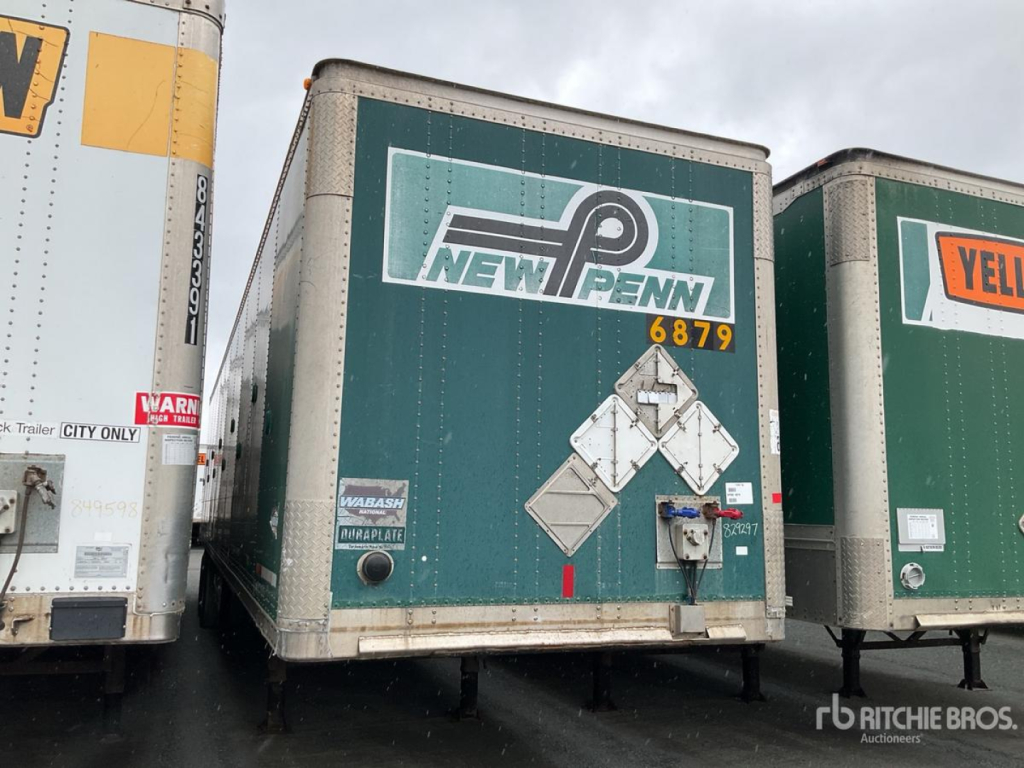
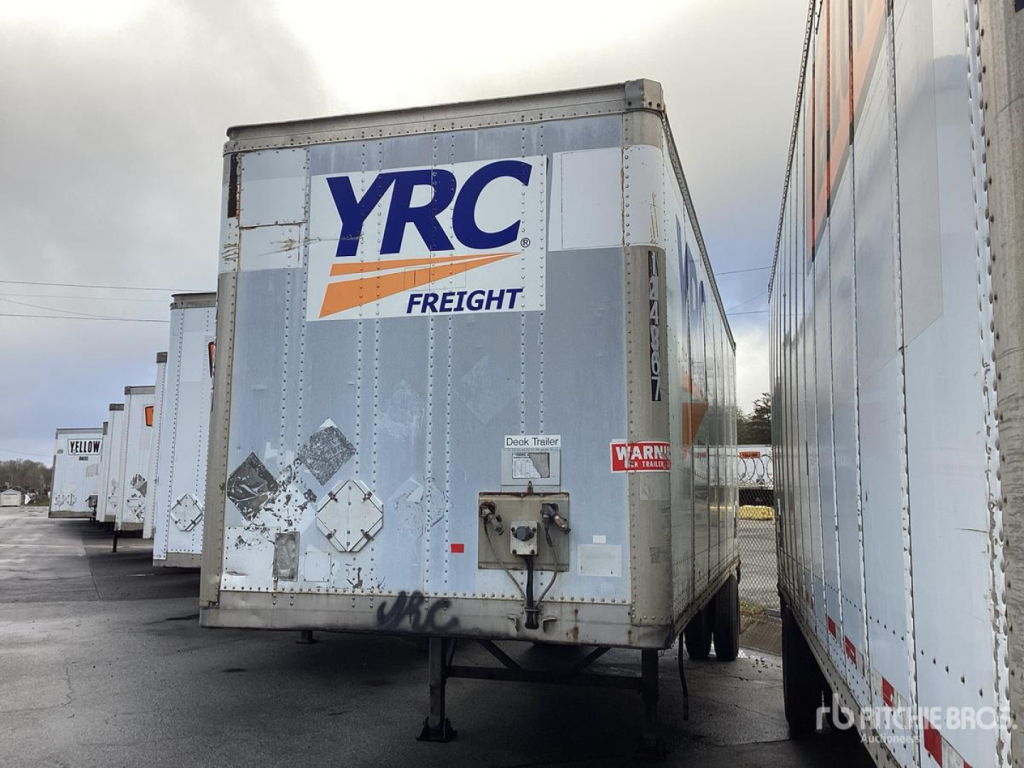
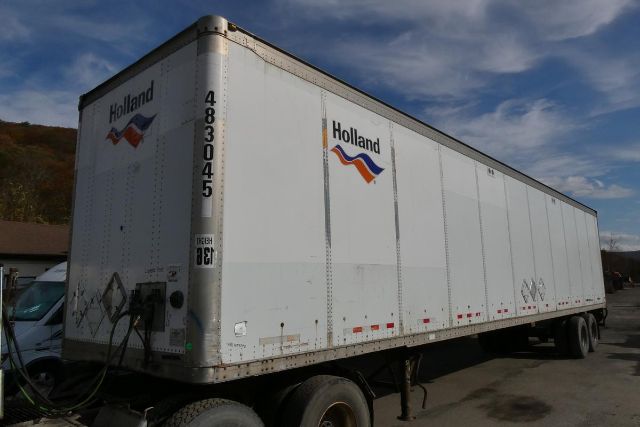
A 48-foot box trailer can suit tighter distribution yards, while a 53-foot van offers more floor space for palletized retail goods, packaging, and other non-temperature-controlled freight. Compare Great Dane, Wabash, Utility, and other makes by actual inside width, rear opening, and floor rating rather than exterior dimensions alone. Roll-up doors simplify frequent dock stops but reduce usable rear opening and add tracks, rollers, cables, and springs to maintain. Swing doors usually provide a larger opening but need room to open before backing into a dock.
Roof and floor integrity determine whether an older van can protect freight and handle forklift traffic. Check aluminum roofs for patched seams and punctures, and translucent roof panels for brittleness, cracking, and failed perimeter seals. Water stains, soft wood, loose floor screws, and rusted crossmembers can indicate damage extending beyond the visible repair. Confirm the floor's forklift loading rating for the actual lift truck and cargo, not just the trailer's GVWR. A 2003 model year does not establish wall construction or floor capacity; verify the build specifications and examine any replacement sections.
Spring ride offers mechanical simplicity, while air ride provides better isolation for freight sensitive to vibration. Inspect spring hangers and equalizers on mechanical suspensions, and check air springs, height-control valves, shocks, and bushings on air suspensions. Operate the sliding tandem through its usable travel and verify that every locking pin engages fully. Seized sliders limit axle-weight adjustment and can turn an otherwise suitable trailer into a difficult loading proposition.
New York's I-90 and I-87 distribution lanes, downstate deliveries, and winter operating conditions put different demands on the same trailer. Match length, axle placement, and height to the complete delivery route, including local access roads and posted bridges. Review annual inspection reports and repair invoices for brakes, wheel ends, roof leaks, and collision damage. Budget for bringing an older trailer into compliant road service rather than treating a current inspection sticker as proof of remaining structural life.
Frequently Asked Questions about Used 2003 Dry Van Trailers in New York
Can I use a 53-foot dry van for deliveries in New York City?
A 53-foot dry van is generally prohibited on New York City streets except on specifically authorized routes or under applicable exceptions. State highway legality does not establish city access. Verify current NYC DOT truck route and dimension rules for the entire trip, including the final blocks to the receiver, and do not assume a 48-foot trailer automatically clears every local restriction.
Does a 68,000-pound GVWR mean a dry van can carry 68,000 pounds of freight?
No. A 68,000-pound GVWR is the dry van trailer's maximum rated loaded weight, not its cargo allowance or the combination's legal gross weight. Subtract actual trailer tare weight to estimate rated payload, then check tractor capacity, axle ratings, tire ratings, axle spacing, and route limits. Interstate operation commonly has an 80,000-pound combination limit, subject to axle and bridge-formula restrictions; New York permits and route-specific rules can affect legal weight.
Should a 2003 dry van trailer have working ABS?
A road-going 2003 air-braked dry van needs functioning ABS because federal trailer ABS requirements began March 1, 1998. Power the trailer through a compatible tractor, confirm the external ABS lamp performs its normal check, and scan stored faults when possible. Wheel-speed sensors, wiring, tone rings, and modulator valves deserve attention after years of salt exposure. ABS testing does not replace a complete foundation-brake inspection.
Can I use an older dry van trailer for stationary storage in New York?
An older dry van can serve as stationary storage where local zoning and site rules permit trailer storage. Confirm municipal requirements before placing a 2003 trailer on commercial, industrial, or residential property; registration alone does not establish permission for storage use. Provide firm support beneath landing gear and maintain site drainage. A trailer retired from road service still needs compliant equipment and required documentation before returning to public roads.