
Used 2003 Dry Van Trailers For Sale
Compare used 2003 dry van trailers for sale by floor strength, roof condition, door clearance, tandem operation, and road-legal weight limits.
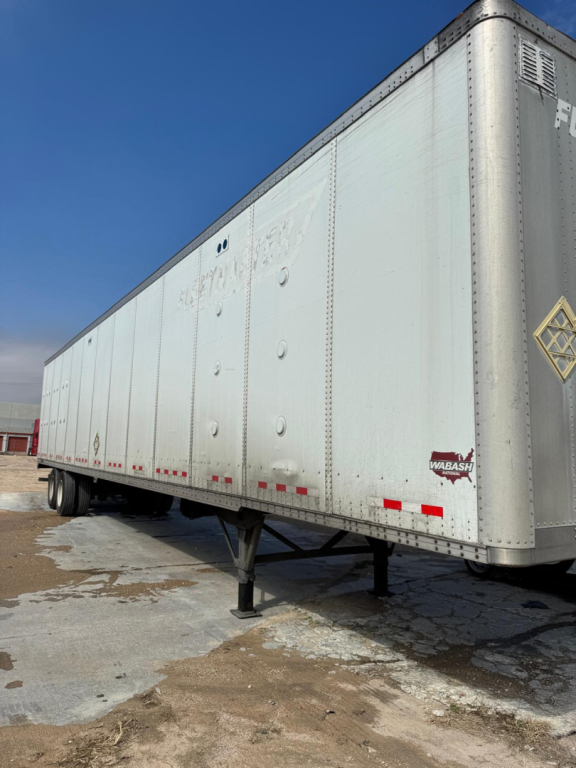
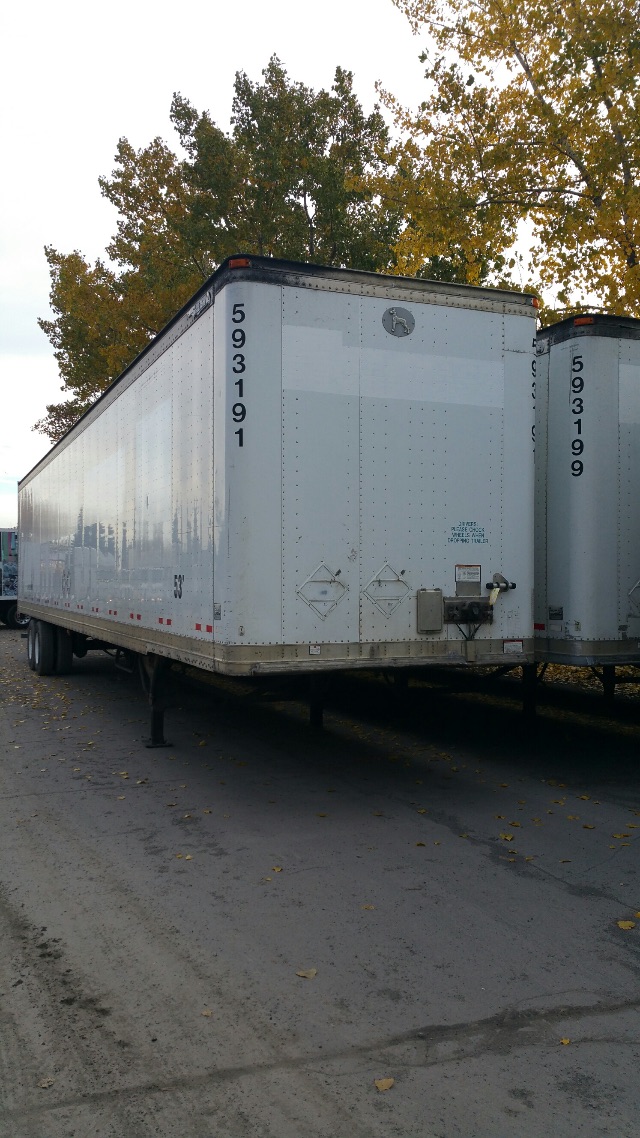
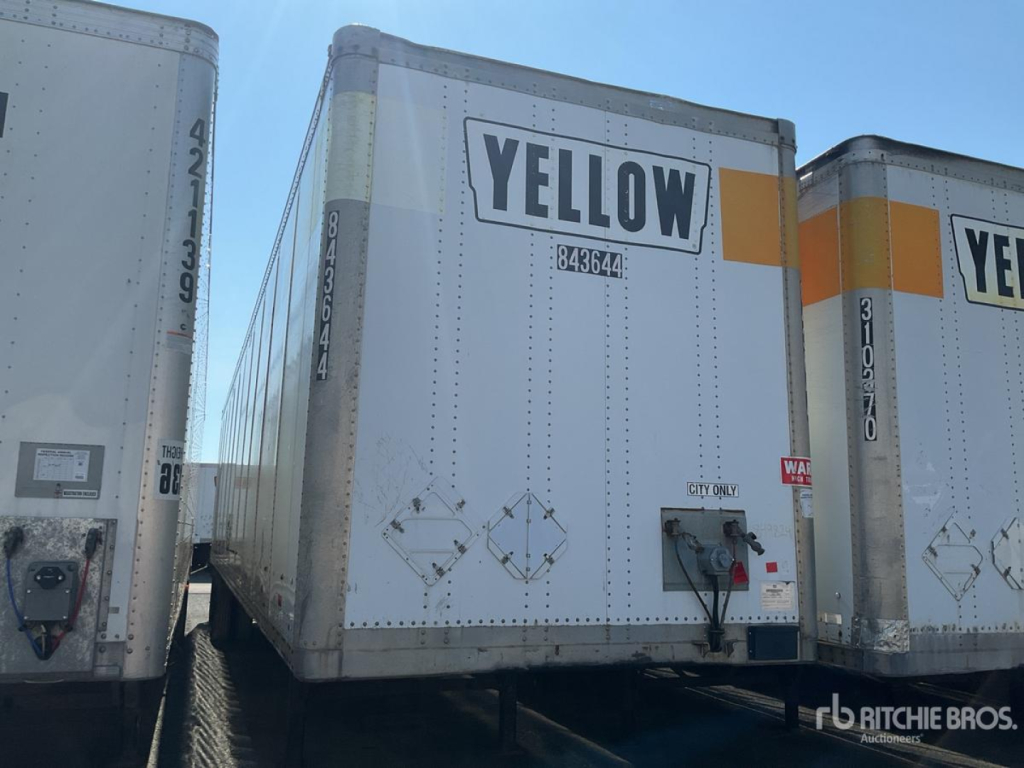
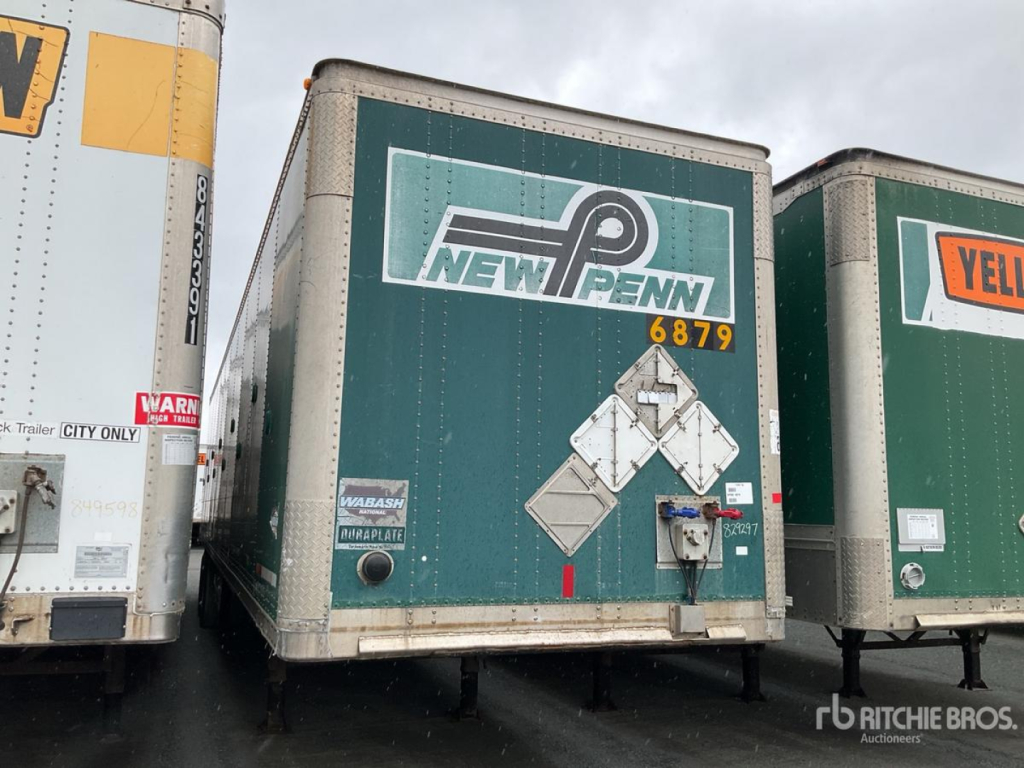
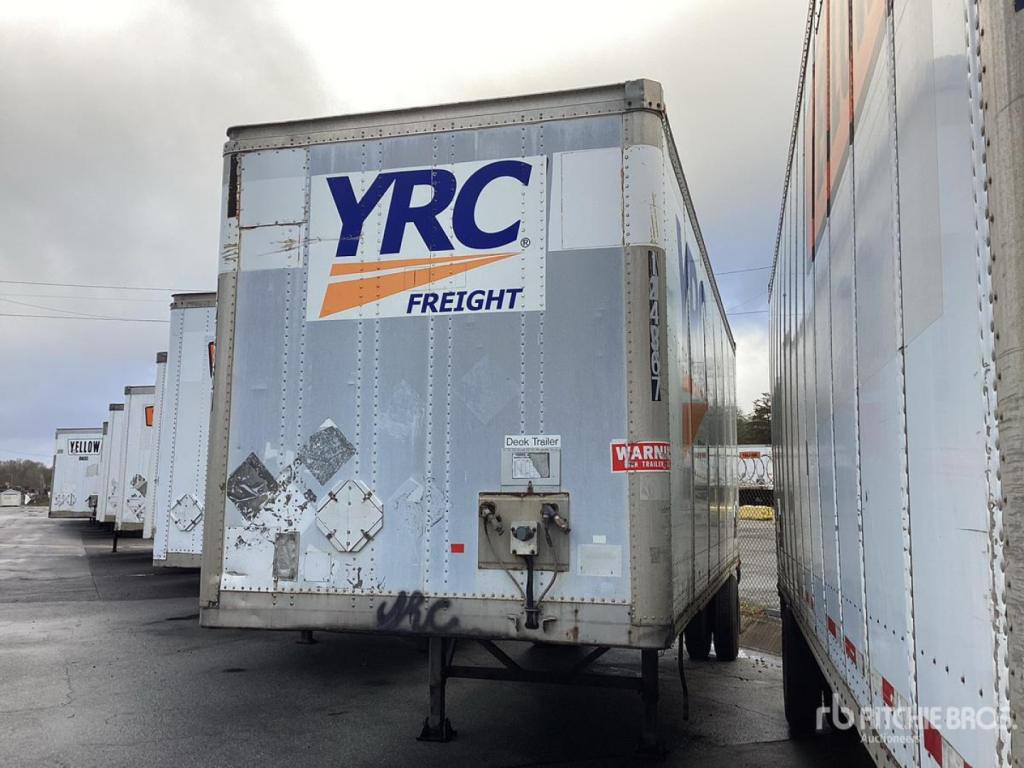
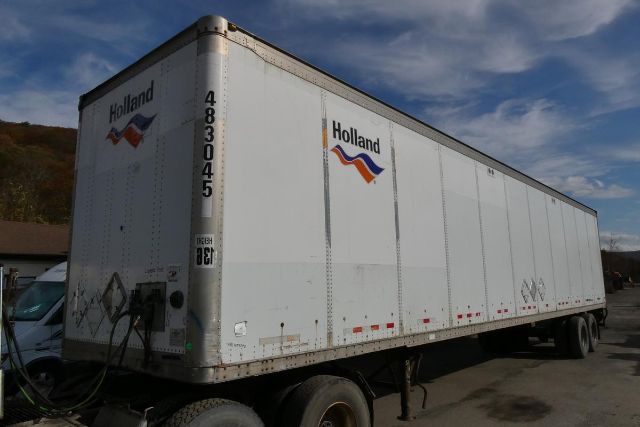
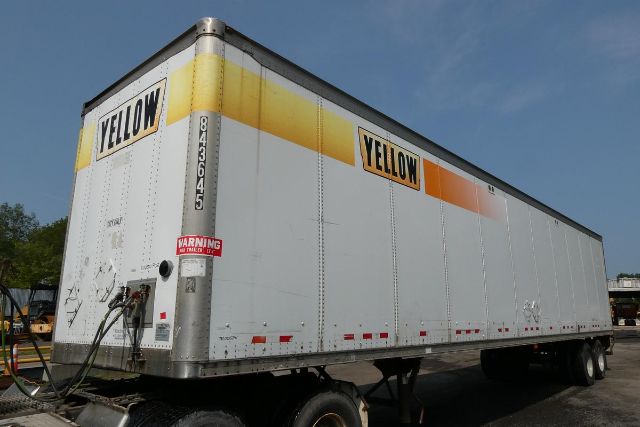
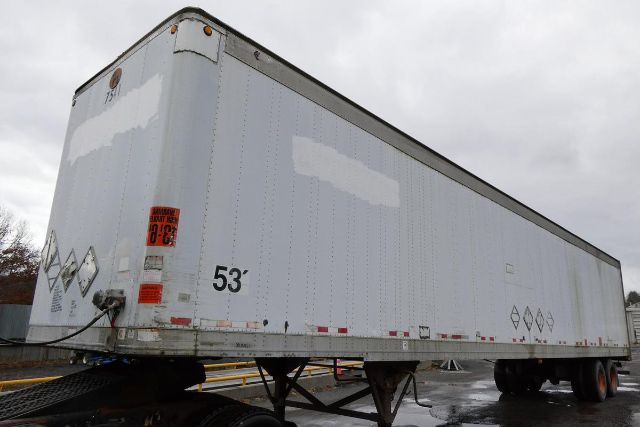
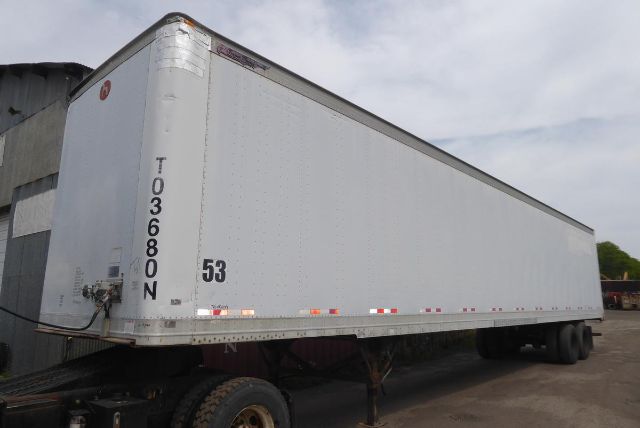
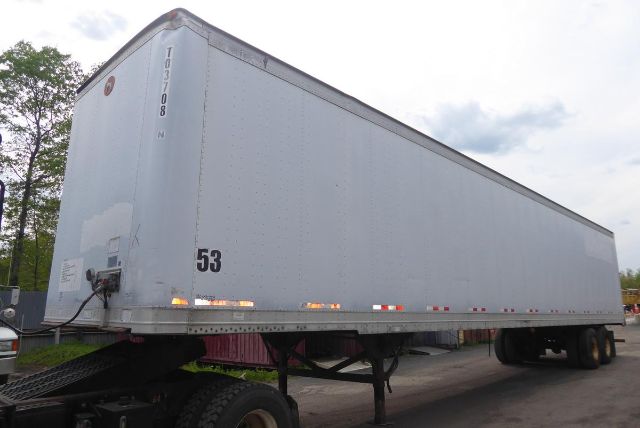
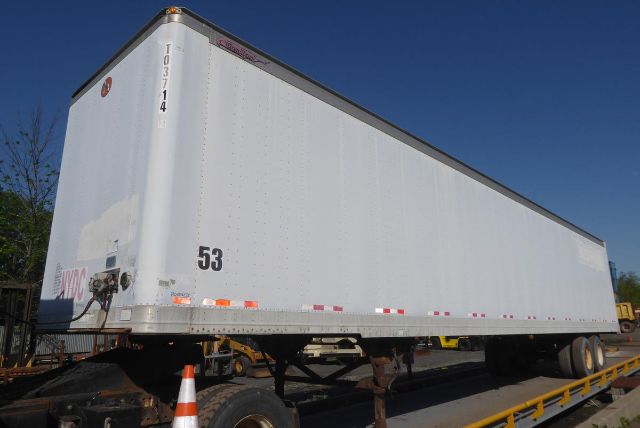
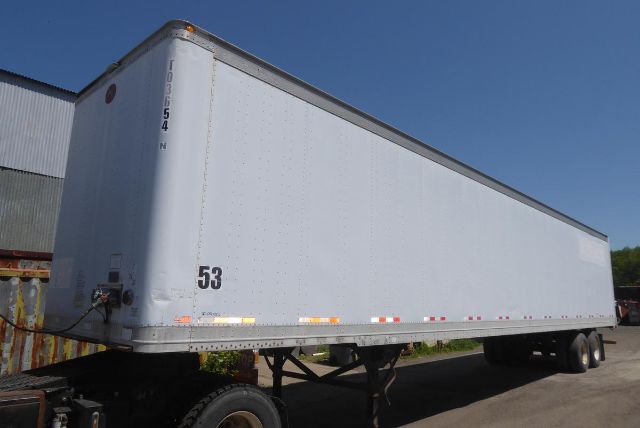
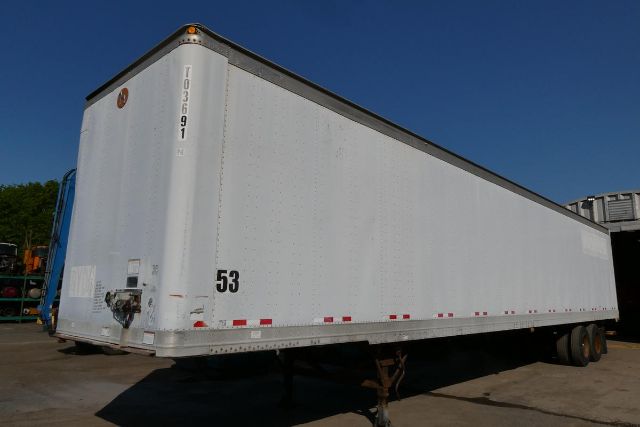
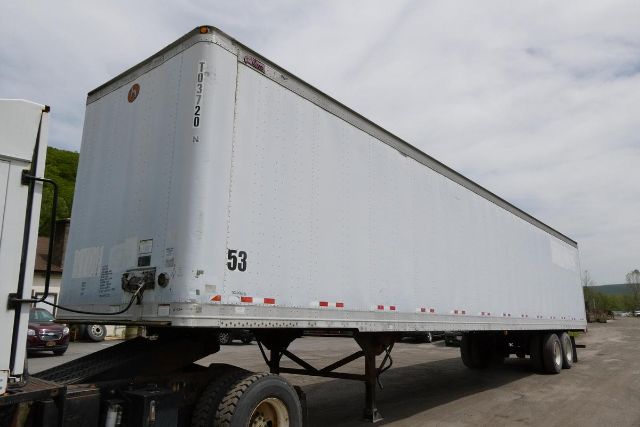
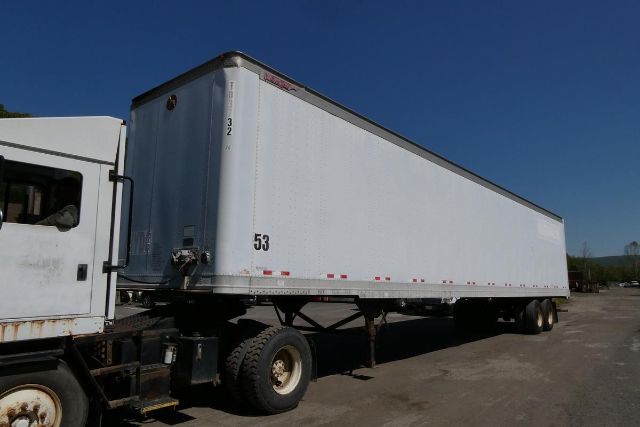
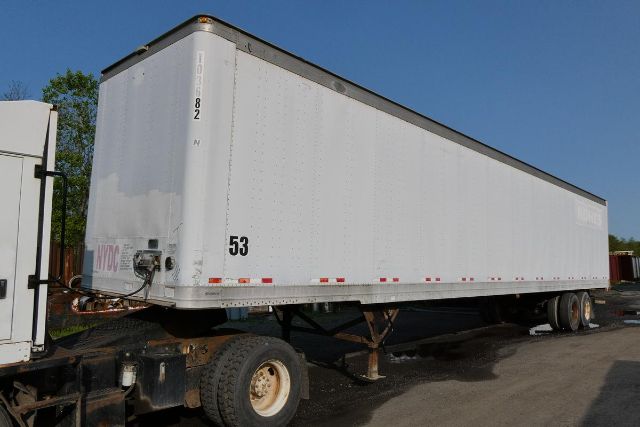
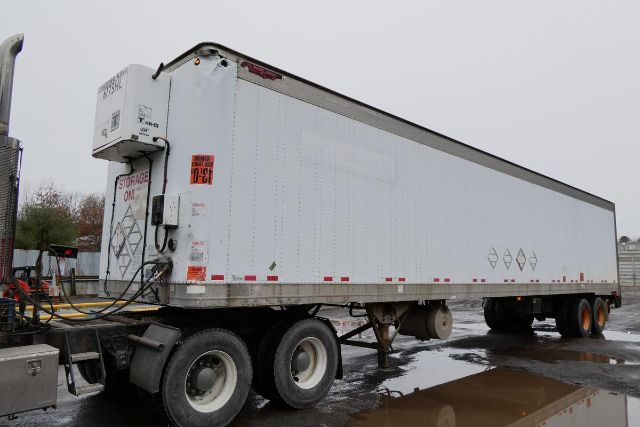

Selling a used 2003 dry van trailer? List your used 2003 dry van trailer for sale and reach thousands of commercial buyers.
Used 2003 Dry Van Trailers
A 53-foot van provides more cargo length than a 48-foot trailer, but usable space depends on interior dimensions and the rear opening. A nominal 102-inch exterior width does not establish clear loading width, and a roll-up door can reduce opening height compared with swing doors. Roll-up doors suit frequent dock deliveries because they open without swinging outside the body; swing doors generally provide a larger unobstructed opening. Match spring ride or air ride to cargo requirements, maintenance capability, and customer specifications.
Water damage is a major inspection priority on a 2003 trailer with a wood floor. Probe suspect boards, examine the underside around fasteners, and inspect steel crossmembers, lower rails, and the rear sill for section loss or cracked repairs. Aluminum skins do not eliminate corrosion in the steel understructure. Check aluminum roof seams for separated sealant and examine translucent roof panels for cracks, failed patches, and leakage. Door-header damage, distorted rear frames, and loose wall-to-floor connections can indicate repeated impacts or structural movement rather than a simple cosmetic repair.
A 2003 highway dry van should have trailer ABS, but the warning lamp, wiring, wheel-speed sensors, and modulator still need testing. Inspect brake linings, drums, chambers, slack adjusters, wheel seals, and tire date codes instead of relying on a current inspection sticker. Cycle the sliding tandem and verify that every locking pin engages; inspect spring hangers and equalizers on spring suspension, or air bags, height-control linkage, and bushings on air ride. Maintenance records should document roof work, floor replacement, brake service, suspension repairs, and collision damage, since a trailer's age alone cannot establish remaining service life.
Salt exposure across the northern United States and Canada makes landing-gear brackets, tandem rails, brake plumbing, and rear-frame corners especially important inspection points. For interstate or cross-border freight, verify route-specific length, axle-weight, bridge, and seasonal restrictions before selecting tandem position or accepting a payload calculation. Trailer GVWR is a structural rating, not permission to exceed legal combination weight, and a 2003 trailer's original configuration or inspection paperwork does not establish compliance with every current operating requirement.
Frequently Asked Questions about Used 2003 Dry Van Trailers
How do I know whether a used 2003 dry van floor can handle my forklift?
The manufacturer's floor rating and the loaded forklift's axle loads are the critical checks for a used 2003 dry van. Total cargo payload alone does not establish floor capacity because forklift wheels concentrate weight over small areas. Obtain original specifications when possible, account for replacement flooring and crossmember repairs, and have weakened or undocumented floors evaluated before loading.
How can I check the ABS on a 2003 dry van trailer?
Verify the ABS warning-lamp startup sequence and read diagnostic codes with equipment compatible with the trailer's ABS system. A 2003 dry van can retain normal service-brake operation while its antilock function has a fault. Inspect power connections, sensor wiring, and damaged connectors, and do not assume an unlit warning lamp proves the system works.
Does a 2003 dry van trailer need an annual inspection?
A 2003 dry van operated in US interstate commerce generally needs a qualifying periodic inspection at least every 12 months under 49 CFR 396.17. Obtain the inspection report rather than relying solely on a decal, and confirm that identified defects were corrected. Canadian periodic inspection requirements are administered provincially, so verify the applicable program and cross-border recognition requirements.
Can I use a 2003 dry van trailer for stationary storage?
Yes, a structurally sound, weather-tight 2003 dry van can serve as stationary storage, subject to local zoning and site requirements. Support the landing gear on suitable footing, secure the trailer against movement, and check floor capacity for concentrated loads. A trailer intended only for storage still needs safe access, sound supports, and protection against water intrusion and pests.
Does a 68,000-pound trailer GVWR mean I can carry 68,000 pounds of freight?
No, a 68,000-pound dry van GVWR includes the trailer's own weight and does not represent cargo capacity. Legal payload is also limited by the tractor-trailer combination weight, axle loading, tires, and applicable bridge rules. The usual US Interstate combination limit is 80,000 pounds, with exceptions; Canadian limits vary by province and axle configuration.