
2026 Trailers For Sale in Colorado
Shop 2026 trailers for sale in Colorado, including dump, flatbed, drop deck, reefer, and dry bulk trailer configurations.
Showing 25 to 48 of 89 results
Have 2026 trailer to sell? List it here to reach thousands of buyers.
2026 Trailers in Colorado
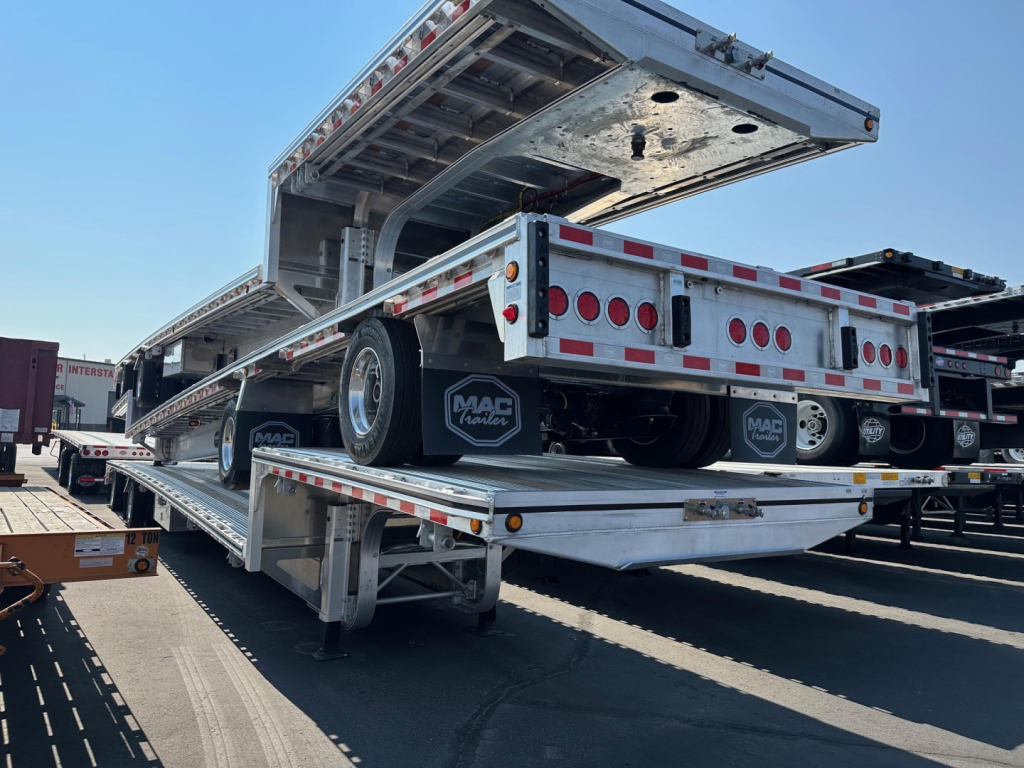
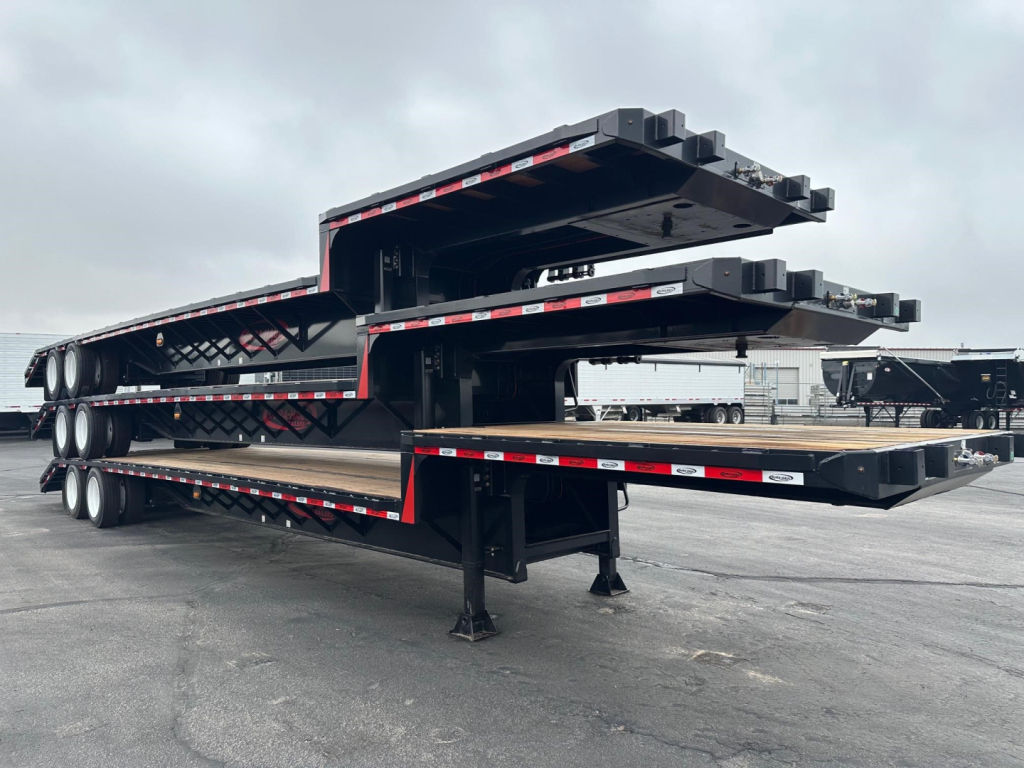
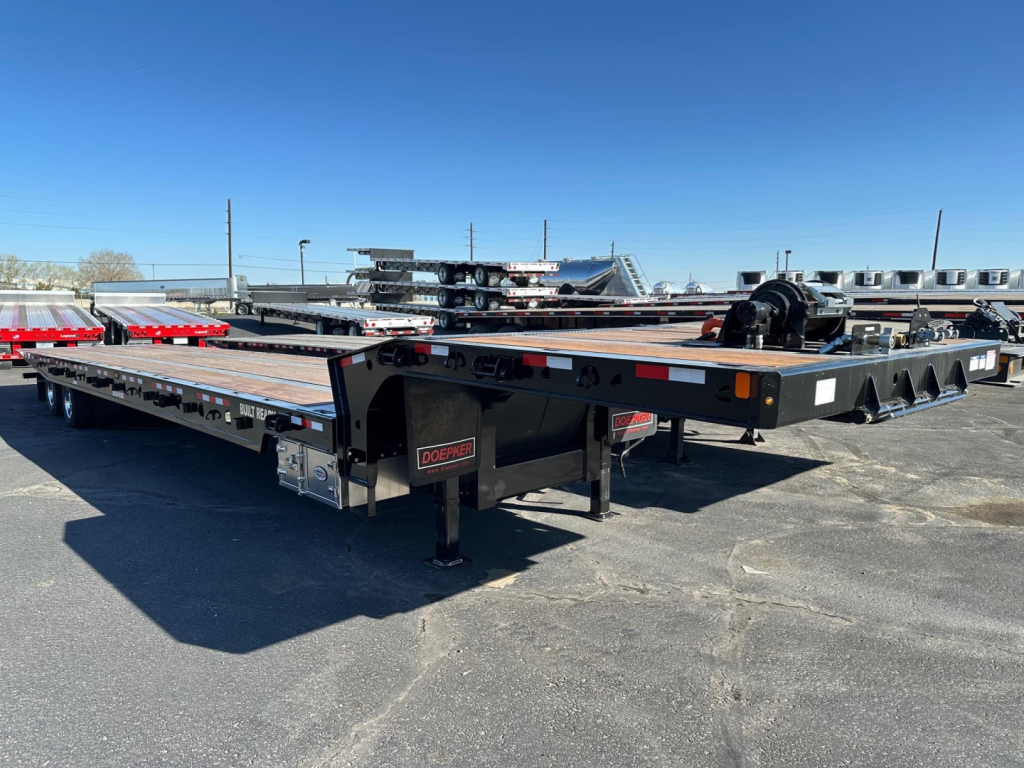
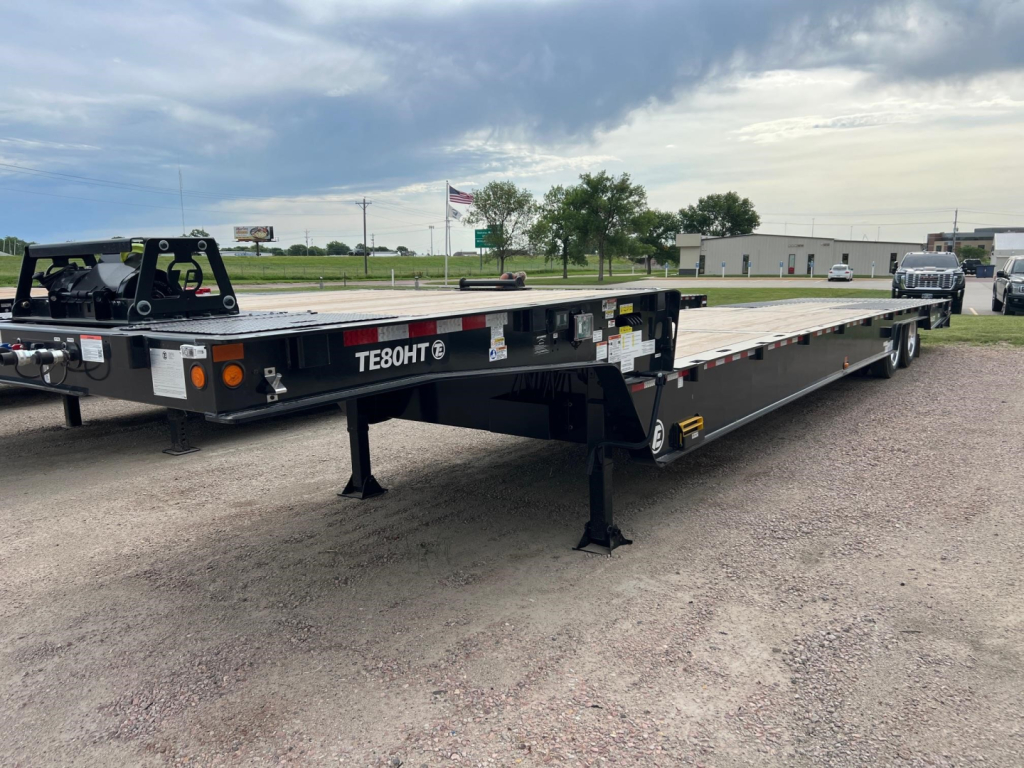
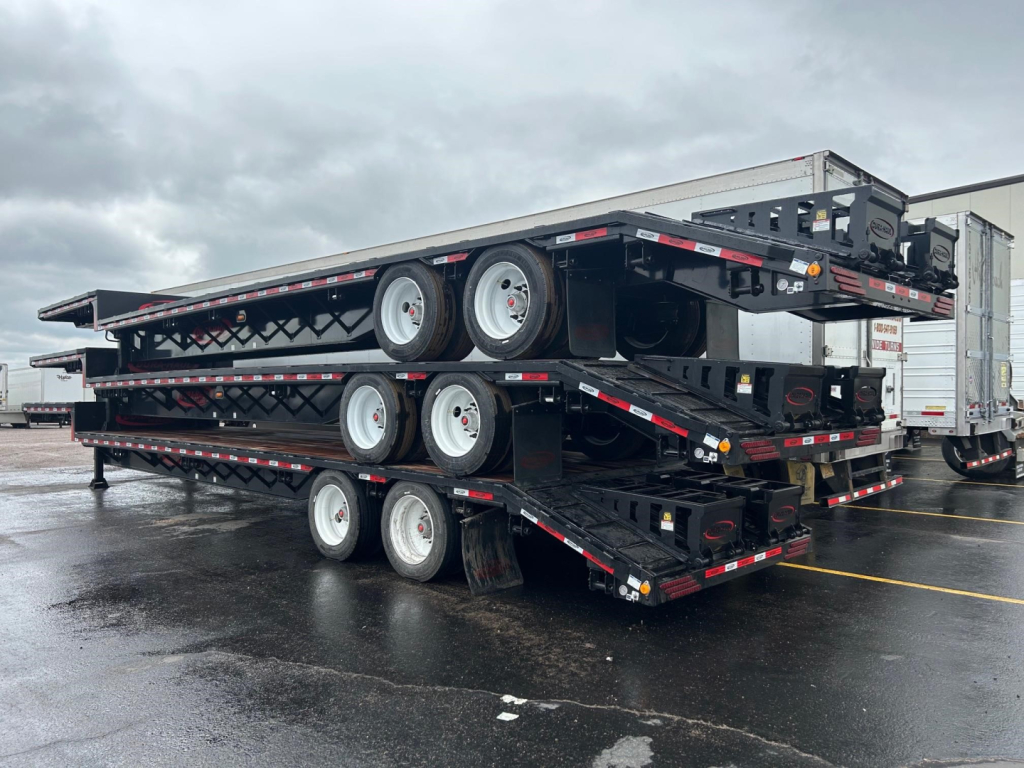
For open-deck work, 2026 flatbed and drop deck trailers are commonly built in 48-foot or 53-foot lengths and 102-inch widths, with steel or aluminum construction depending on duty cycle and tare weight targets. Apitong flooring remains a popular choice for freight that sees chains, forklifts, or concentrated point loading. Buyers should pay attention to crossmember spacing, main beam construction, sliding winches, stake pockets, pipe spools, nail strips, and tandem axle configuration. A fixed tandem can be simple and durable, while an air-ride slider adds flexibility for bridge law and axle spread requirements. Drop deck and expandable configurations are especially useful when deck height and legal load height are critical for machinery, counterweights, and taller freight.
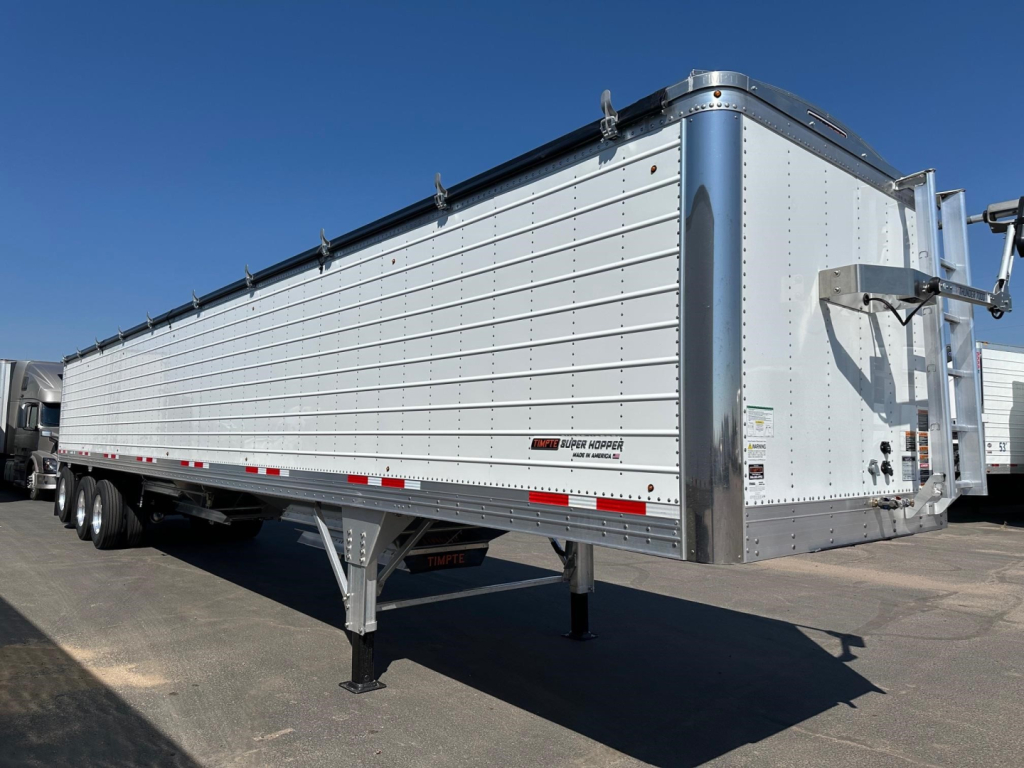
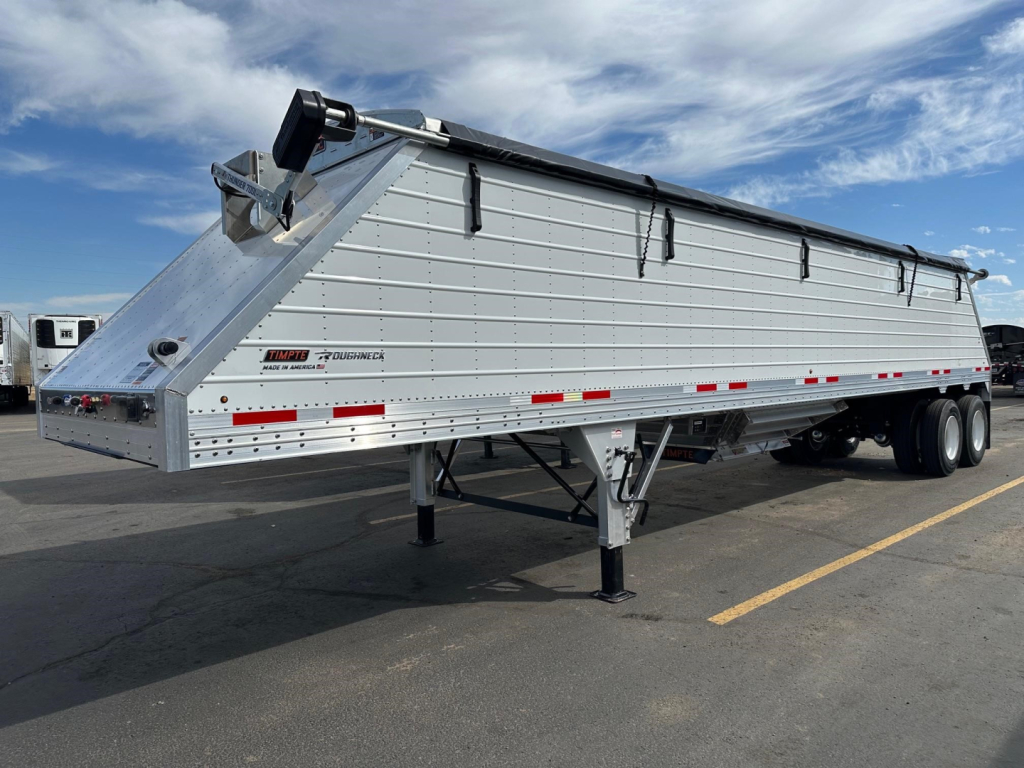
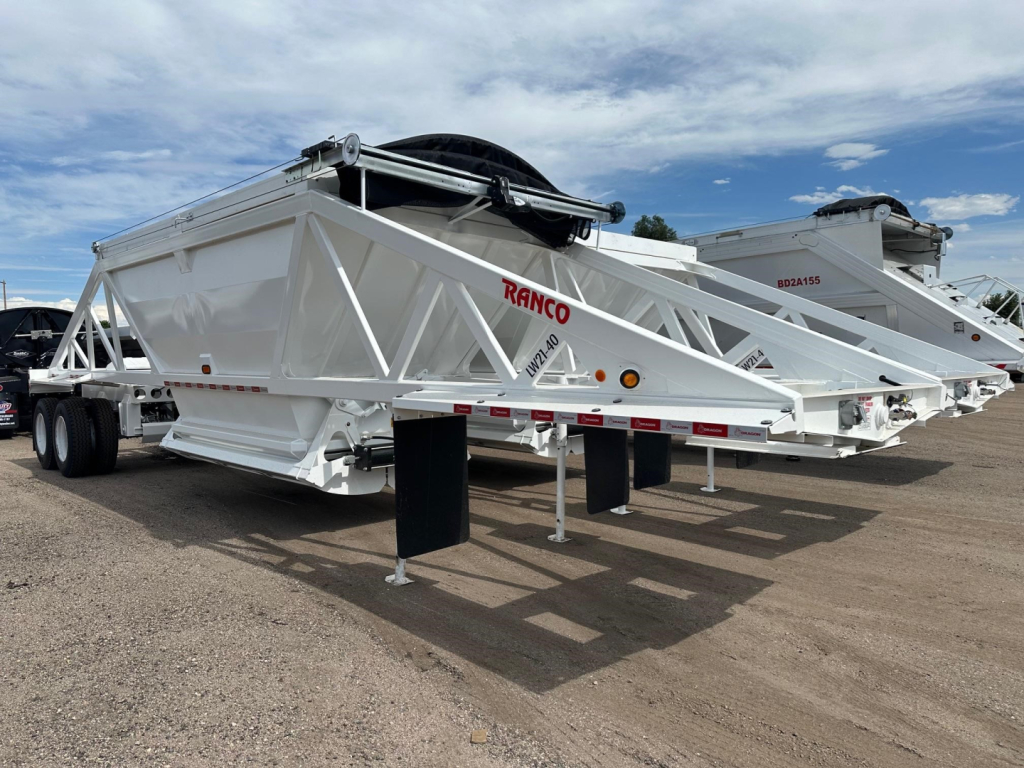
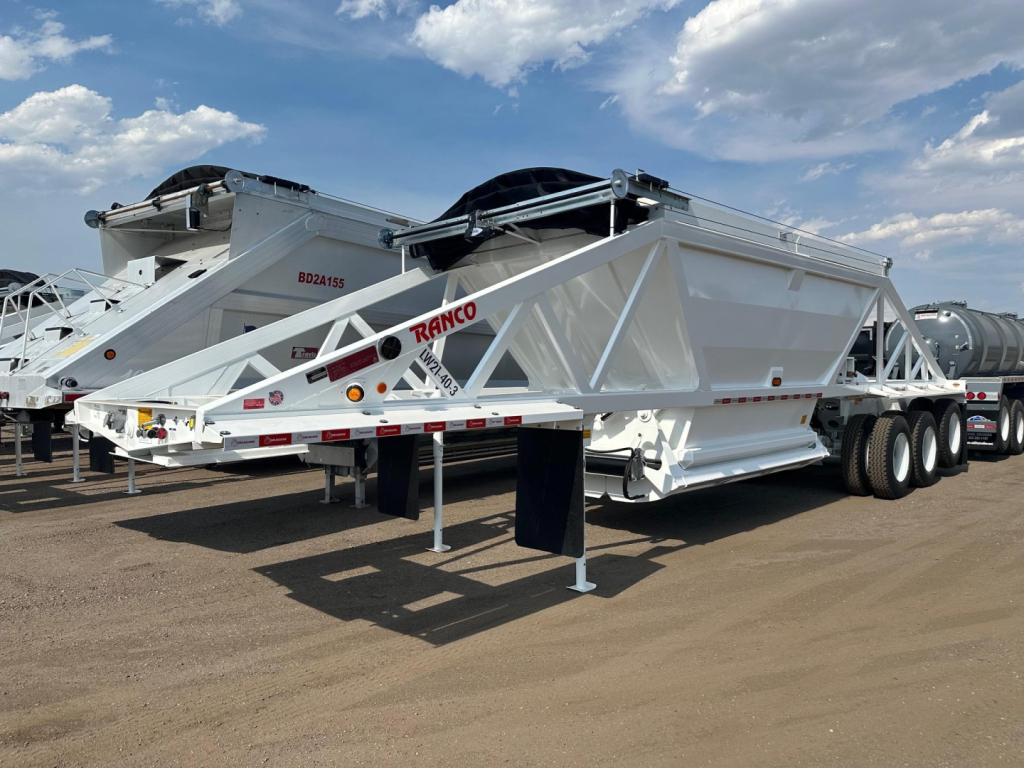
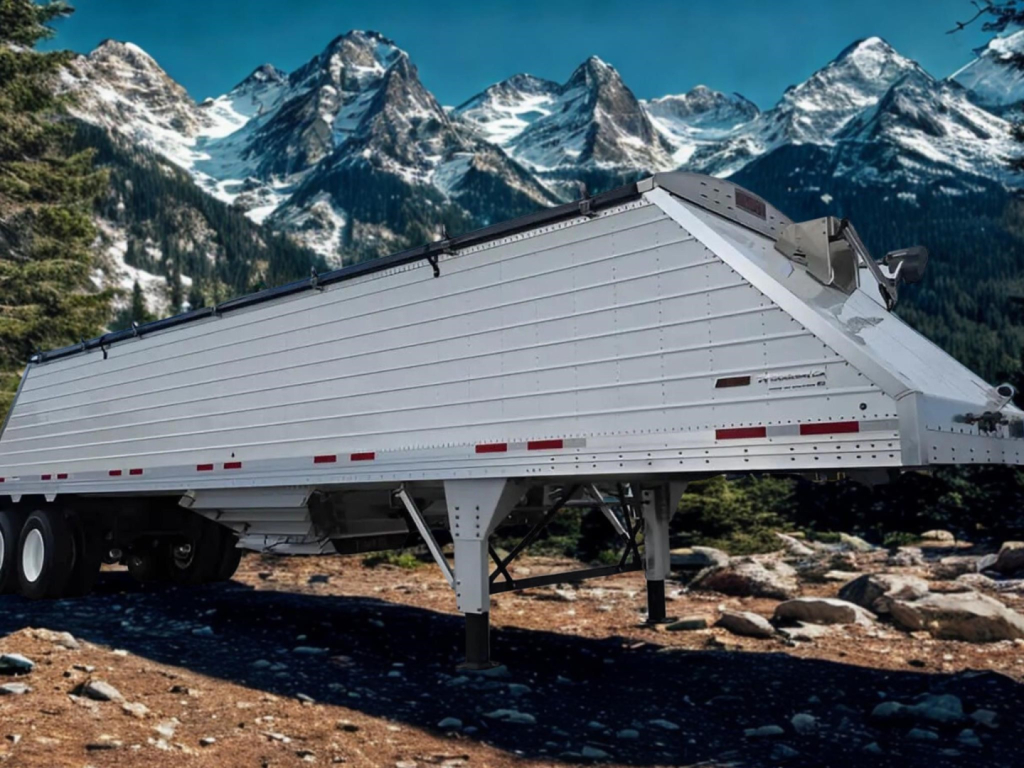
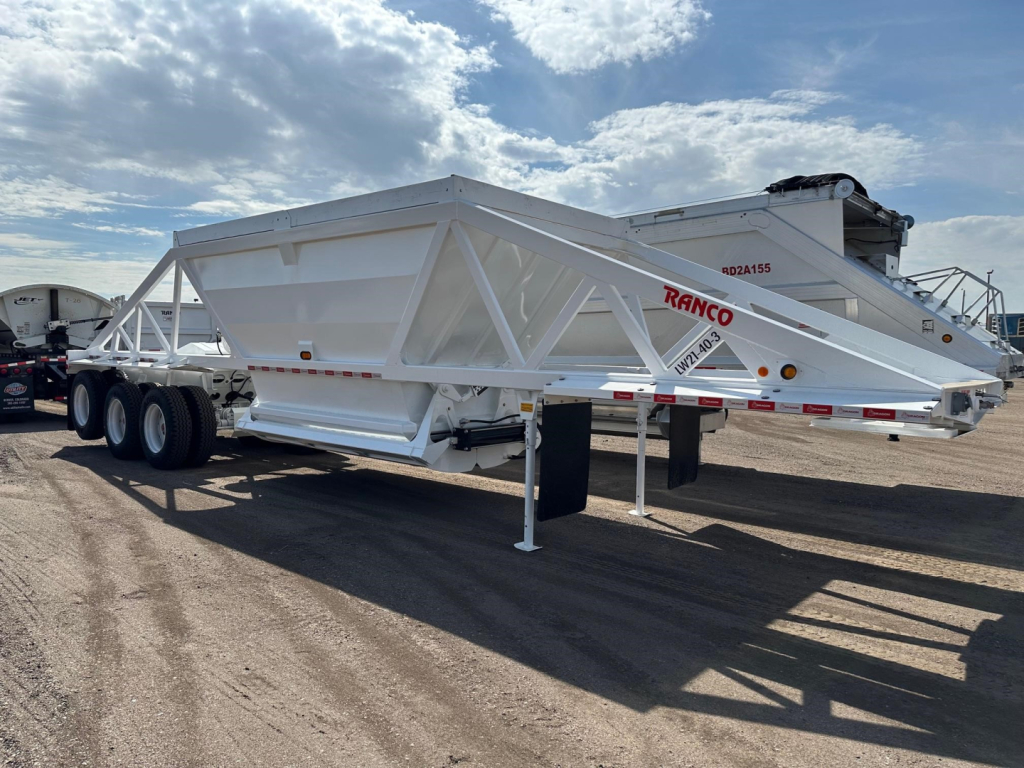
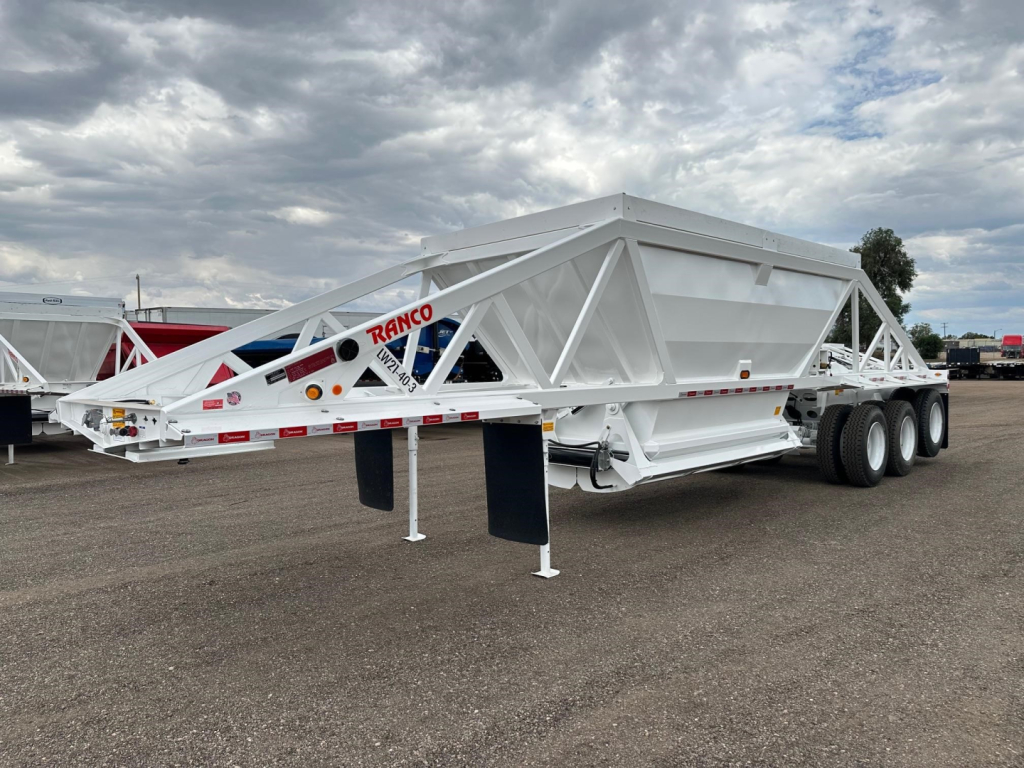
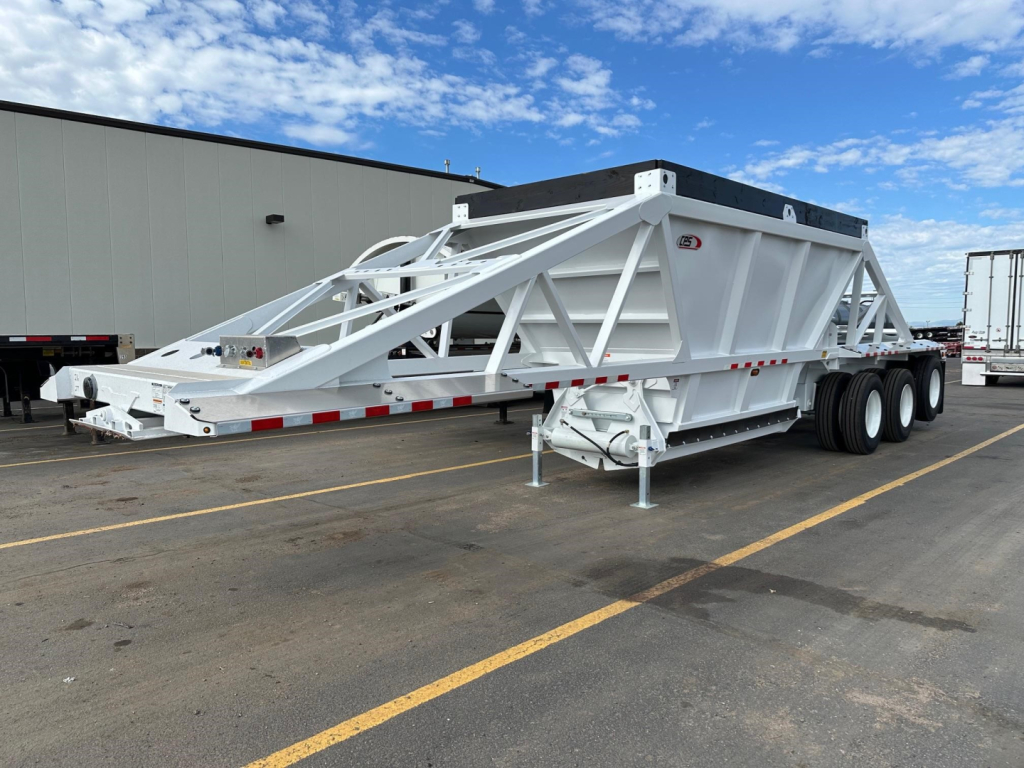
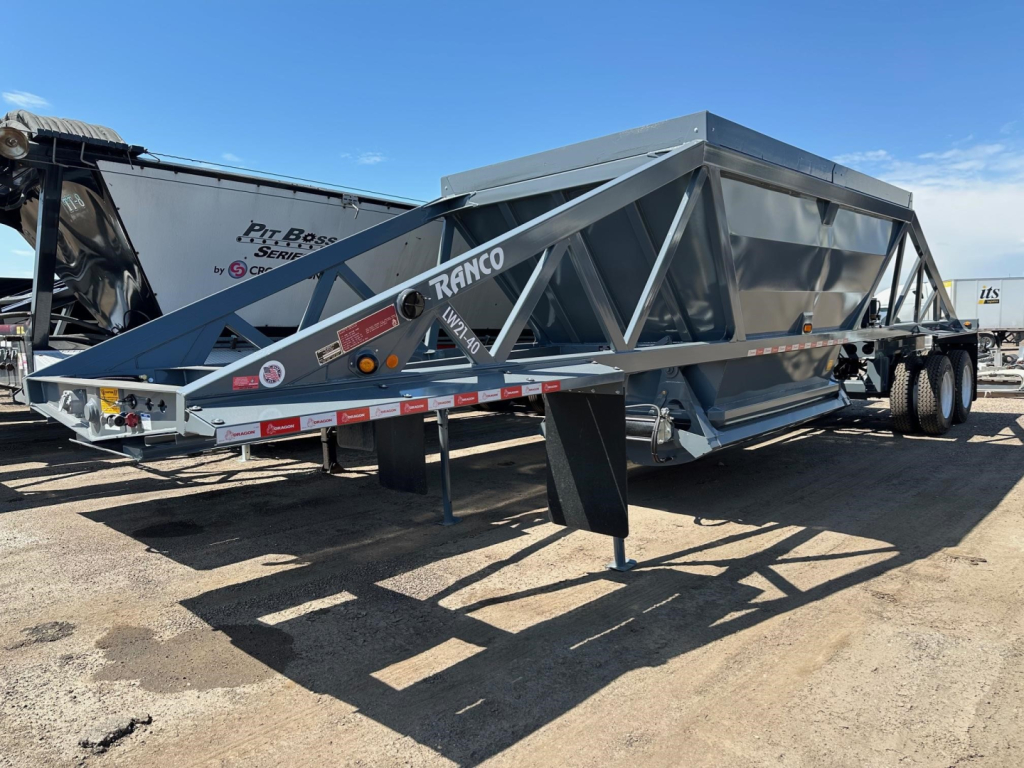
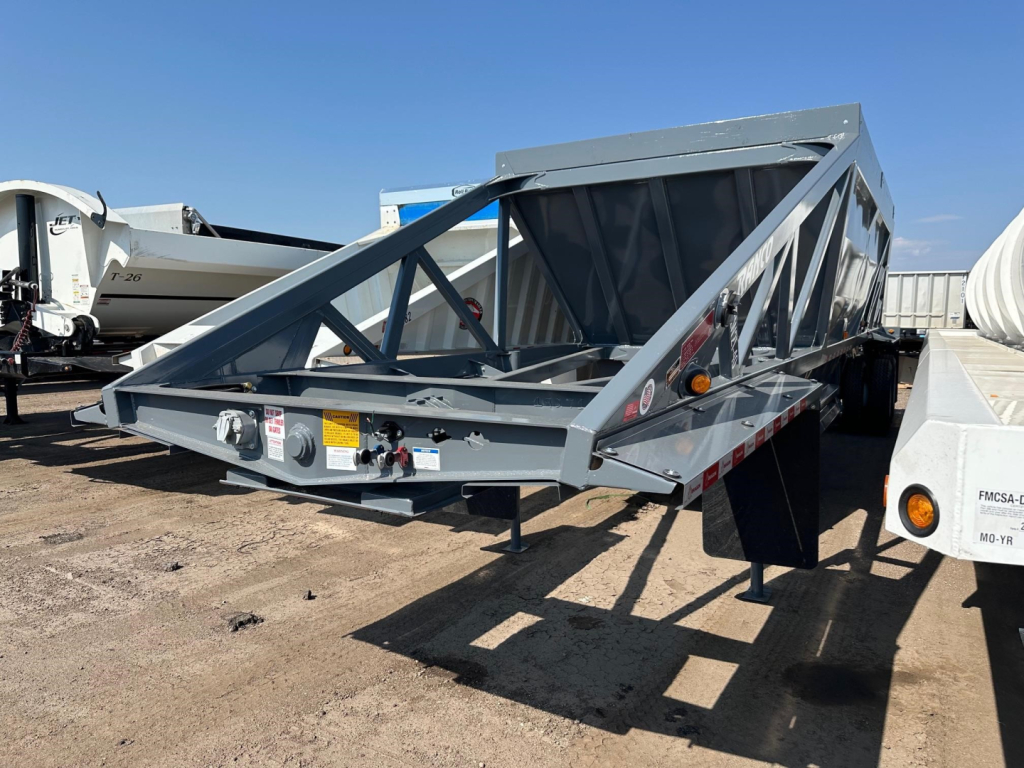
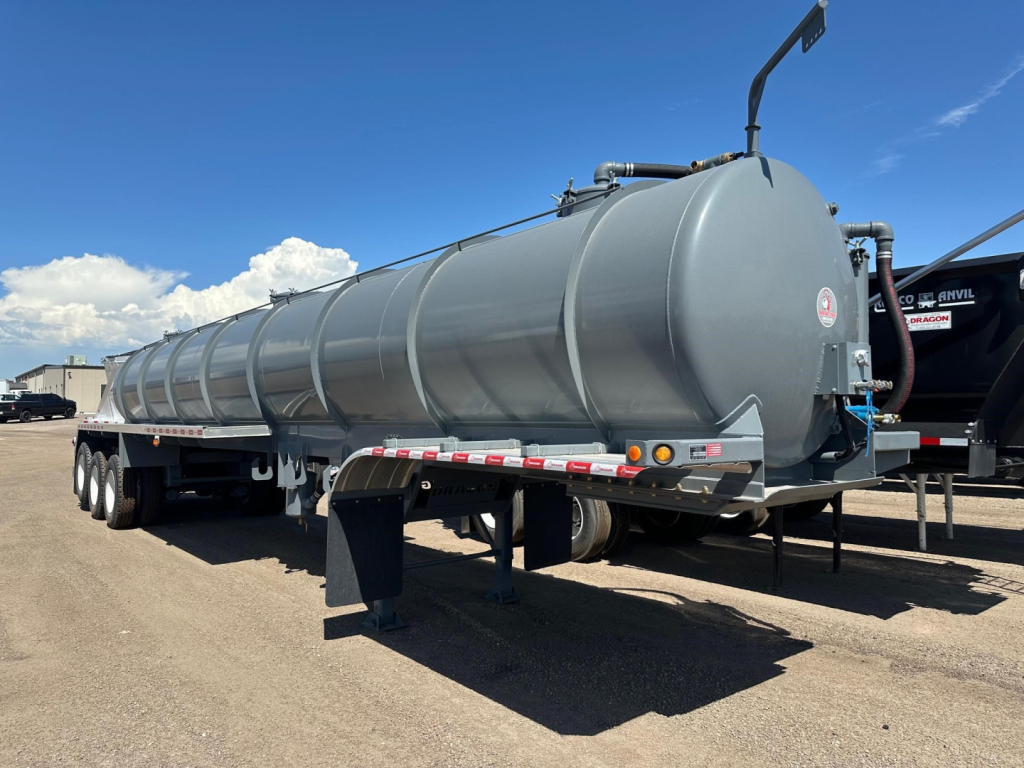
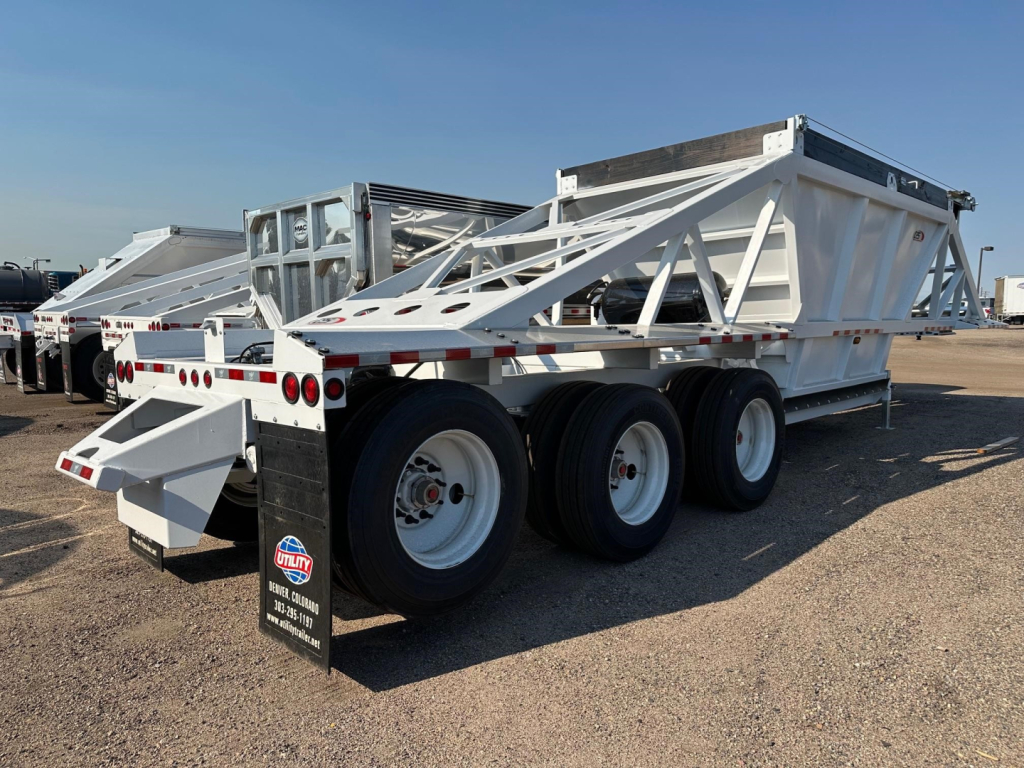
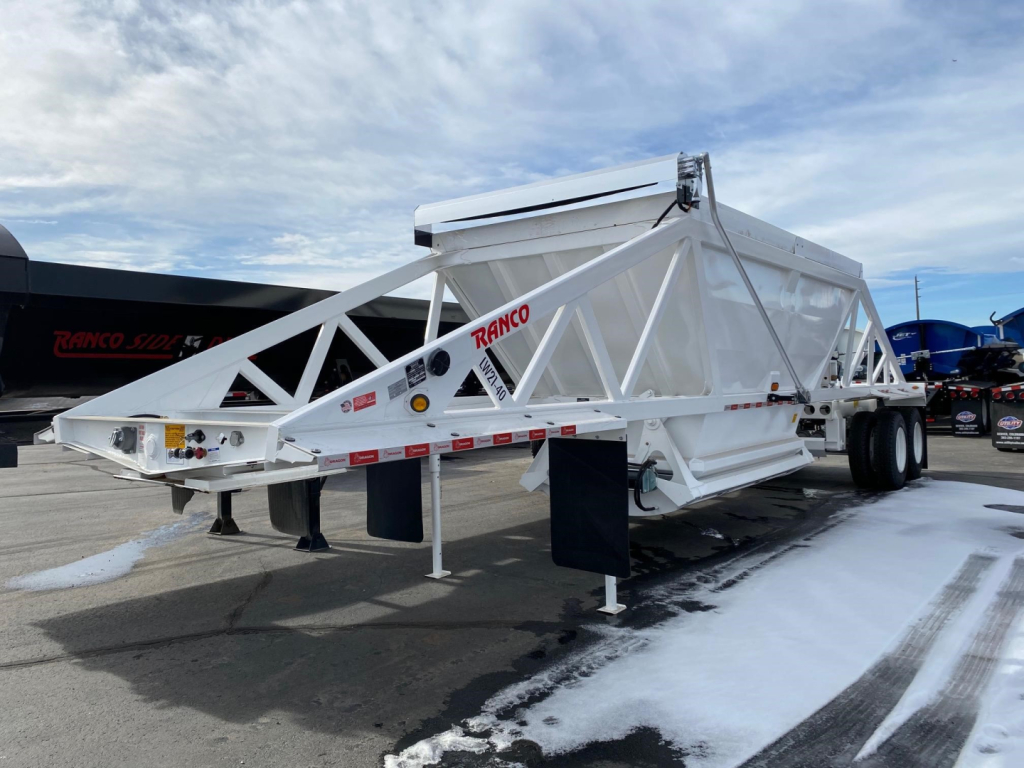
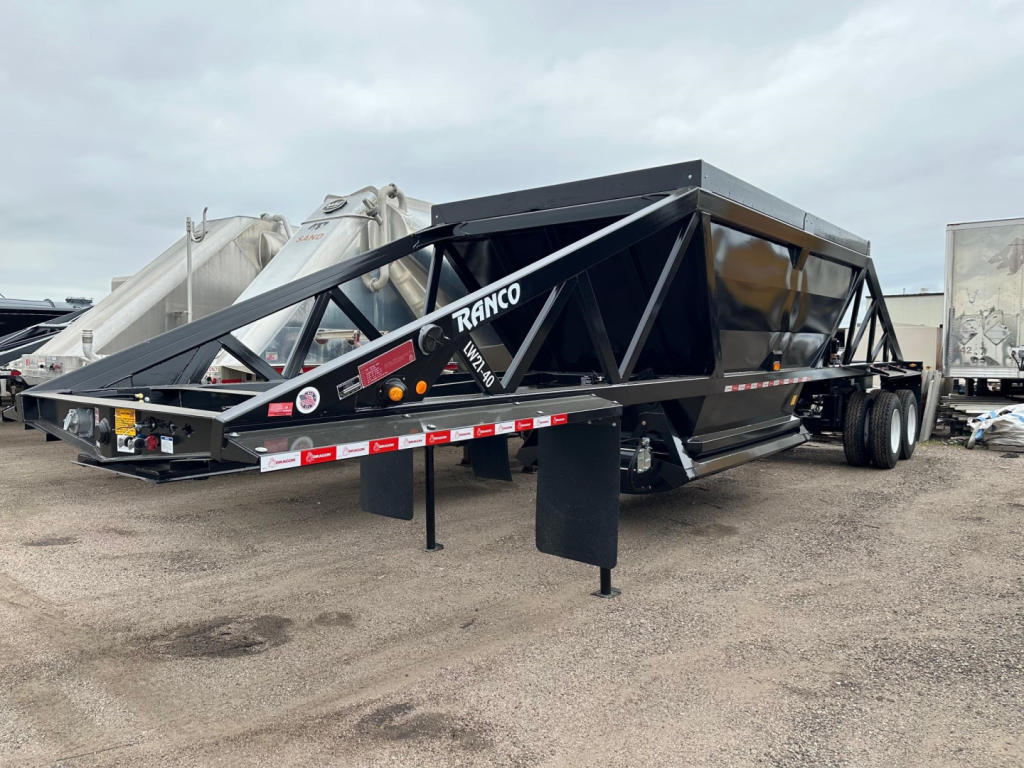
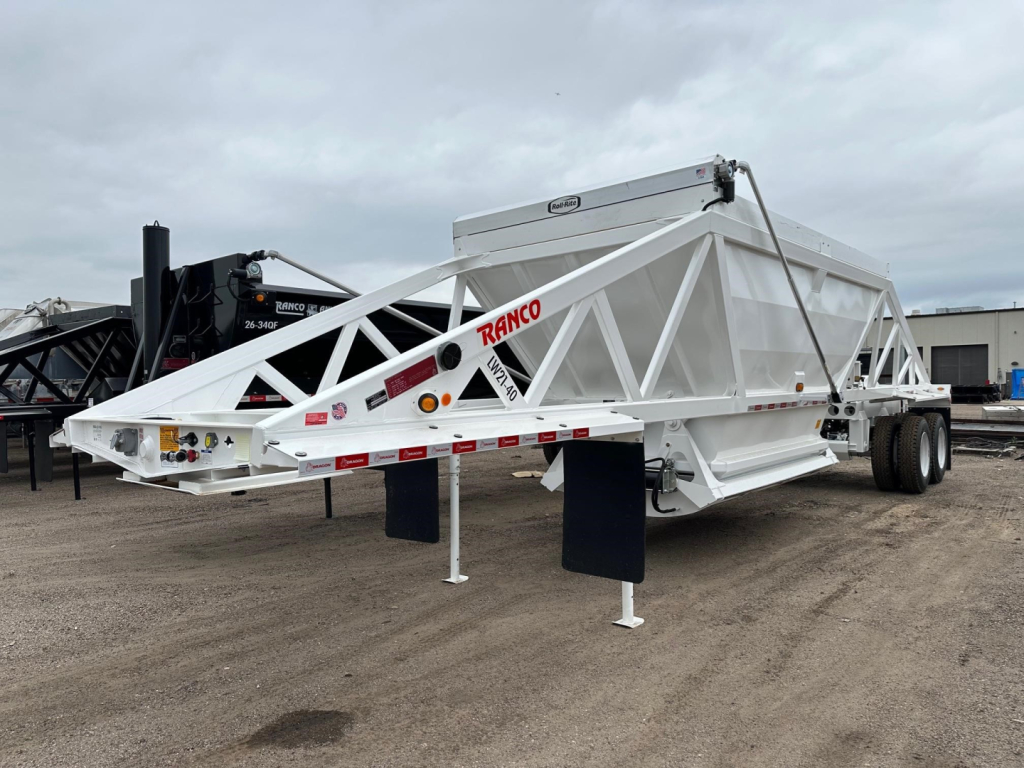
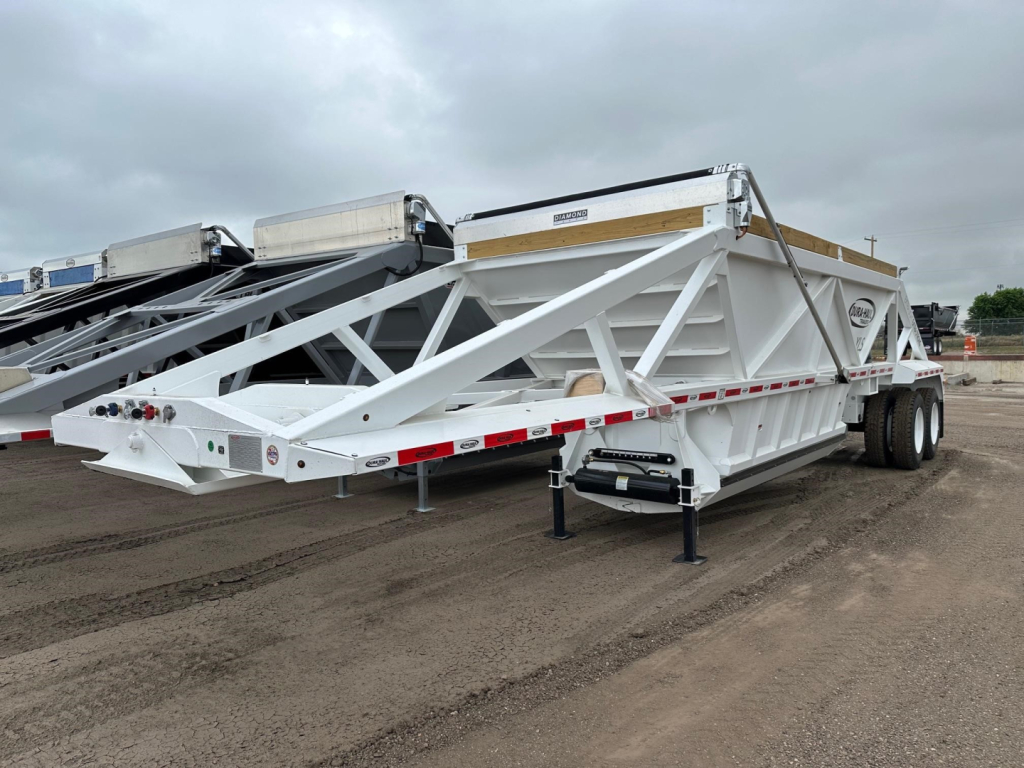
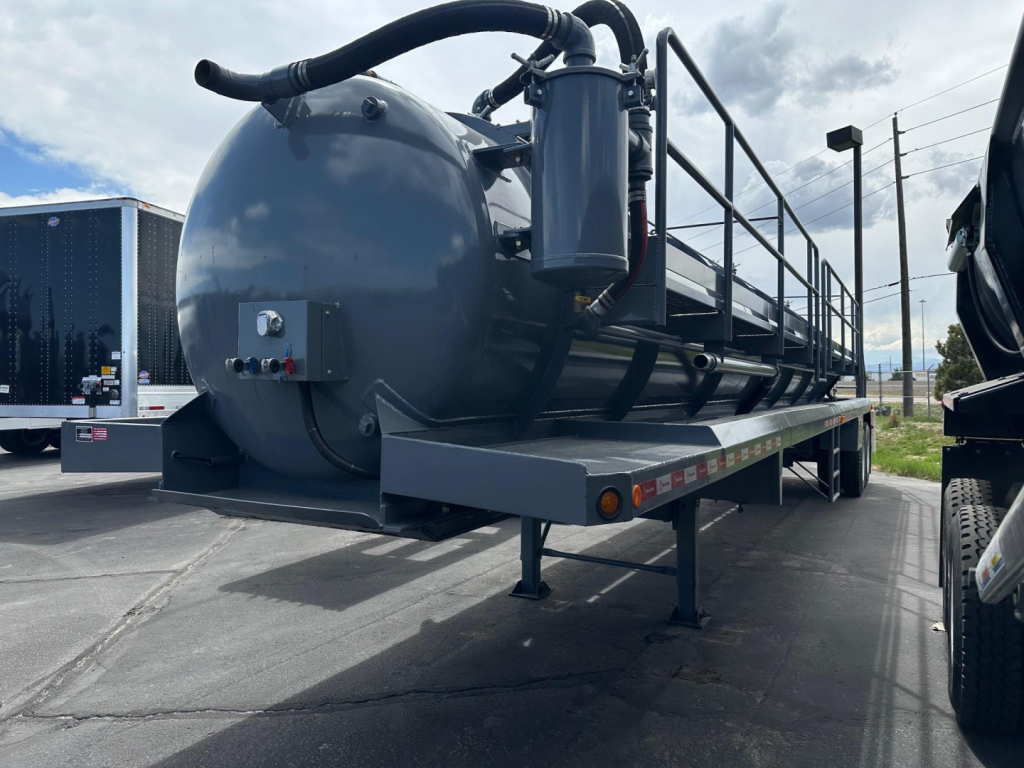
For bulk and specialty hauling, 2026 dump trailers and pneumatic dry bulk trailers are spec-driven purchases. Bottom dumps are common in aggregate, road base, feedlot, and paving support work, where gate control, tarp systems, hopper design, push blocks, and discharge pattern directly affect cycle times. Dry bulk pneumatic trailers are typically evaluated by cubic capacity, number of hoppers, discharge plumbing, tee material, and overall weight. If the trailer will run cement, fly ash, lime, frac sand, or similar commodities, buyers should look closely at product density, blower compatibility, hose routing, and cleanout access. A lighter barrel can improve payload, but durability in abrasive service is just as important.
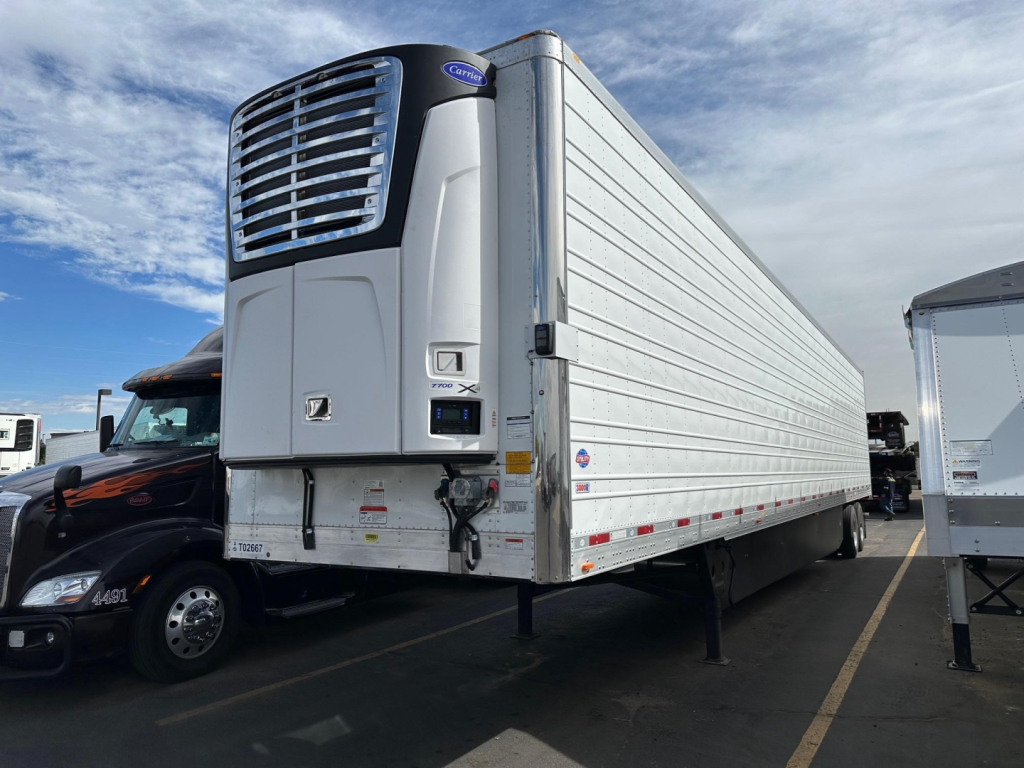
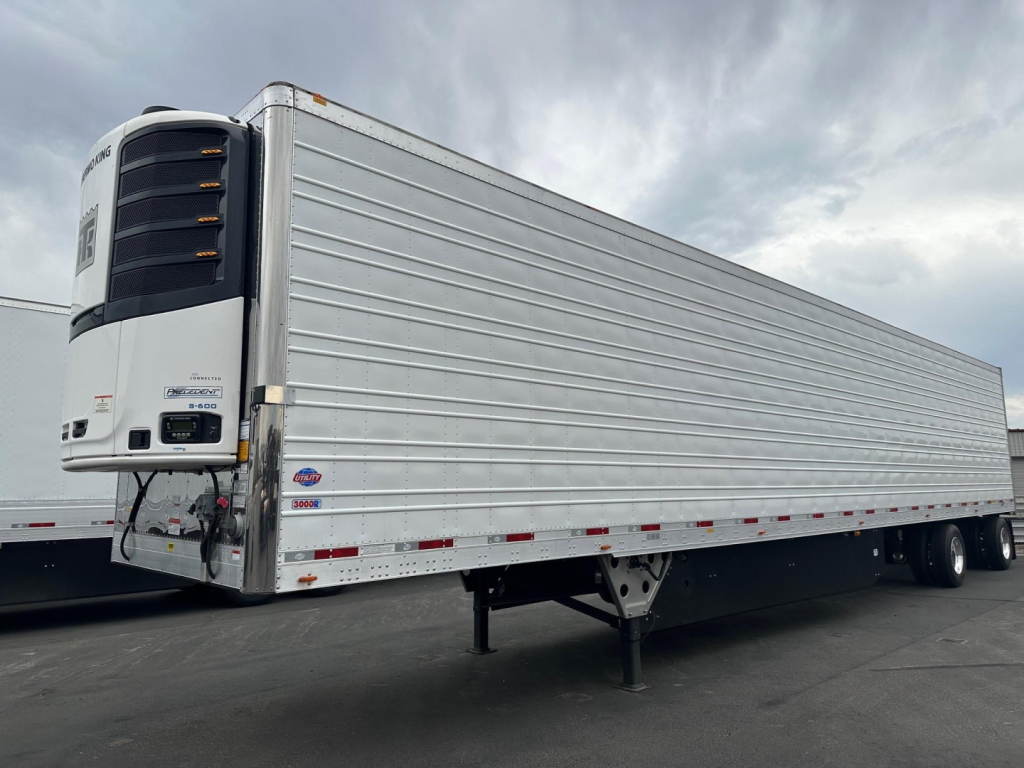
Reefer trailers in the 2026 class are less about the box alone and more about the full cold-chain package. Common considerations include insulated wall construction, floor type, chute design, scuff liners, rear door configuration, side skirts, tire inflation systems, and the refrigeration unit brand and emissions compliance. In Colorado, reefer buyers also need confidence in temperature pull-down and stable performance across elevation and seasonal temperature swings. Across all trailer types, smart buyers compare suspension type, wheel material, tire size, brake spec, kingpin setting, axle placement, and maintenance access before focusing on price. A well-matched 2026 trailer should fit the freight, the route, and the loading environment without forcing compromise on payload, uptime, or compliance.
Frequently Asked Questions about 2026 Trailers in Colorado
What types of 2026 trailers are most common in Colorado?
Colorado buyers commonly shop 2026 flatbeds, drop decks, dump trailers, reefer trailers, and pneumatic dry bulk trailers. The mix reflects the state's agriculture, construction, aggregate, energy, and regional distribution work. Open-deck trailers are popular for equipment, steel, lumber, and building materials, while bottom dumps and pneumatics support aggregate and bulk commodity hauling. Reefer demand stays steady for food and temperature-sensitive freight moving through regional and mountain corridors.
What should I look for first when comparing 2026 trailers for sale?
Start with the trailer's intended freight and operating environment. Length, width, axle configuration, suspension type, and construction material will affect payload, durability, and compliance. After that, review application-specific details such as floor type on a flatbed, gate controls on a bottom dump, cubic capacity on a pneumatic trailer, or refrigeration unit specifications on a reefer. Features like air pin sliders, tire inflation systems, scuff liners, side skirts, tarp systems, and winch tracks can make a meaningful difference in daily use and maintenance cost.
Is air ride suspension worth it on a 2026 trailer?
Air ride is often worth the added cost when cargo protection, ride quality, and dock-to-highway versatility matter. It is common on reefers, flatbeds, drop decks, and many specialty trailers because it helps reduce cargo shock and can improve overall handling. In Colorado, where routes may include rough secondary roads, steep grades, and varying weather, air ride can also help with equipment longevity and driver satisfaction. For severe-duty applications, the right suspension choice should still be matched to load type, axle rating, and service conditions.
How do I choose between a flatbed and a drop deck trailer?
Choose a flatbed when loading simplicity, deck access from all sides, and legal height flexibility for standard freight are the main priorities. Choose a drop deck when the freight is taller, heavier, or difficult to move legally on a standard deck height. A drop deck gives you a lower main deck, which can help keep machinery and other tall cargo under height limits without requiring permits in some situations. The decision should also account for loading method, axle spread needs, securement points, and whether the freight regularly includes forklifts, pipe, or concentrated loads.
What reefer trailer features matter most on newer trailers?
The most important reefer features are the refrigeration unit, insulation package, interior durability, and operational efficiency. Buyers usually focus on unit brand, reefer hours if applicable, CARB-related compliance considerations, floor design, chute layout, rear door seal condition, and interior scuff protection. Tire inflation systems, side skirts, and air-ride suspension can also add value by improving uptime and reducing operating cost. For high-cycle foodservice or grocery work, easy washout, stable temperature control, and dependable door hardware should be near the top of the list.