
2026 Timpte Trailers For Sale in Colorado
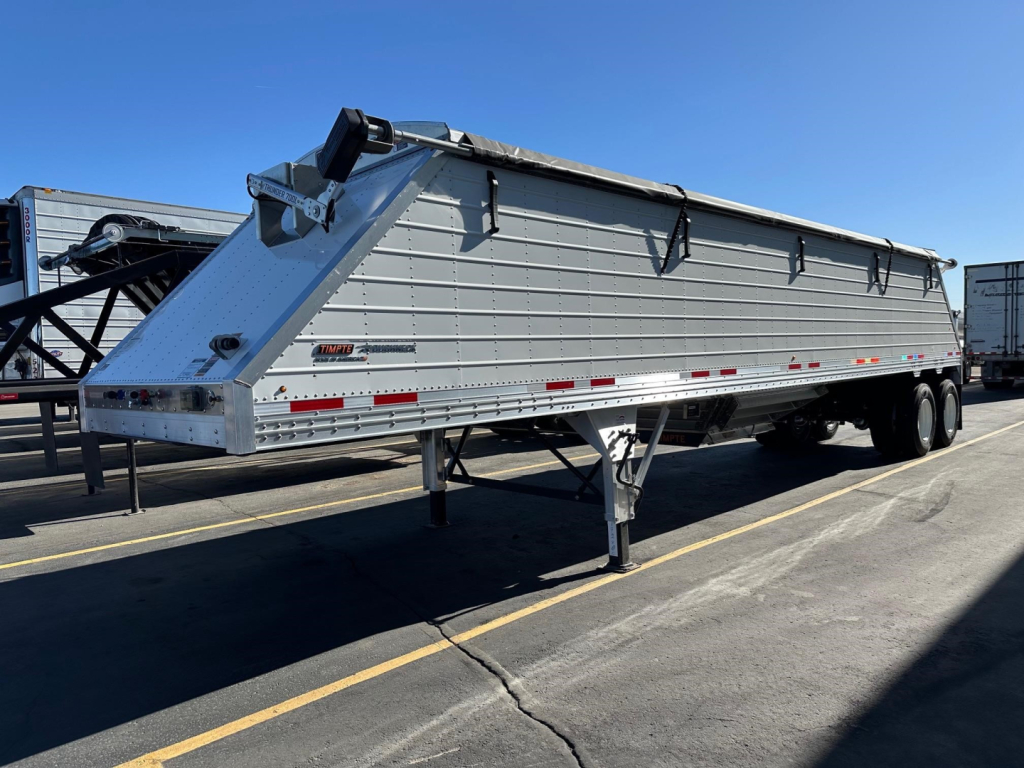
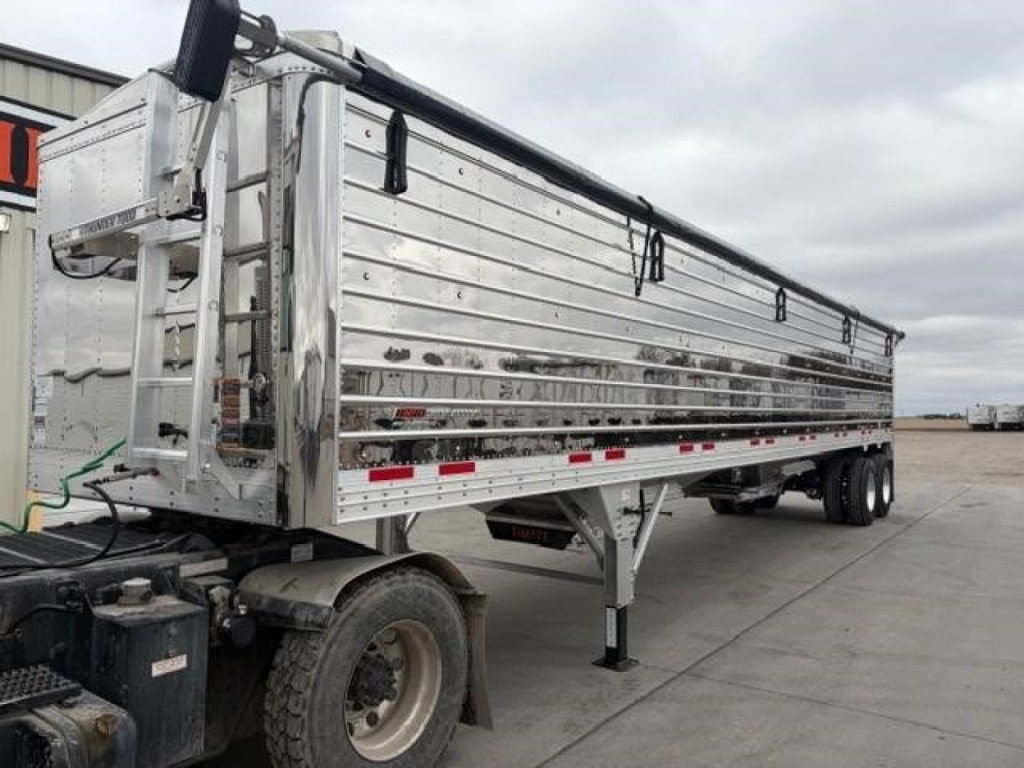
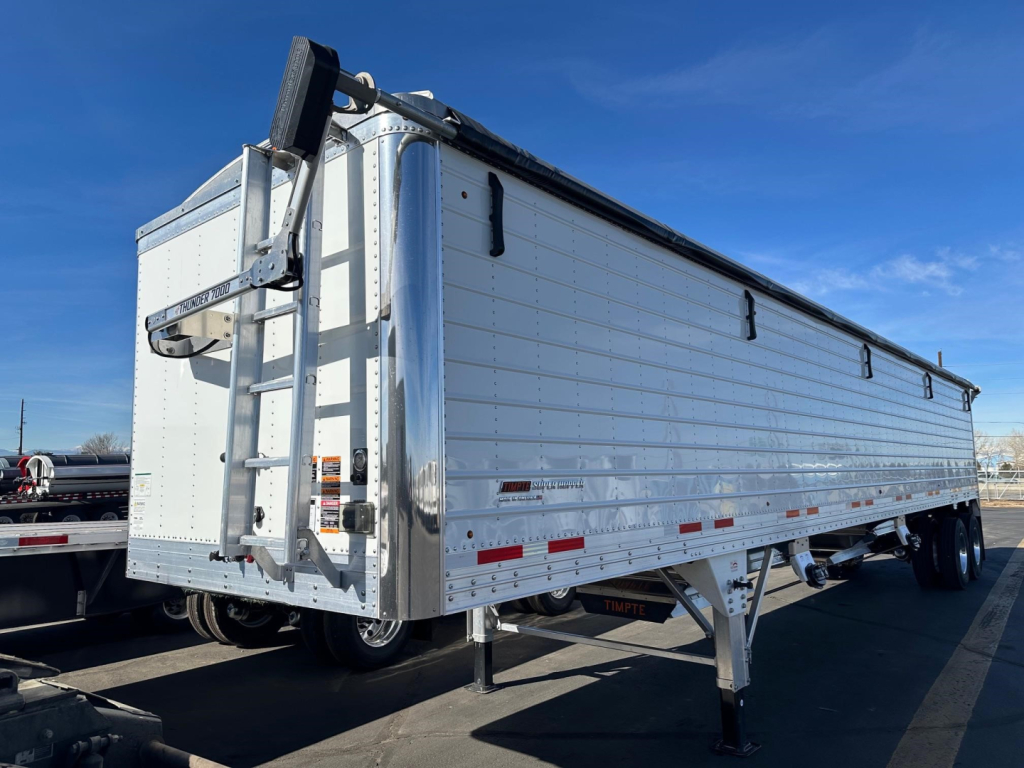
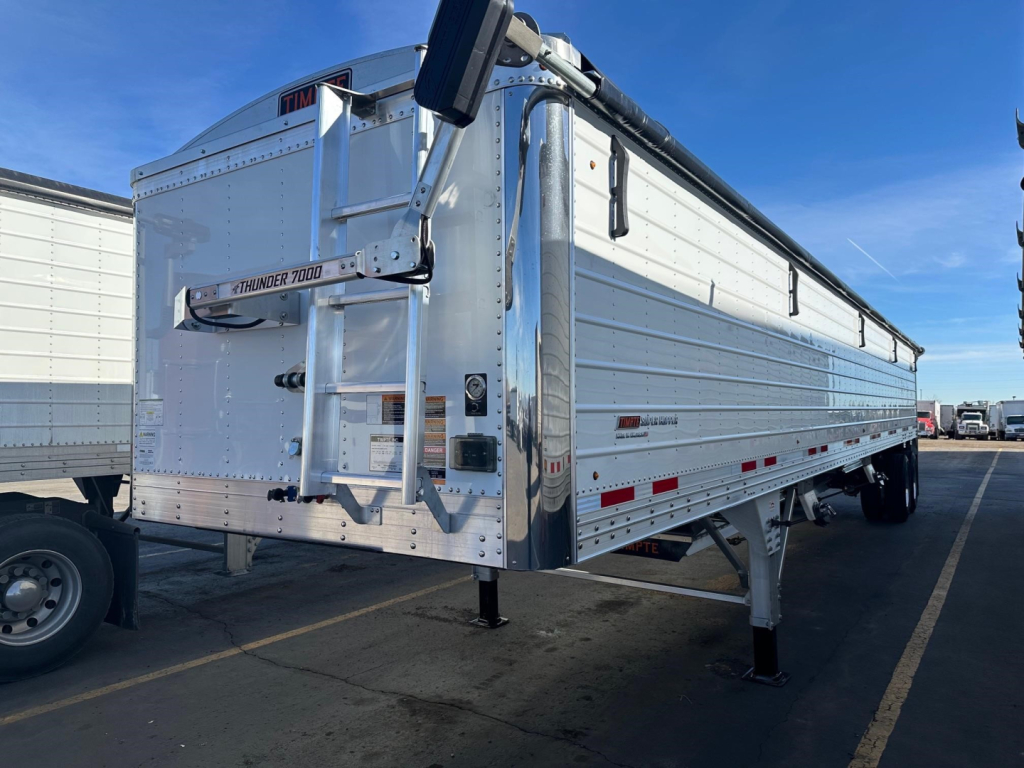
Shop 2026 Timpte trailers for sale, including Super Hopper and Roughneck hopper trailers with ag, grain, and frac sand hauling specs.
Selling a 2026 timpte trailer? List your 2026 timpte trailer for sale and reach thousands of commercial buyers.
2026 Timpte Trailers in Colorado
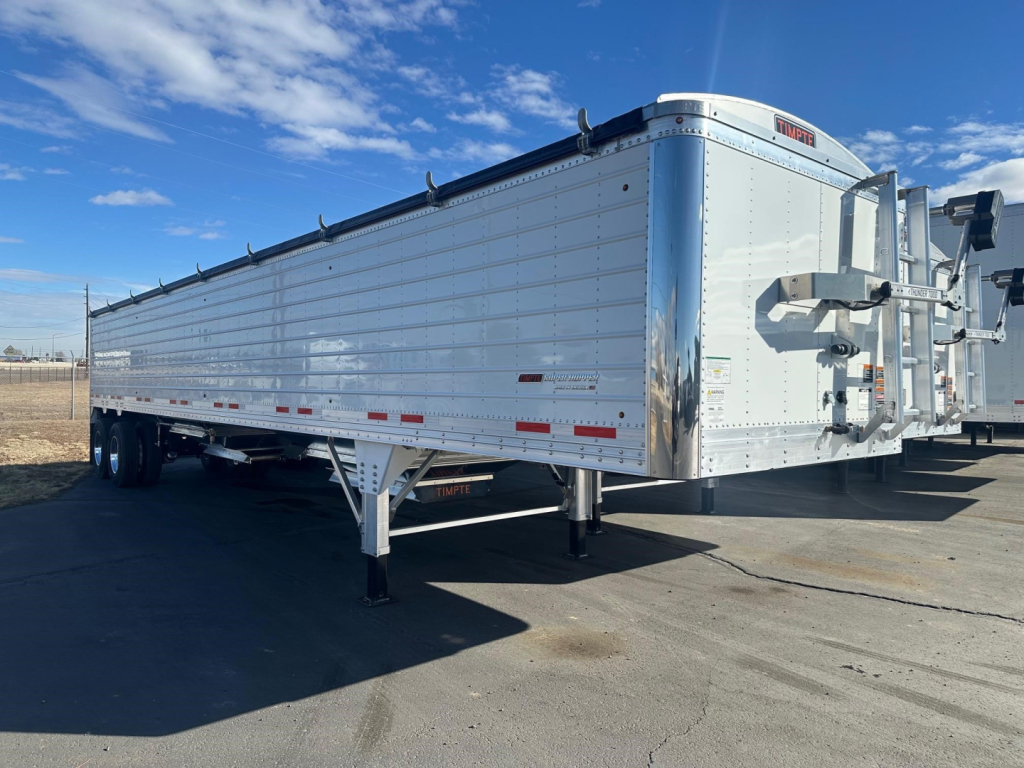
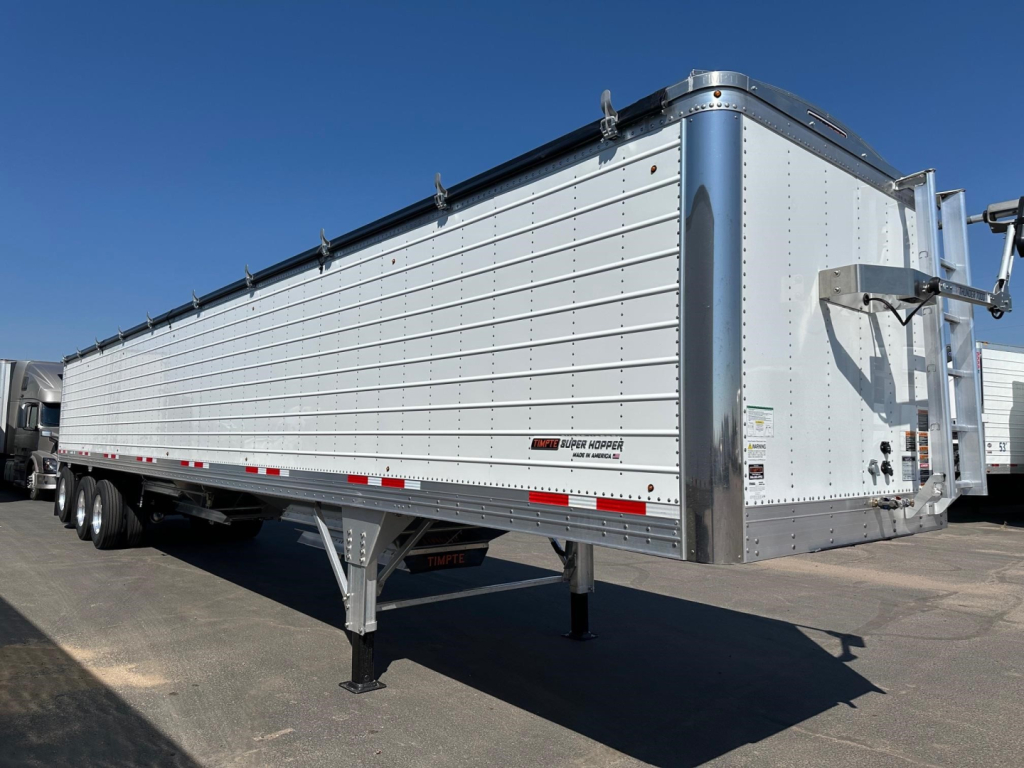
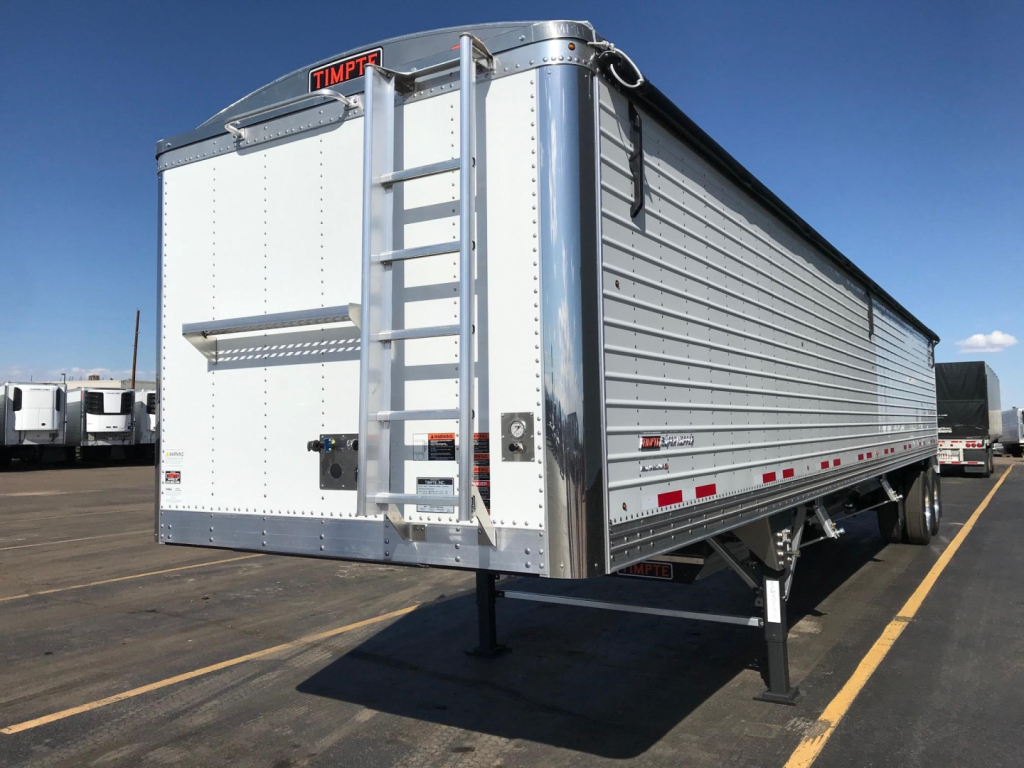
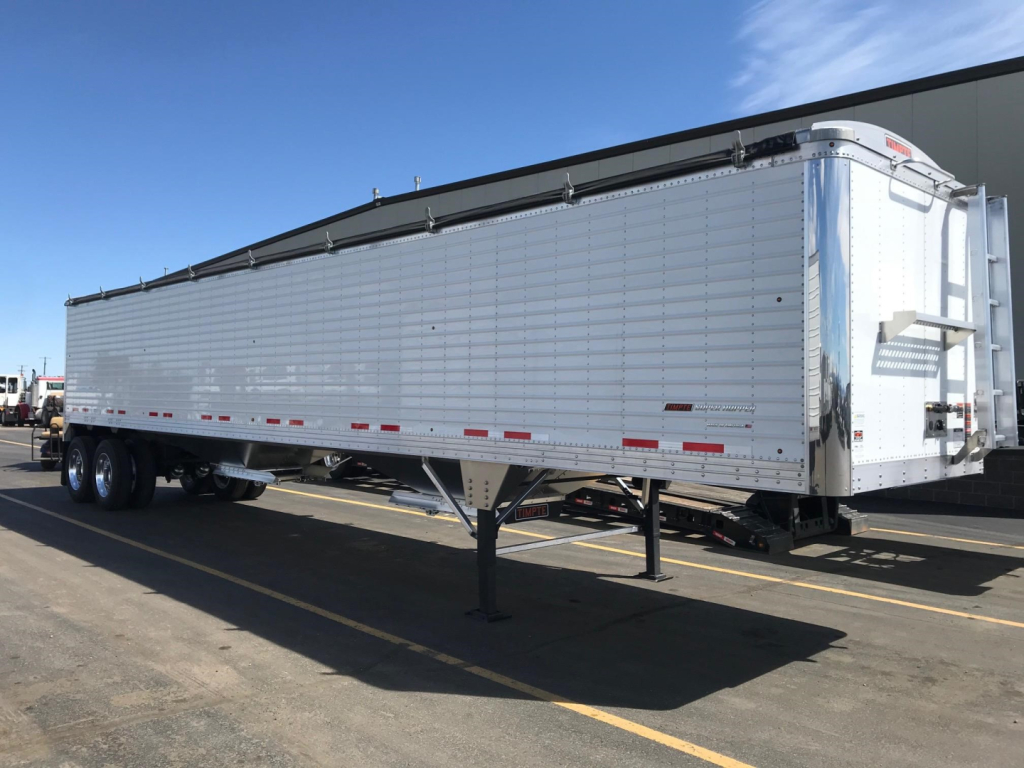
For grain and ag service, common configurations include 42-foot and 48-foot hopper bottoms with 96-inch width, 66-inch to 78-inch sides, and dual ag hoppers. A 42-foot closed tandem setup is a common balance of maneuverability and legal payload, while a 48-foot tri-axle can make sense in regions where axle spreads and lift axle configurations help maximize gross weight. Features like air ride suspension, liquid-filled scale gauges, manual dump valves, catwalks, front and rear ladders, and outside aluminum wheels are more than cosmetic spec items. They affect unloading control, load verification, serviceability, and long-term operating cost. Tire size such as 11R22.5 remains common on this class, and wheel material choices often reflect the buyer’s priorities on weight savings versus durability.
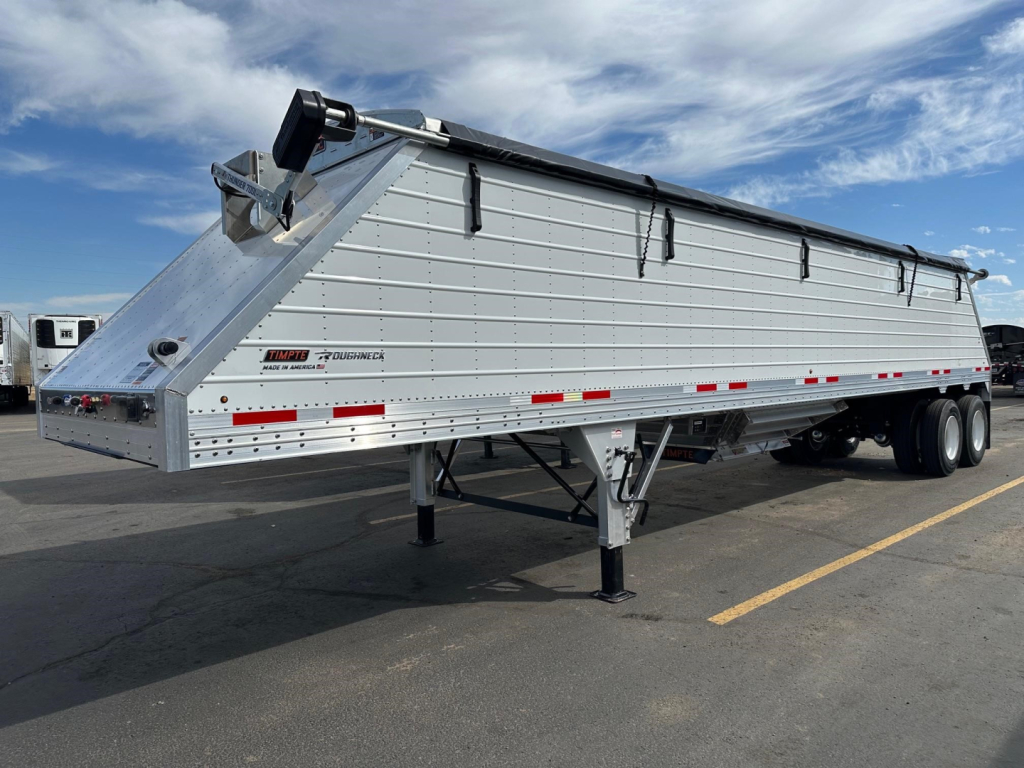
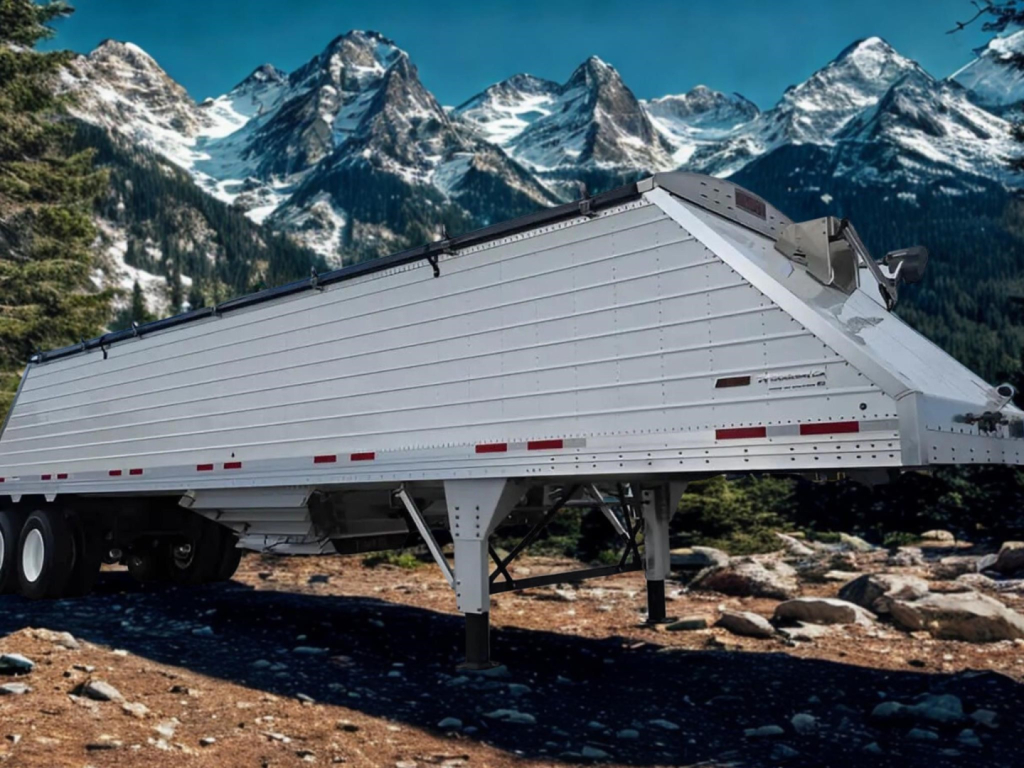
Timpte Roughneck variants are a different buying decision than a standard grain hopper. These trailers are typically aimed at heavier-duty applications such as frac sand, where buyers may want a single hopper design, hydraulic trap operation, knock rails, and steel wheel packages that stand up to more punishing loading environments. If the trailer will spend time under conveyors, in quarries, or on oilfield-related routes, discharge style and gate operation become critical. A standard ag hopper is built around fast, repeatable commodity unloading, while a frac sand or industrial-spec hopper may prioritize controlled flow, structural reinforcement, and easier operation at specialized pneumatic or transfer setups.
A serious buyer should look closely at sidewall height versus commodity density, suspension type, tarp system, and the exact hopper gate design before comparing price alone. Stainless trim and panel upgrades can improve long-term appearance and wear resistance, but the bigger ownership questions are payload target, unload speed, axle legality, and ease of maintenance. Timpte has a strong reputation in hopper trailers because these trailers are usually spec'd for real working conditions rather than just brochure appeal. On a 2026 Timpte trailer, the right spec is the one that fits your commodity, your harvest or industrial cycle, and the weight laws that govern your lanes in Colorado and beyond.
Frequently Asked Questions about 2026 Timpte Trailers in Colorado
What are the most common 2026 Timpte trailer configurations buyers look for?
The most common 2026 Timpte trailers are aluminum hopper bottom trailers, especially Super Hopper models used for grain and ag commodities. Typical specs include 42-foot or 48-foot lengths, 96-inch width, side heights around 66 to 78 inches, dual ag hoppers, closed tandem or tri-axle layouts, and air ride suspension. Buyers usually narrow the field by commodity type first, then by axle setup and side height because those choices directly affect legal payload and unloading performance.
What is the difference between a Timpte Super Hopper and a Timpte Roughneck hopper trailer?
A Timpte Super Hopper is generally geared toward grain and agricultural hauling, where low tare weight, fast commodity flow, and corrosion resistance are top priorities. A Timpte Roughneck hopper trailer is typically built for harsher-duty work such as frac sand or industrial material hauling, often with specs like a single hopper, hydraulic trap opening, knock rails, and heavier-duty wheel or component choices. The right choice depends on the commodity, the loading environment, and how much emphasis you place on payload versus structural ruggedness.
Is a tandem axle or tri-axle Timpte trailer better for grain hauling?
That depends on state weight laws, bridge formulas, route patterns, and how much capacity you need. A tandem axle hopper trailer is simpler, lighter, and often easier to maneuver in farm yards and elevators. A tri-axle setup can be the better fit where axle spread rules and lift axle configurations allow higher legal gross weight. Buyers in Colorado and multistate operations should match the axle layout to their primary lanes rather than assuming the biggest trailer automatically delivers the best return.
Which specs matter most on a hopper bottom trailer besides price?
The most important specs are length, side height, hopper and gate design, axle configuration, suspension, and tarp system. Side height affects cubic capacity, but commodity density determines whether that extra volume is actually useful. Hopper design and trap operation affect unloading speed and control. Air ride suspension can help protect the trailer and improve ride quality. Electric roll tarps, scales, dump valves, ladders, and catwalks add convenience and efficiency, but the core buying decision should still center on payload, unload method, and compliance with legal weight limits.
Are stainless front corners and rear panels worth it on a Timpte trailer?
For many buyers, yes. Stainless front corners and rear panels can improve durability in high-wear areas and help the trailer hold its appearance over time, especially in operations exposed to weather, road spray, and repeated loading cycles. They are not the main factor in earning capacity, but they can reduce visible wear and may support resale appeal. If the trailer will see heavy seasonal use and long ownership cycles, these upgrades are often considered worthwhile.