
2026 Mac Trailers For Sale in Colorado
Browse 2026 Mac trailers for sale, including end dumps, drop decks, and specialty trailers built for low weight, durability, and payload.
Selling a 2026 mac trailer? List your 2026 mac trailer for sale and reach thousands of commercial buyers.
2026 Mac Trailers in Colorado
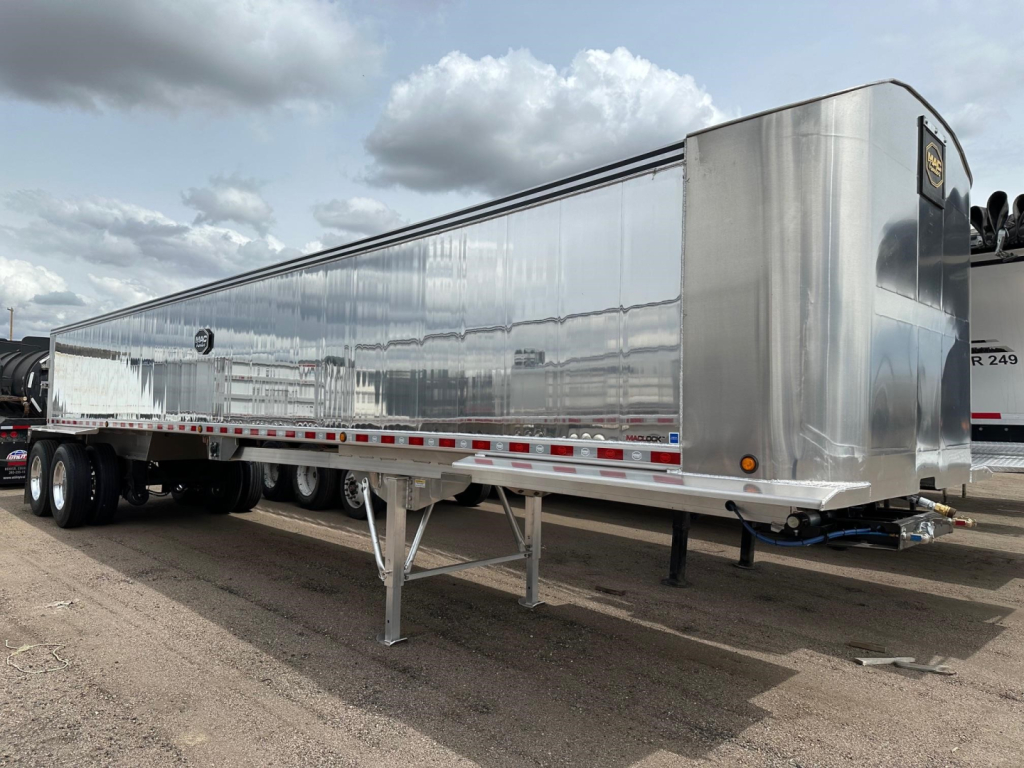
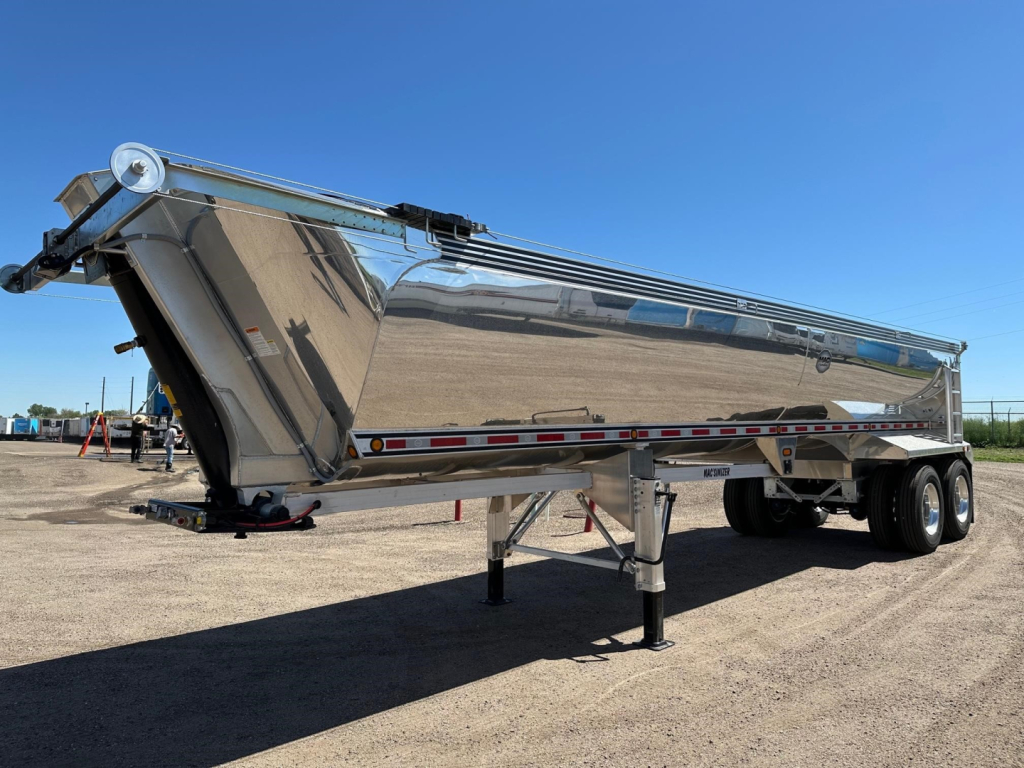
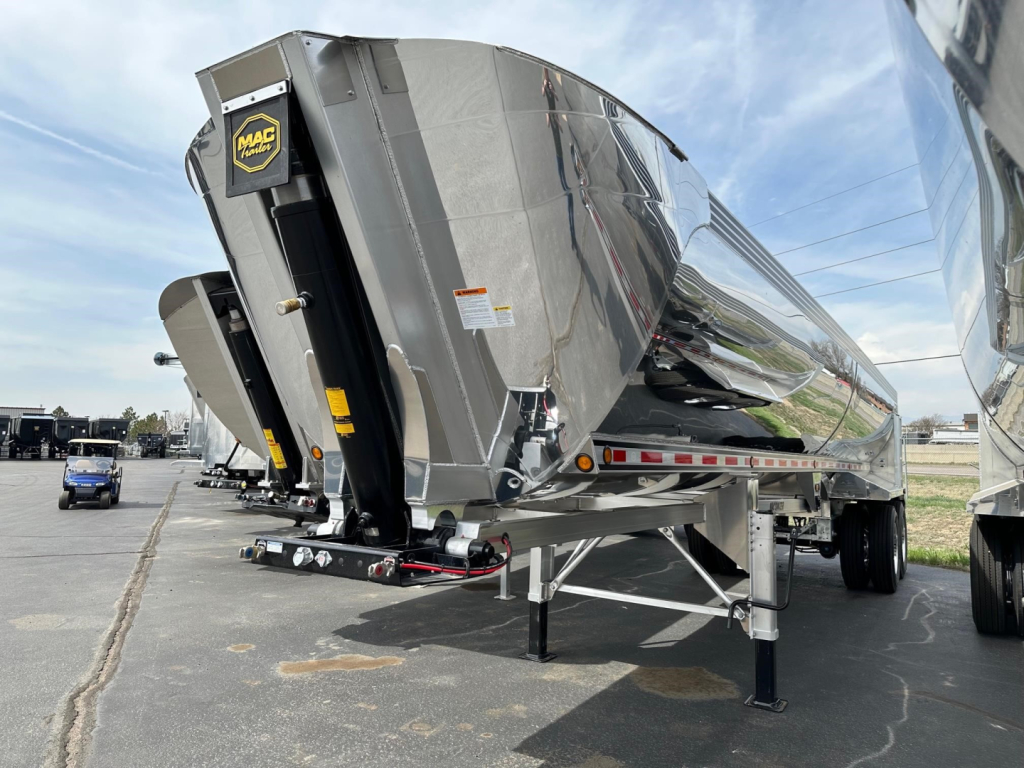
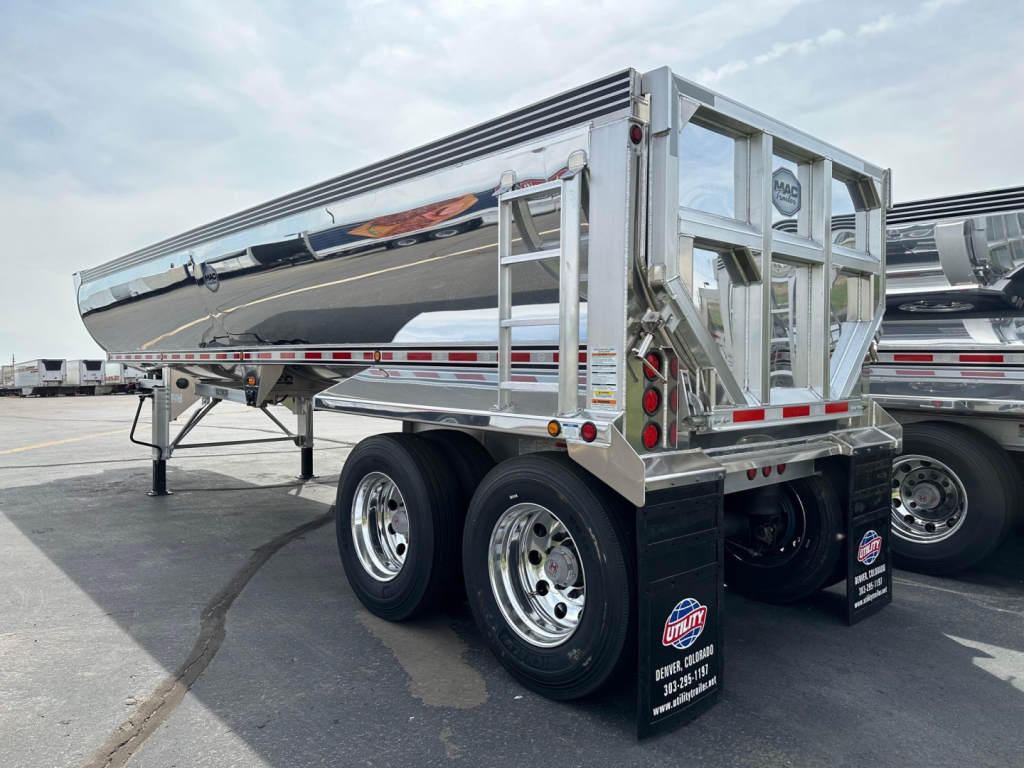
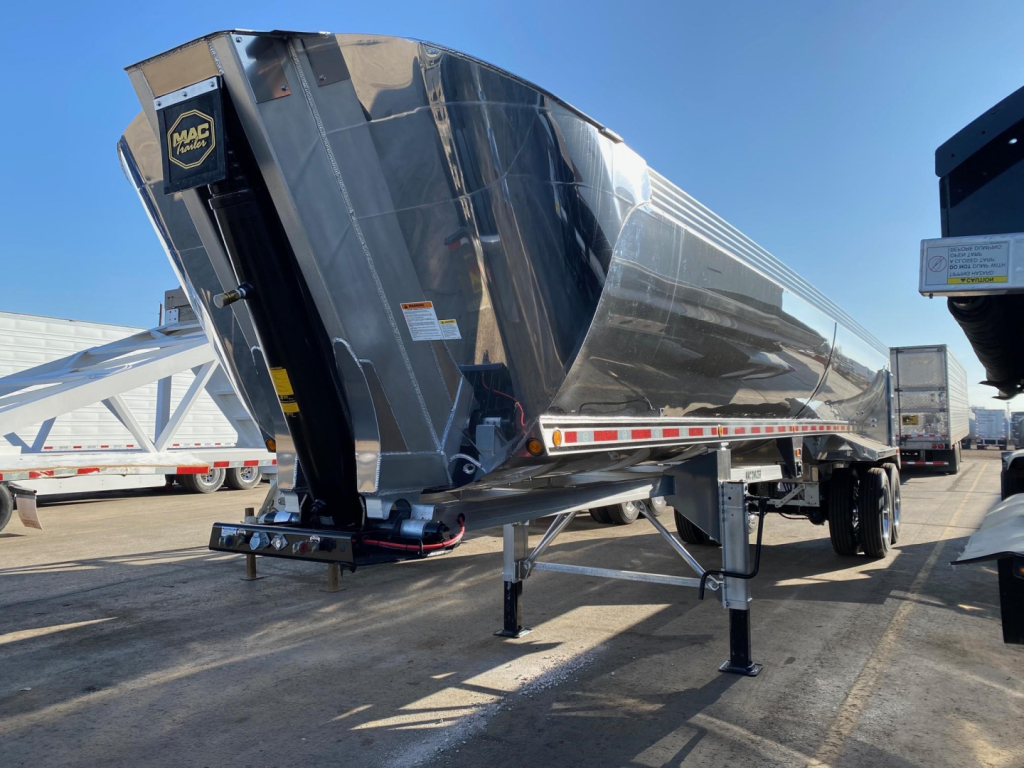
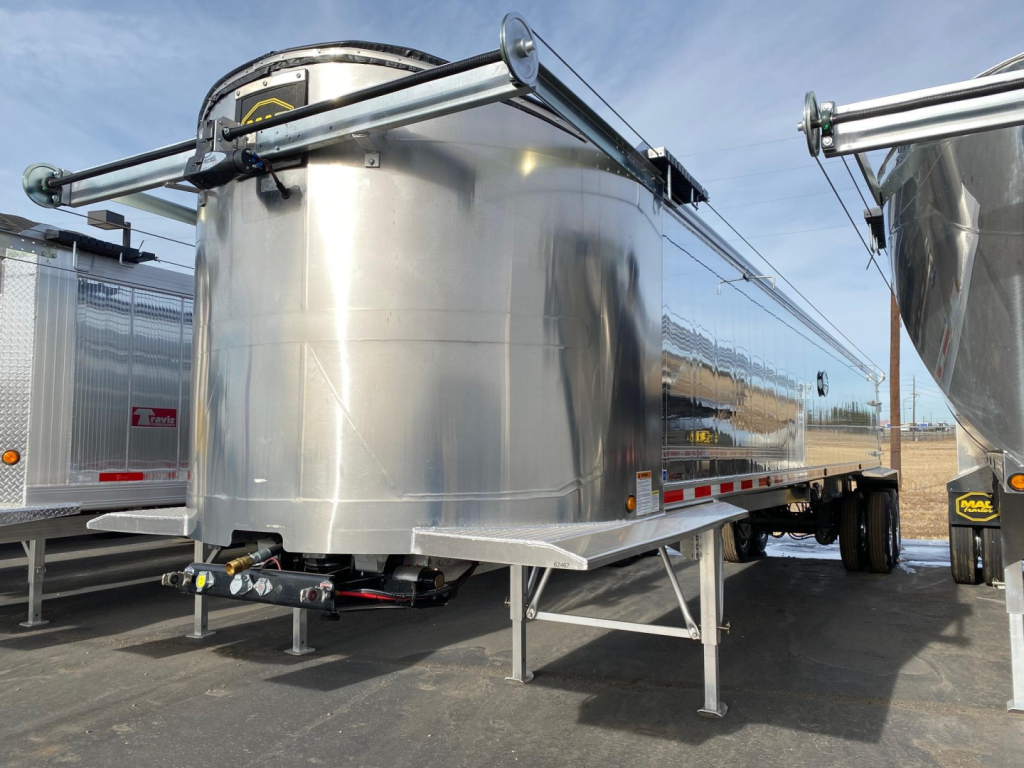
For dump applications, Mac end dumps are commonly found in frameless half-round configurations such as the Macsimiser, along with flat nose and high-cube variations. Typical specs include 35-foot bodies, 38 to 60 cubic yard capacities, 56-inch to 76-inch side heights, top-hinged gates, safety twist locks, electric slide or flip tarps, liners, and air ride suspensions. Aluminum half-round tubs are popular for aggregate, asphalt, grain, and other payload-sensitive work because they shed material well and keep tare weight down. Steel tubs and AR plate bodies make more sense for abrasive or impact-heavy loads such as riprap, demolition debris, and scrap. Buyers should pay close attention to gate style, liner package, axle spacing, lift axle options, and whether the trailer is set up for local haul routes or higher-cycle regional work.
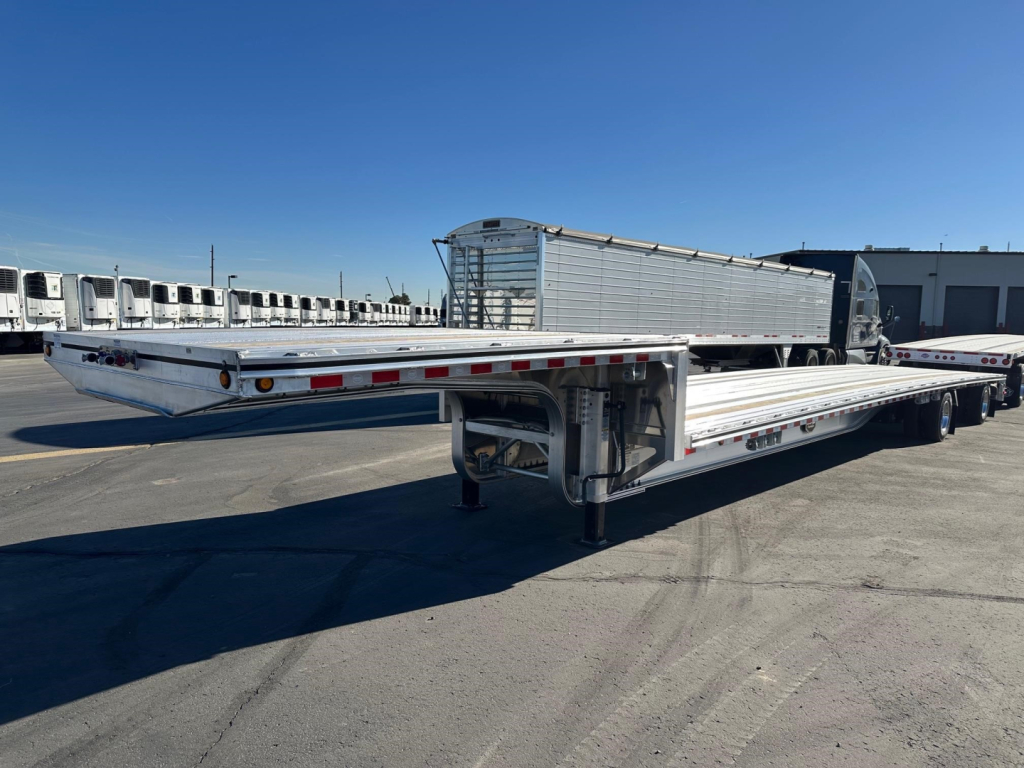
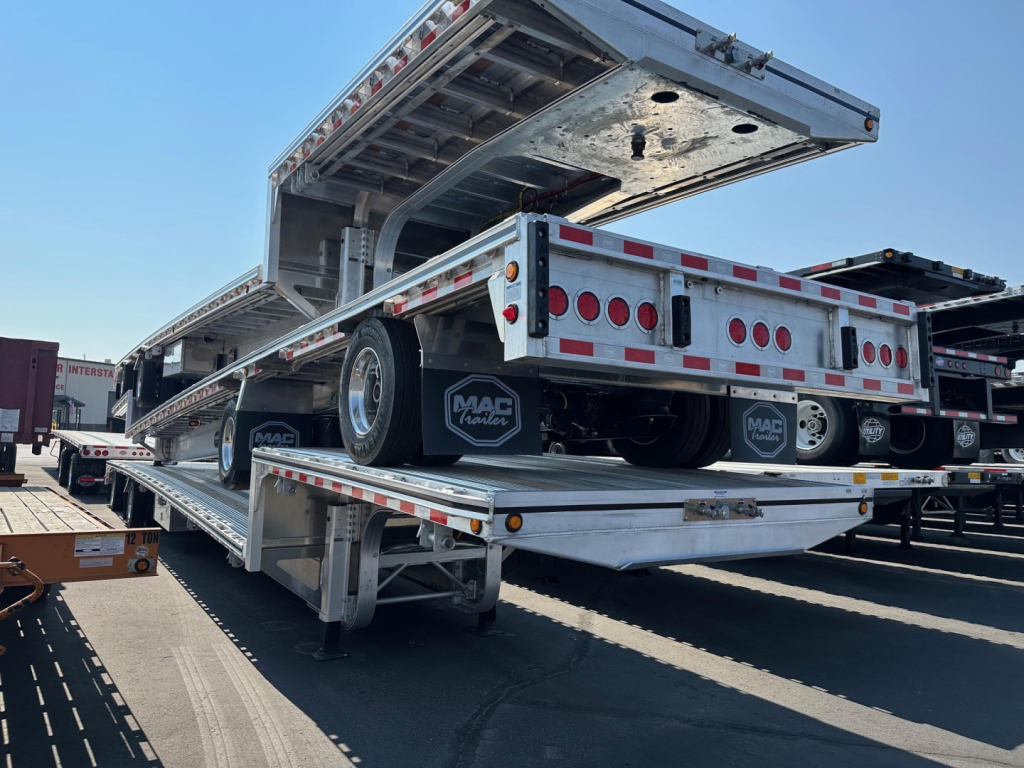
Mac drop deck trailers appeal to haulers that want a lighter platform without giving up freight flexibility. A common 53-foot aluminum drop deck may include an 11-foot upper deck, roughly 29-inch loaded deck height, a lower deck just over 41 feet, stake pockets, pipe spools, nail strips, coil package, tool box, and a rear slide axle. That combination fits a broad mix of building materials, machinery, palletized freight, and steel products. In Colorado, trailer setup matters because mountain grades, bridge laws, and mixed interstate and secondary-road use can all affect the best axle configuration, tire size, and deck spec. California-legal and spread or sliding axle variants may also matter for fleets that run multi-state lanes.
When comparing 2026 Mac trailers for sale, focus on the spec sheet more than the badge alone. Suspension type, wheel and tire package, landing gear, tarp system, lighting, fenders, ladder placement, and discharge or gate configuration will determine how the trailer performs day to day. For pneumatic dry bulk trailers, hopper count, cubic foot capacity, discharge plumbing, hose storage, and work platform safety details are key. For any Mac trailer, resale value is usually strongest on practical, proven specifications that match common freight and regional regulations. A buyer who matches body material, cubic capacity, axle layout, and accessory package to the actual work will usually get the best return from a Mac trailer.
Frequently Asked Questions about 2026 Mac Trailers in Colorado
What types of 2026 Mac trailers are most common on the market?
The most common 2026 Mac trailers are end dumps and drop decks, with occasional specialty configurations such as pneumatic dry bulk tanks or scrap trailers. Mac is especially recognized for aluminum end dumps and lightweight flatbeds or drop decks. Within those categories, buyers will see major differences in body style, capacity, axle layout, and material construction, so the trailer category alone does not tell the full story.
Are Mac aluminum trailers durable enough for heavy-duty hauling?
Mac aluminum trailers are durable when matched to the right application. Aluminum is ideal when payload and corrosion resistance matter most, such as aggregate, agricultural products, general construction materials, and many over-the-road flatbed loads. For severe-duty hauling like large demolition debris, sharp scrap, or constant rock impact, a steel or reinforced-spec trailer often holds up better over time. The decision should be based on load type, loading method, and expected abuse level.
What should I look for on a Mac end dump trailer?
The key items are tub shape, body material, cubic yard capacity, side height, gate design, liner, tarp system, suspension, and axle spacing. Half-round bodies are popular because they improve material flow and reduce carryback. Frameless designs typically save weight, but they need to be matched to operating conditions and tractor setup. Buyers should also confirm tire size, wheel material, lift axle configuration, and whether the gate and tarp package fit the material being hauled.
What features matter most on a Mac drop deck trailer?
Deck height, lower deck length, axle configuration, freight securement equipment, and weight rating are the main decision points. Stake pockets, sliding winches, coil package, pipe spools, nail strips, and tool boxes can make a major difference in day-to-day usability. Buyers running western states or mixed freight often pay close attention to lightweight aluminum construction and slide axle options because those specs can improve legal loading flexibility across different routes.
Is a Mac trailer a good fit for Colorado operations?
Mac trailers can be a strong fit for Colorado because low tare weight helps on mountain grades and payload-sensitive lanes, while durable dump specs support construction, aggregate, and energy-related hauling. The best setup depends on where the trailer will work. Fleets running interstate corridors may prioritize air ride, tire inflation systems, and lightweight aluminum. Operators on rougher jobsites may need heavier liners, reinforced tubs, or steel construction to handle harsher loading conditions.