
2026 Mac Trailers For Sale
Shop 2026 Mac trailers for sale, including aluminum dump and dry bulk pneumatic trailers built for payload, durability, and fleet uptime.
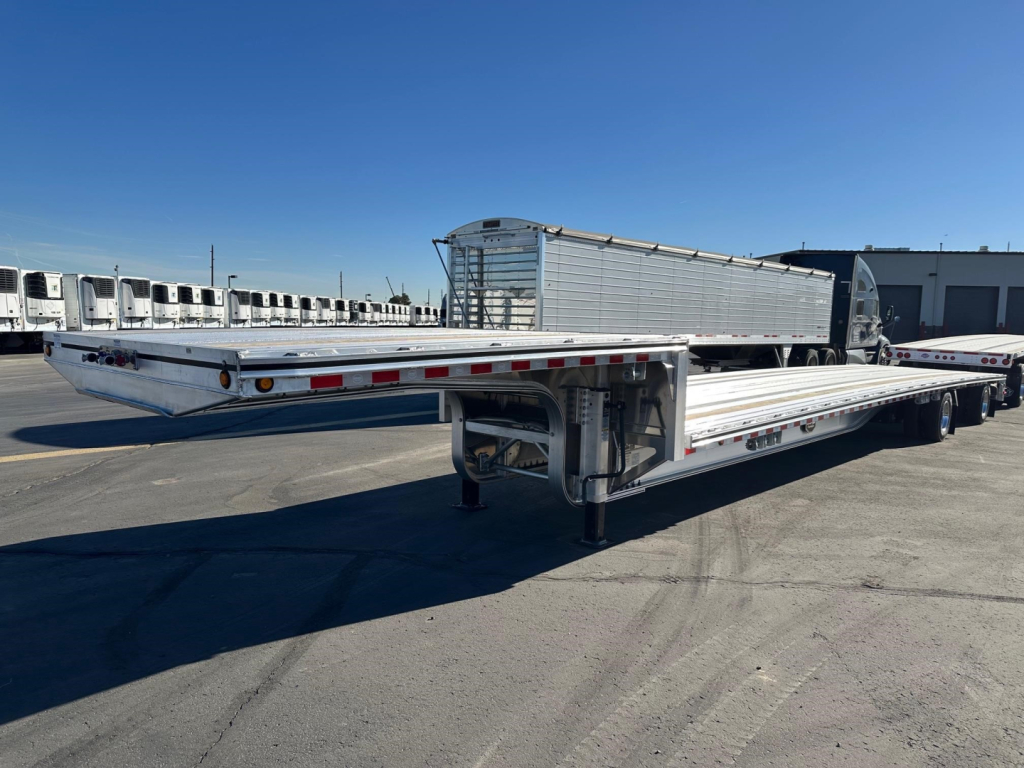
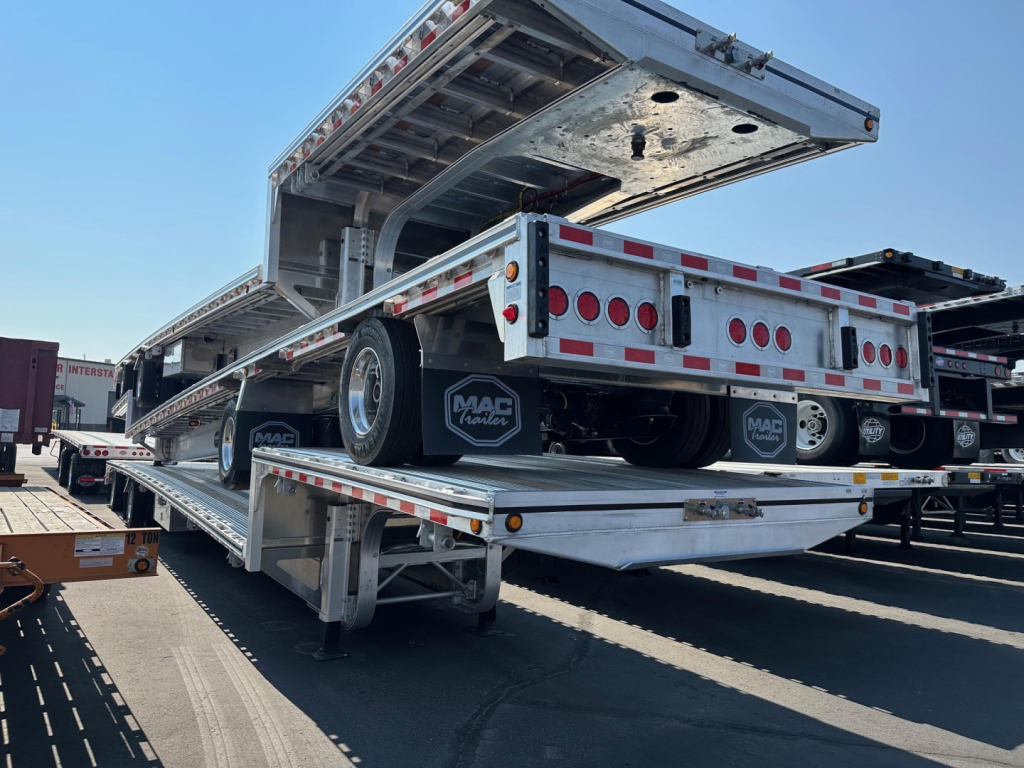
Selling a 2026 mac trailer? List your 2026 mac trailer for sale and reach thousands of commercial buyers.
2026 Mac Trailers
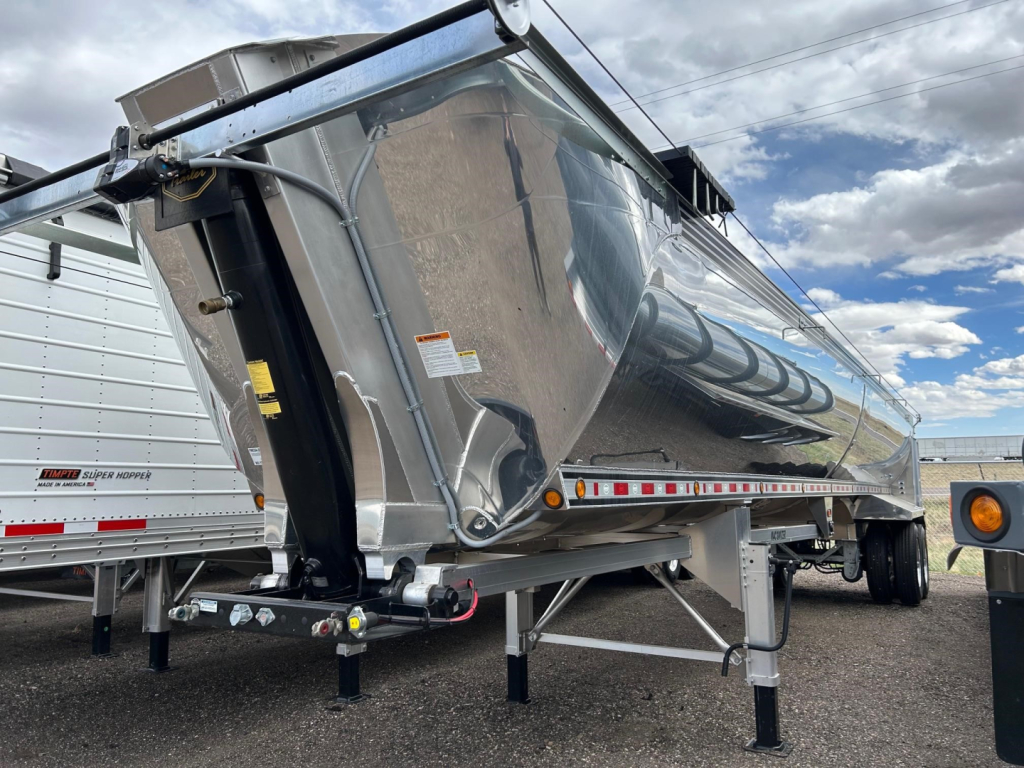
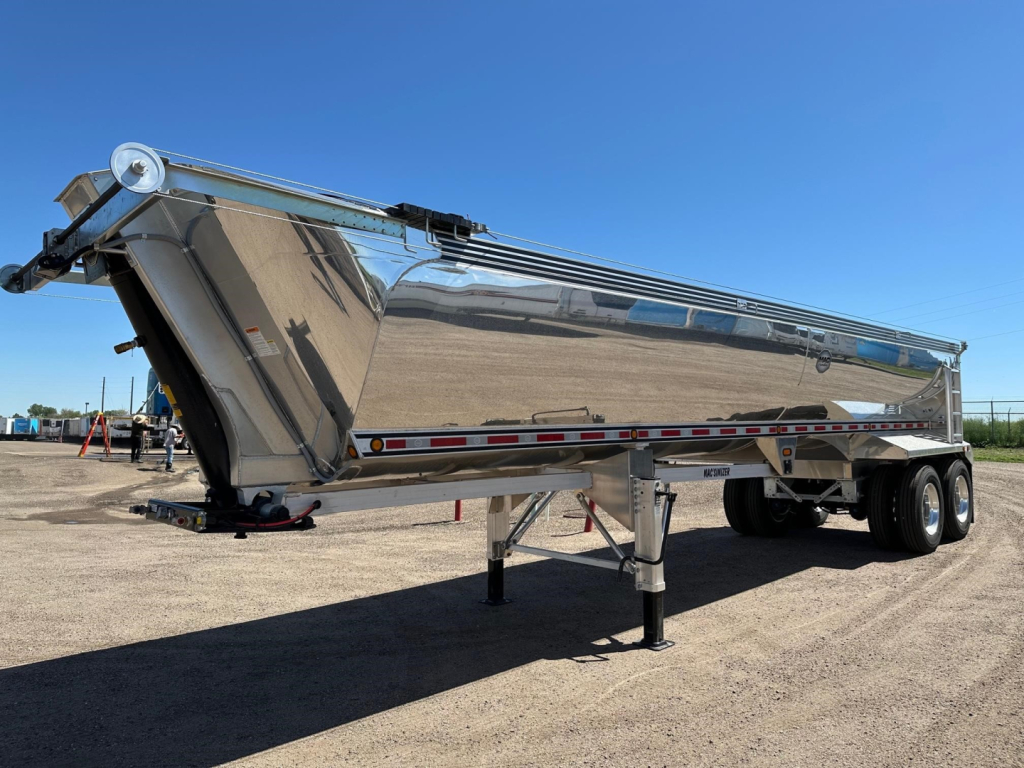
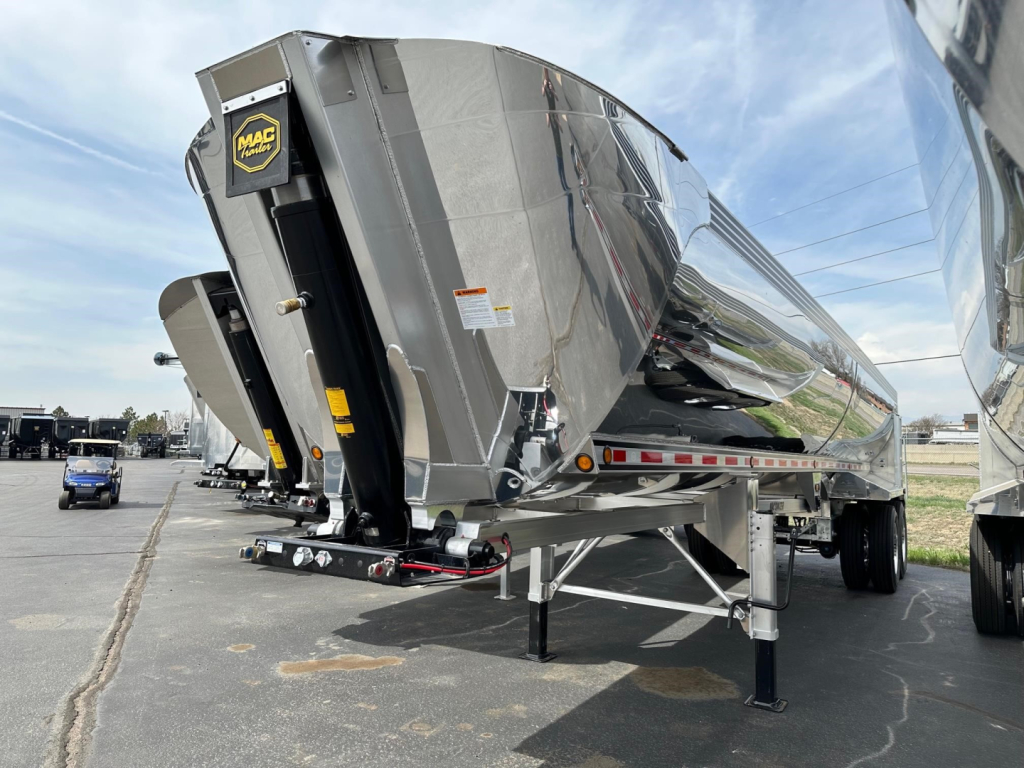
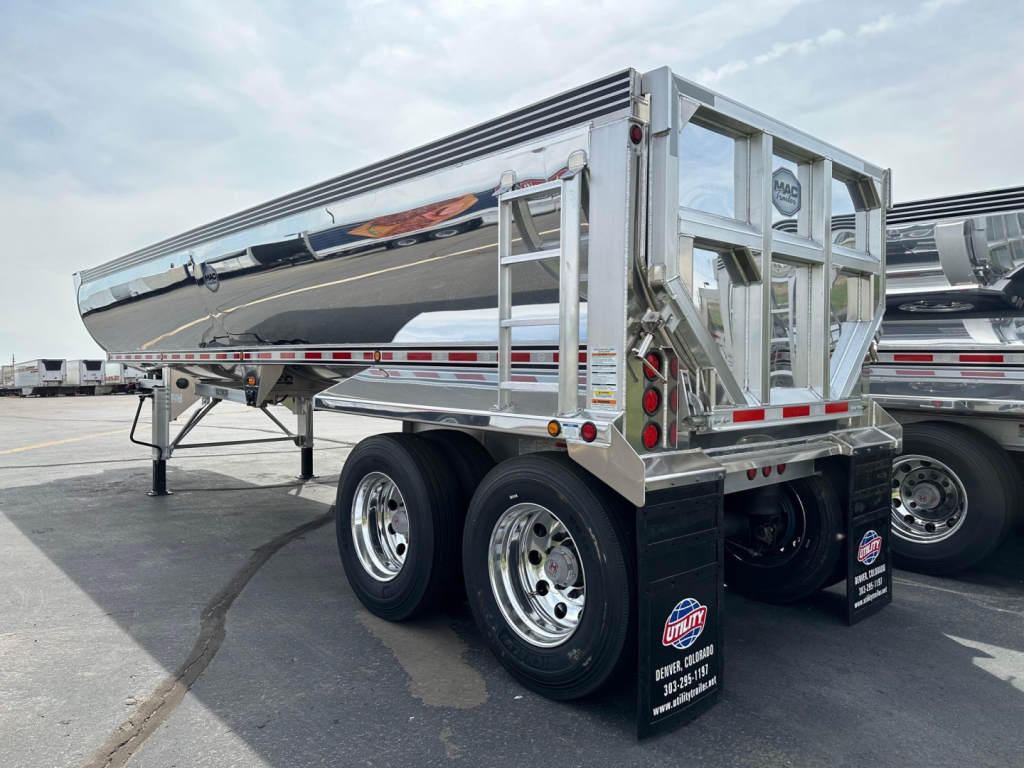
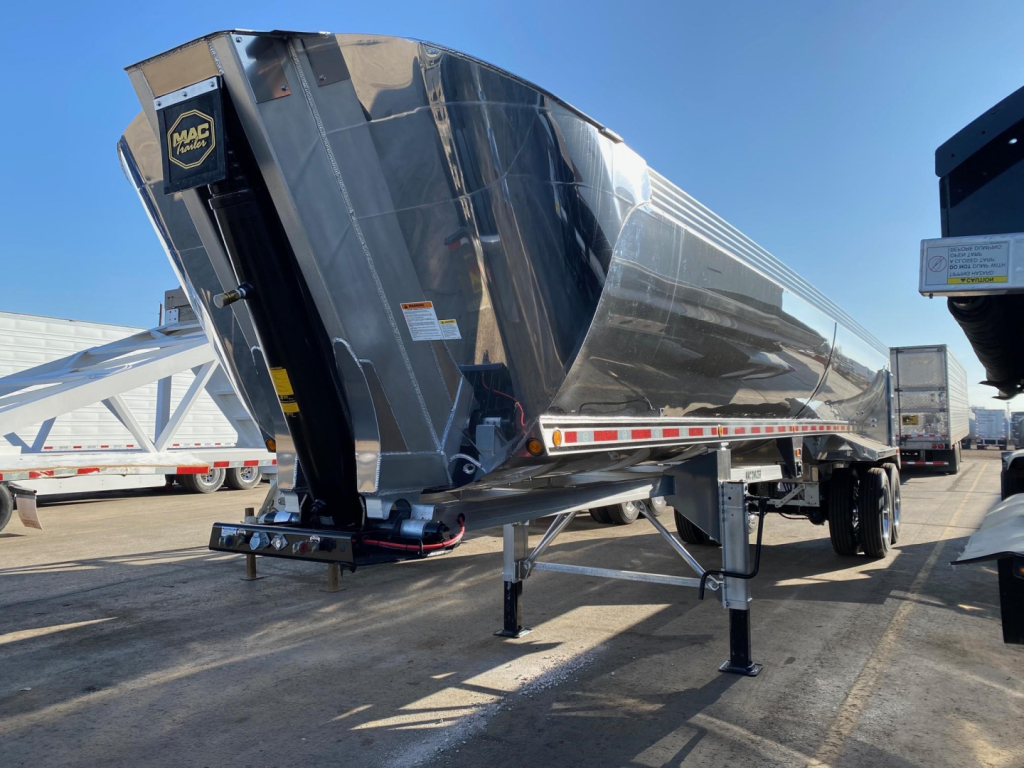
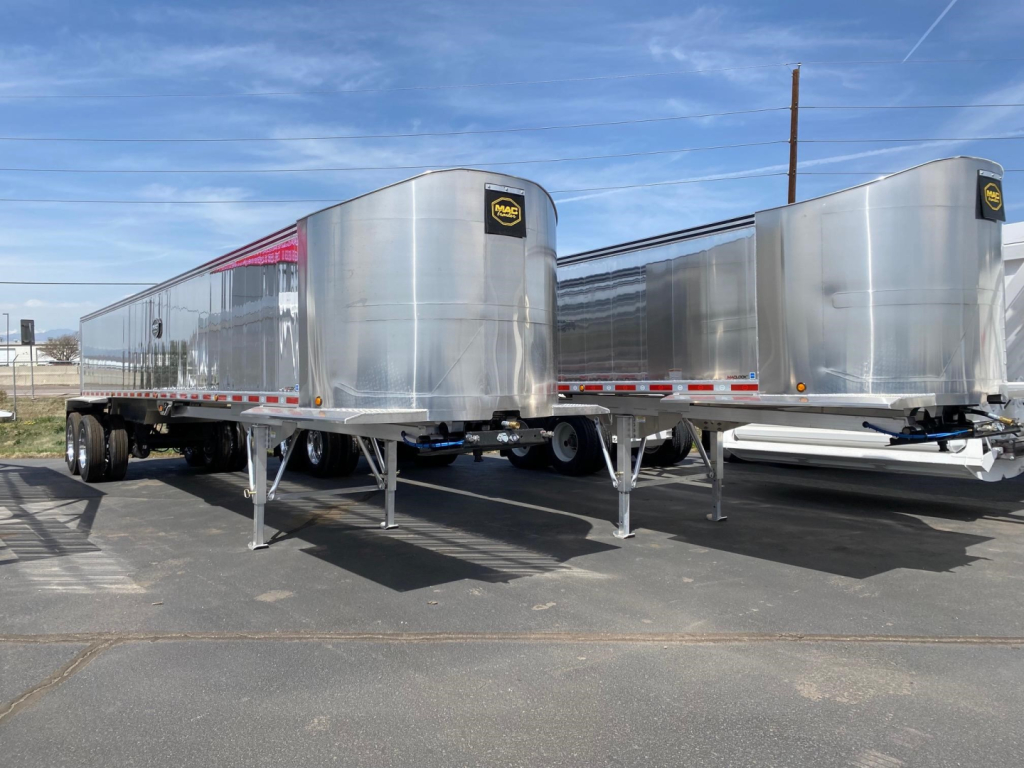
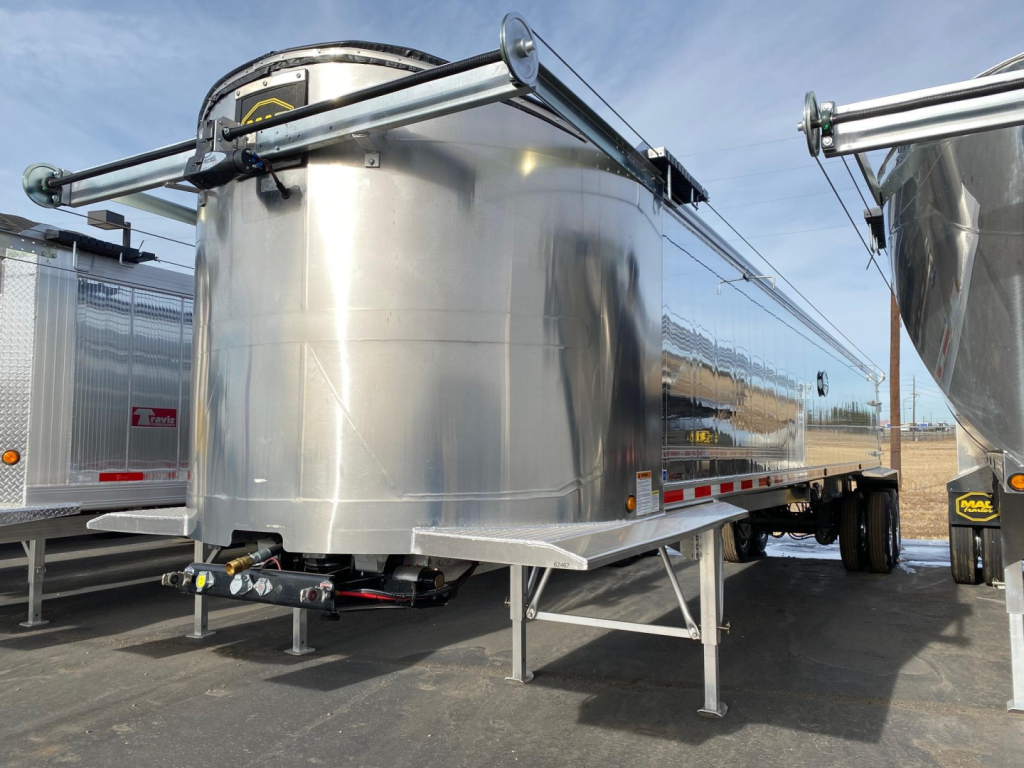
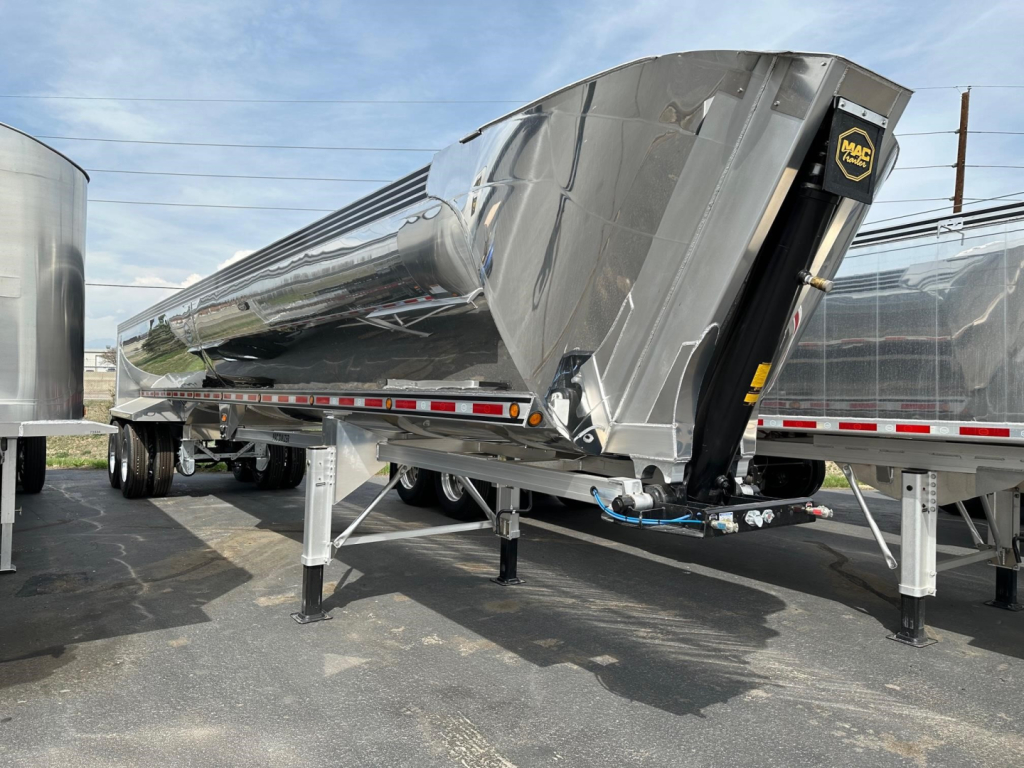
On the dump side, Mac trailers commonly feature frameless half-round or similar tub designs in lengths around 35 to 39 feet, with side heights often in the mid-50-inch to 60-inch range and capacities commonly landing near 38 to 43 cubic yards. Typical specs include air ride suspension, tandem or spread axle layouts, aluminum wheels, top-hinge gates, factory liners, ladders, fenders, and electric or manual tarp systems depending on the application. Buyers should pay close attention to frameless versus frame-type construction, gate seal design, liner condition or liner spec, axle spread requirements, and whether a lift axle is needed for local bridge law compliance or payload optimization. For abrasive material and demolition work, body shape, liner package, and gate hardware matter as much as the listed cubic yard capacity.
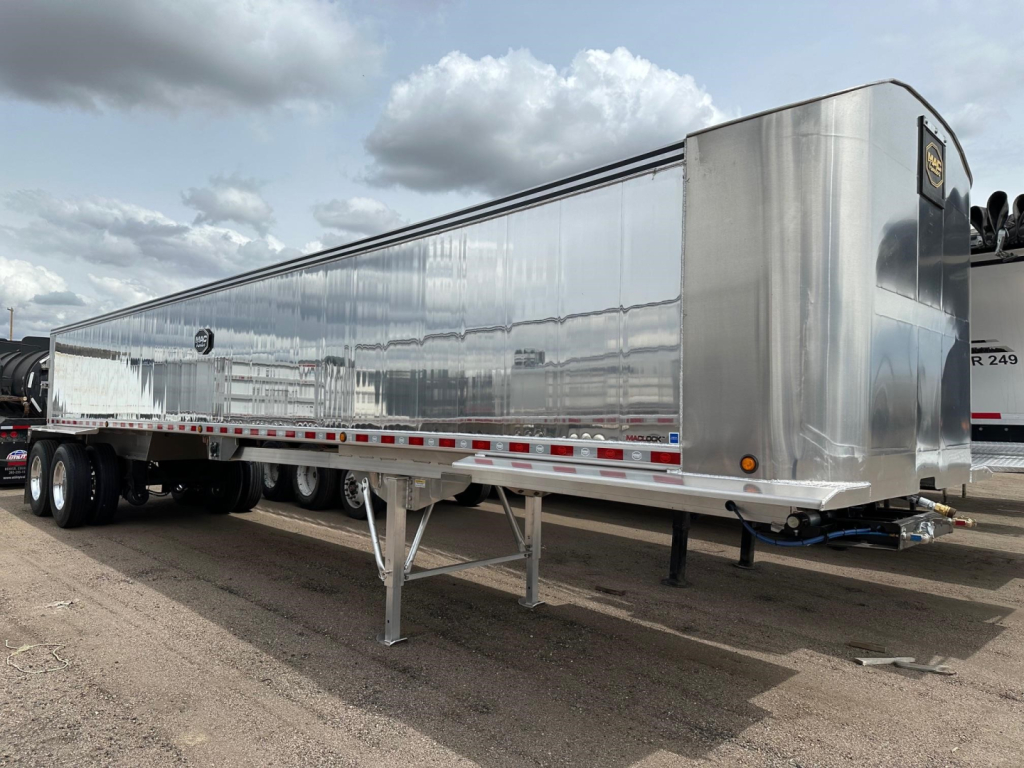
For dry bulk work, Mac pneumatic trailers are often found in 1,050 cubic foot aluminum configurations with three hoppers, rear discharge, aeration systems, and tandem air ride suspensions. Common buyer checkpoints include barrel material, hopper count, manhole count, piping material, discharge plumbing layout, top air configuration, valve brand and size, and kingpin setting. A lightweight aluminum barrel helps maximize legal payload, but the plumbing package and aeration design have a major effect on unload speed and product cleanout. Buyers hauling cement, lime, or fly ash should also evaluate hose tube storage, fitting cabinet layout, ladder and safety rail access, and whether the trailer has the discharge arrangement their blower setup and customer sites require.
Across the Mac lineup, the most important comparison points are empty weight, suspension spec, axle configuration, body or barrel construction, and how closely the trailer matches the commodity being hauled. Aluminum composition helps in corrosive environments and supports payload, but buyers still need to inspect crossmember condition, draft arms or suspension components, gate and hinge wear, landing gear, wheel-end history, brake condition, and any cracking around high-stress areas. Mac trailers have a strong reputation in bulk and dump applications because they are built around payload and durability, but the right trailer is the one with the correct spec for your routes, loading method, material density, and state weight laws.
Frequently Asked Questions about 2026 Mac Trailers
What types of 2026 Mac trailers are most common on the market?
The most common Mac trailer types are aluminum frameless end dumps and pneumatic dry bulk trailers. End dumps are used for aggregate, scrap, asphalt, demolition, and construction materials, while pneumatic trailers are built for cement, lime, sand, fly ash, and other dry bulk commodities that unload through an air system. Mac is known for lightweight aluminum construction in both categories, which helps fleets maximize payload without giving up durability.
What should I look for when buying a Mac end dump trailer?
Start with the body design, cubic yard capacity, side height, axle configuration, and suspension type. A frameless half-round or similar tub design is common on Mac end dumps because it sheds material well and keeps weight down. Buyers should also evaluate the liner, gate style, tarp system, lift axle spec, and any signs of wear around the hoist area, hinge points, draft arms, and rear frame structure. The right setup depends on material type, legal payload targets, and whether the trailer will run on paving work, quarry routes, or mixed construction jobs.
What matters most on a Mac pneumatic dry bulk trailer?
Capacity, plumbing, and unload performance are the key factors. Many Mac pneumatic trailers are 1,050 cubic foot aluminum units with three hoppers, aeration, and rear discharge, but the details matter. Check the piping material, valve sizes, top air setup, hopper layout, and kingpin setting, along with the condition of the barrel, suspension, landing gear, and wheel ends. A trailer that matches your blower system and product type will usually unload faster, clean out better, and create fewer service issues.
Are Mac aluminum trailers a good choice for payload-sensitive operations?
Yes. Mac aluminum trailers are popular in payload-sensitive operations because the lighter tare weight can translate into more legal payload, especially in dump and dry bulk service. That said, low empty weight should be balanced against the duty cycle. Buyers hauling abrasive material, running rough jobsite access roads, or loading heavy dense commodities should compare body thickness, liner spec, suspension package, and reinforcement details, not just the lightest trailer on paper.
How do I choose between tandem and spread axle Mac trailer configurations?
The choice depends on state bridge laws, turning environment, tire wear expectations, and payload goals. Closed tandem setups are common and maneuver well in tighter jobsites, while spread axle configurations can help with weight distribution and legal loading in some jurisdictions. Spread setups may also affect scrub and maintenance depending on suspension design and route conditions. Before buying, match the axle layout to the states you run, the type of terminals or jobsites you enter, and how often the trailer will operate at maximum legal weight.