
2026 Reefer Trailers For Sale in Colorado
Shop 2026 reefer trailers for sale in Colorado. Compare 53-foot refrigerated trailers, TRU specs, axle setups, floors, doors, and legal options.
Selling a 2026 reefer trailer? List your 2026 reefer trailer for sale and reach thousands of commercial buyers.
2026 Reefer Trailers in Colorado
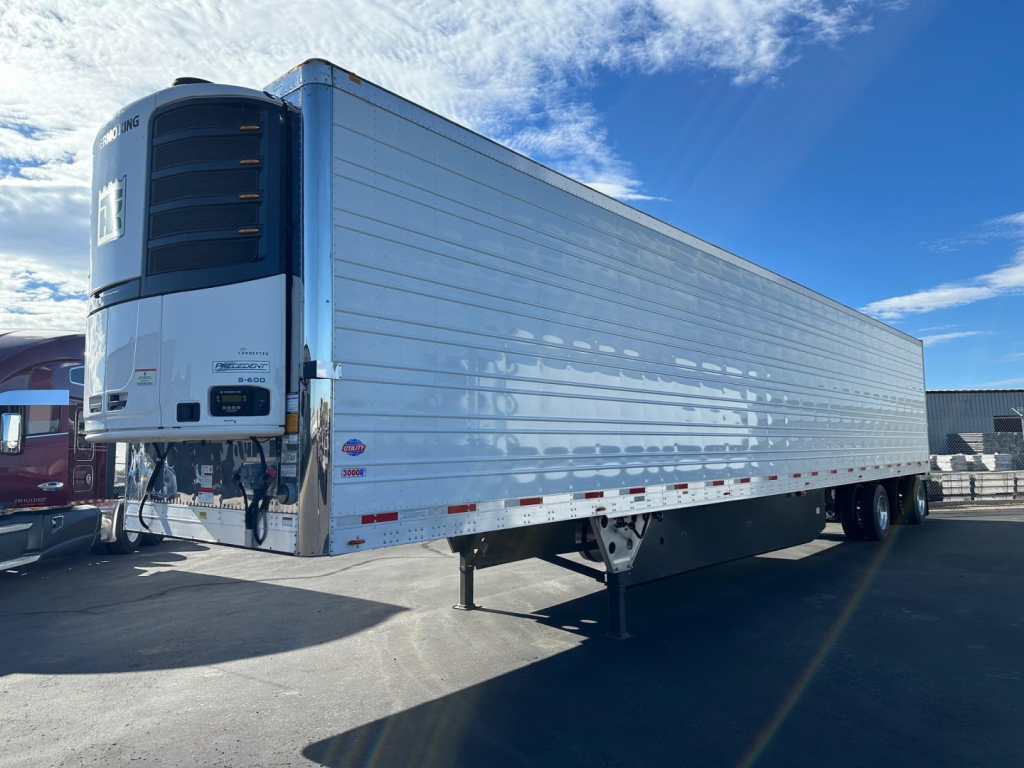
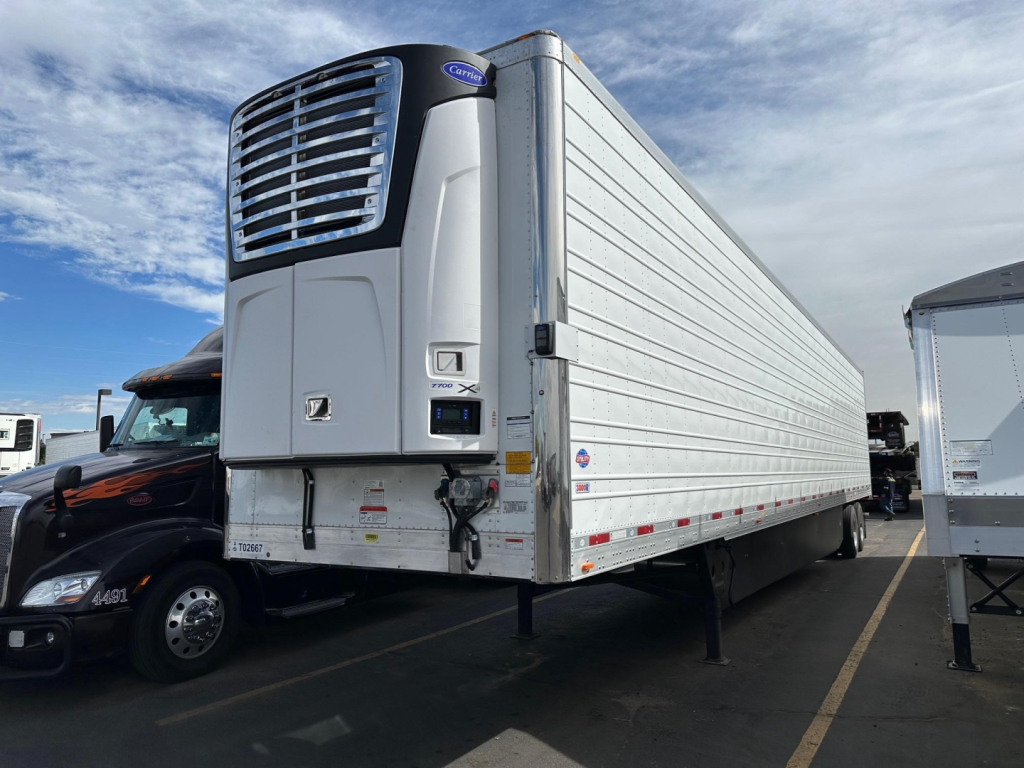
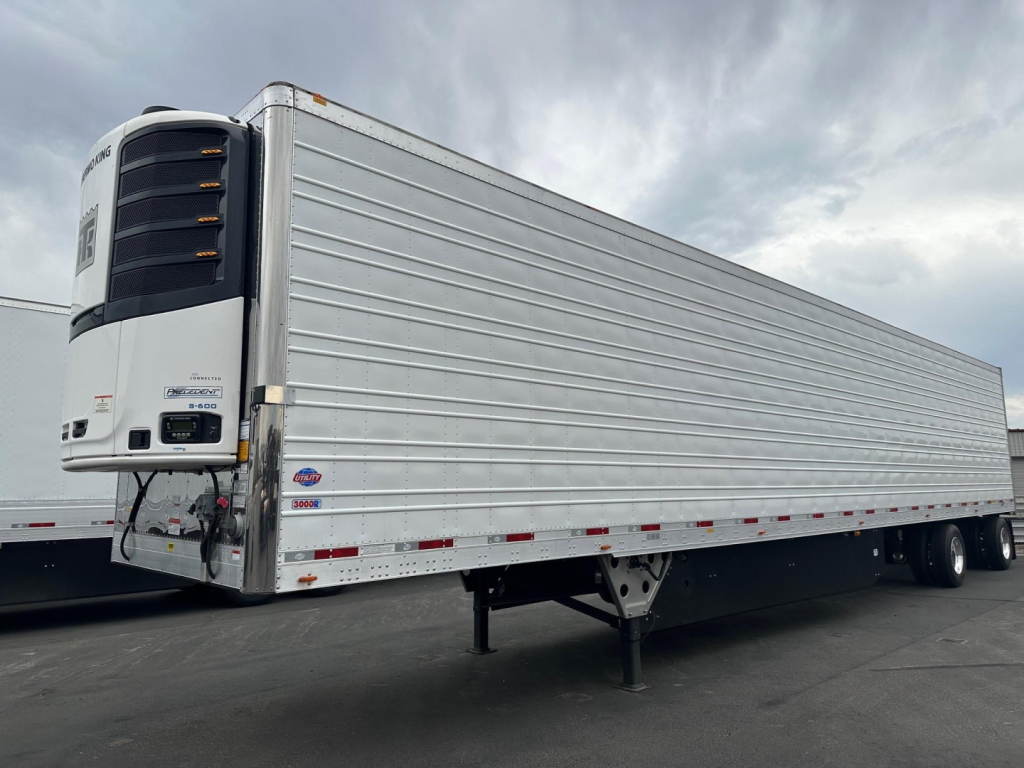
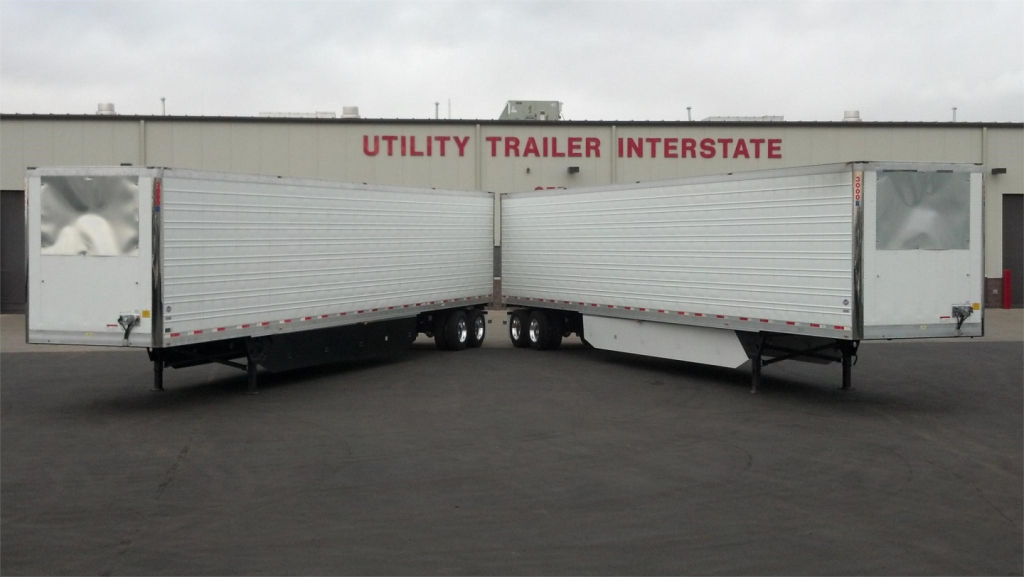
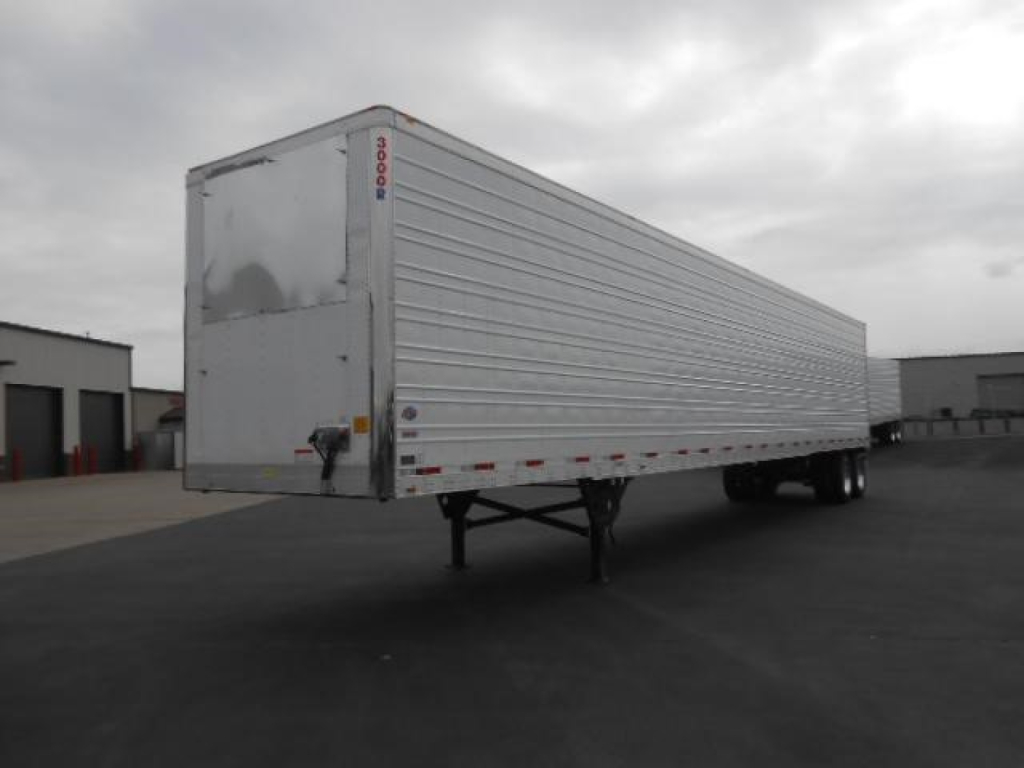
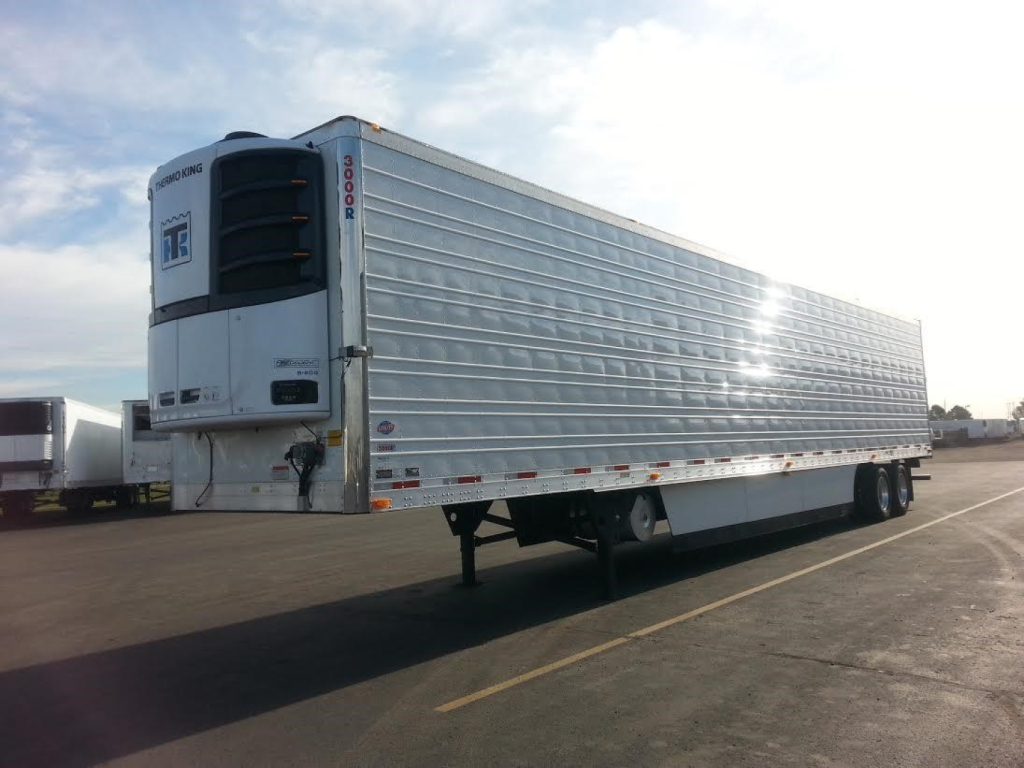
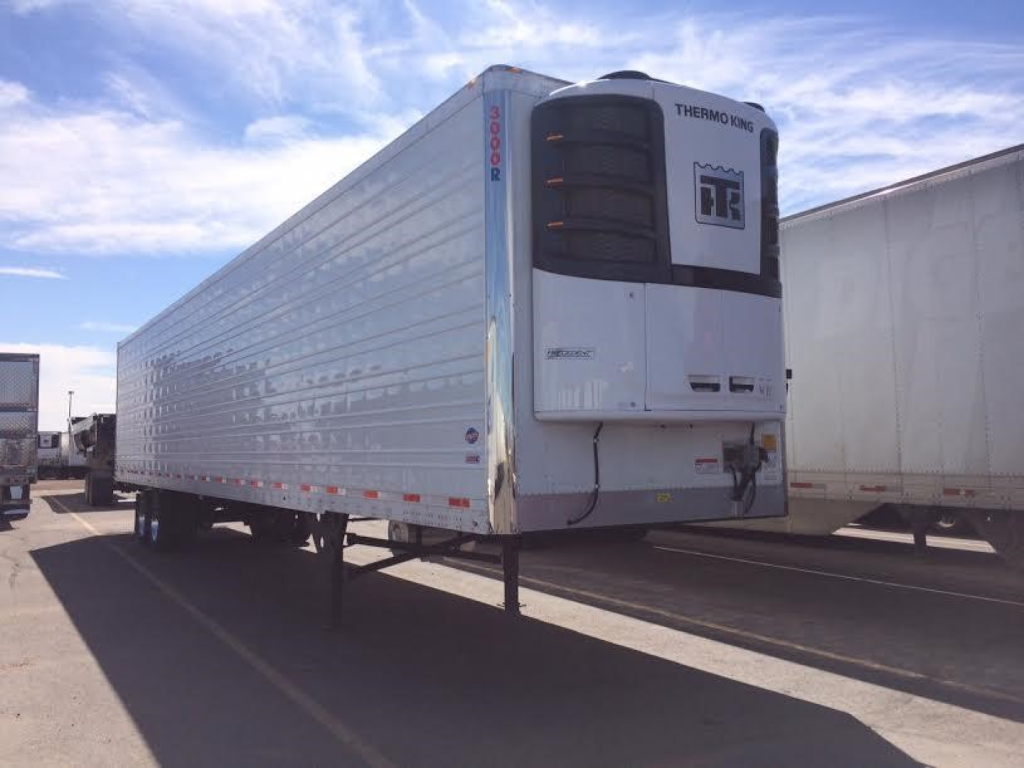
Common spec decisions on a reefer trailer include Thermo King versus Carrier, single-temp versus multi-temp capability, and whether the trailer is set up for California legal operation. A lot of fleet buyers also look closely at chassis and suspension details such as closed tandem or sliding spread axle layouts, air ride suspension, air pin sliders, and tire inflation systems. In practical use, those specs affect bridge law flexibility, loading dock performance, tire life, and maintenance cost. Side skirts, aerodynamic tails, stainless front corners, stainless rear frames, anti-dock-walk systems, and aluminum wheels are also common on newer reefer trailers because they improve durability or reduce operating cost over long routes.
Inside the box, floor and airflow design matter as much as the insulation package. Heavy-duty aluminum duct floors, chutes, bulkheads, and wearbands help protect cargo and maintain proper air circulation from the nose to the rear doors. Quilted or insulated rear swing doors, rear vents, scuff protection, and door protector plates are worth checking if the trailer will handle frequent stop-and-drop work or foodservice-style loading. Reefer buyers should also verify unit hours, maintenance records, evaporator and condenser condition, fuel tank setup, telematics compatibility, and how the trailer was previously used. A trailer that spent its life on continuous highway lanes will usually show different wear than one used in dense multi-stop distribution.
For Colorado operations, buyers should think beyond the box and consider route profile. Mountain terrain puts more demand on the tractor-trailer combination, and winter conditions make brake spec, tire type, and trailer stability more important. If freight moves across multiple states, emissions rules, TRU registration requirements, and service support in major corridors should be part of the buying decision. The best 2026 reefer trailer is not just the newest one. It is the one with the right refrigeration unit, axle configuration, floor design, and compliance package for the lanes, commodities, and dock environment it will actually run.
Frequently Asked Questions about 2026 Reefer Trailers in Colorado
What should I look at first when buying a 2026 reefer trailer?
Start with the refrigeration unit and the trailer’s compliance status. The TRU brand, model, cooling capacity, emissions certification, and service support will have the biggest effect on uptime and resale. After that, review axle configuration, suspension, floor design, door construction, and any features that support your freight mix, such as bulkheads, chutes, or telematics. For a refrigerated trailer, the box and the unit need to be matched to the commodity and the route, not just the purchase price.
Are 53-foot reefer trailers the standard size?
Yes. In over-the-road refrigerated freight, 53-foot by 102-inch reefer trailers are the most common configuration. That size works well for grocery distribution, frozen freight, meat, produce, and general temperature-controlled lanes. Buyers may still compare interior cube, floor design, and insulation details between manufacturers, but 53-foot units dominate the market because they fit mainstream dock, route, and fleet requirements.
What is the difference between a sliding spread and a closed tandem on a reefer trailer?
A closed tandem keeps the axles grouped in a more traditional tandem arrangement and is common in general over-the-road work. A sliding spread separates the axles farther apart and can help with bridge law and state-specific legal requirements, including some California applications when properly spec'd. The right choice depends on where the trailer runs, how often axle position needs to change, and whether the operation values maneuverability, weight distribution flexibility, or state compliance most.
Why do reefer trailer floors and air chutes matter so much?
A reefer trailer does not cool cargo evenly unless air can move correctly through the trailer. Aluminum duct floors allow return airflow under the load, while chutes and bulkheads help direct supply air where it needs to go. If airflow is blocked by poor loading practices or the wrong floor setup, the trailer can have hot spots even when the unit is operating normally. For produce, frozen goods, and mixed loads, floor and airflow design directly affect product quality and claim risk.
Is a newer reefer trailer always a better buy than an older one?
Not automatically. A 2026 reefer trailer offers newer TRU technology, lower hours in many cases, and current compliance advantages, but condition and maintenance history still decide value. Buyers should compare unit hours, service records, door and floor wear, suspension condition, tire system performance, and evidence of prior cargo damage or moisture issues. A newer trailer with the wrong spec for the lane can cost more to run than an older trailer that is properly configured and well maintained.