
2026 Drop Deck Trailers For Sale in Colorado
Shop 2026 drop deck trailers in Colorado. Compare 48' and 53' specs, axle setups, deck materials, ramps, and payload-focused configurations.
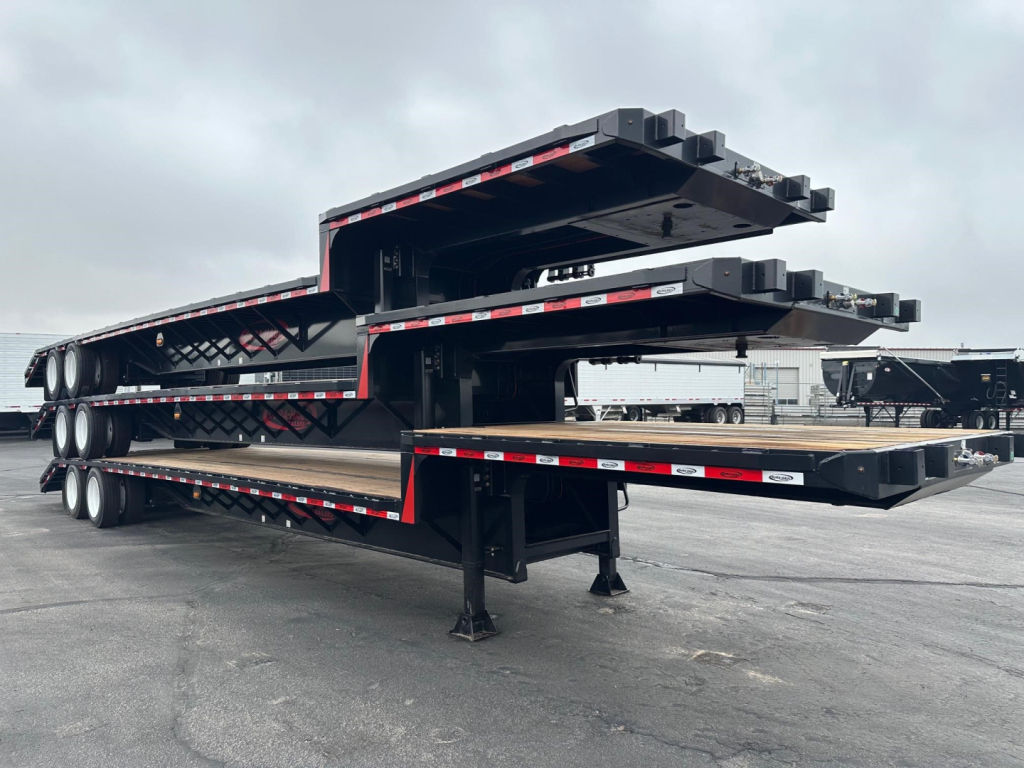
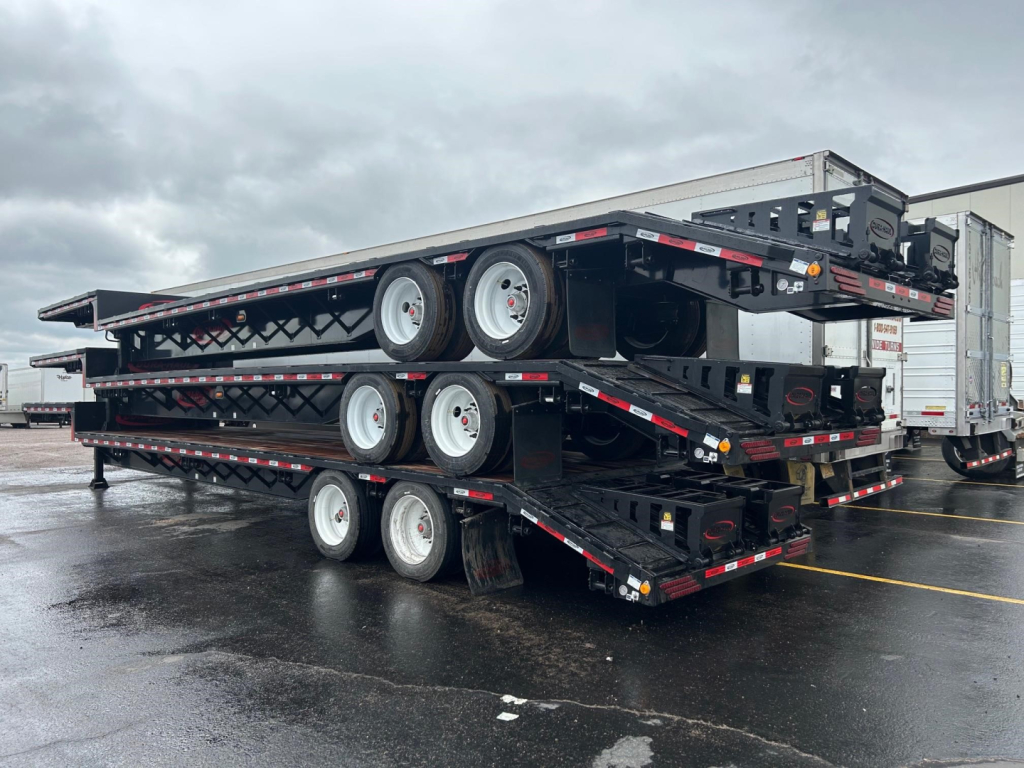
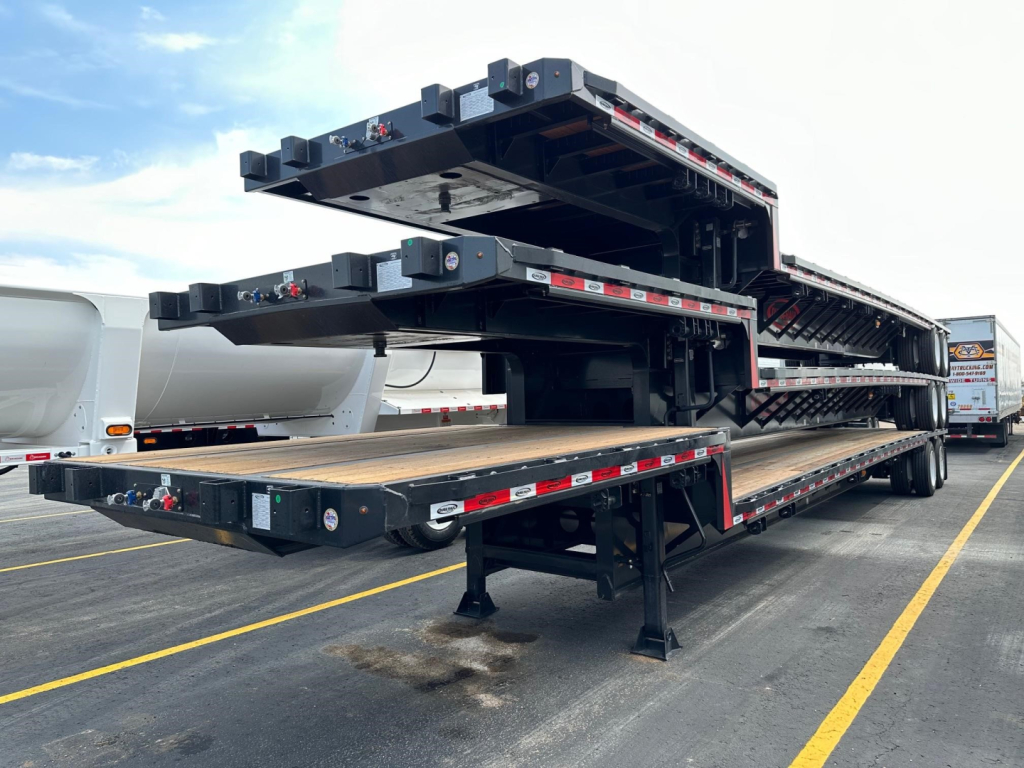
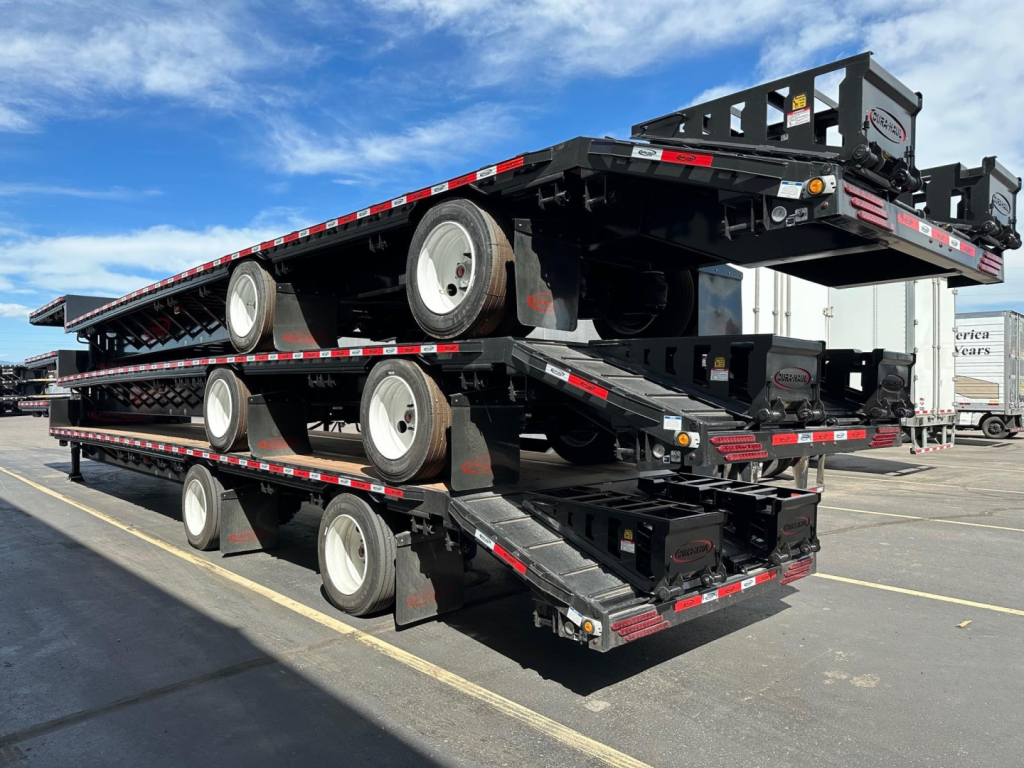
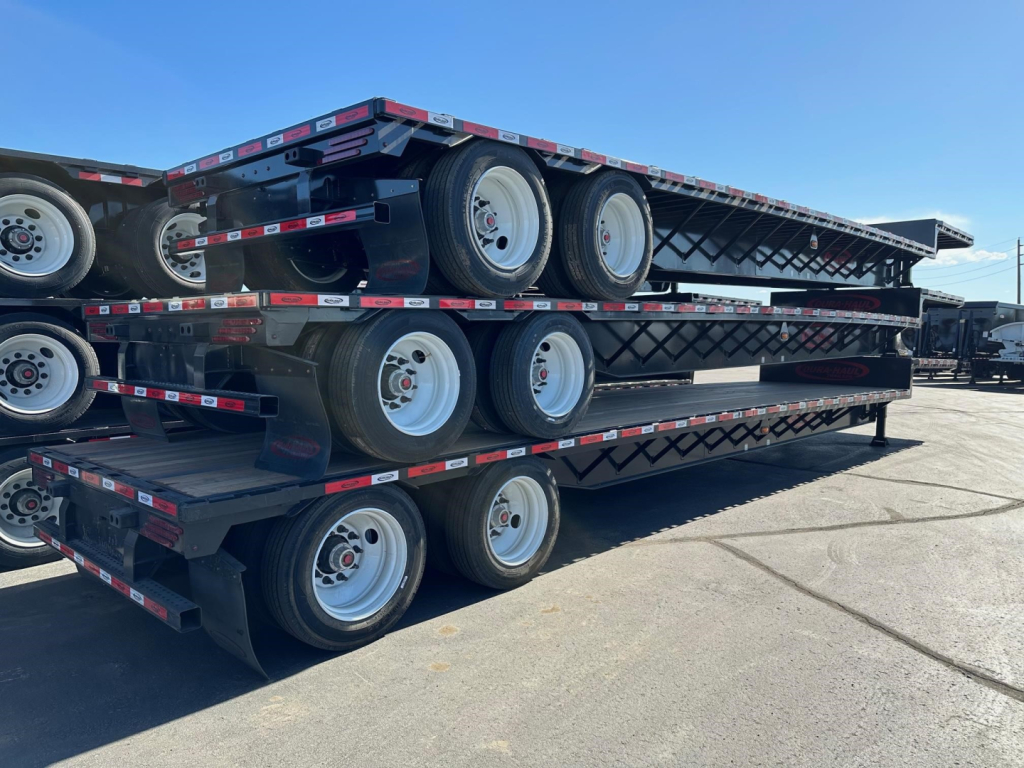
Selling a 2026 drop deck trailer? List your 2026 drop deck trailer for sale and reach thousands of commercial buyers.
2026 Drop Deck Trailers in Colorado
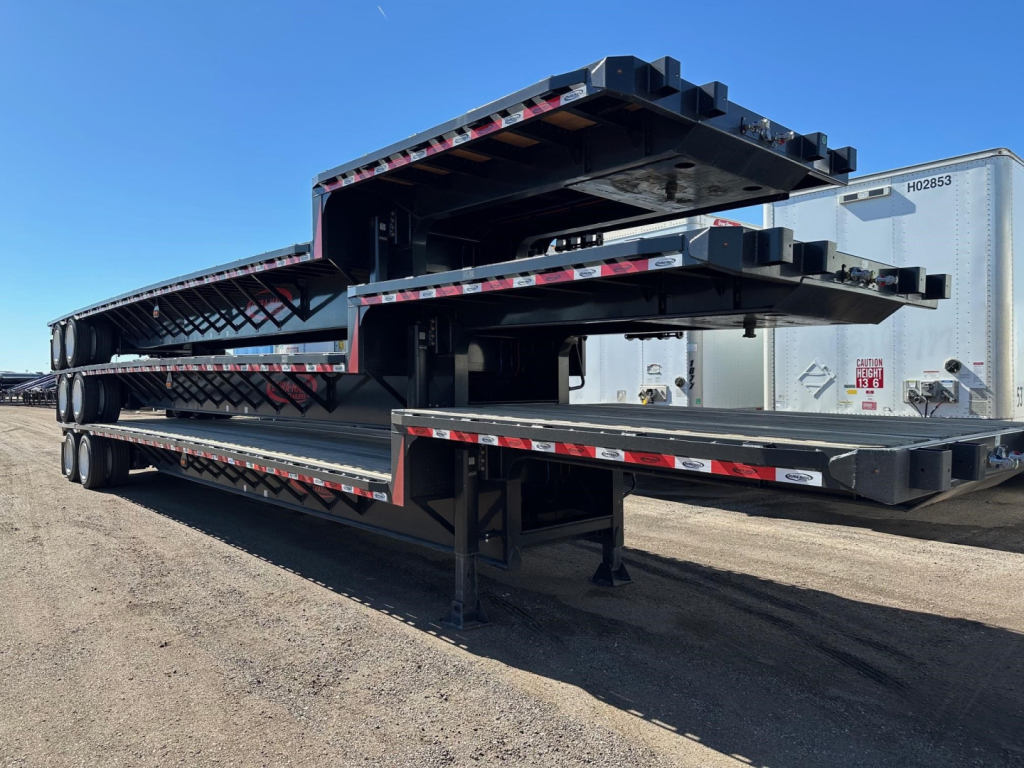
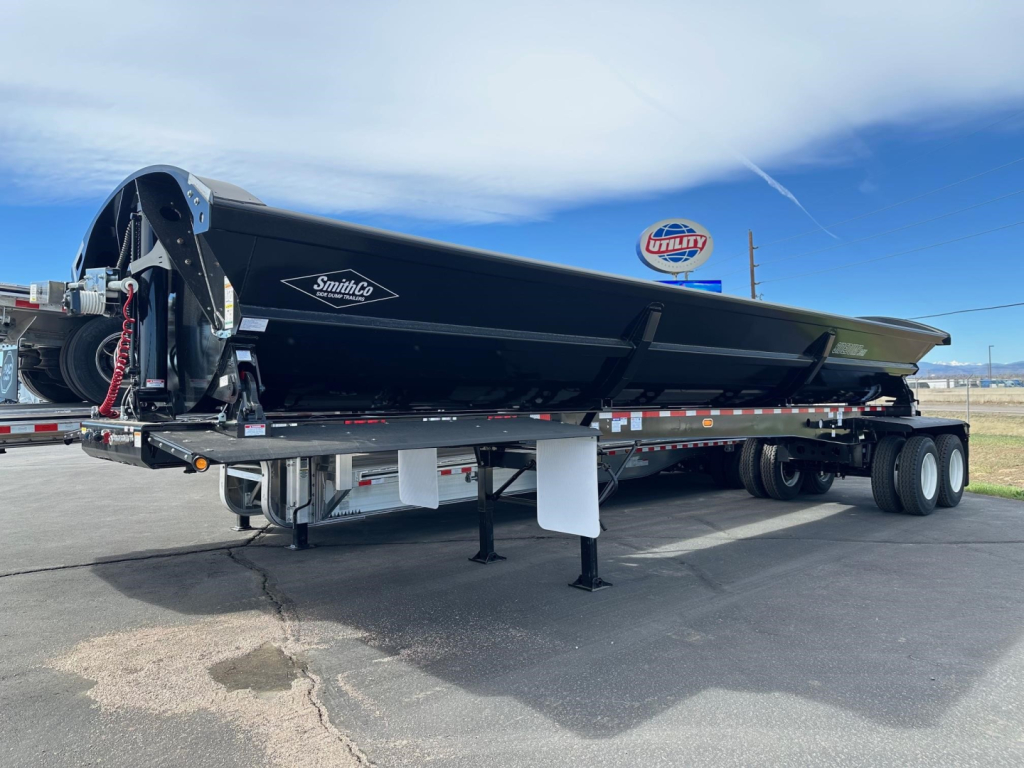
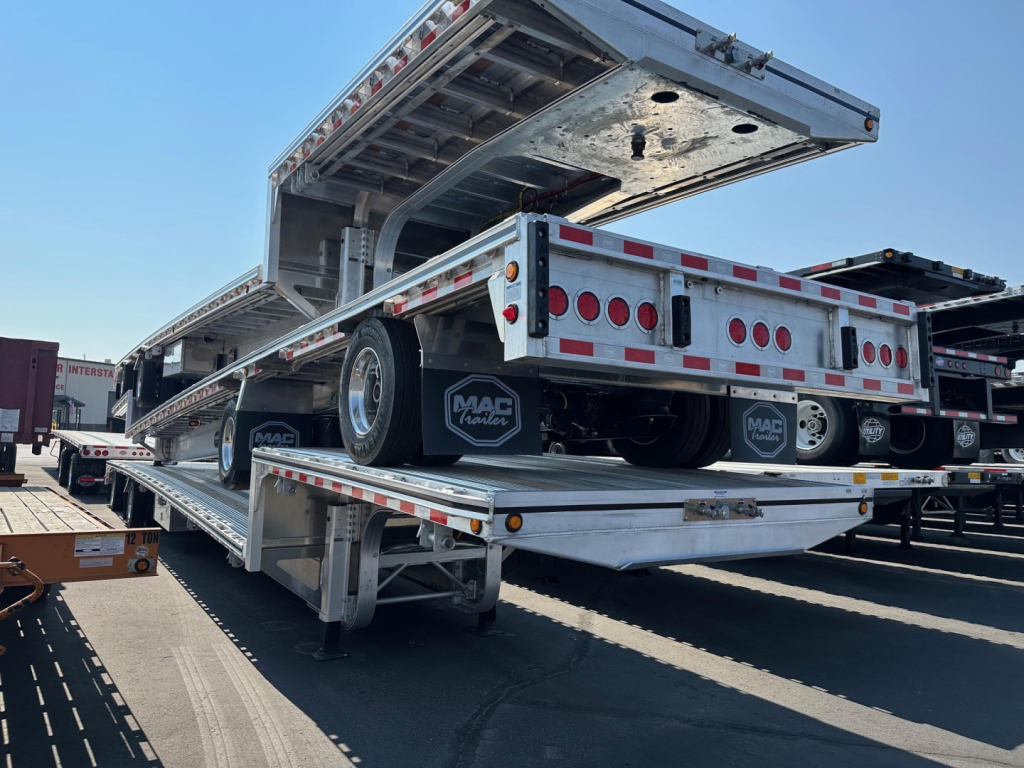
Construction and weight are usually the first tradeoffs. Steel drop deck trailers tend to cost less up front and hold up well in hard-use applications like counterweights, steel products, and crane support work. Aluminum and combo drop deck trailers reduce tare weight and can add payload, which is valuable for owner-operators and carriers trying to stay flexible across multiple load types. Deck material also matters. Apitong and other hardwood floors remain popular for durability and traction, while aluminum deck sections can save weight. Look closely at main beam material, crossmember spacing, rail design, nail strips, and how the trailer is equipped for securement. Stake pockets, double pipe spools, sliding winches, chain ties, and coil package options can make a big difference in day-to-day usability.
Axle layout should match the lanes you run and the loads you haul. Fixed tandems are simple and proven, while spread axle and sliding rear axle configurations can help with bridge laws, weight distribution, and state-specific compliance. Air ride suspension is common on newer drop decks because it protects sensitive freight and improves ride quality. Buyers in Colorado should also pay attention to tire size, especially 22.5 low-profile and 17.5-inch setups, since deck height and tire choice affect legal clearance. Features like lift axles, tire inflation systems, dump valves, scale gauges, and enclosed rear ends can improve efficiency and reduce operating headaches on longer hauls.
The most useful way to shop this category is by application, not just brand. A general freight drop deck may need a clean lower deck, full winch track, and broad securement options. An equipment-focused trailer may benefit from a beavertail, flip ramps, and heavy-duty rear construction. If California compliance or multi-state routing matters, kingpin setting, axle spread, overall trailer weight, and bridge-friendly dimensions deserve a close review. A good drop deck trailer is not just about carrying tall freight. It is about balancing payload, deck space, securement, axle flexibility, and durability for the specific freight mix your operation sees every week.
Frequently Asked Questions about 2026 Drop Deck Trailers in Colorado
What is the difference between a drop deck trailer and a flatbed trailer?
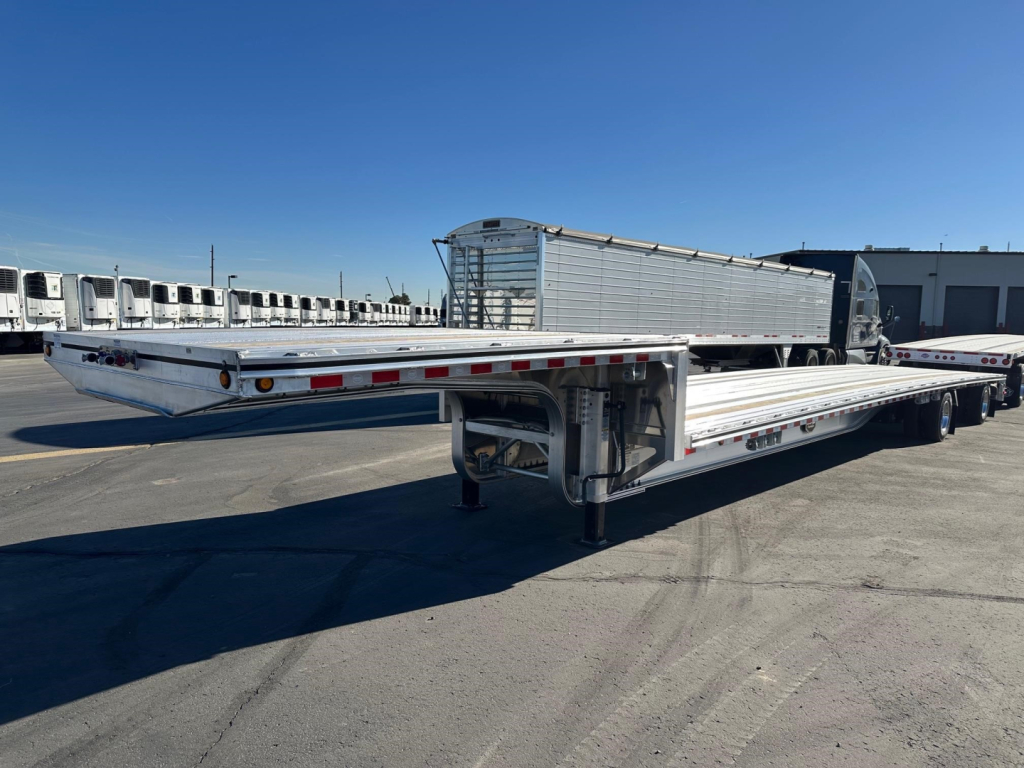
A drop deck trailer, also called a step deck trailer, has two deck levels instead of one continuous deck like a flatbed. The lower deck sits closer to the ground, which allows taller freight to move legally without requiring overheight permits in many cases. That makes drop decks a common choice for machinery, stacked freight, and other loads that exceed standard flatbed height limits.
What length and axle configuration are most common on drop deck trailers?
The most common drop deck lengths are 48 feet and 53 feet, usually at 102 inches wide. Tandem axle setups are very common, but buyers will also find fixed spread axles, sliding rear axles, and lift axle configurations depending on the intended application. The right setup depends on bridge law requirements, weight distribution, maneuverability, and the states where the trailer will operate.
Are aluminum drop deck trailers better than steel models?
Neither is universally better. Aluminum drop deck trailers typically weigh less, which can improve payload and fuel efficiency, and that is attractive for general freight and owner-operator use. Steel trailers usually have a lower initial purchase price and are often preferred for severe-duty work where ruggedness and repair familiarity matter more than tare weight. Combo trailers split the difference by pairing steel main structural components with aluminum deck or rail sections.
What features matter most for hauling equipment on a drop deck trailer?
For equipment hauling, buyers usually focus on deck height, lower deck length, rear beavertail design, and whether the trailer has flip ramps. Securement points are critical, including stake pockets, pipe spools, chain ties, and sliding winches. Heavy-duty suspension, durable flooring, and strong rear frame construction are also important when regularly loading concentrated weights such as skid steers, compact excavators, and lift equipment.
Why does tire size matter on a drop deck trailer?
Tire size affects loaded deck height, clearance, ride quality, and replacement cost. Low-profile 22.5 tires are common because they help keep deck height down while maintaining highway durability. Some trailers use 17.5-inch tires to achieve even lower deck heights, which can be valuable for height-sensitive freight, but buyers should also consider tire availability, wear characteristics, and the effect on overall operating cost.