
2026 Dura Haul Drop Deck Trailers For Sale in Colorado
Shop 2026 Dura Haul drop deck trailers in Colorado. Compare 48' and 53' steel models with beaver tails, air ride, winches, and Apitong decks.
Selling a 2026 dura haul drop deck trailer? List your 2026 dura haul drop deck trailer for sale and reach thousands of commercial buyers.
2026 Dura Haul Drop Deck Trailers in Colorado
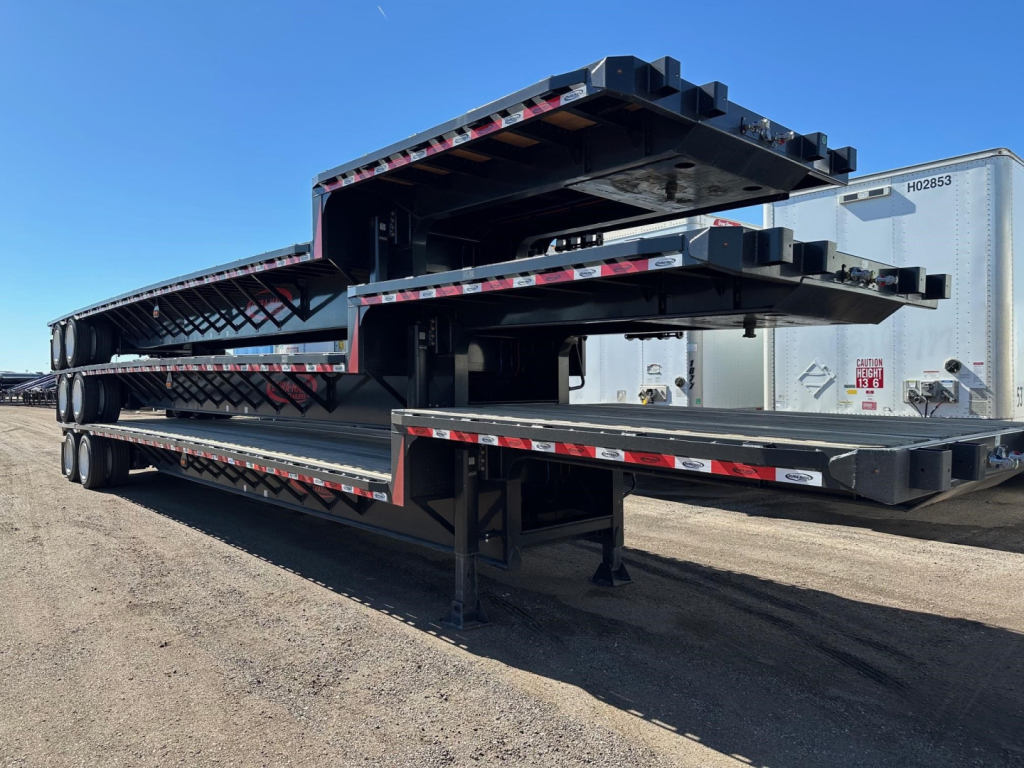
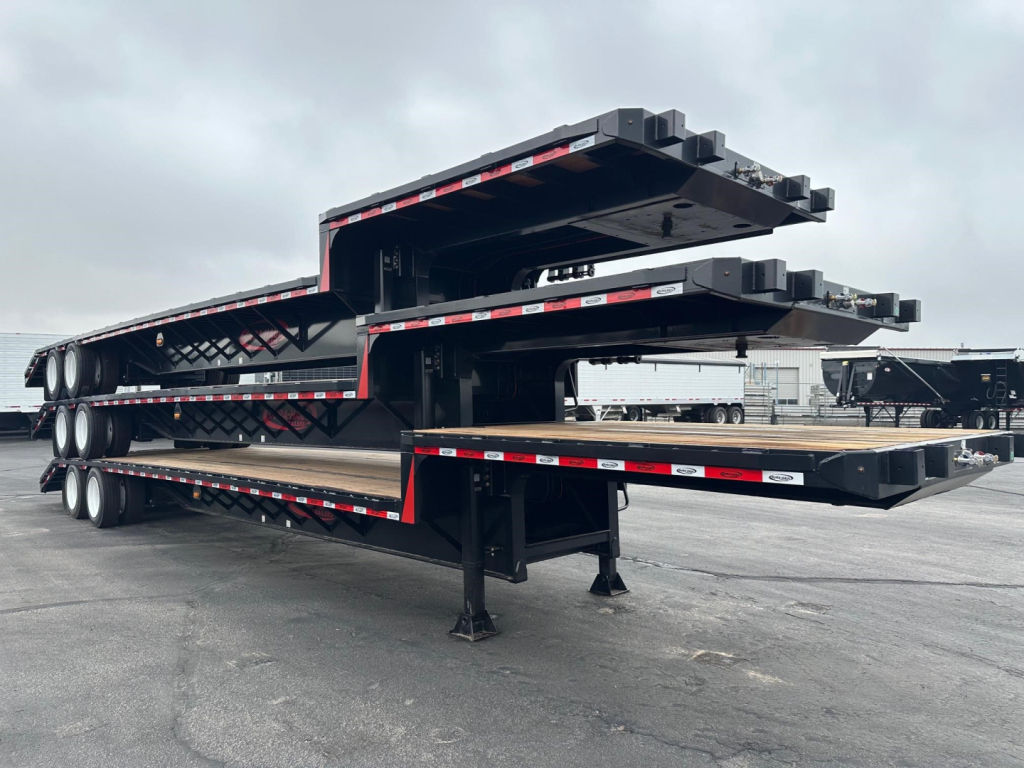
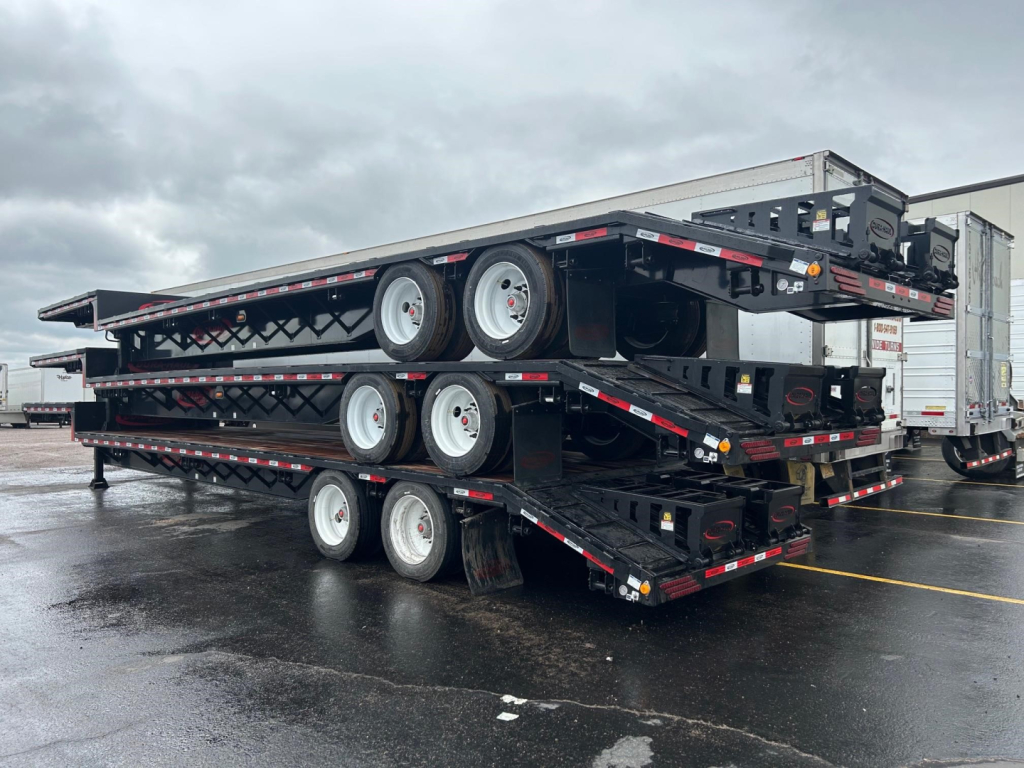
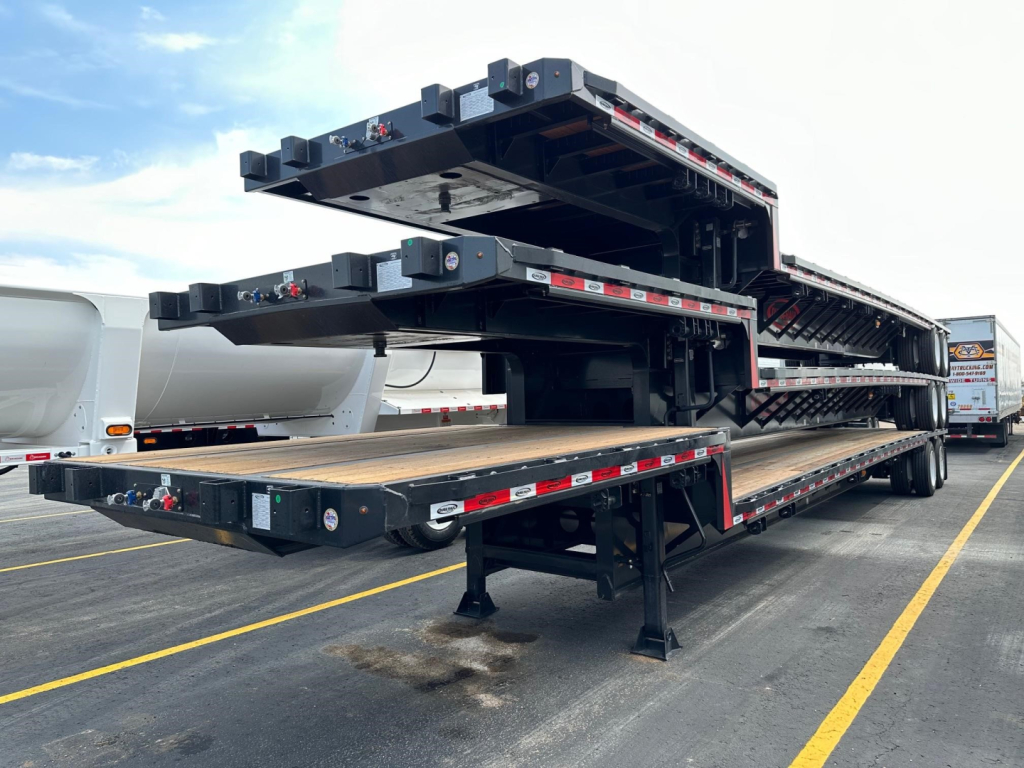
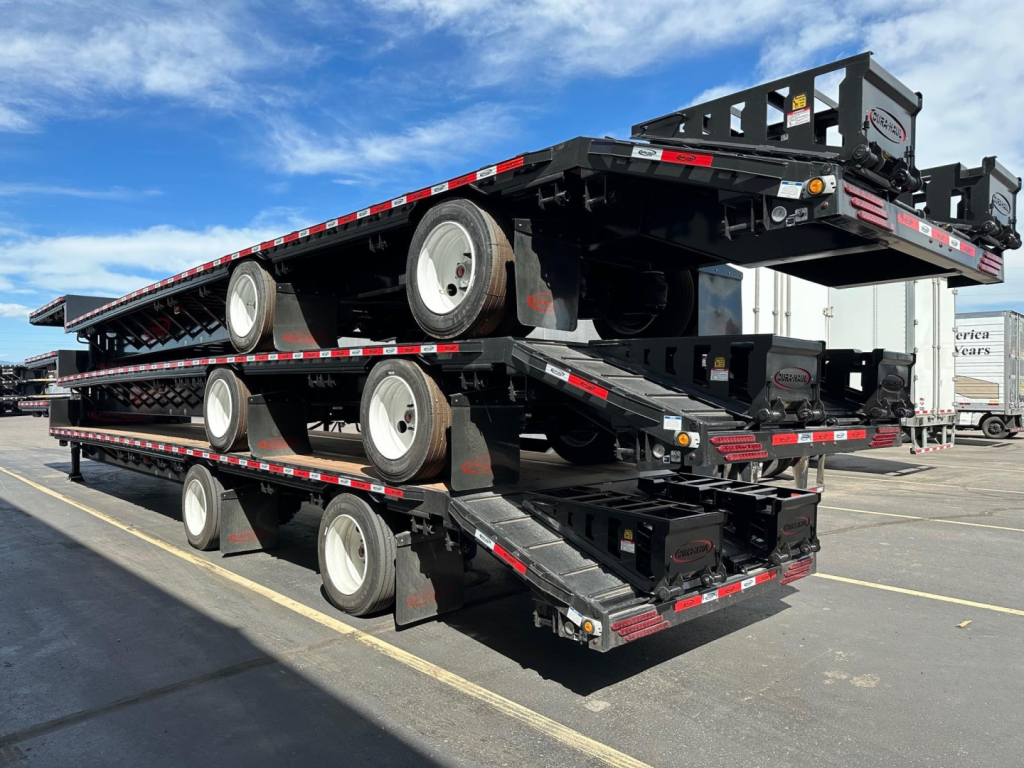
The biggest buying decision is usually deck layout and loading style. A standard straight drop deck works well for forklift-loaded freight and general open-deck work. A beaver tail configuration with flip ramps is more useful when the trailer will regularly handle forklifts, small construction equipment, skid steers, or counterweights that can be driven or rolled onto the deck. Several Dura Haul examples in this category use a steel beaver tail with two flip ramps, which adds versatility for equipment loading while keeping the trailer in a general freight profile. For buyers in Colorado, that matters on mixed-use routes where one trailer may haul machinery one day and building materials the next.
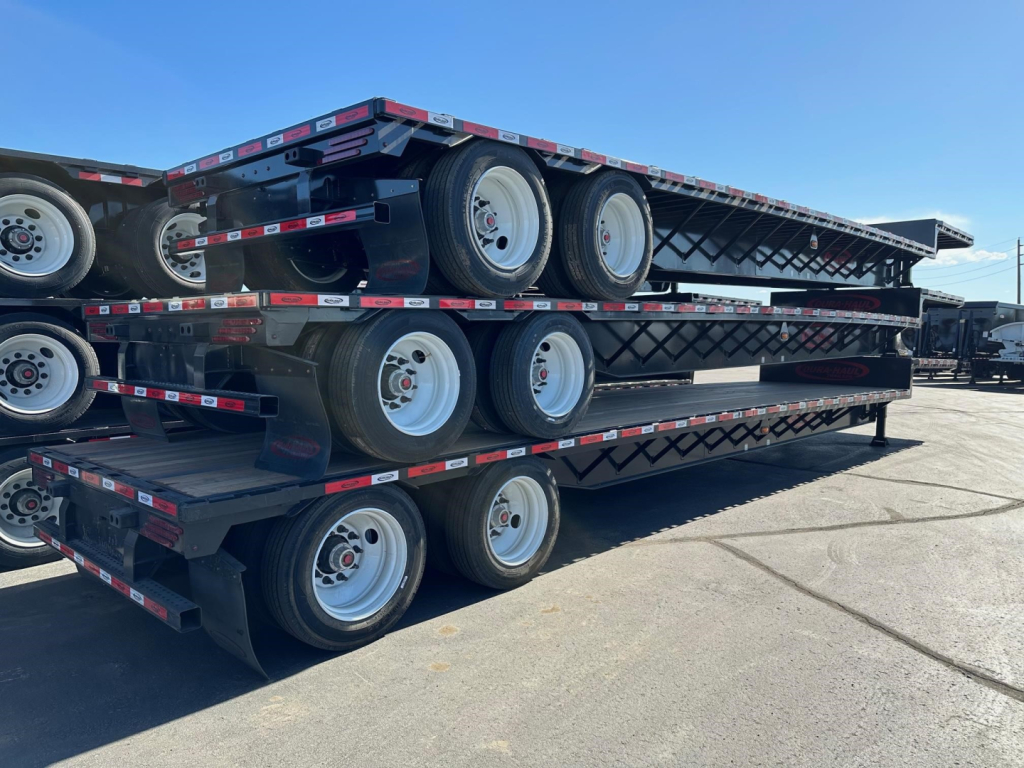
Dura Haul steel drop decks in this group are typically spec'd with Apitong wood decking, stake pockets, double pipe spools, and sliding winches. That combination is practical for carriers hauling machinery, steel products, crated freight, or irregular loads that require flexible tiedown points. Apitong remains a preferred deck surface for heavy-duty open-deck applications because it stands up well to chains, forklifts, and repeated loading cycles. Tire and running gear specs commonly include 255/70R22.5 rubber, steel wheels, air ride suspension, and either a fixed spread axle or closed tandem setup. A fixed spread can help with bridge and weight distribution, while a closed tandem may be preferable for operators prioritizing maneuverability and dock access.
Other details worth checking are the kingpin setting, loaded deck height, ramp angle on beaver tail models, and whether the trailer includes features like a manual dump valve, liquid-filled scale, tire carrier, and LED lighting. These are not cosmetic options. They affect daily usability, load securement efficiency, axle loading awareness, and ease of operation in the field. Buyers comparing 2026 Dura Haul drop deck trailers should focus on the freight mix first, then match trailer length, lower deck length, axle spread, and ramp arrangement to that work. A well-matched drop deck can cover a wide range of legal-height freight while staying simpler and more versatile than more specialized trailer types.
Frequently Asked Questions about 2026 Dura Haul Drop Deck Trailers in Colorado
What is the advantage of a drop deck trailer over a flatbed?
A drop deck trailer gives you a lower main deck height than a flatbed, which allows taller freight to stay within legal overall height limits. That makes it a strong choice for equipment, industrial freight, and building materials that may be too tall for a standard flatbed. It also gives operators flexibility to haul a wide mix of loads without moving to a more specialized trailer such as a lowboy.
What should I look for in a 48-foot versus 53-foot Dura Haul drop deck?
The right length depends on the freight you haul most often. A 53-foot drop deck usually provides a longer lower deck and more overall cargo space for legal-height freight, making it better for general over-the-road open-deck work. A 48-foot model can be a good fit for regional hauling, counterweights, machinery, and jobs where maneuverability matters more than maximum deck length.
When is a beaver tail drop deck the better choice?
A beaver tail drop deck is the better choice when you regularly load wheeled or tracked equipment, forklifts, or freight that benefits from rolling access. The added tail section and flip ramps improve loading angle compared with a straight rear deck. That can reduce loading time and expand the trailer's usefulness for mixed fleets that haul both general freight and equipment.
Why do many buyers prefer Apitong decking on drop deck trailers?
Apitong is widely used on heavy-duty open-deck trailers because it handles concentrated weight, forklift traffic, and chain contact better than many softer wood alternatives. It is valued for durability and long service life in demanding freight applications. On a drop deck trailer, that matters because the lower deck often sees repeated loading from machinery, steel products, and other dense cargo.
How do spread axles and closed tandems affect drop deck trailer performance?
A fixed spread axle setup can improve weight distribution and may help with bridge law considerations, especially on heavier or longer freight. A closed tandem is generally easier to maneuver in tighter yards, urban deliveries, and loading docks. The better option depends on route type, state regulations, and whether the trailer will spend more time on heavy highway freight or in tighter jobsite environments.