
2026 Dura Haul Drop Deck Trailers For Sale
Shop 2026 Dura Haul drop deck trailers with common specs, deck lengths, axle setups, ramp options, and hauling applications buyers compare.
Selling a 2026 dura haul drop deck trailer? List your 2026 dura haul drop deck trailer for sale and reach thousands of commercial buyers.
2026 Dura Haul Drop Deck Trailers
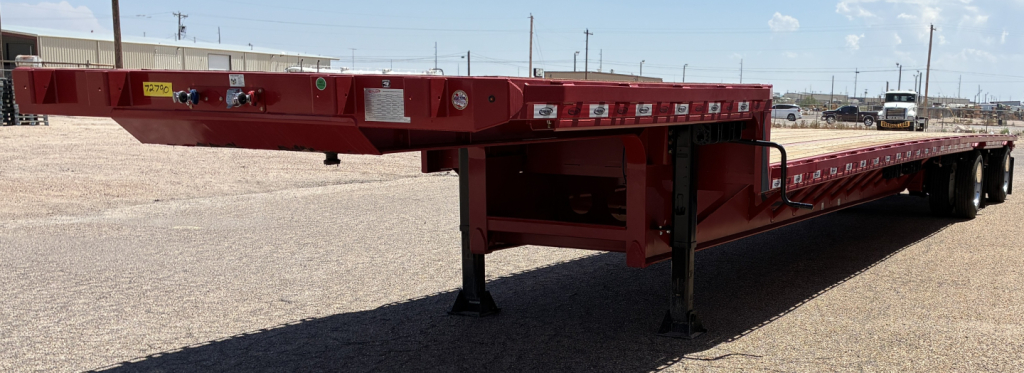
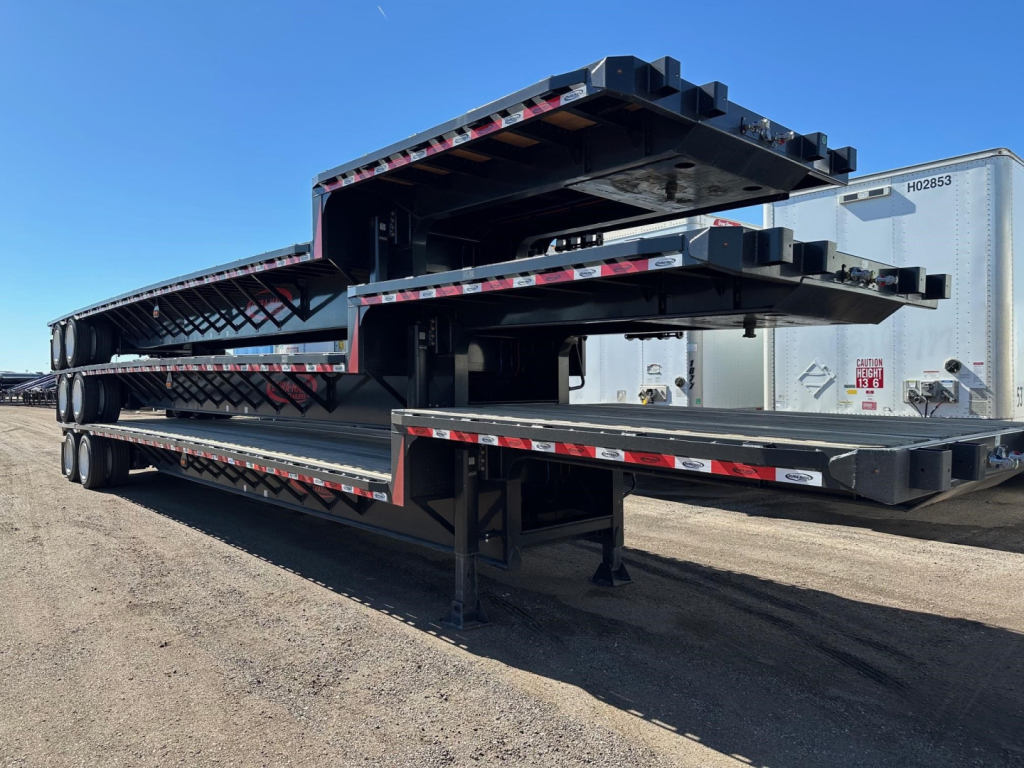
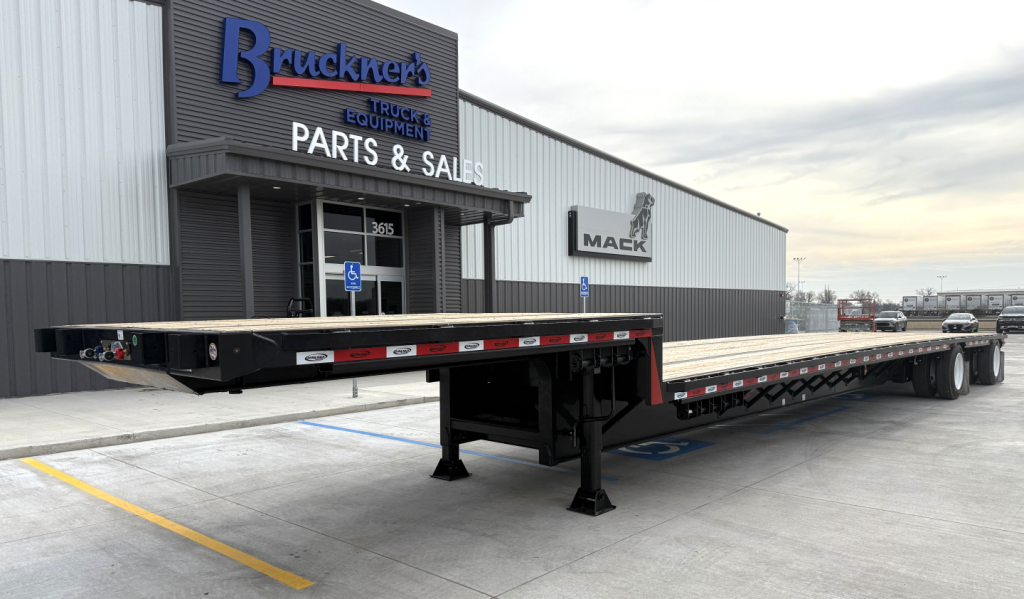
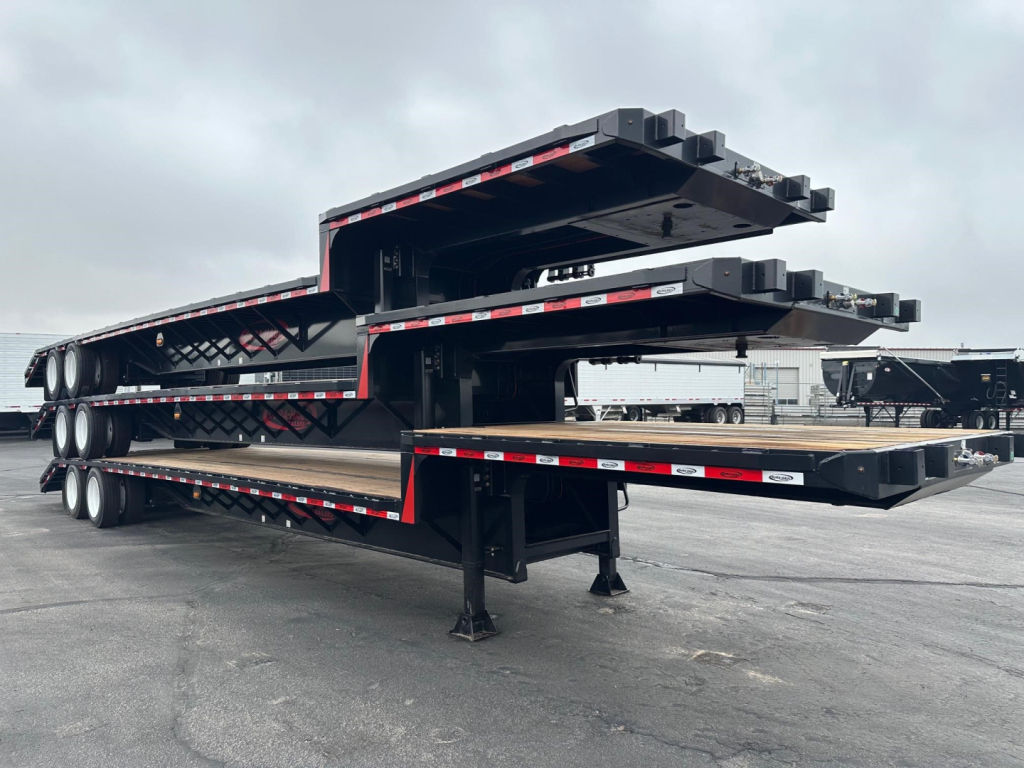
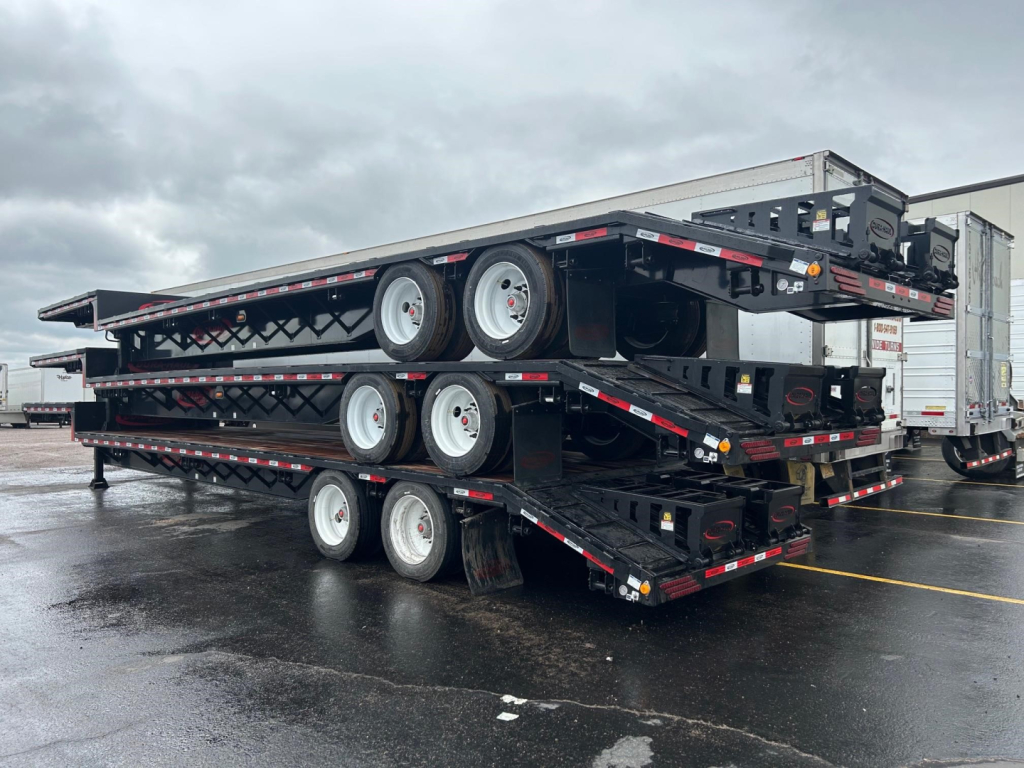
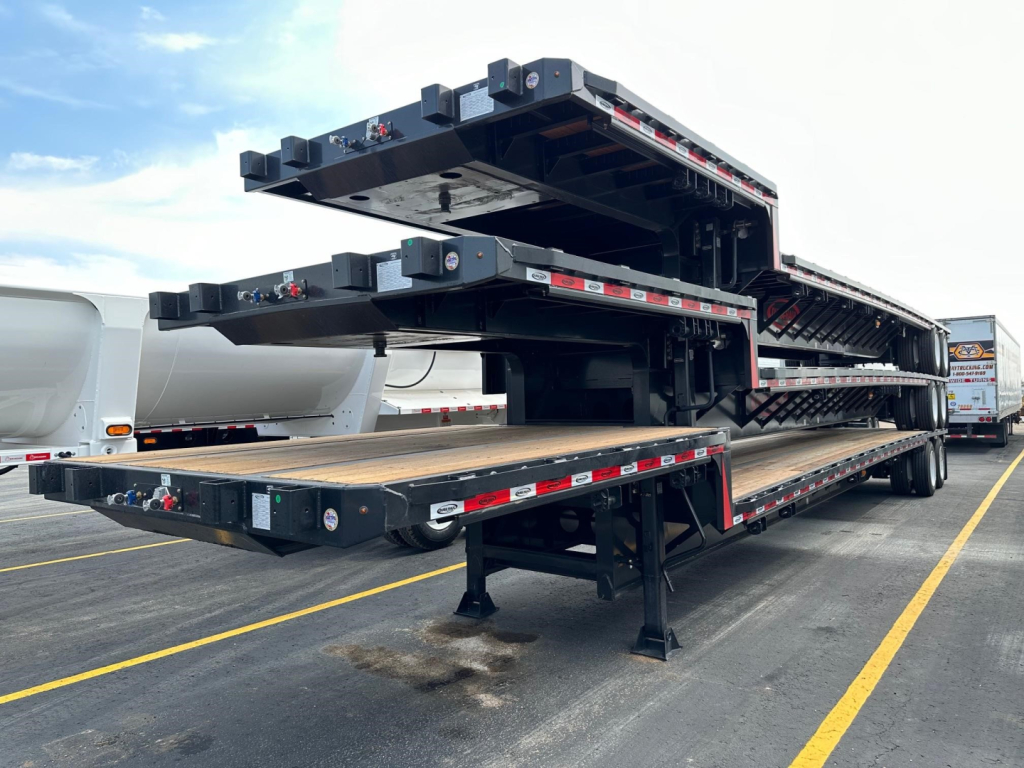
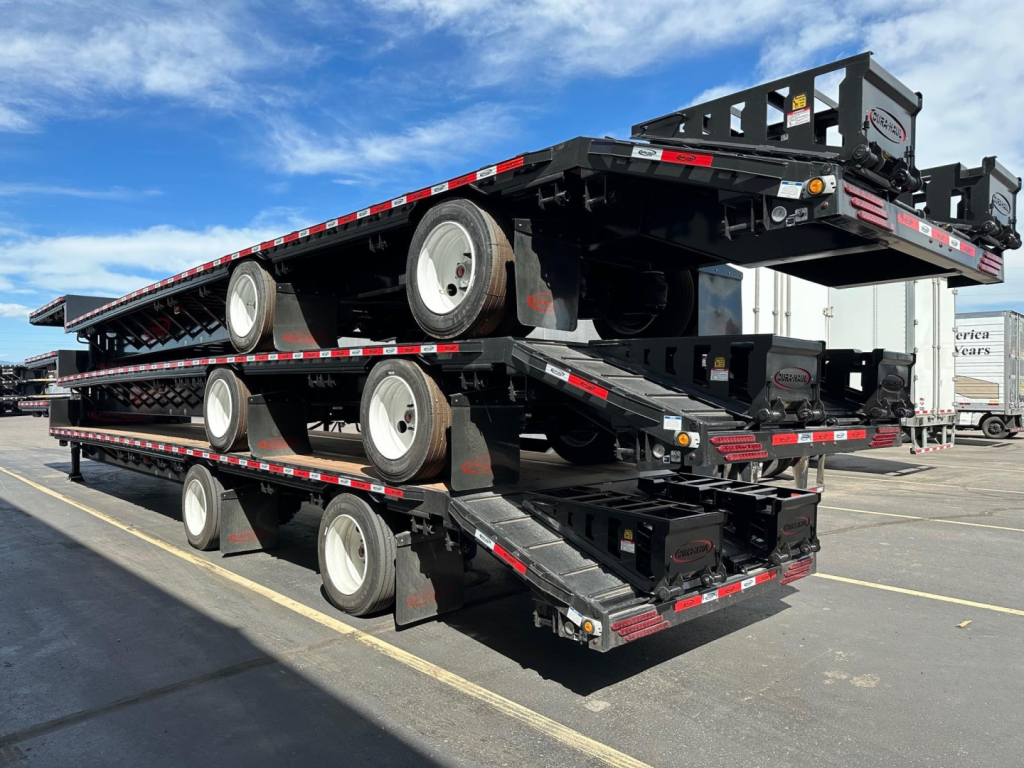
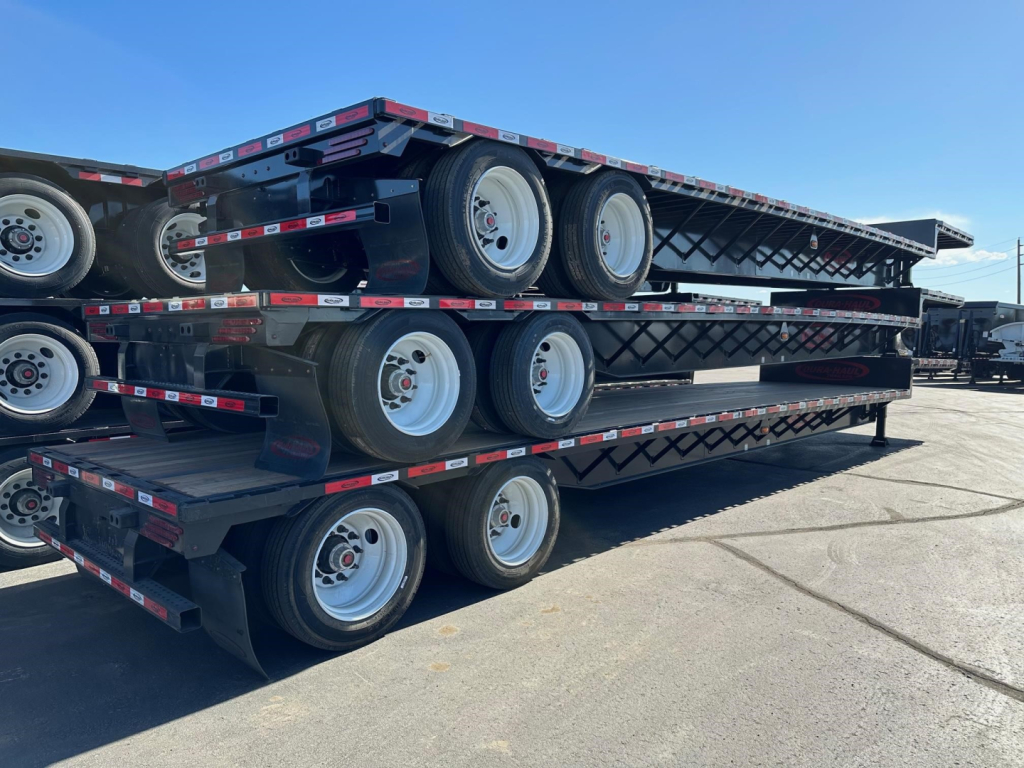
Common Dura Haul drop deck specs in this class include 48-foot and 53-foot overall lengths, 102-inch width, an upper deck around 10 feet 6 inches, and a lower deck ranging from roughly 37 feet 6 inches to 42 feet 6 inches depending on whether the trailer includes a beavertail and ramps. Apitong flooring is a popular choice because it holds up well under concentrated forklift traffic and point loading. Many buyers also look for 12-inch crossmember spacing, stake pockets, pipe spools, and sliding winches because securement layout matters just as much as raw capacity on a working step deck. On the running gear side, air ride suspension, heavy duty two-speed landing gear, 255/70R22.5 tires, and either closed tandem or spread axle setups are common. A 122-inch spread axle can improve weight distribution and stability, but buyers should confirm state bridge rules, turning space needs, and how often the trailer will run in tight jobsite conditions.
If the trailer will regularly haul forklifts, small construction machines, or wheeled equipment, a steel beavertail with flip ramps or flush-mount spring-assisted ramps can add real day-to-day value. That setup shortens loading time and reduces the need to source separate dock access or portable ramps. Buyers moving more traditional open-deck freight may prioritize a clean lower deck, more winch positions, and fewer rear loading components to maximize usable cargo area. Details like a manual dump valve, liquid-filled air gauge, LED lighting, steel wheels, and rear-side control placement are worth checking because they affect suspension management, pre-trip visibility, and long-term serviceability.
The strongest drop deck trailer choice is the one that matches freight profile, securement practices, and route conditions. A carrier hauling dimensional freight with tarps and chains has different needs than an operator moving compact equipment every day. For Dura Haul step deck buyers, the practical comparison points are lower deck length, ramp design, axle spread, suspension type, crossmember spacing, and deck material. Those specs tell you more about real-world usefulness than model naming alone, and they are the details that usually determine payload flexibility, loading speed, and resale appeal.
Frequently Asked Questions about 2026 Dura Haul Drop Deck Trailers
What is the difference between a drop deck trailer and a flatbed trailer?
A drop deck trailer, also called a step deck, has two deck heights: a raised front deck and a lower main deck. That lower deck allows taller freight to move while staying under legal overall height limits that would be difficult to meet on a standard flatbed. Buyers typically choose a drop deck when freight height is the limiting factor but they still want the loading access and tie-down flexibility of an open trailer.
What deck lengths are common on Dura Haul drop deck trailers?
Common lengths in this category include 48-foot and 53-foot trailers with an upper deck around 10 feet 6 inches and a lower deck that varies by configuration. A 48-foot unit often has about 37 feet 6 inches of lower deck, while a 53-foot unit with a beavertail and ramps may offer roughly 42 feet 6 inches of lower deck including the rear transition area. Buyers should compare usable lower deck space carefully if they haul long machinery, bundled materials, or freight that must sit entirely on the bottom deck.
Should I choose a spread axle or a closed tandem on a drop deck trailer?
A spread axle setup can improve weight distribution, ride stability, and bridge compliance in many hauling situations, especially when freight is positioned across a longer lower deck. A closed tandem can be easier to maneuver in tighter yards, urban deliveries, and confined jobsites. The best choice depends on where the trailer runs, how often axle weights become a constraint, and whether turning radius or deck loading flexibility matters more in daily service.
Why is Apitong decking common on step deck trailers?
Apitong is widely used because it is durable under repeated forklift traffic, resists wear well, and provides a proven balance of strength and service life for open-deck work. Buyers hauling machinery, steel, crated freight, or building materials often prefer it because deck condition affects cargo securement, loading confidence, and long-term maintenance cost. Deck material is not a minor detail on a drop deck because it directly impacts how the trailer holds up in real freight operations.
When are ramps and a beavertail worth having on a drop deck trailer?
Ramps and a beavertail are worth considering when the trailer will regularly load self-propelled or wheeled equipment such as skid steers, forklifts, compact tractors, or other jobsite machines. They reduce loading time and make the trailer more self-sufficient when dock access is not available. If the trailer will mainly haul palletized freight, steel, or other cargo loaded by forklift or crane, some buyers prefer a standard rear deck layout to preserve deck utility and reduce added rear hardware.