
New Dump Trailers For Sale
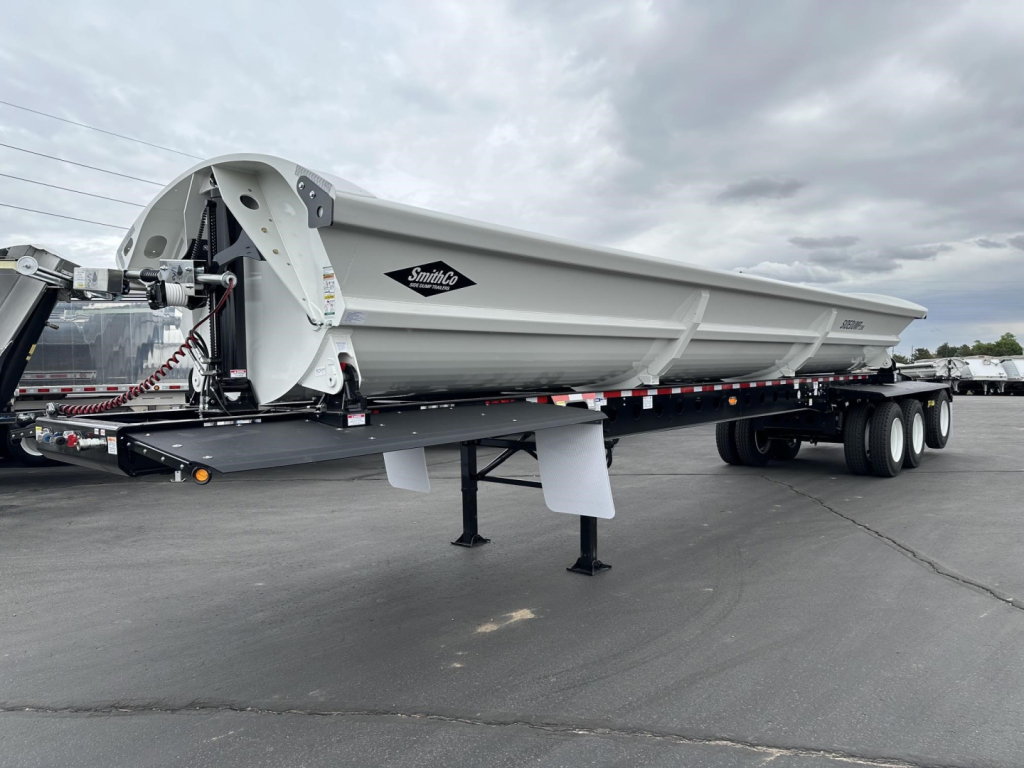
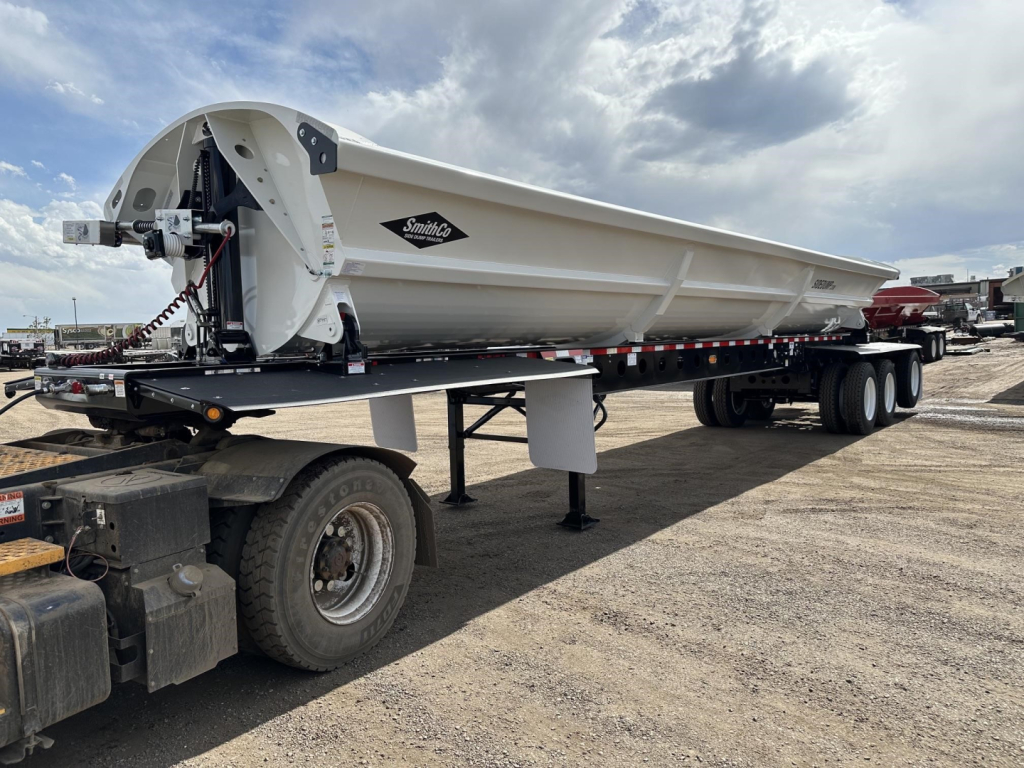
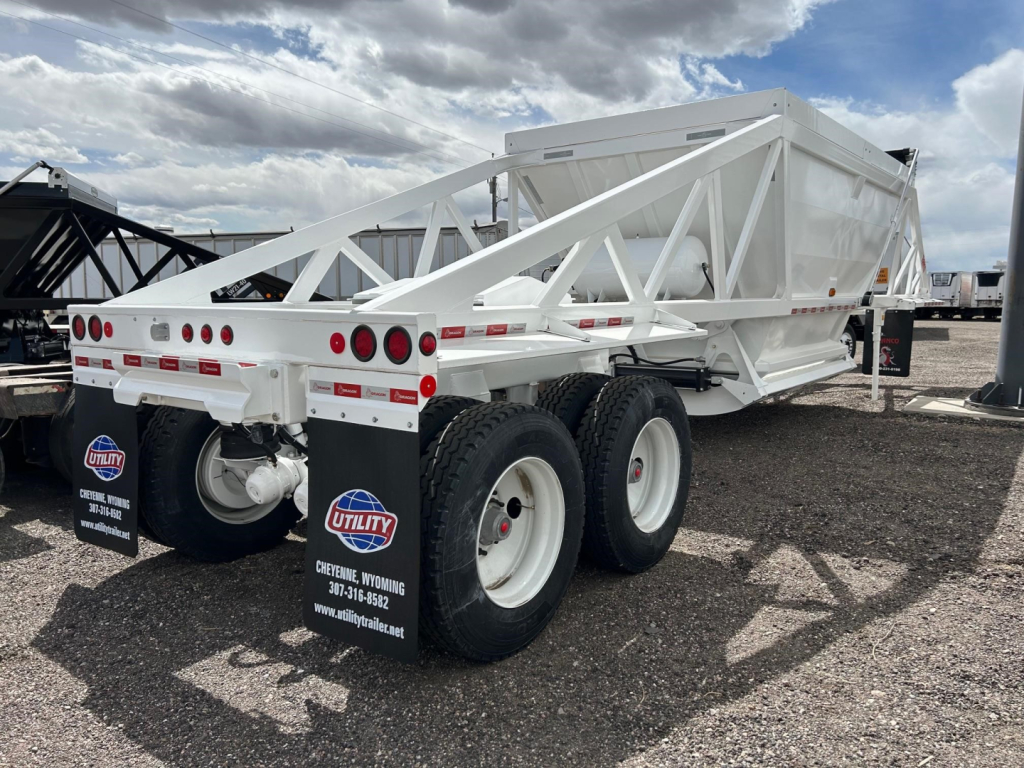
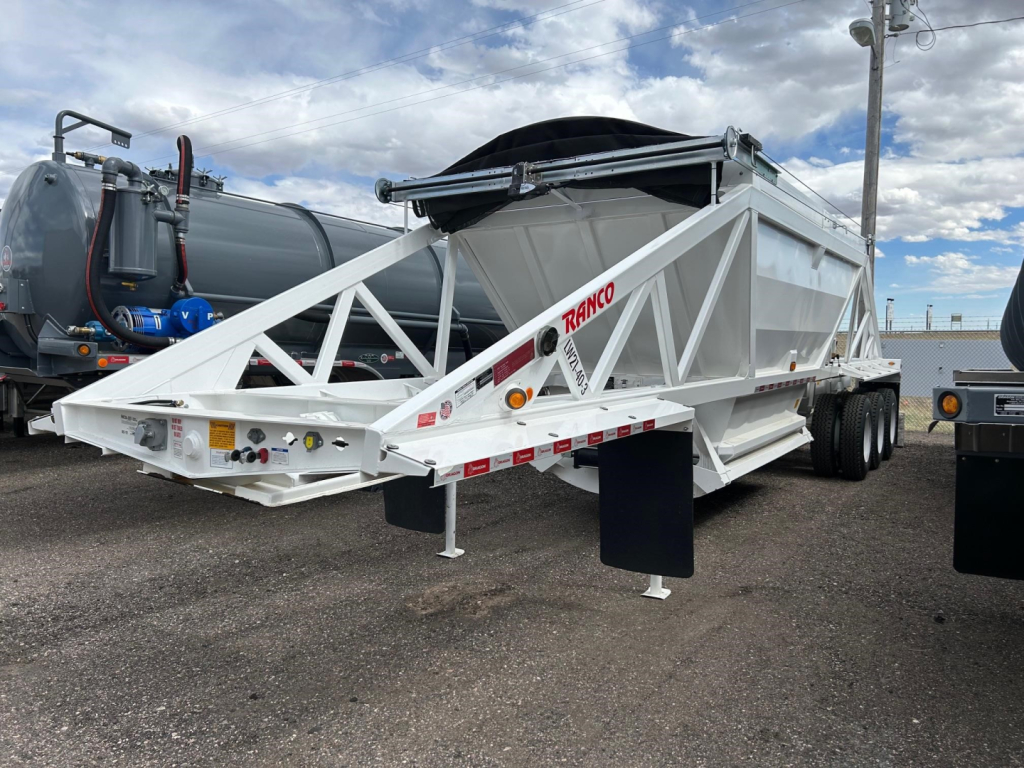
Compare new dump trailers for hauling aggregate, asphalt, grain, scrap, and demolition with options in end dump and bottom dump designs.
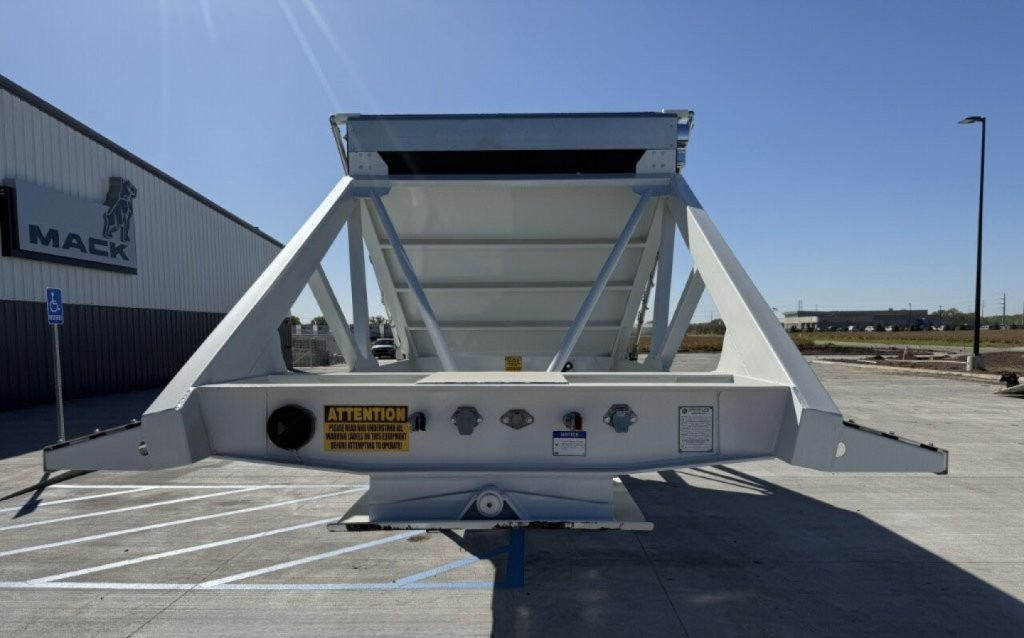
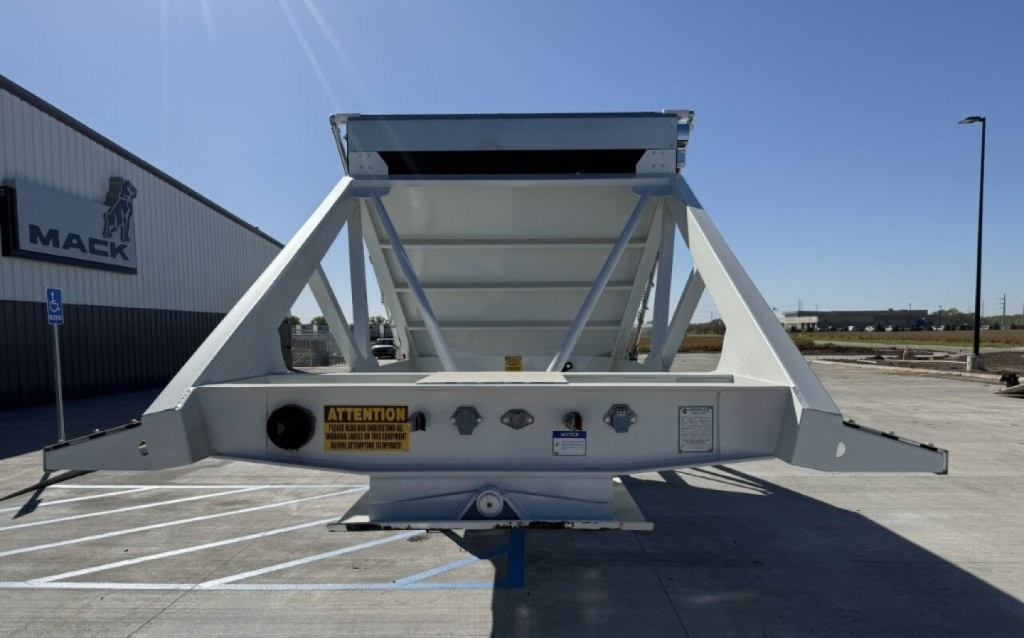
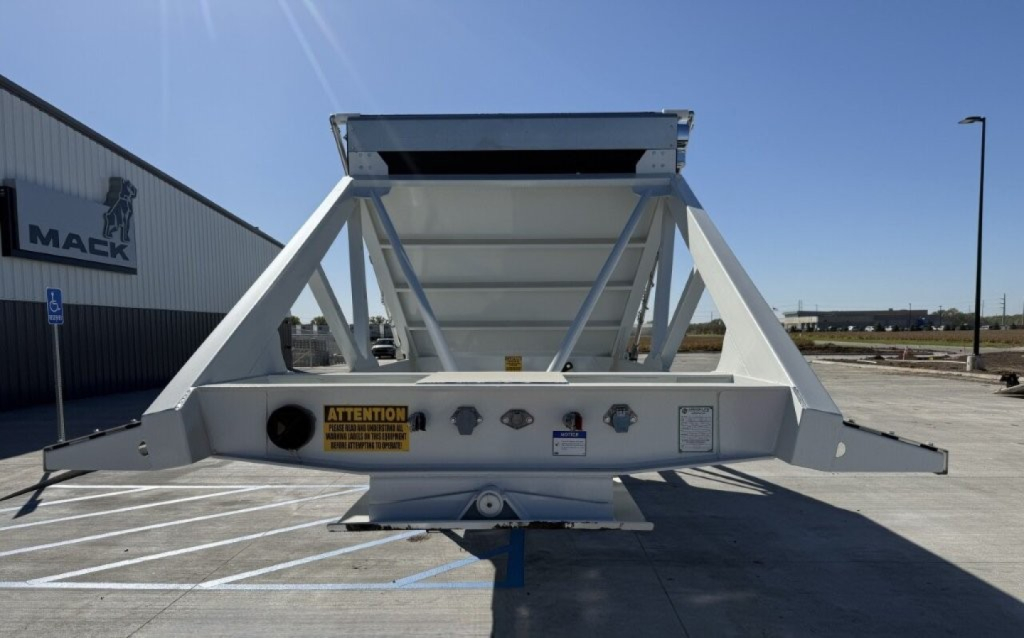
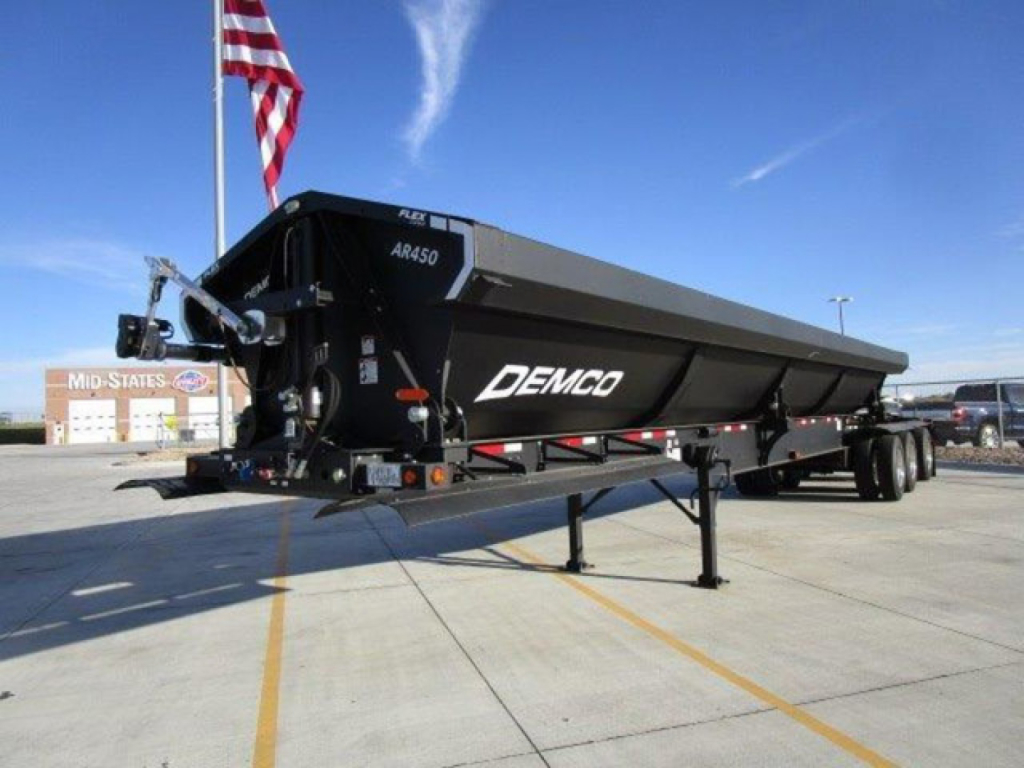
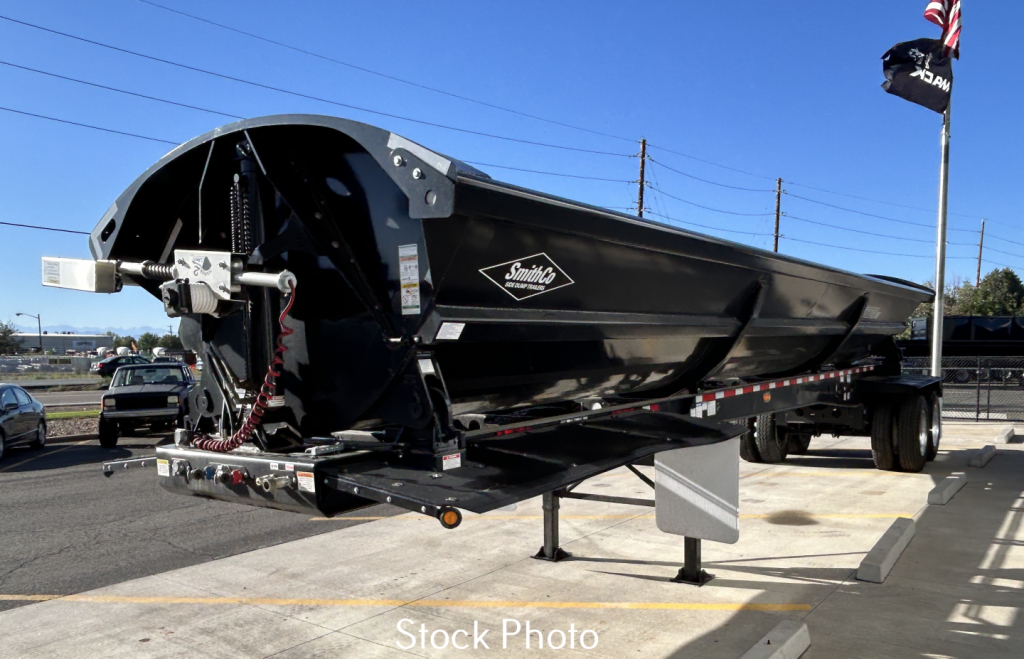
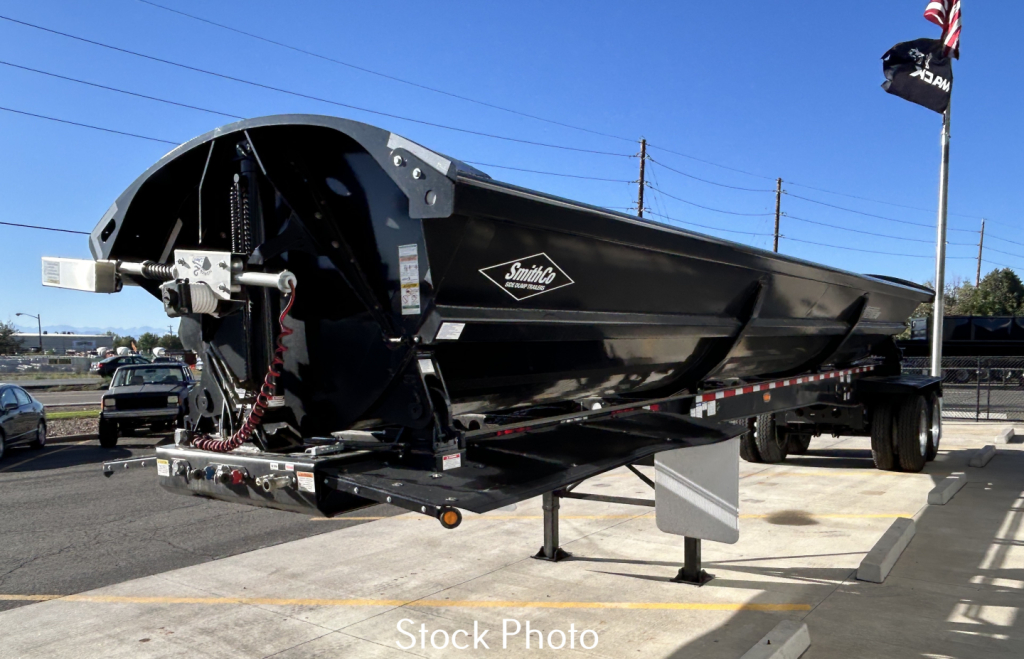
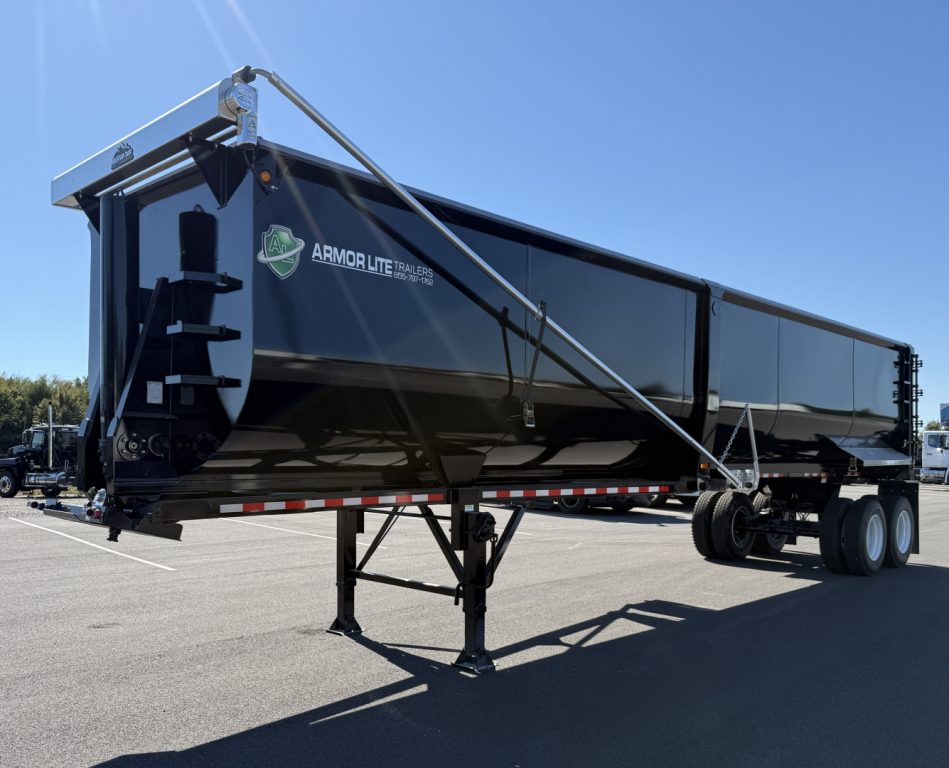
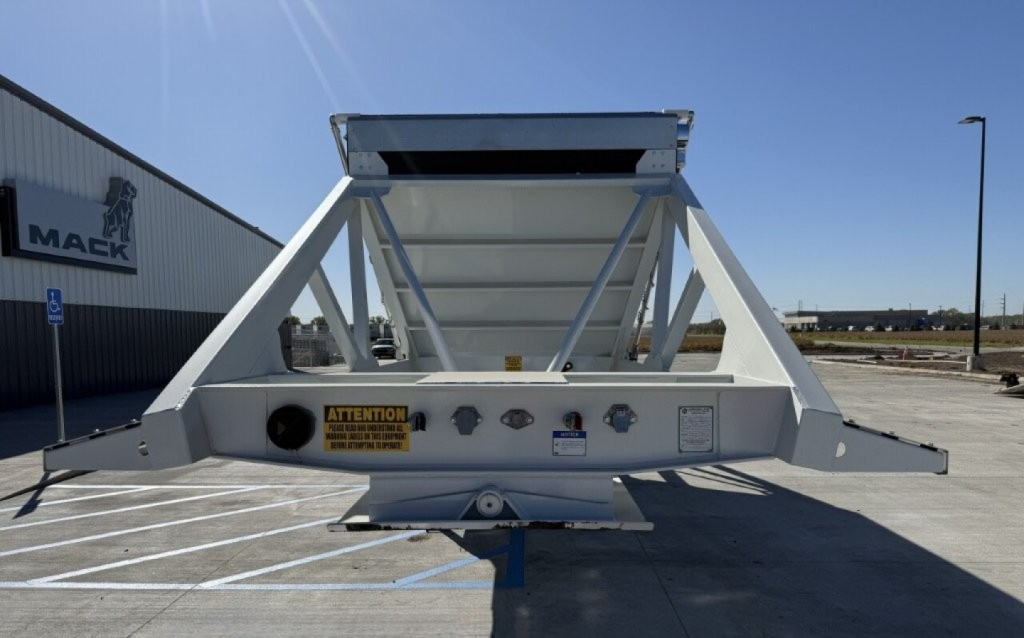
Showing 1 to 28 of 143 results
Looking for the easiest place to sell your new dump trailer? List it here to reach thousands of buyers.
New Dump Trailers
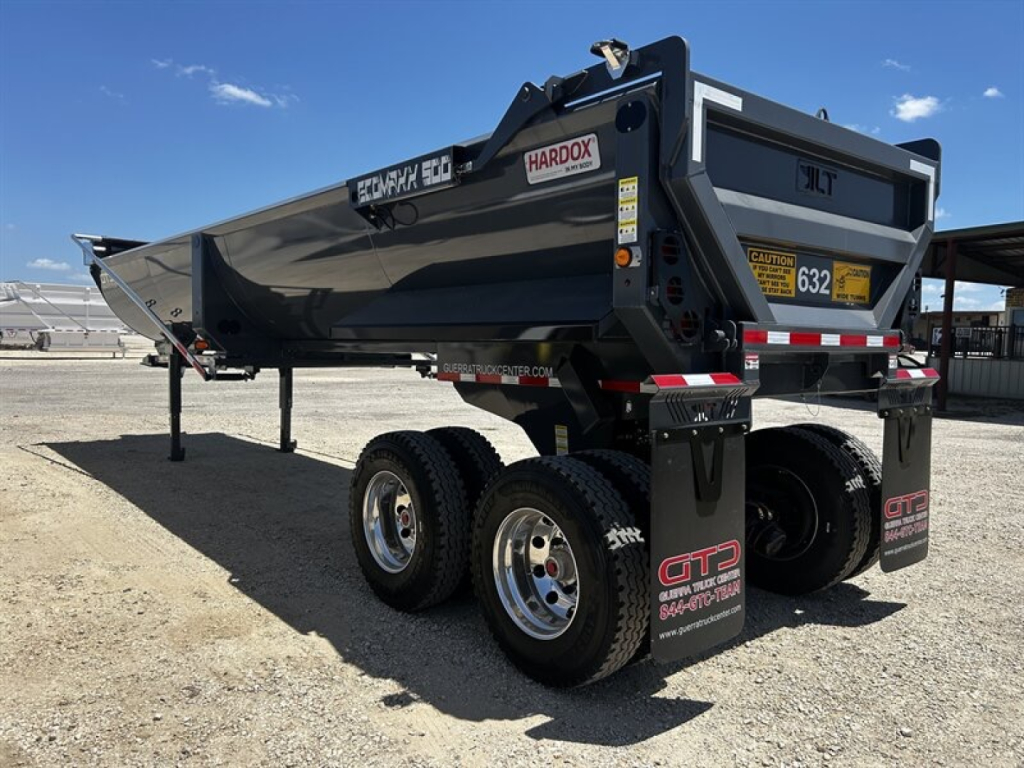
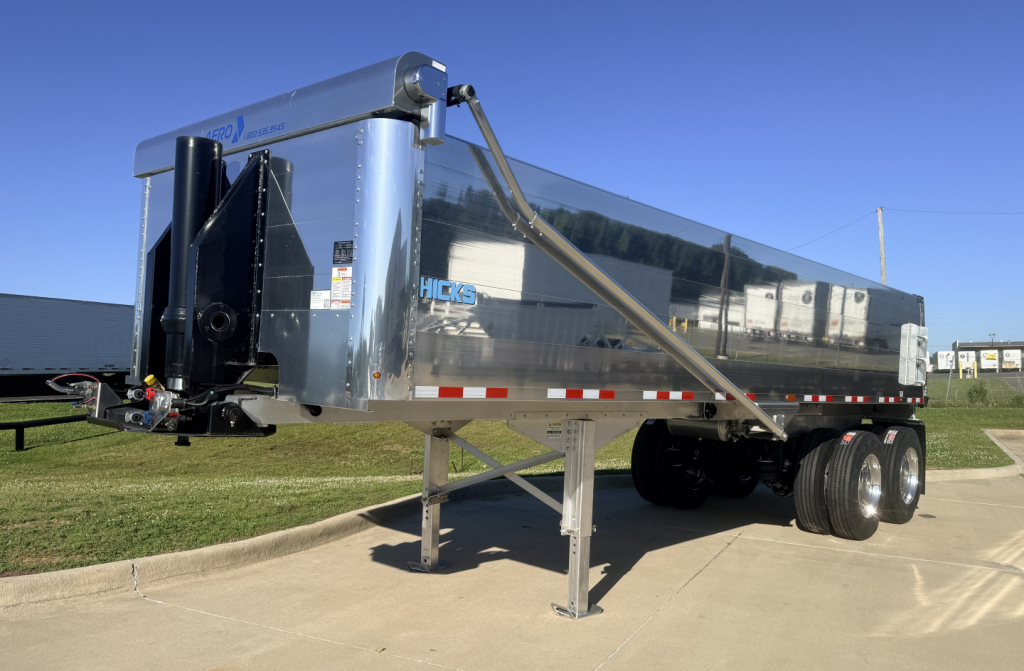
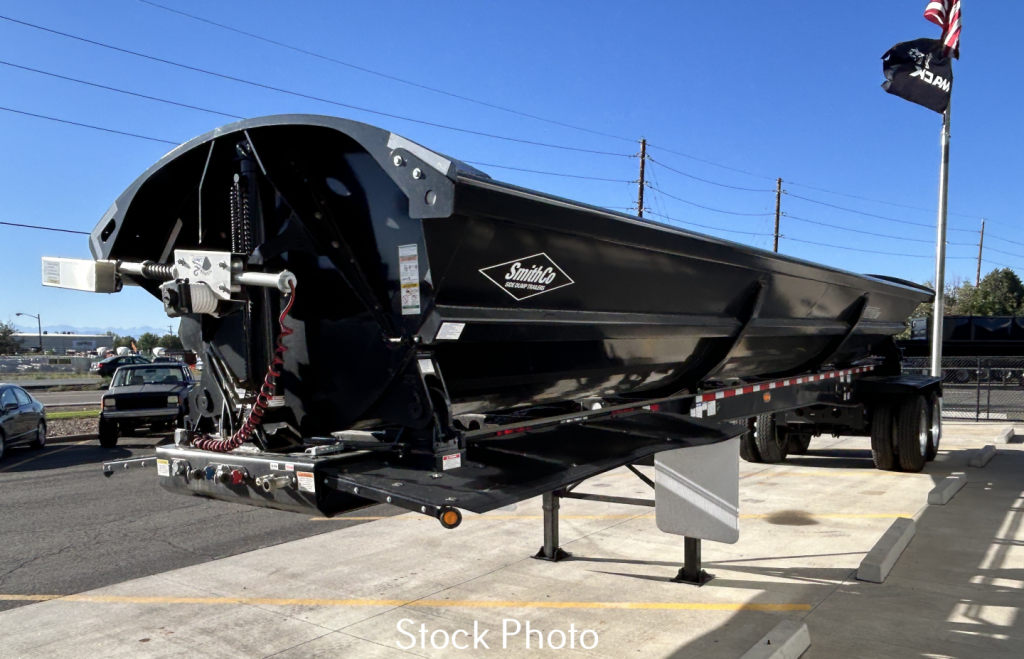
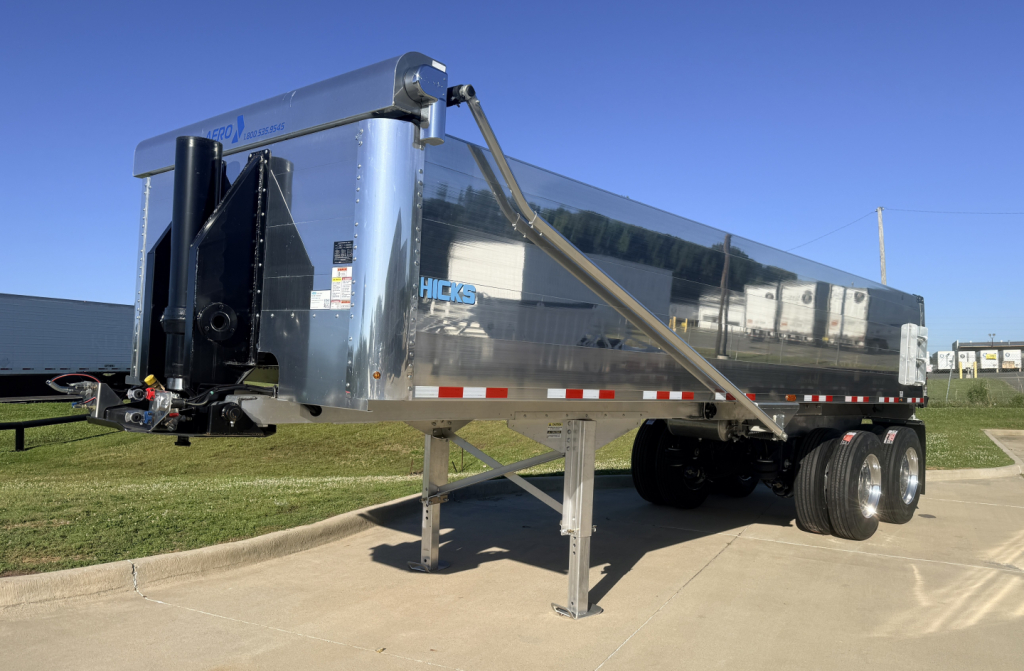
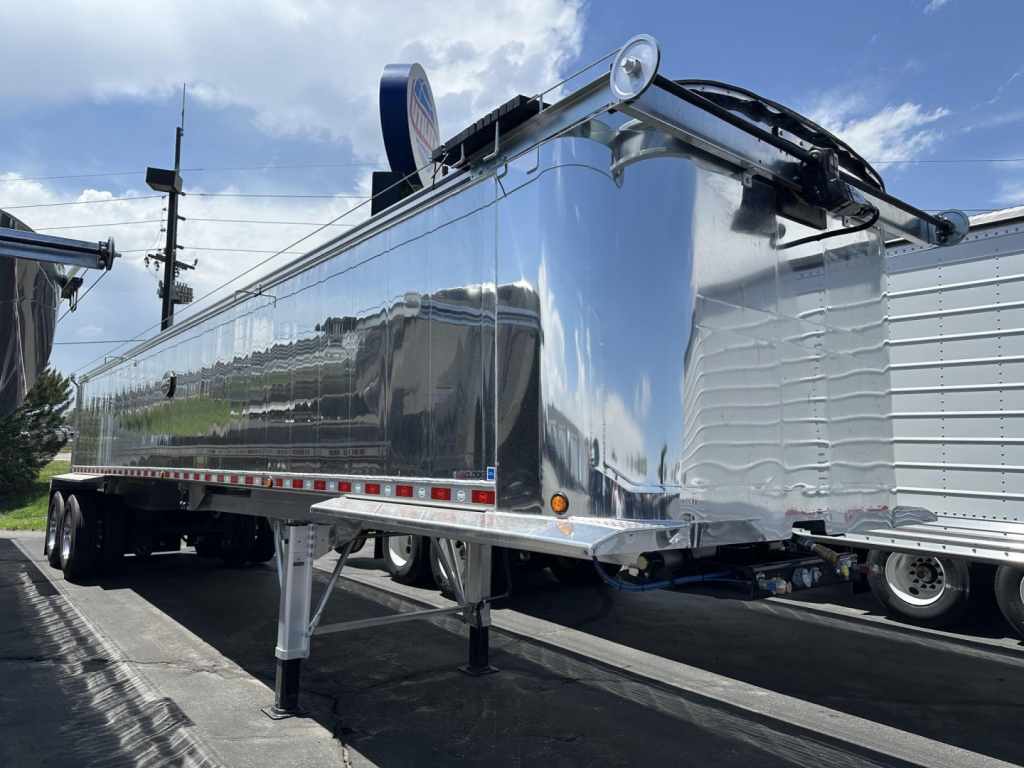
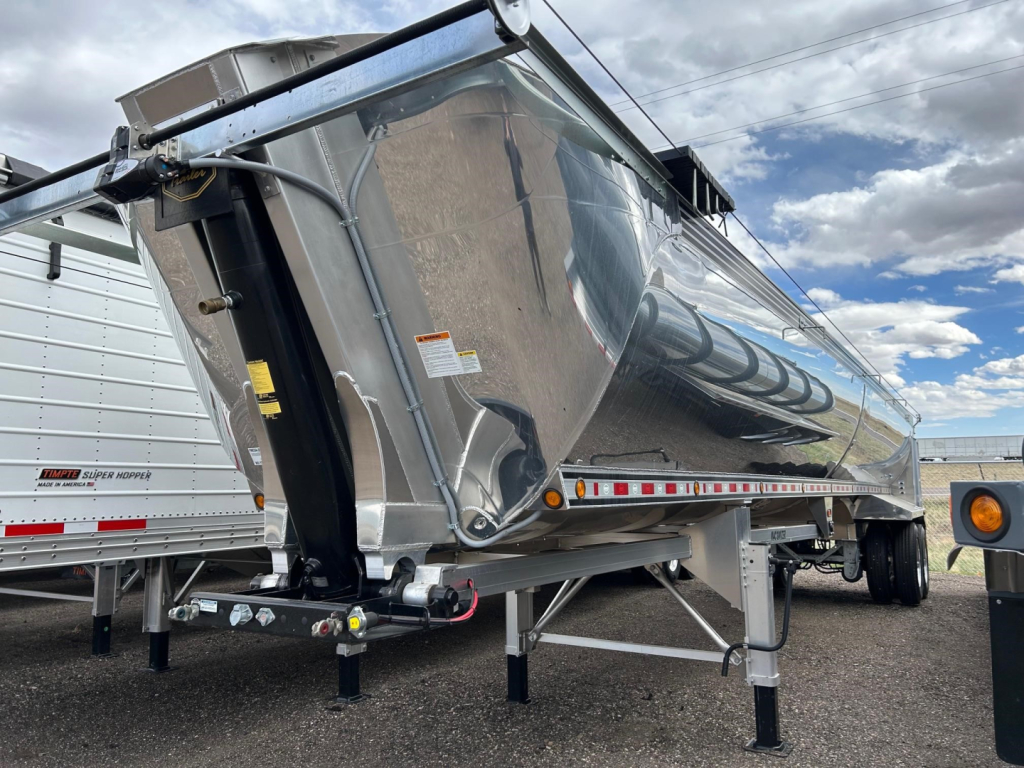
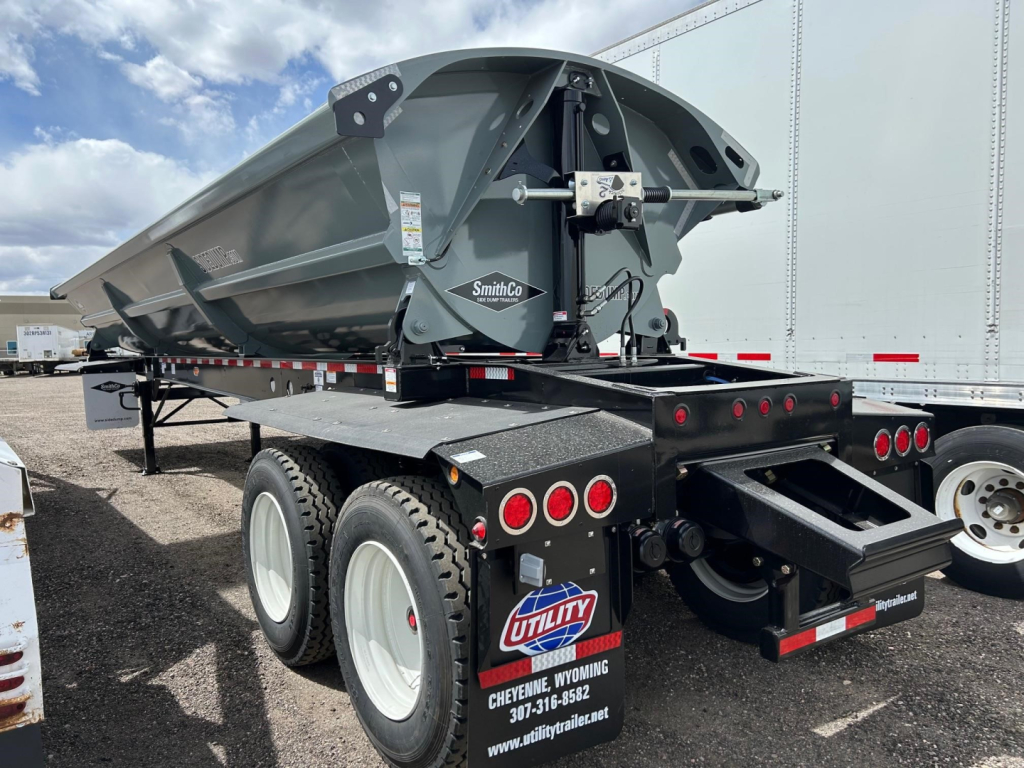
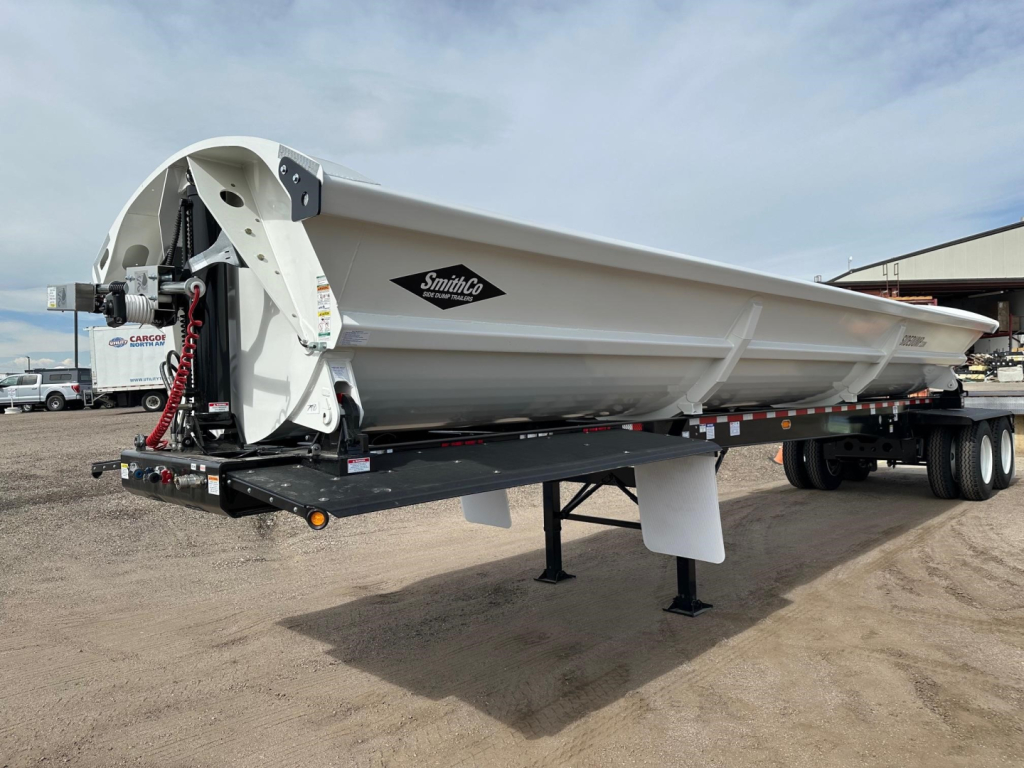
Aluminum end dumps are typically chosen when payload matters most. Half-round frameless designs are popular because they shed material cleanly and reduce carryback, especially in aggregate and quarry work. Steel dump trailers, including AR or AR450-style tubs, are better suited for abrasive rock, scrap, demolition, and other high-impact applications where durability matters more than tare weight. Common lengths run from about 35 to 42 feet, with tandem axle configurations, air ride or single-point suspensions, 11R24.5 tires, and either steel or aluminum wheels. High-side bodies and high-cube tubs push volume for lighter material, while lower-profile bodies are often preferred for dense material to stay legal on gross weight.
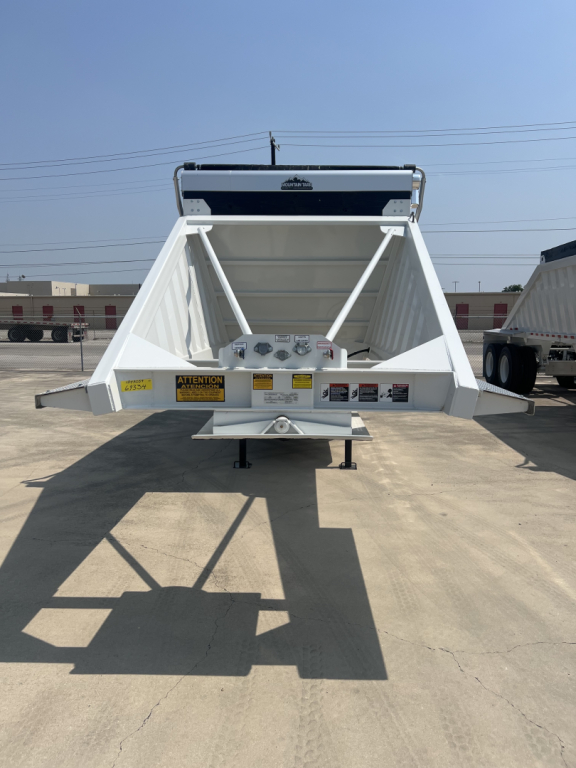
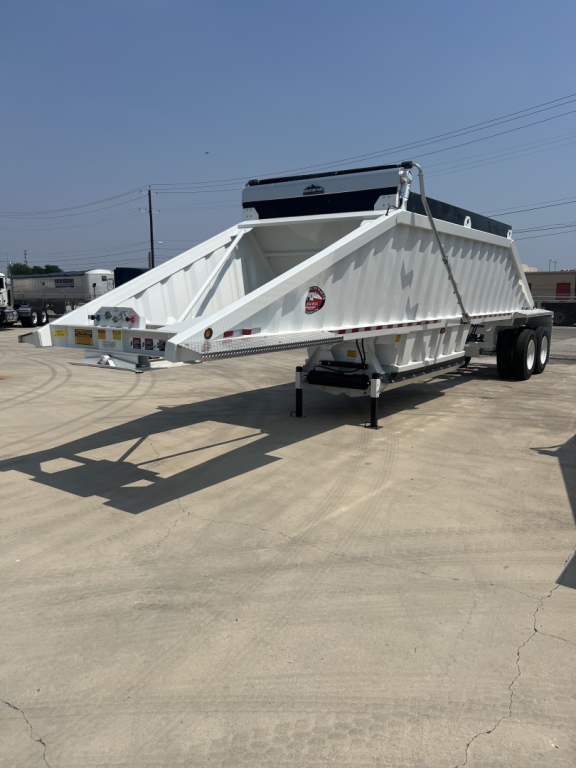
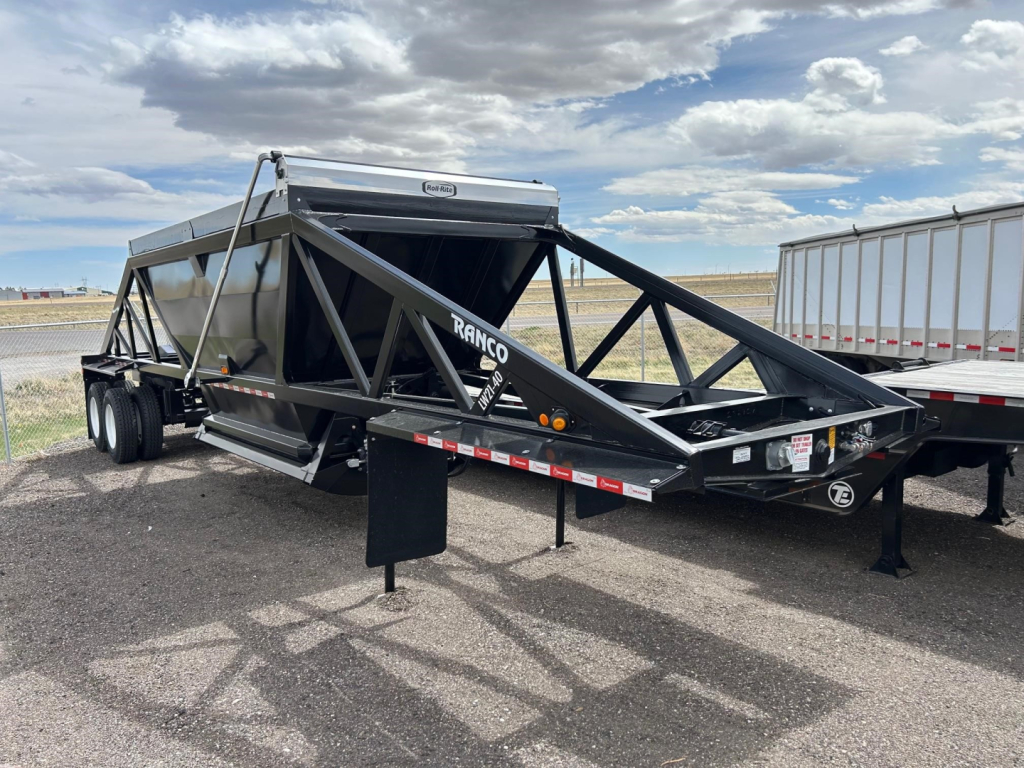
Gate configuration is a major buying point on a dump trailer. Top-hinge gates are common on end dumps handling aggregate and general construction material, while barn door or side-swing gates show up more often on scrap and demolition trailers where larger, irregular material needs a wide opening. Bottom dumps use hopper gates with pin settings, gate limiters, and sometimes infinite gate control for more precise spread patterns. Tarp systems also matter. Electric tarps are now common on new units and reduce loading delays, while options like liners, windrow deflectors, ladders, push blocks, fenders, and quick-release valves can make a real difference in daily use and jobsite safety.
A good new dump trailer spec matches the commodity first, then the route, then the tractor. Dense aggregate calls for a different trailer than municipal scrap or high-volume demolition. Pay attention to side height, cubic yard rating, frame type, suspension, kingpin setting, and overall empty weight. If the work includes uneven dumpsites or soft ground, trailer stability and suspension choice become especially important. The best new dump trailers are not just built for capacity on paper. They are built to unload cleanly, hold up under repeated cycles, and stay productive with the material you haul most often.
Frequently Asked Questions about New Dump Trailers
What is the difference between an end dump trailer and a bottom dump trailer?
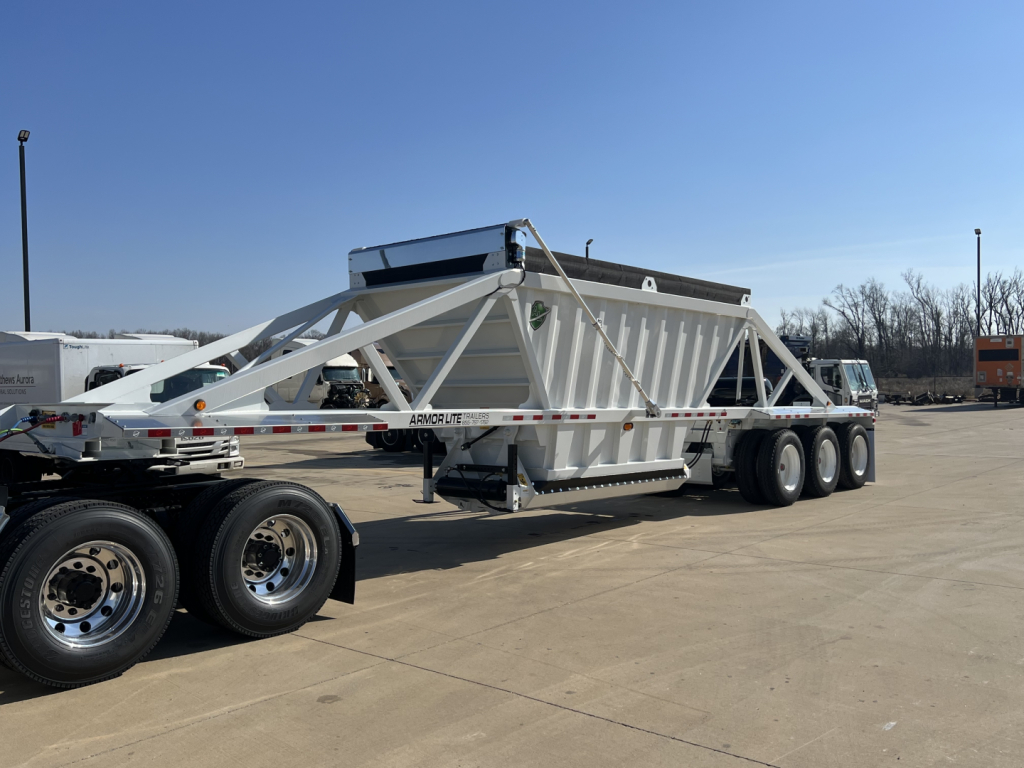
An end dump trailer raises the tub and discharges material out the rear, making it a strong choice for aggregate, dirt, demolition debris, and scrap. A bottom dump trailer releases material through hopper gates underneath the body, which allows controlled spreading while the trailer is moving. End dumps are more versatile across mixed jobsite work, while bottom dumps are often preferred for road construction, base material, and applications where an even discharge pattern matters.
Is an aluminum dump trailer better than a steel dump trailer?
Aluminum dump trailers generally offer lower tare weight, which can improve legal payload for aggregate, grain, and other bulk commodities. Steel dump trailers are usually heavier but hold up better in severe service, including sharp rock, demolition debris, and scrap. The better choice depends on the material hauled, not just the empty weight. If the commodity is abrasive or high-impact, steel often pays off in service life. If payload is the main priority and the material is less punishing, aluminum is commonly the better fit.
What suspension is most common on new dump trailers?
Air ride is one of the most common suspension choices on new dump trailers because it can improve ride quality, protect the trailer structure, and help reduce shock to the load and chassis. Single-point suspensions are also common in dump applications and are valued for durability and simplicity in rough service. The right suspension depends on terrain, commodity, maintenance preference, and how much on-road versus off-road work the trailer sees.
How do I choose the right cubic yard capacity for a dump trailer?
Cubic yard capacity should be matched to the material's density and your target legal gross weight. High-cube trailers work well for lighter materials such as scrap, mulch, or some demolition loads, while lower-volume bodies are often better for dense aggregate, sand, and rock. Buying too much volume for a heavy commodity can leave you weight-limited before the body is full. Buyers should compare body length, side height, tub shape, and material density together rather than shopping by cubic yards alone.
What options are worth paying attention to on a new dump trailer?
The most important options depend on the application, but buyers commonly focus on tarp systems, gate style, liners, suspension type, wheel material, push blocks, ladders, fenders, and tire size. A liner can improve cleanout with sticky material. A top-hinge or barn door gate can change how easily certain commodities unload. Electric tarps save time and improve compliance. For bottom dumps, gate control and limiters are especially important because they affect spread accuracy and material flow.