
New Dump Trailers For Sale in Louisiana
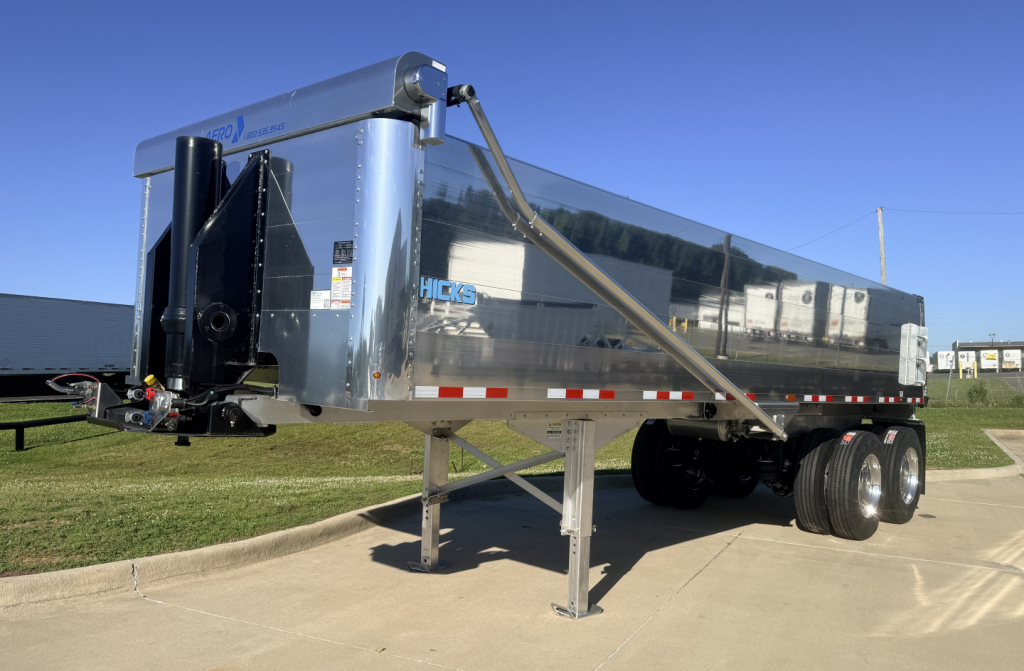
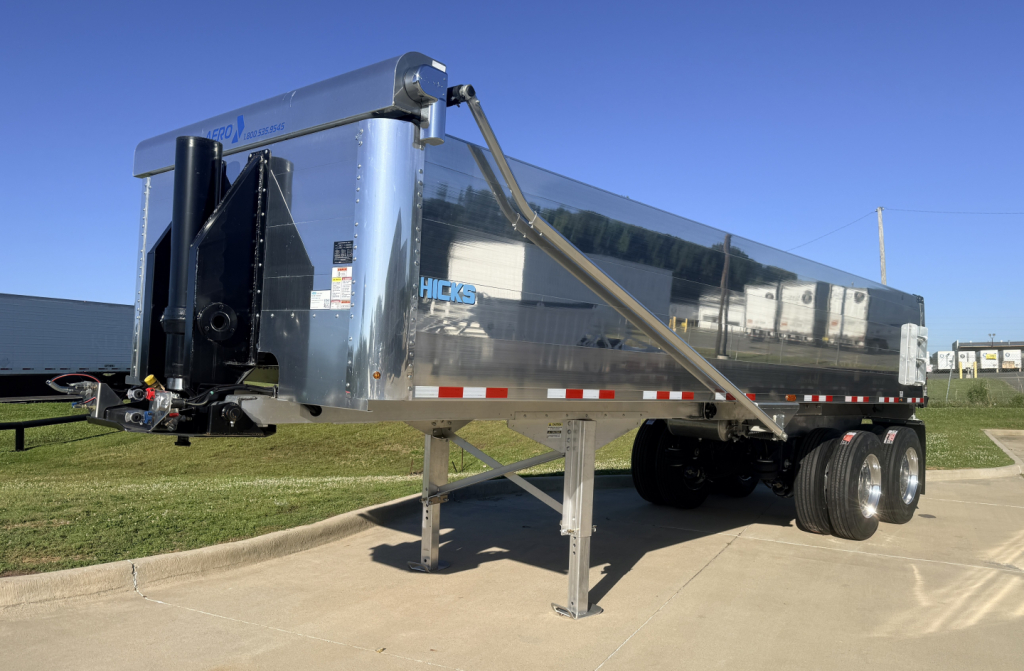
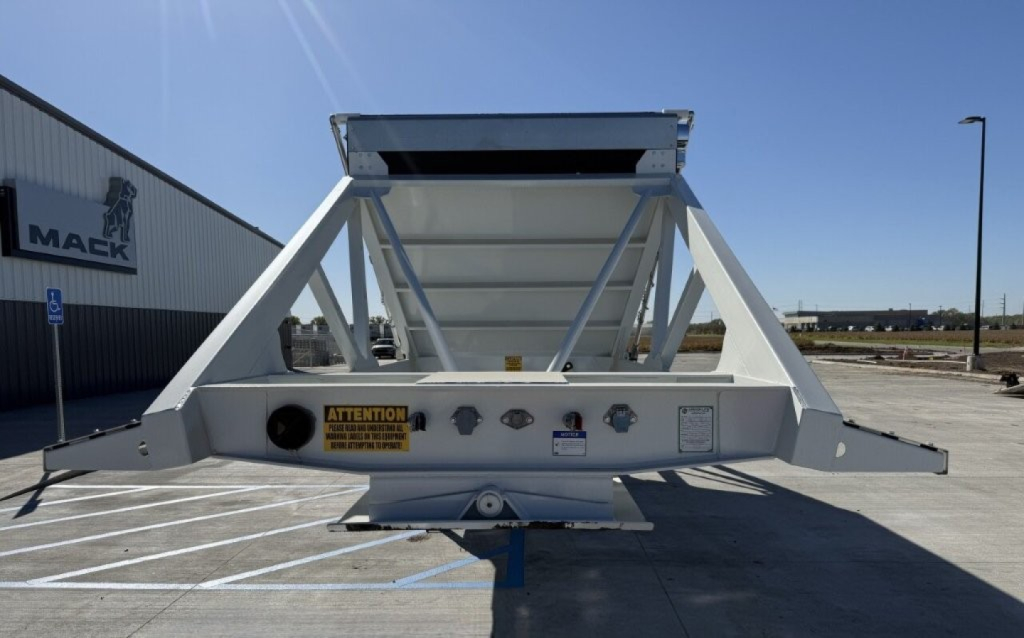
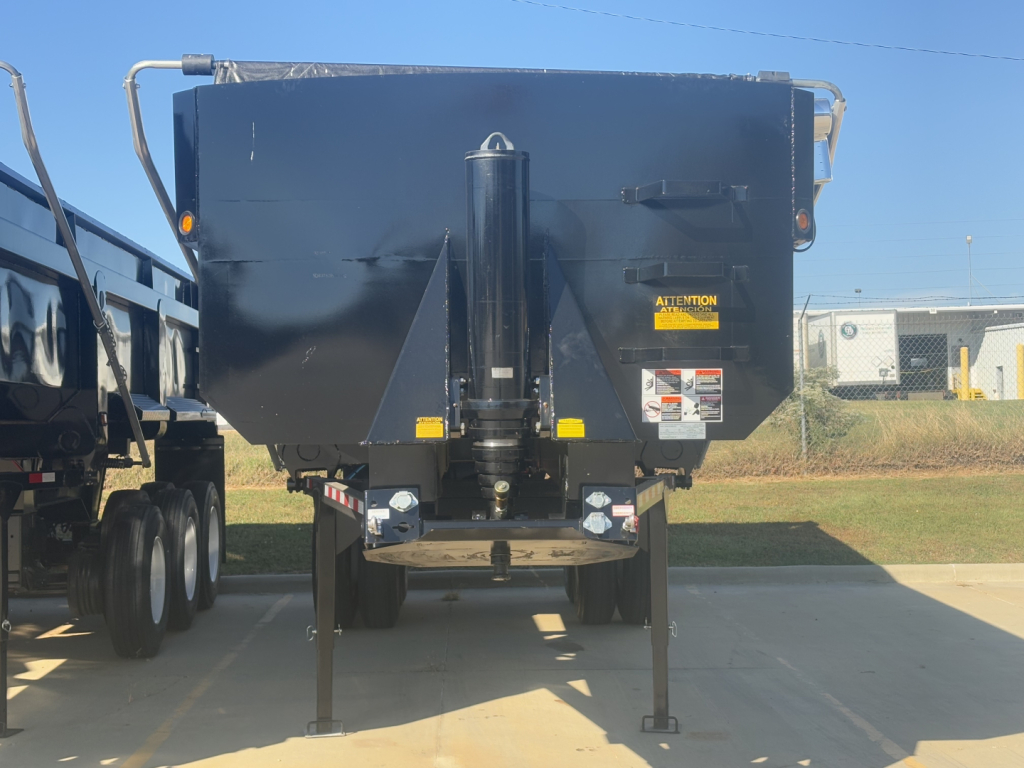
New dump trailers for sale in Louisiana, including frameless and frame-type end dumps with aluminum and steel body options.
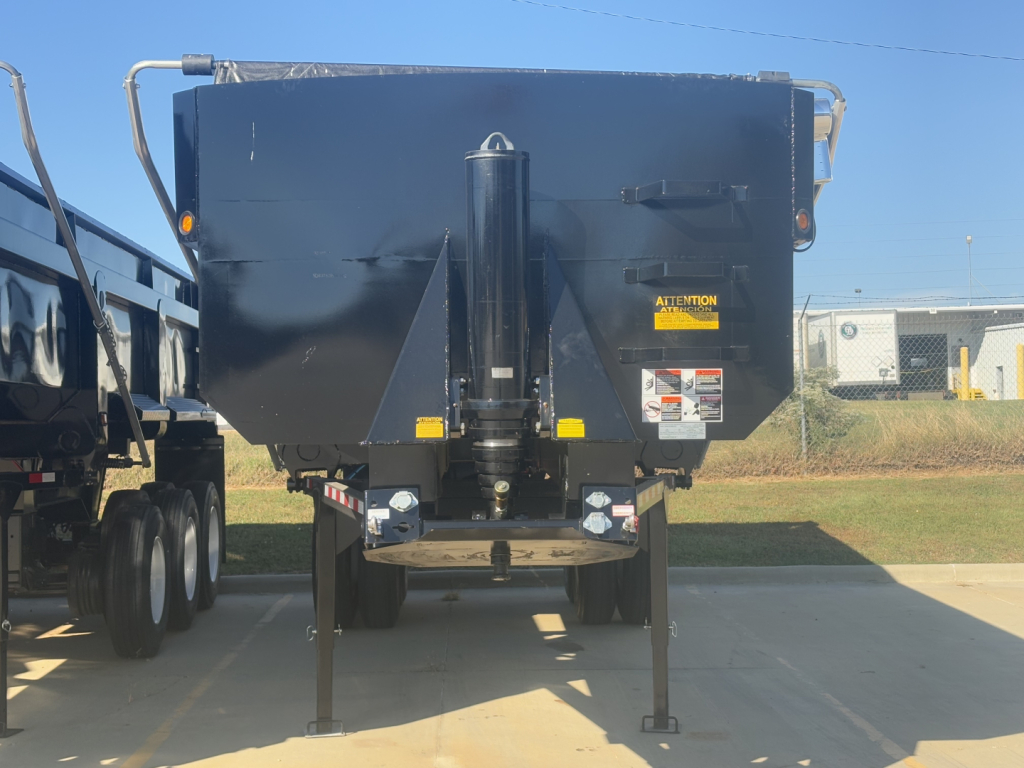
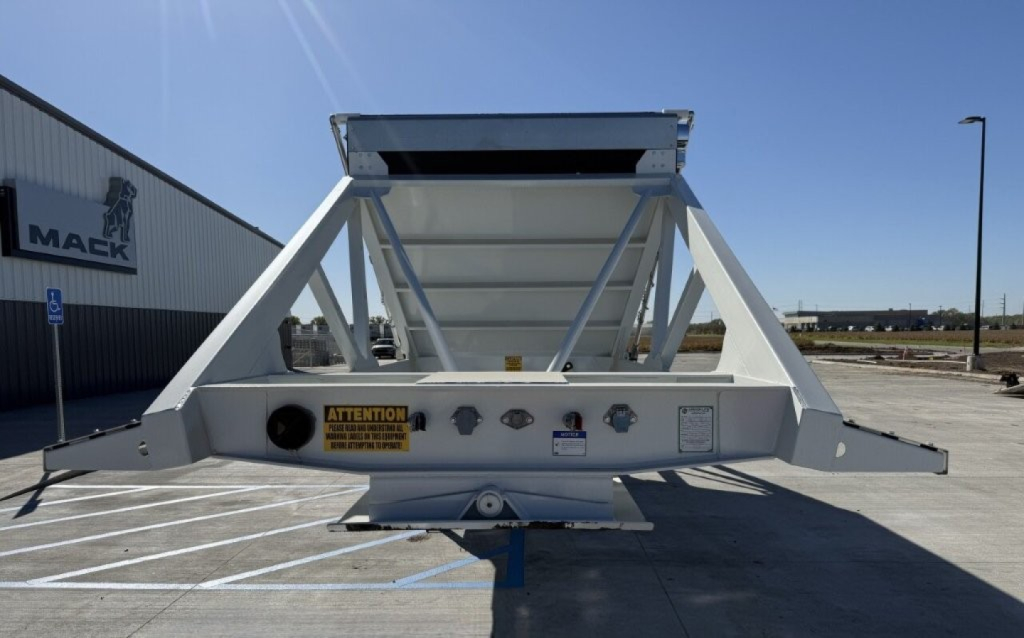
Have new dump trailer to sell? List it here to reach thousands of buyers.
New Dump Trailers in Louisiana
For Louisiana operations, corrosion resistance and weight management are major buying factors. Aluminum dump trailers are widely used because they help keep empty weight down and hold up well in humid, wet environments. Steel or Hardox-type tubs are often chosen for abrasive loads, demolition debris, riprap, or chunk material that can punish a lighter body. Buyers should look closely at floor thickness, sidewall construction, top rail design, crossmember layout, and whether the trailer uses a smooth wall, ribbed wall, or self-shedding top rail configuration. Features like liners, windrow deflectors, high-lift gates, and chip or chunk resistant tires can make a real difference in day-to-day production and maintenance costs.
Suspension choice matters because it affects both ride quality and operating cost. Spring ride remains common for simplicity and lower upfront cost, while air ride is often preferred for improved load protection, driver comfort, and flexibility on mixed routes. Some new dump trailers include lift axles or auto-sensing front axle lift systems to reduce tire scrub and improve maneuverability when running empty or lightly loaded. Tire size, wheel material, kingpin setting, and overall axle spread should match the tractor and the routes the trailer will run. Buyers hauling in and out of soft pits, uneven jobsites, or paved plant environments should also pay attention to hoist geometry, center of gravity, and the trailer's resistance to sway during the dump cycle.
Most new dump trailers are also equipped for faster, cleaner unloading with electric flip tarps, single-point suspension setups, gate control circuits, and quick-release air valves. For high-cycle work, details such as gate style, rear hinge design, push block configuration, fenders, and 6-way wiring for gate operation can improve uptime and reduce driver frustration. The best trailer spec is the one that matches the material stream and the roads it sees every week. A lightweight aluminum frameless end dump can be ideal for maximizing legal payload, while a heavier-duty steel tub or reinforced frame trailer may be the smarter long-term choice for punishing loads and rougher service.
Frequently Asked Questions about New Dump Trailers in Louisiana
What is the difference between a frameless dump trailer and a frame-type dump trailer?
A frameless dump trailer uses the body itself as a structural component, which reduces tare weight and usually increases legal payload. That makes frameless end dumps a strong choice for aggregate, sand, and other bulk materials where weight matters. A frame-type dump trailer adds a full supporting frame under the body, which can improve rigidity and durability in severe applications, but it usually weighs more. The right choice depends on your material, route conditions, and how often the trailer will be exposed to rough jobsite loading or uneven dumping surfaces.
Is an aluminum dump trailer better than a steel dump trailer?
Aluminum dump trailers are generally better when payload, corrosion resistance, and lower empty weight are the priority. They are common in regions with humidity and frequent exposure to moisture because they resist rust well and can help improve net revenue per load. Steel dump trailers, or trailers with abrasion-resistant steel tubs, are often the better option for demolition debris, riprap, chunk rock, and other high-impact materials that wear floors and sidewalls faster. The better material is the one that matches the cargo and the abuse level of the operation.
What size dump trailer is most common for aggregate hauling?
Common end dump trailer lengths include 28-foot and 40-foot configurations, with cubic yard capacity often in the 23 to 24 yard range depending on side height and body shape. Shorter trailers can be easier to maneuver and may suit heavier materials where cubic capacity is less important than legal axle weight. Longer trailers are often chosen when the operation needs more volume for lighter bulk commodities. Capacity should always be evaluated alongside empty weight, axle ratings, and the tractor spec pulling the trailer.
Should I choose spring ride or air ride on a new dump trailer?
Spring ride is widely used because it is straightforward, durable, and typically less expensive to purchase and maintain. Air ride can provide a smoother ride, better load protection, and improved handling on mixed pavement conditions, which many fleets prefer for higher-mileage use. In dump applications, the decision often comes down to terrain, maintenance philosophy, and driver preference. Air ride may also be paired with lift axle features that help reduce tire wear and improve maneuverability when empty.
What options matter most on a new dump trailer?
The most important options are usually tied to safety, uptime, and the material being hauled. Buyers should pay close attention to tarp systems, gate design, floor and wall thickness, liner availability, suspension type, tire package, hoist setup, and controls for gate operation. Features like high-lift gates, self-shedding top rails, windrow deflectors, quick-release valves, and auto-lift axle systems can improve efficiency in daily use. Small spec decisions often have a large effect on payload, cleanup time, tire wear, and dump stability over the life of the trailer.