
New Dump Trailers For Sale in Colorado
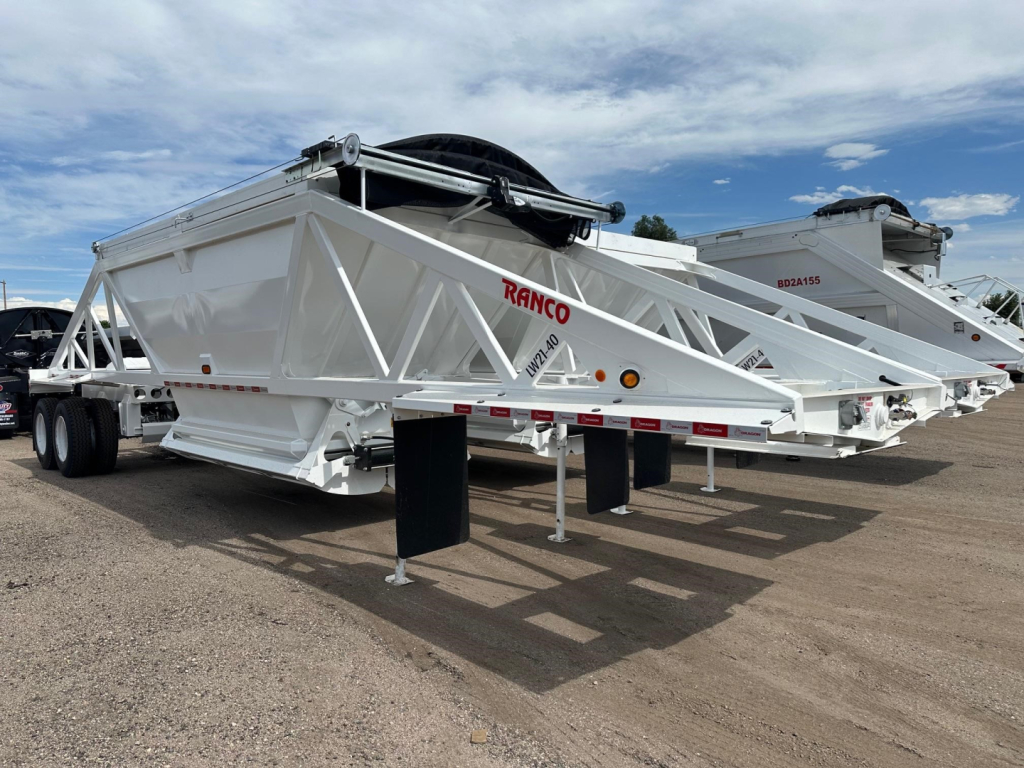
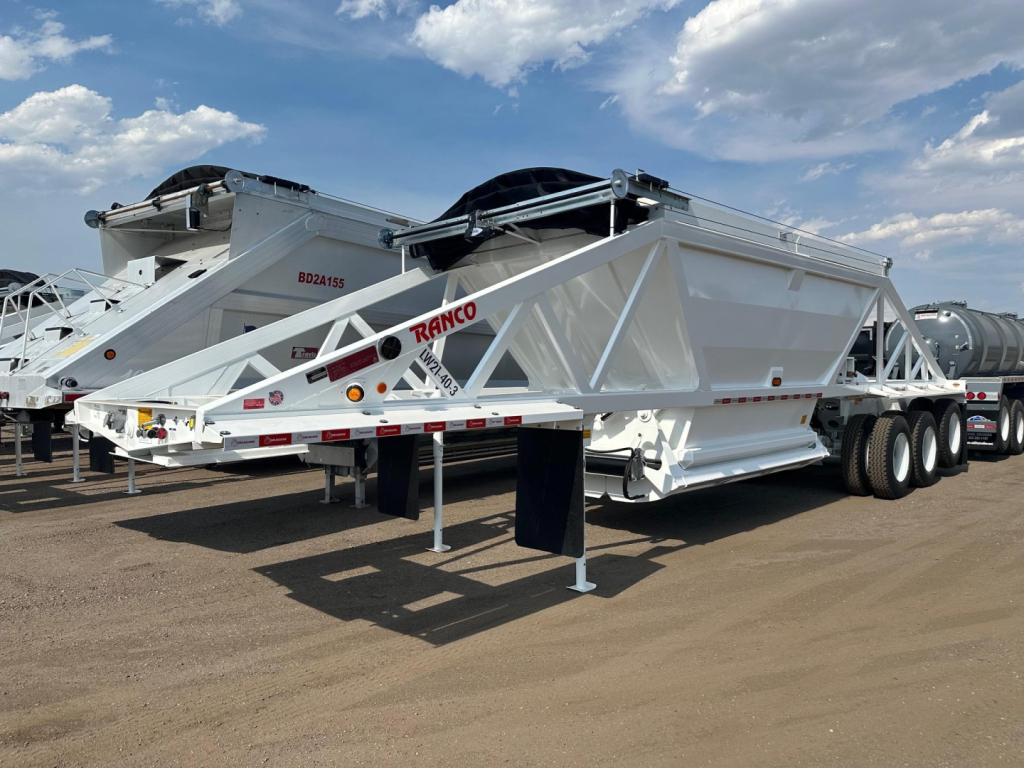
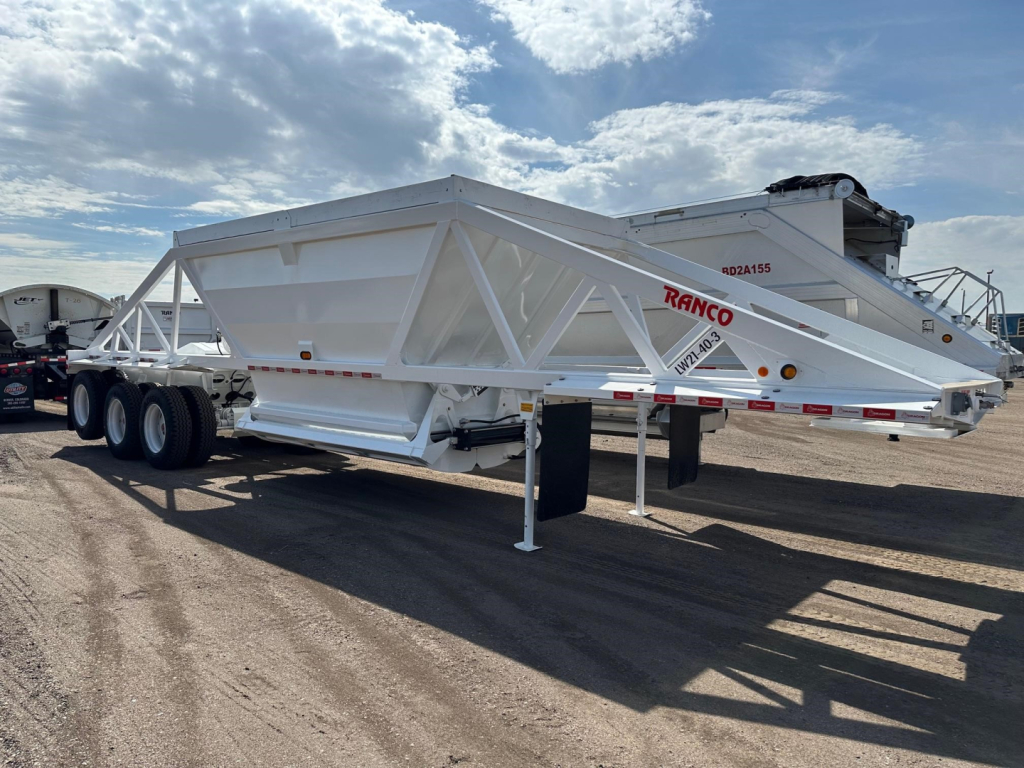
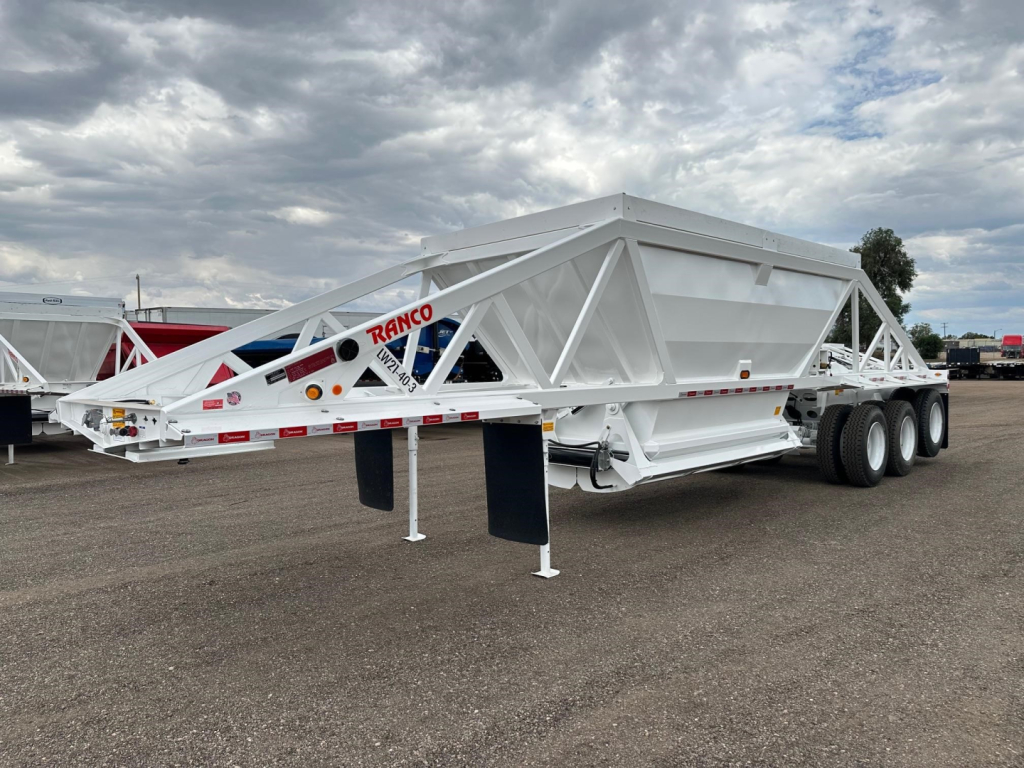
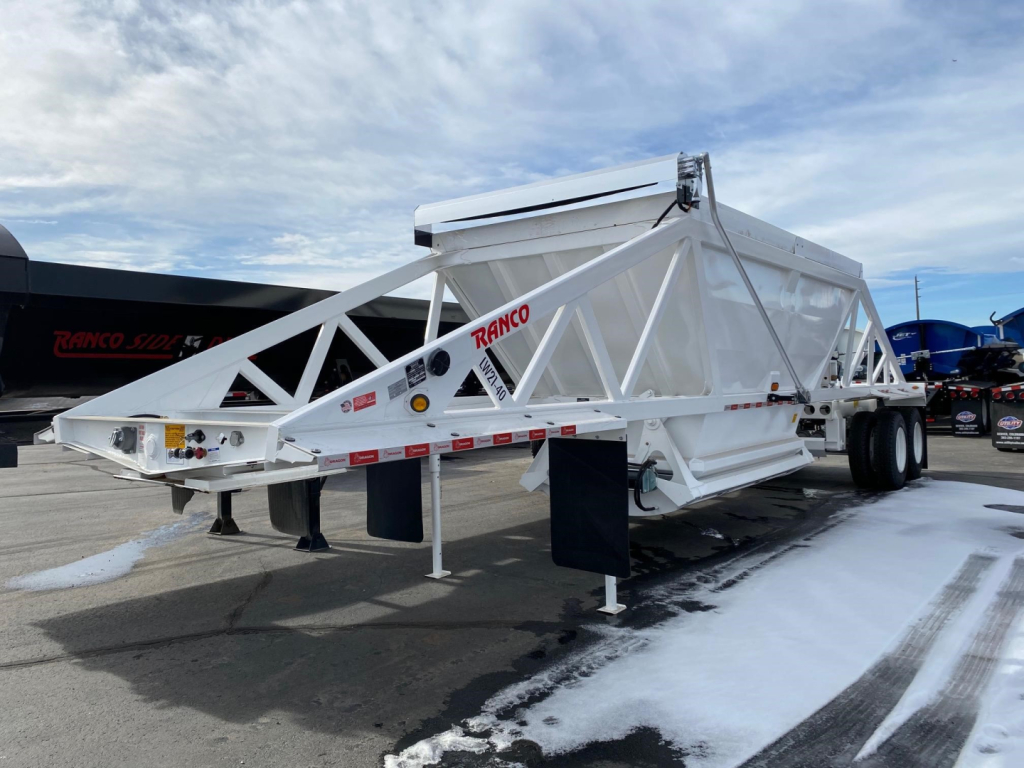
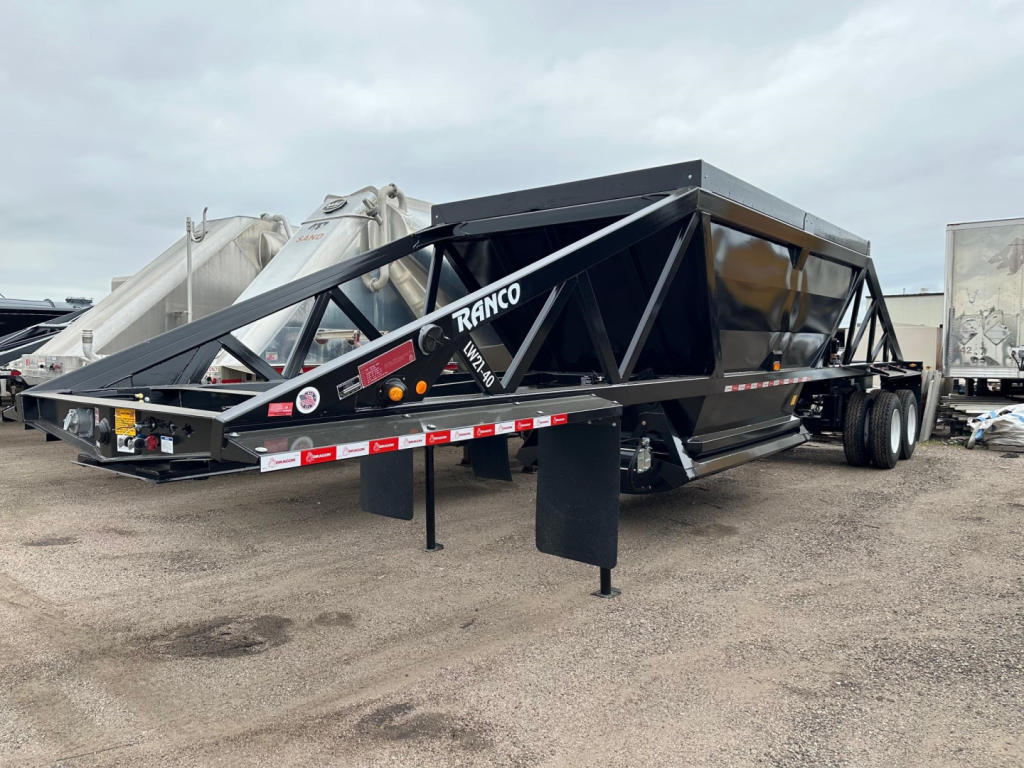
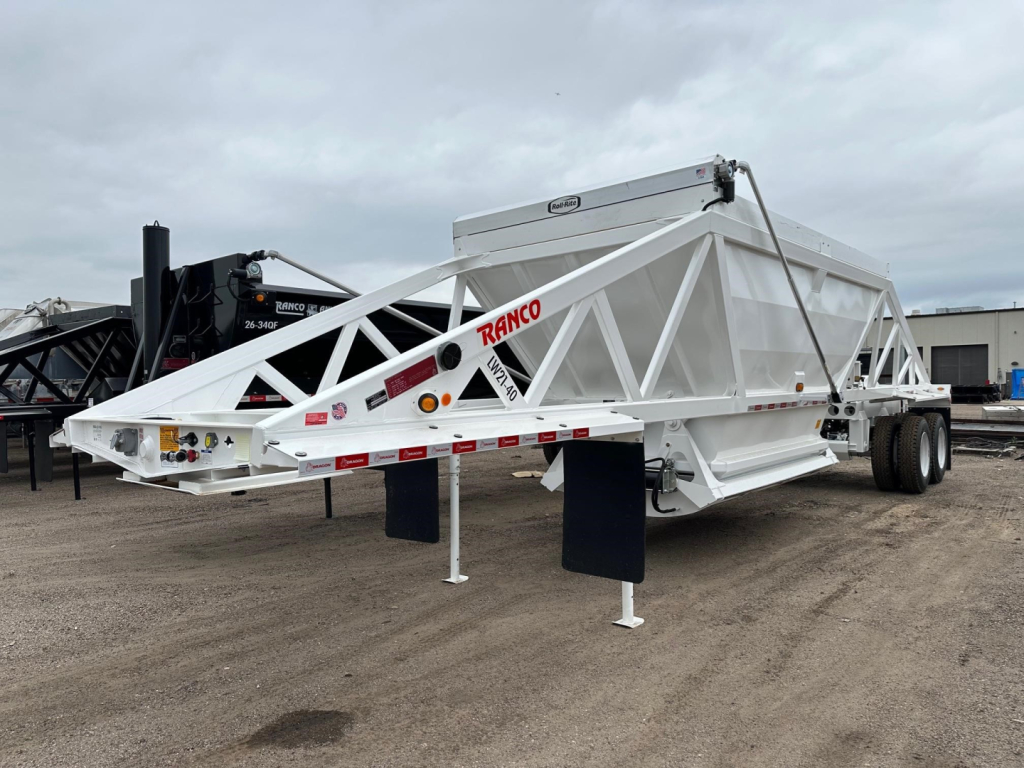
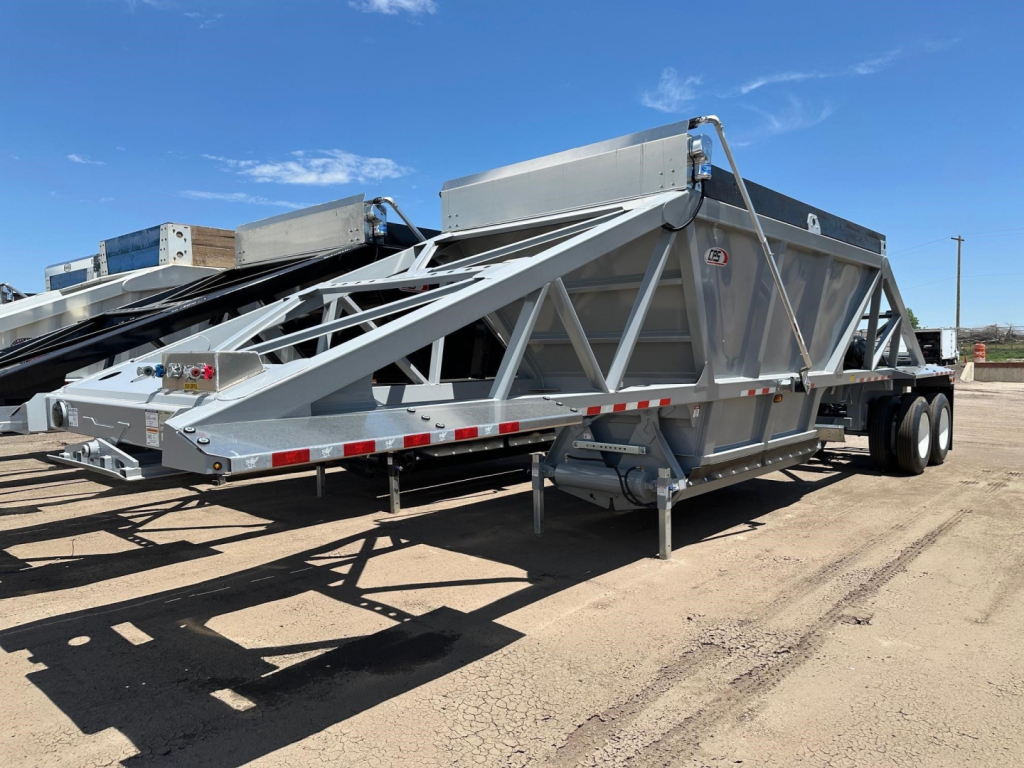
New dump trailers for sale in Colorado, including end dump, side dump, and bottom dump models for aggregate, asphalt, sand, and demolition work.
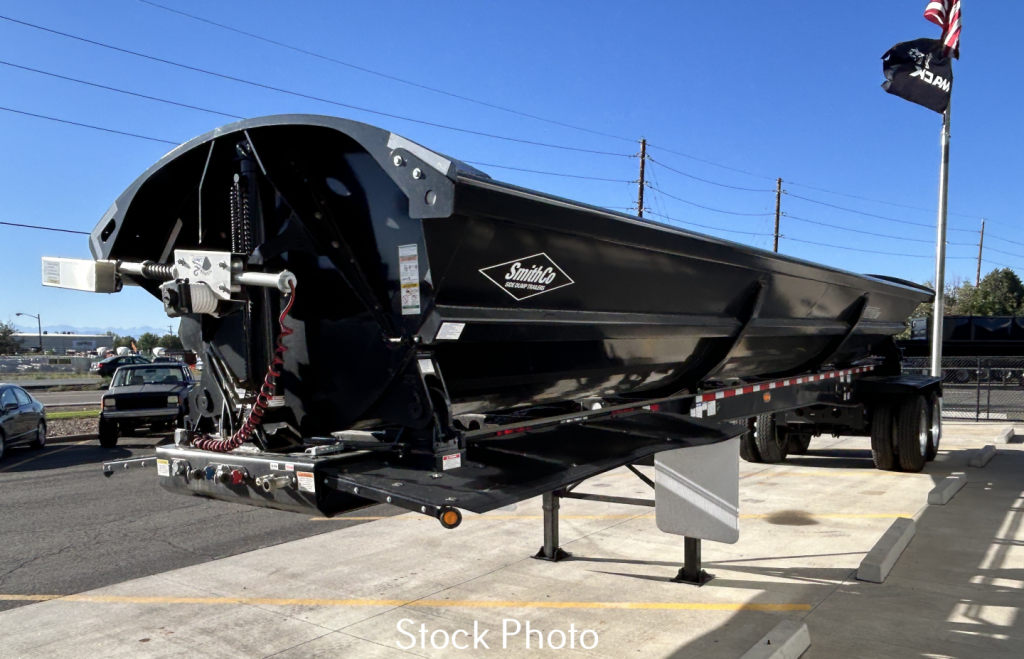
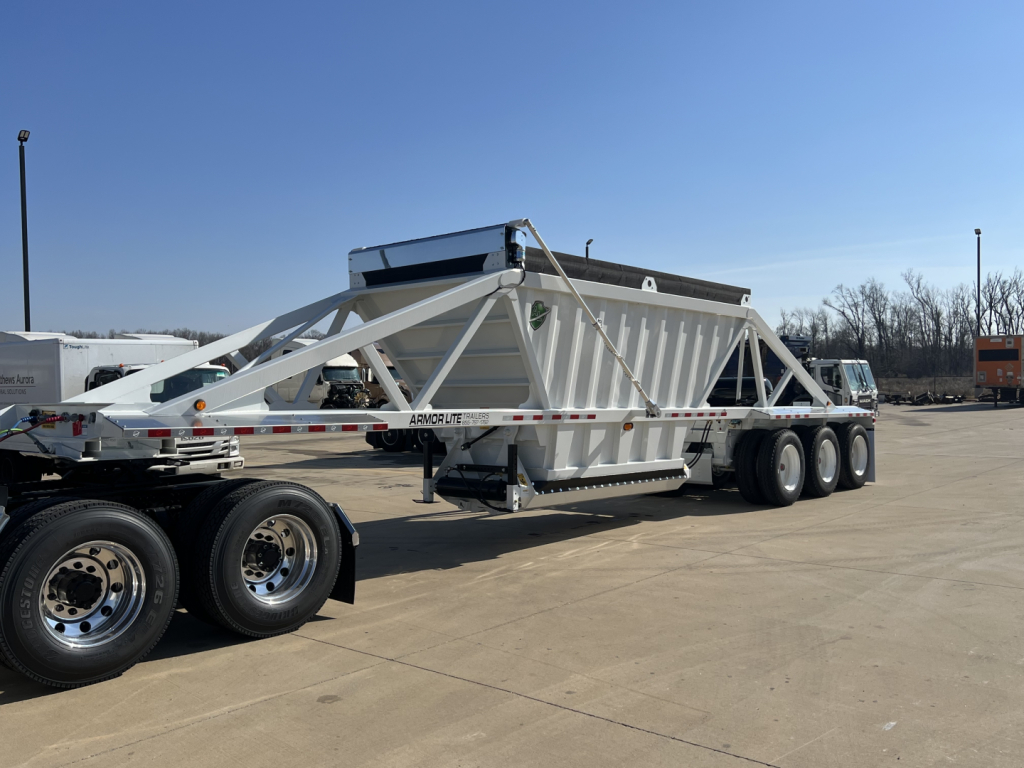
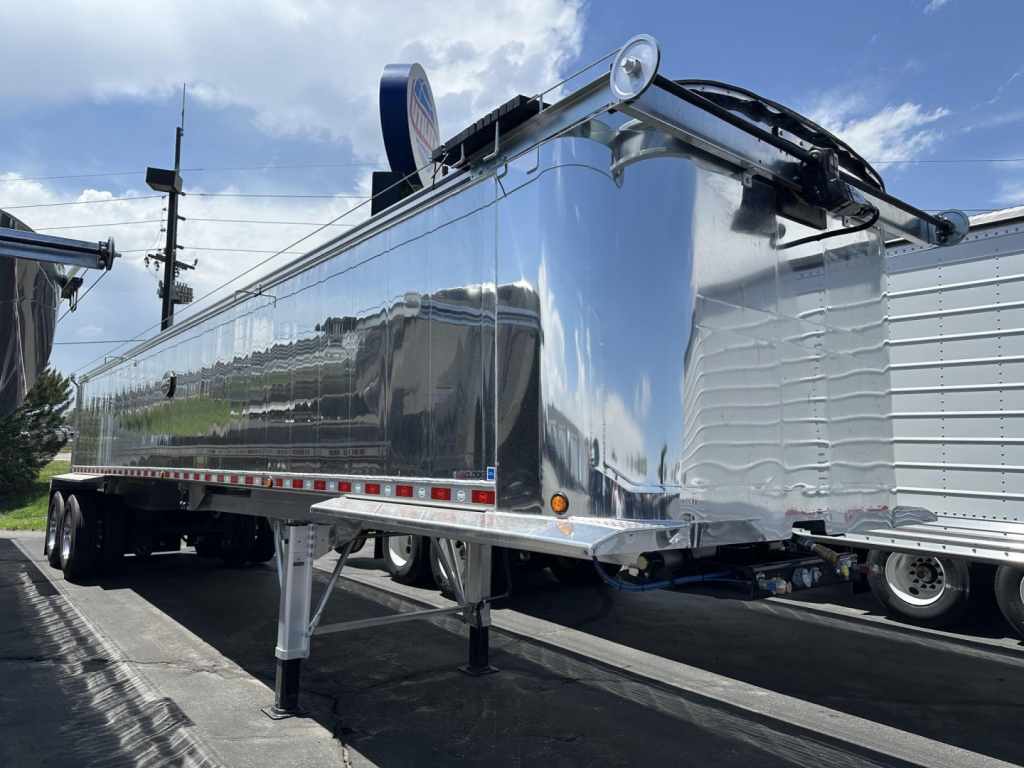
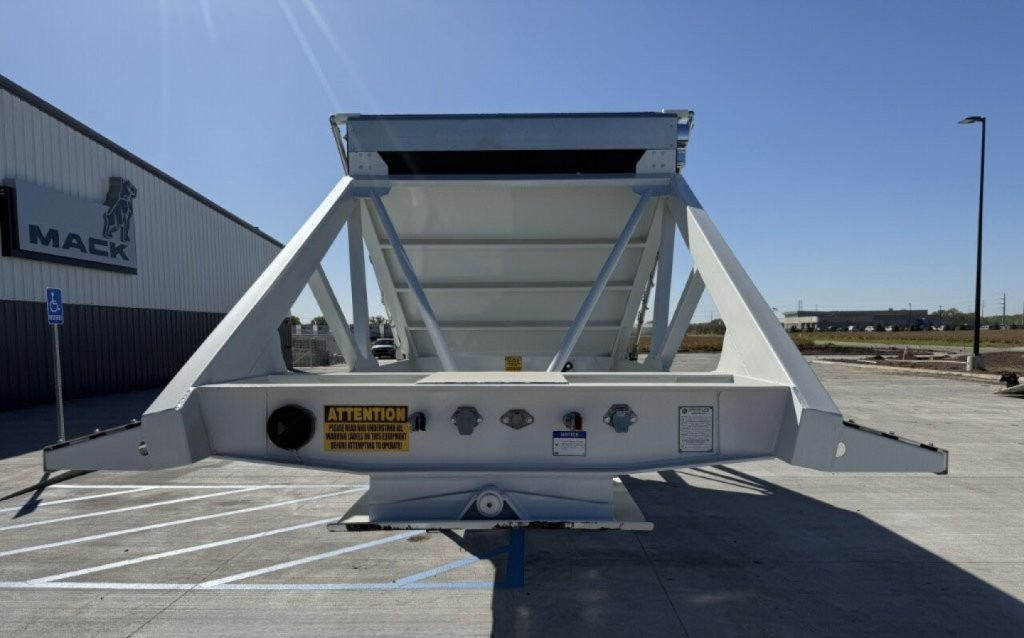
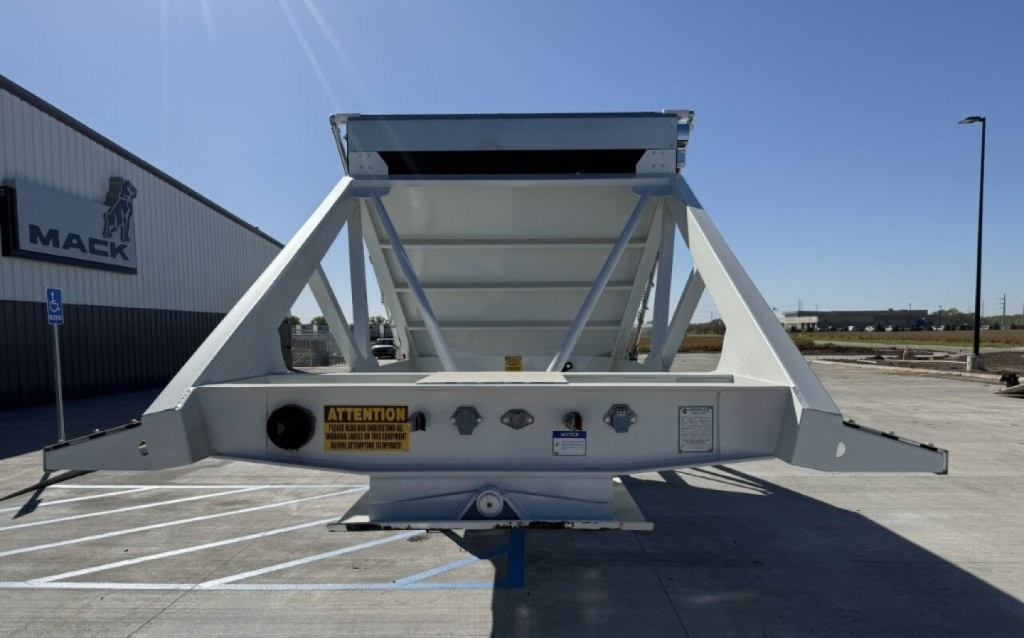
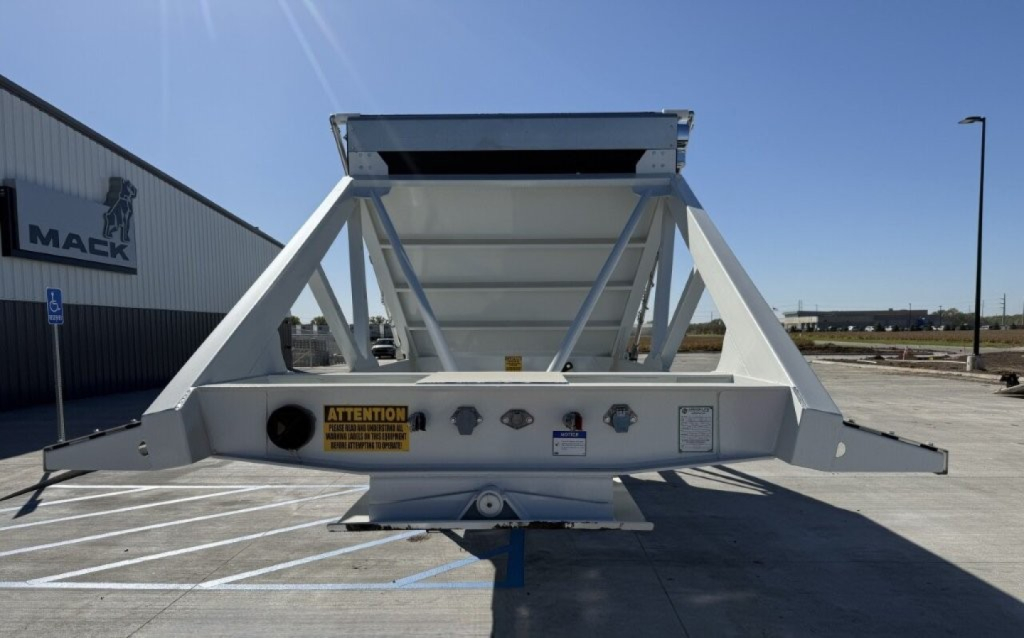
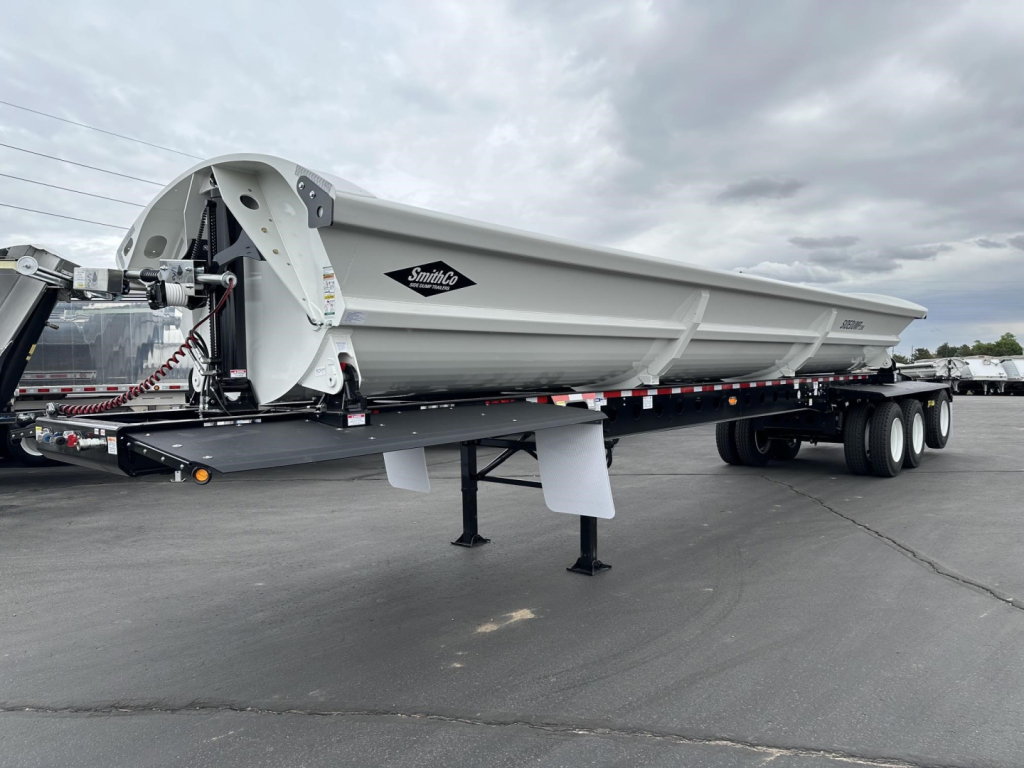
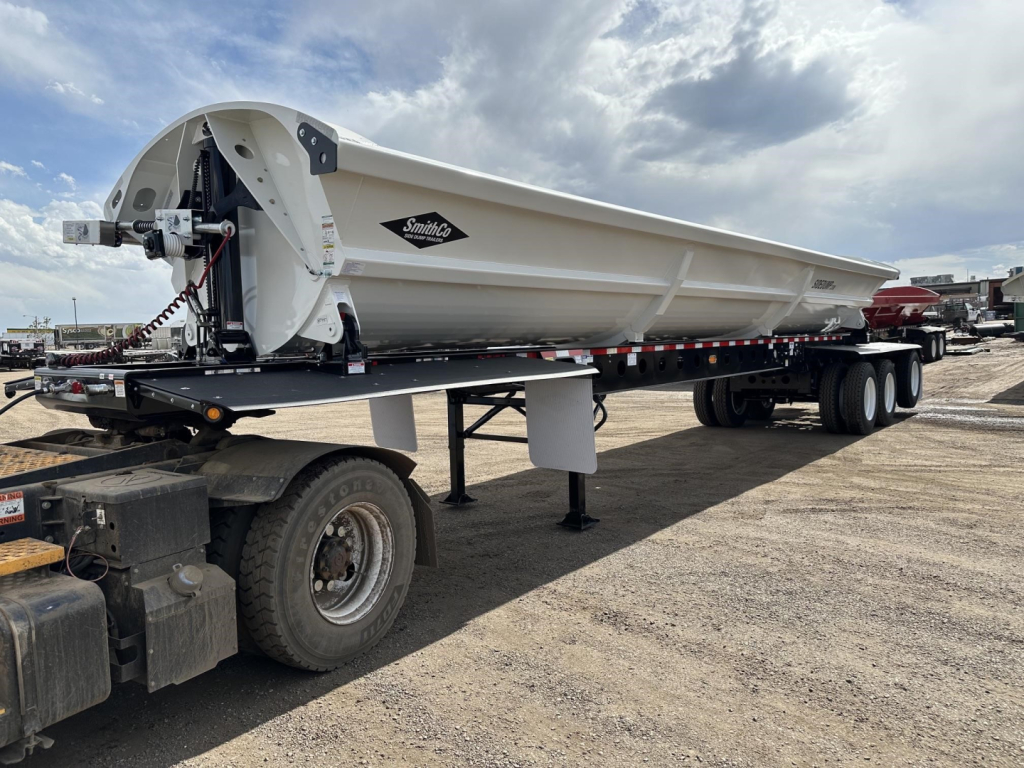
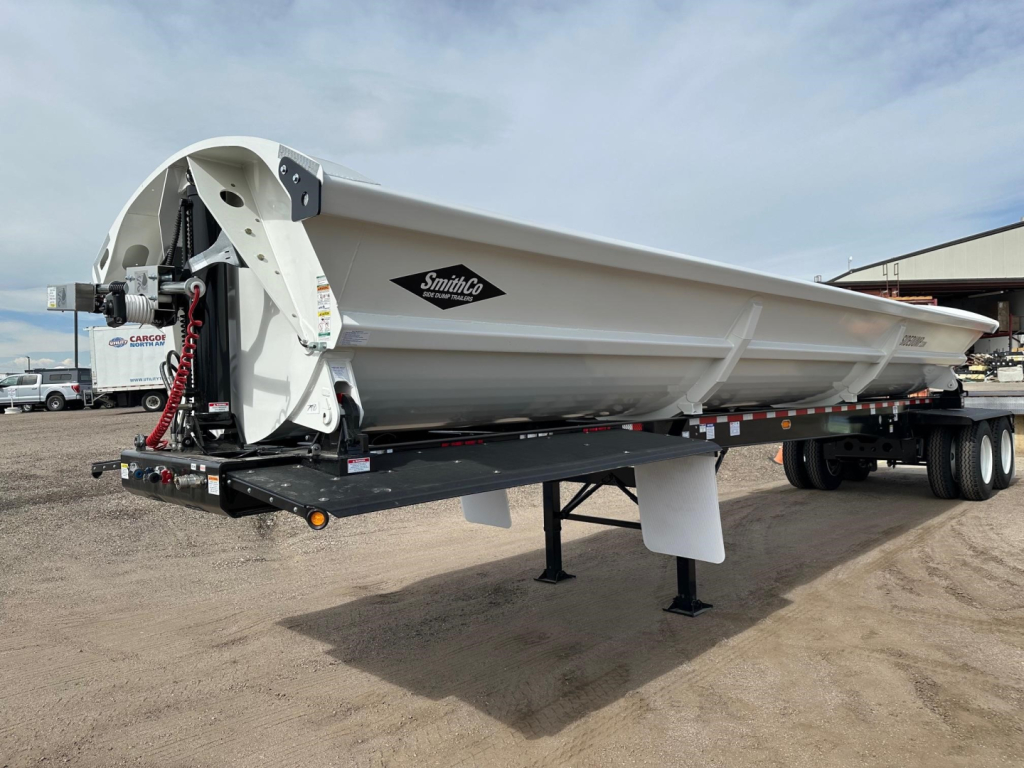
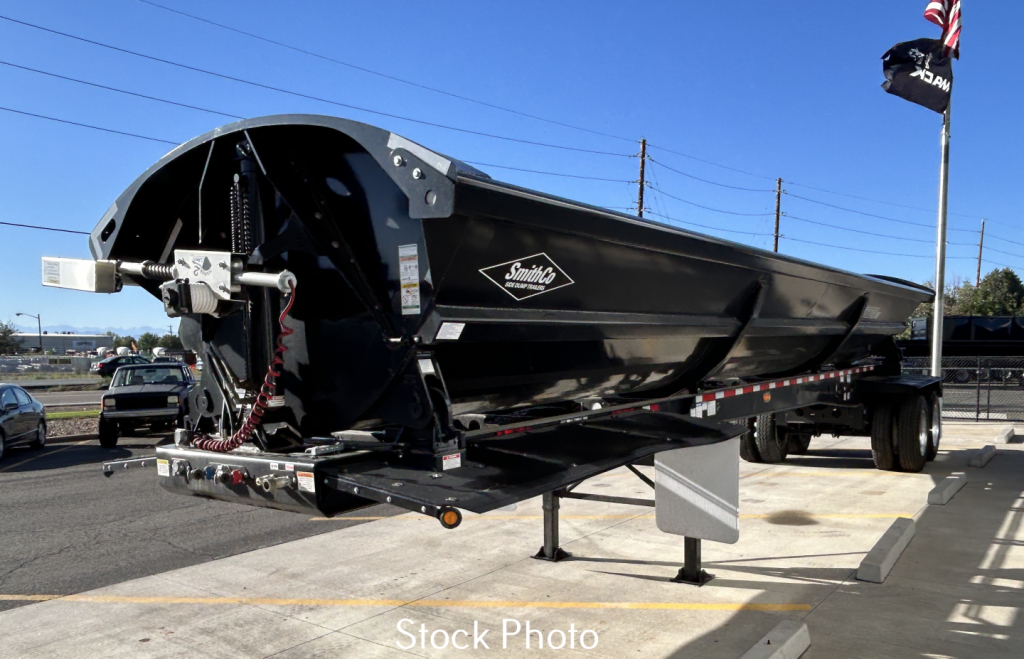
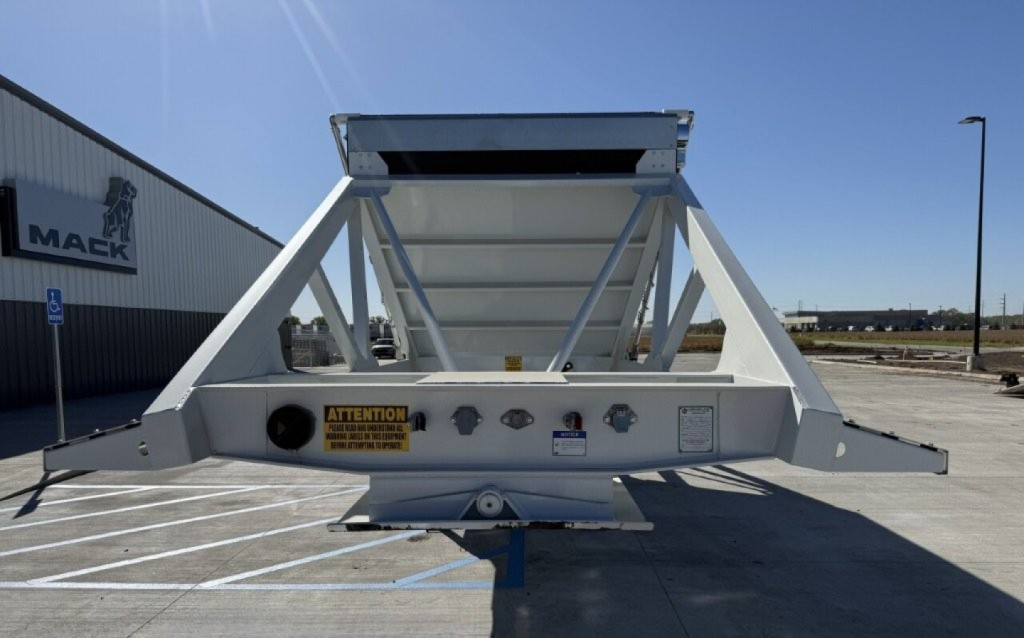
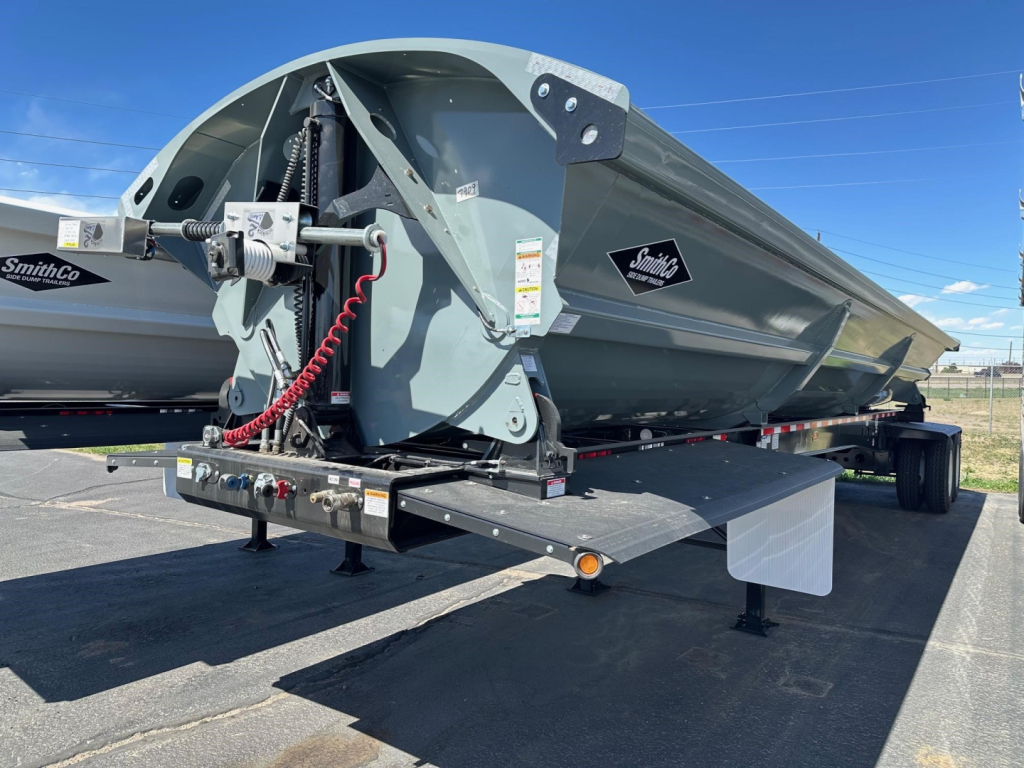
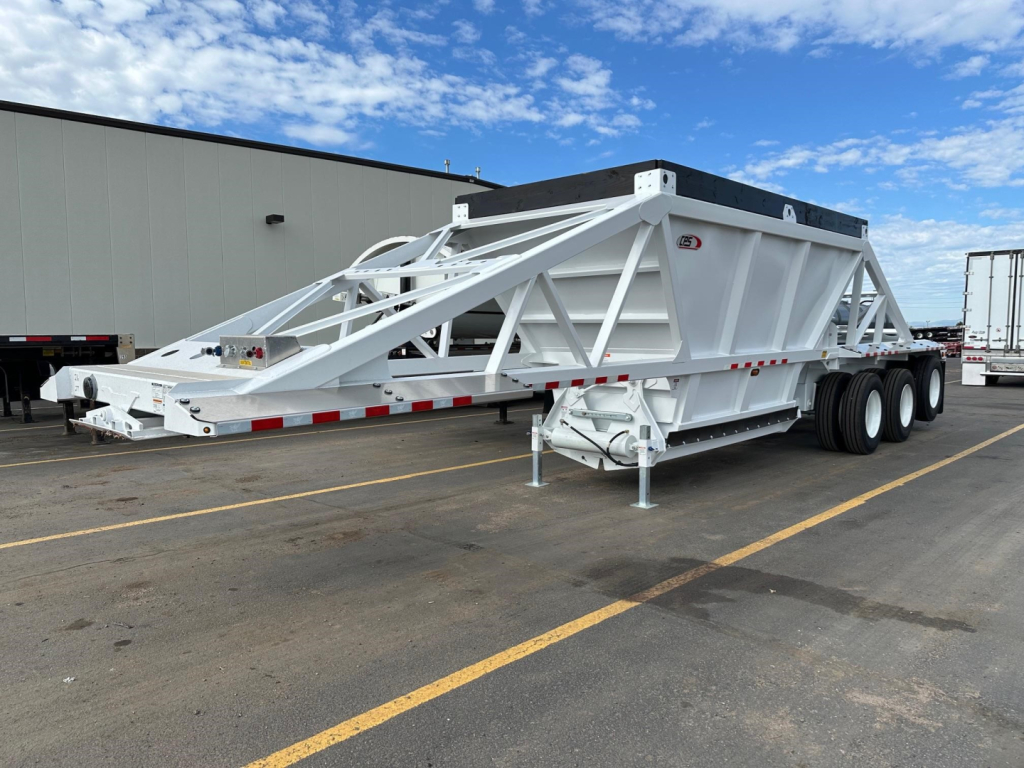
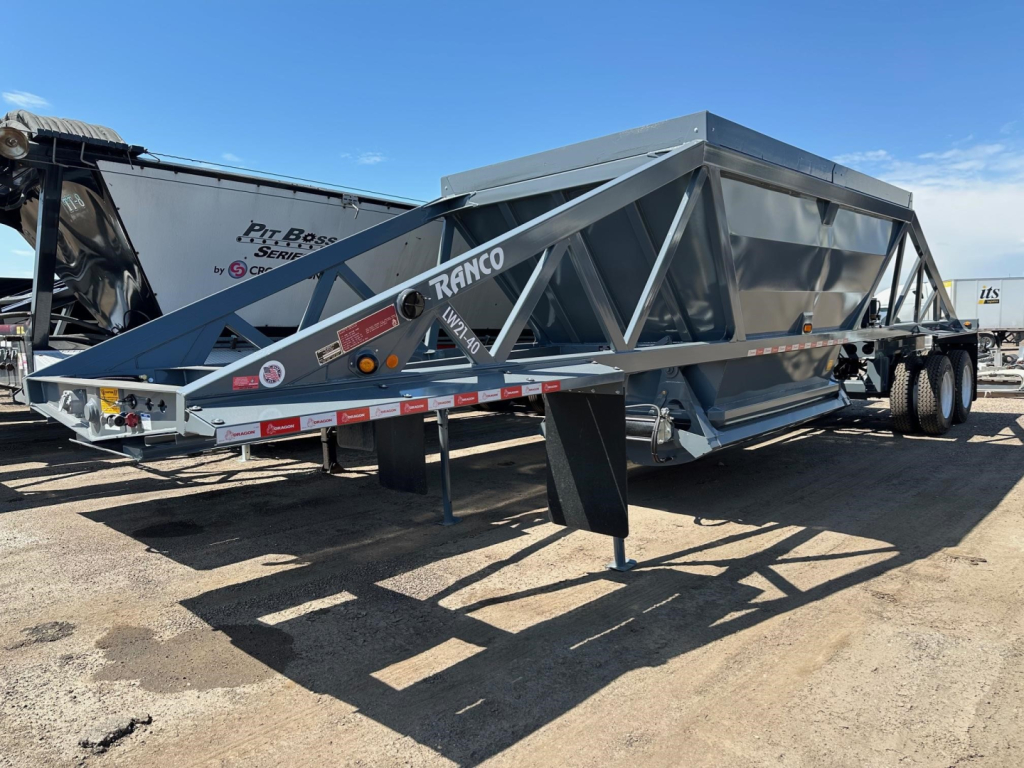
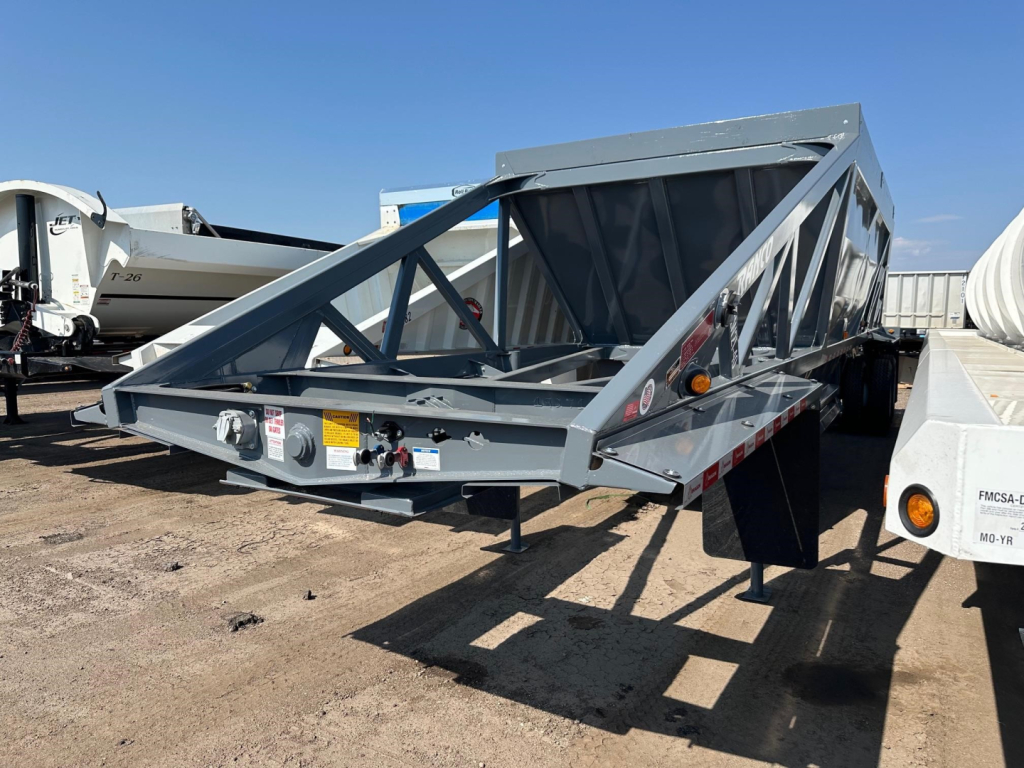
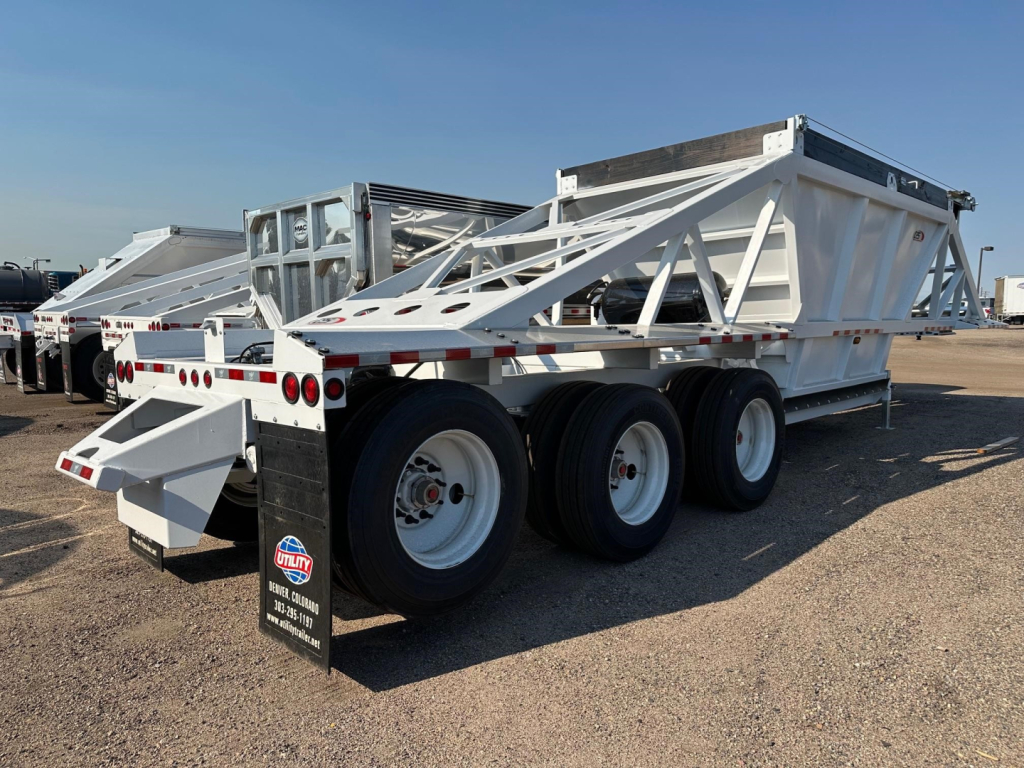
Showing 1 to 28 of 73 results
Have new dump trailer to sell? List it here to reach thousands of buyers.
New Dump Trailers in Colorado
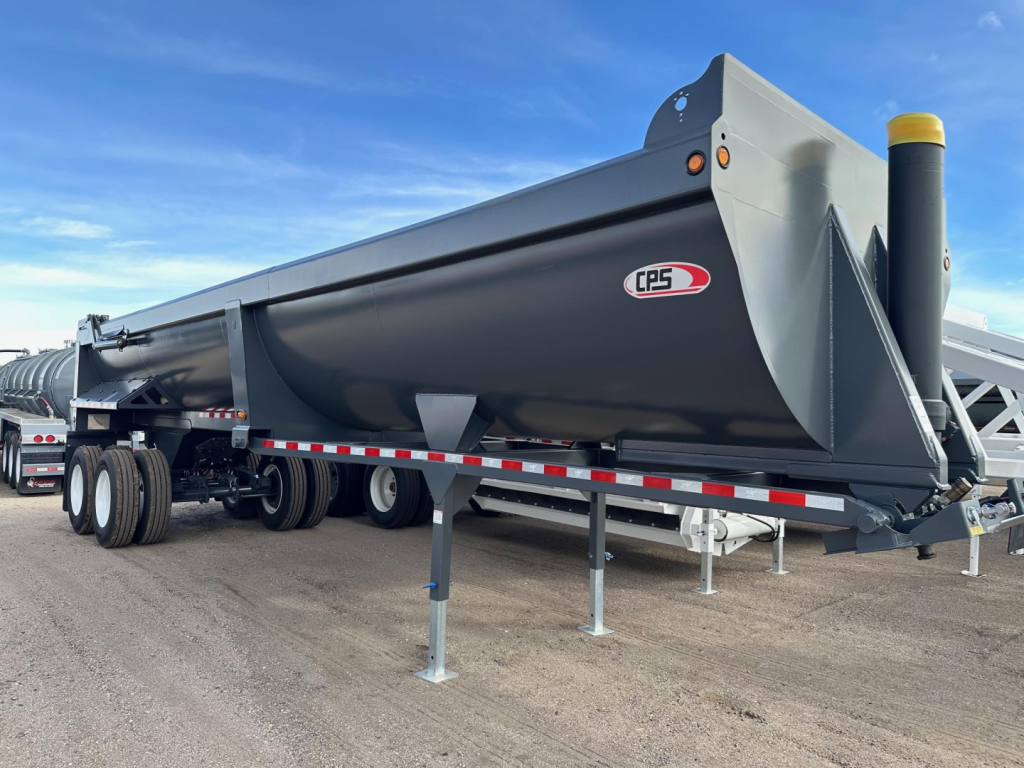
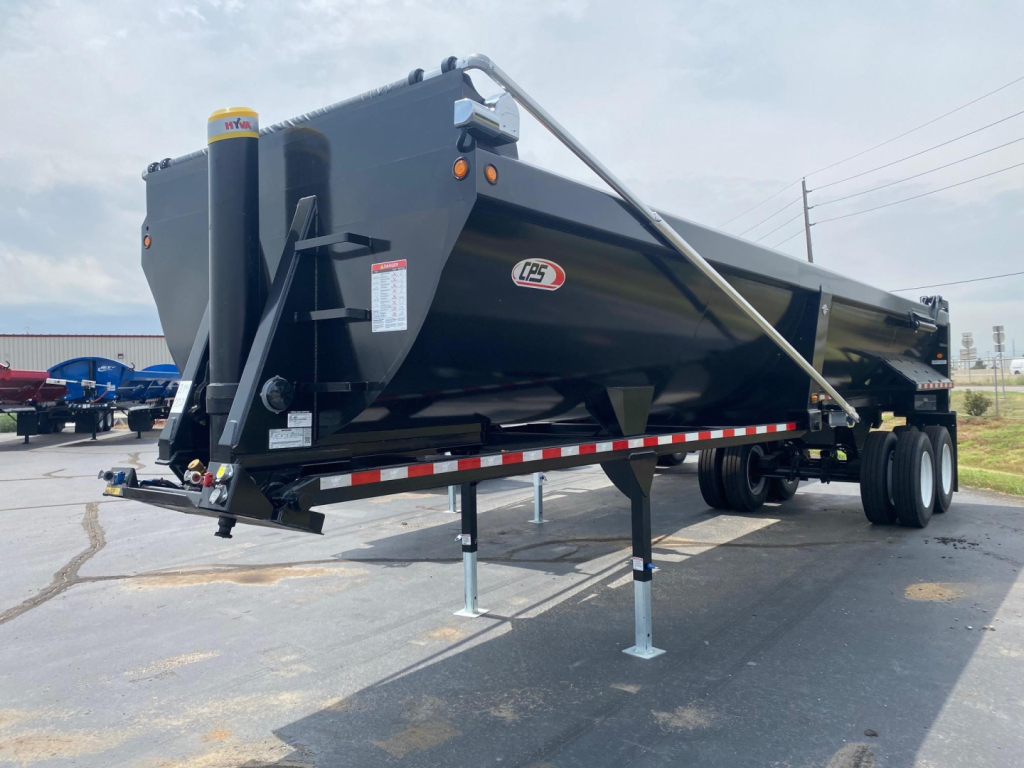
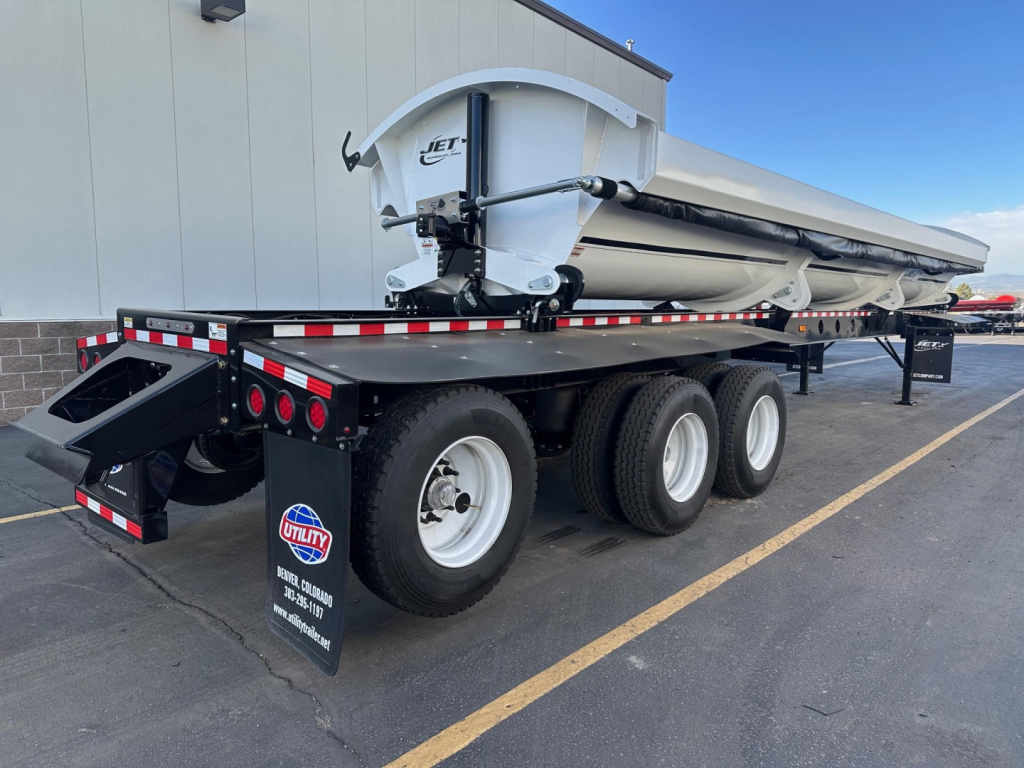
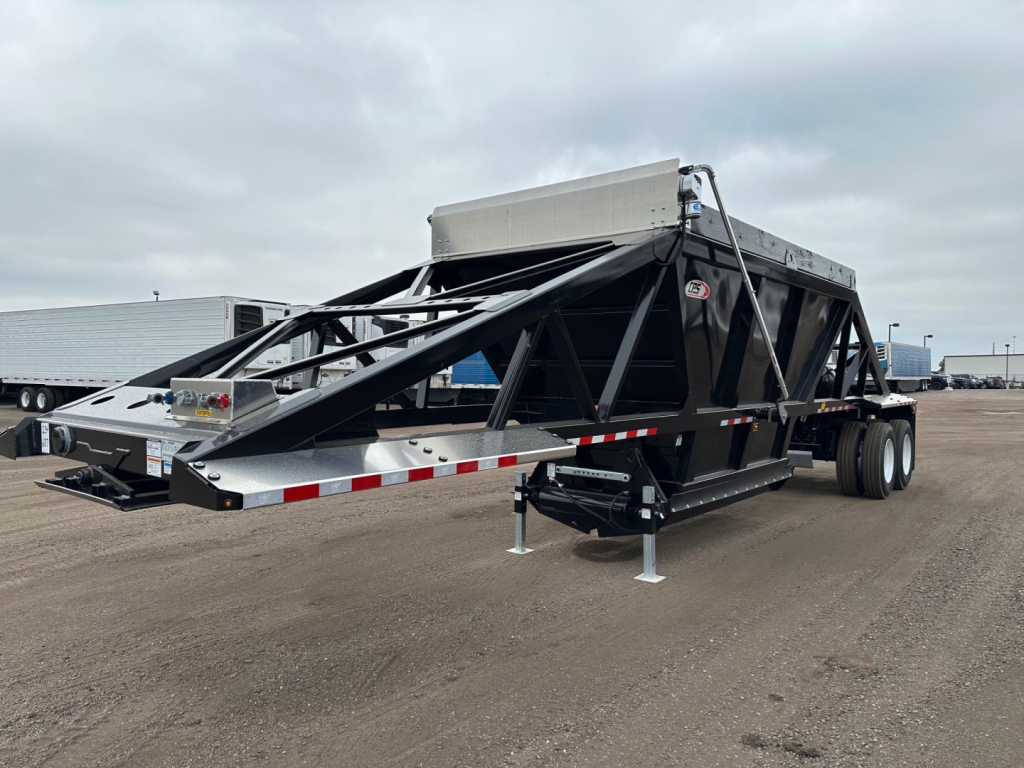
Body design drives durability, capacity, and stability. Frameless and quarter-frame end dumps are popular because they reduce tare weight and simplify the chassis, but they need to be matched to the haul and dump environment. Half-round and elliptical tubs shed material well and help reduce carryback, especially with wet loads. Side dumps are often chosen for construction, excavation, and mine support because they can unload quickly without raising the center of gravity as high as a conventional end dump. Bottom dumps, also called belly dumps, are built for precise material placement and windrowing, with switchgate and controlled gate setups used for sand, gravel, and road work.
A serious buyer should look closely at suspension, gate configuration, tarp system, and axle layout before comparing price. Air ride suspension is common on new dump trailers because it improves road manners and helps protect the structure over rough haul cycles. Lift axles can help with bridge compliance and tire wear depending on the route and legal setup. High-lift gates, top-hinge gates, and combination gate arrangements each suit different materials and unload patterns. Electric roll tarps and slide tarps are now standard on many new units, and details like scuff liners, bolt-on or full fenders, ladders, push blocks, single-point suspension dumps, and tire size can make a real difference in daily use and maintenance cost.
Colorado operators also need to think about terrain, weather, and legal payload strategy. Mountain grades, soft jobsite conditions, and freeze-thaw cycles put extra stress on hoists, hinges, suspension, and tub seams. A good new dump trailer spec balances empty weight, structural strength, and safe unloading geometry for the material being hauled most often. Buyers comparing new dump trailers should pay attention to cubic yard capacity, overall length, kingpin setting, tub shape, liner options, gate seals for wet material, and wheel-end specs, then match those details to the truck, commodity, and route instead of shopping by capacity alone.
Frequently Asked Questions about New Dump Trailers in Colorado
What is the difference between an end dump, side dump, and bottom dump trailer?
An end dump raises the front of the body and unloads out the rear, making it a common choice for aggregate, demolition debris, and general construction material. A side dump discharges to the left or right side of the trailer and usually offers better stability during unloading on uneven ground because the body does not need to rise as high. A bottom dump, also called a belly dump, releases material through gates under the trailer and is best suited for controlled spreading, windrowing, and road-building applications.
Are steel or aluminum dump trailers better for Colorado hauling?
Steel dump trailers are generally preferred for abrasive and high-impact materials like shot rock, riprap, demolition debris, and other severe-duty loads because they resist punctures and wear better. Aluminum dump trailers reduce tare weight and can improve payload on lighter bulk commodities, but they are not always the best fit for sharp or dense material. In Colorado, the right choice usually comes down to the commodity, route, and how often the trailer will see rough jobsite loading conditions.
What suspension and axle setup should I look for on a new dump trailer?
Air ride suspension is common on new dump trailers because it helps with ride quality, trailer control, and structural longevity over mixed highway and jobsite use. Closed tandem setups are widely used, and some trailers add a lift axle to help with bridge laws, axle spread requirements, and tire wear management. The best setup depends on legal weight targets, terrain, and whether the trailer will spend more time on pavement, in pits, or on unstable construction surfaces.
How important are tub shape and liner options on a dump trailer?
Tub shape directly affects material flow, carryback, and structural performance. Half-round and elliptical bodies are popular because they promote cleaner unloading and can handle heavy aggregate well, while flat-sided designs may better suit certain bulk materials or capacity goals. Liners matter when hauling wet clay, hot mix asphalt, sand, or sticky material because they reduce carryback, improve release, and can help protect the base tub from wear.
What specs matter most when comparing new dump trailers for sale?
The most important specs are body style, cubic yard capacity, tare weight, body material, axle configuration, suspension type, gate design, tarp system, and tire and wheel package. Buyers should also review kingpin setting, overall length, hoist geometry on end dumps, liner material, and details like fenders, ladders, and push blocks. Those specs determine how the trailer loads, unloads, scales, and holds up over time, which matters far more than model year alone on a new trailer purchase.