
New Smithco Dump Trailers For Sale in Colorado
New Smithco dump trailers for sale, including side dump models built for aggregate, demolition, road work, and heavy material hauling.
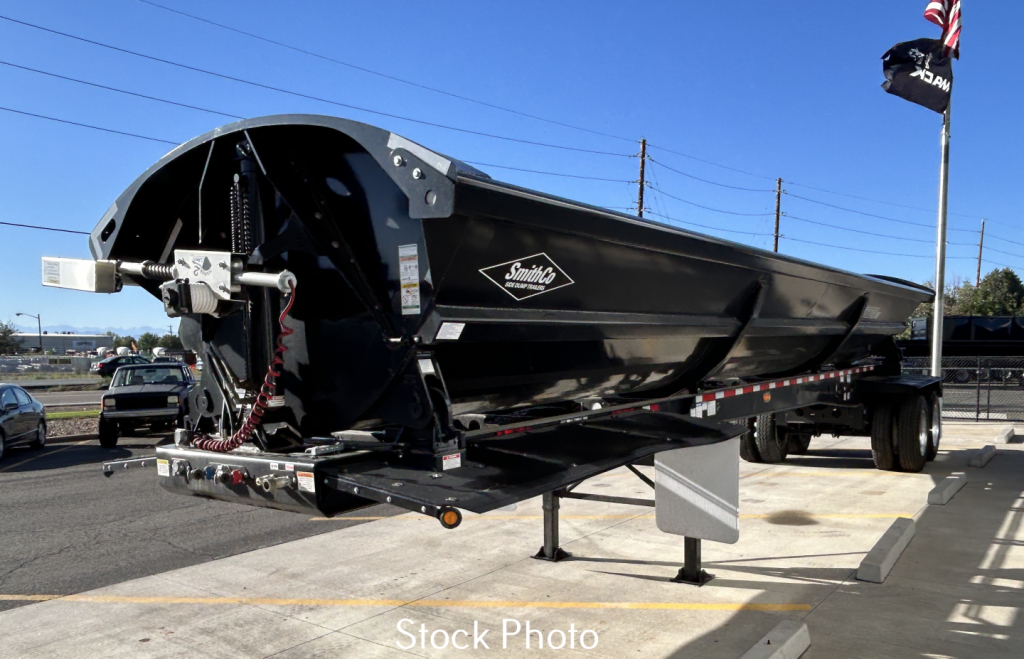
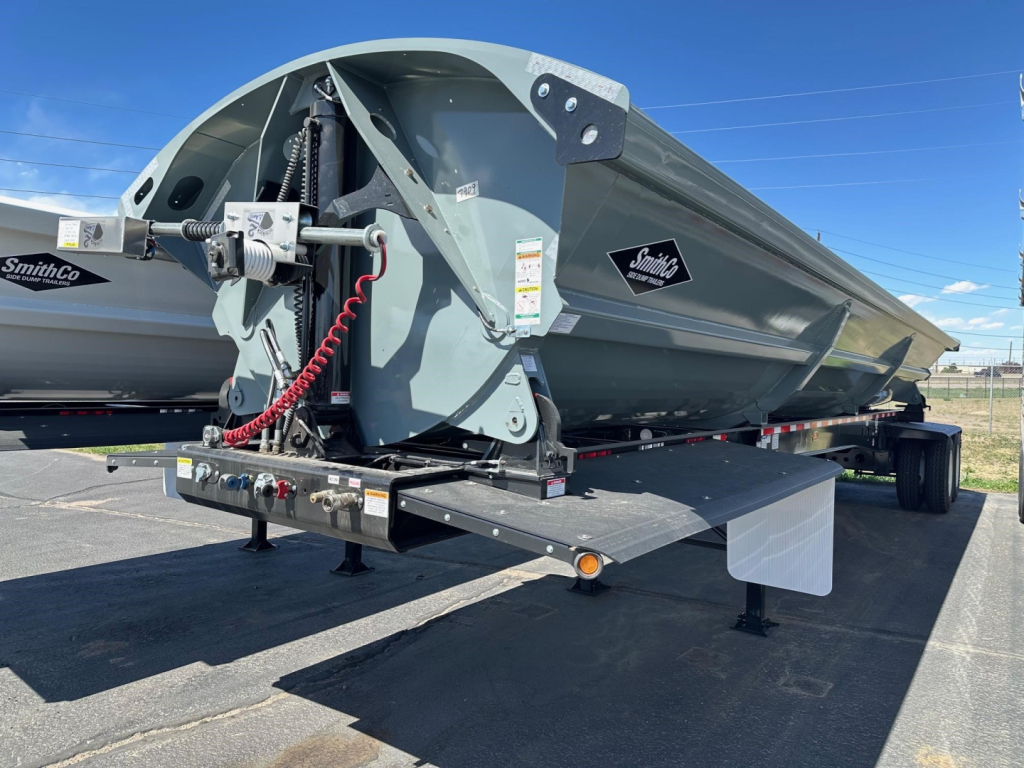
Selling a new smithco dump trailer? List your new smithco dump trailer for sale and reach thousands of commercial buyers.
New Smithco Dump Trailers in Colorado
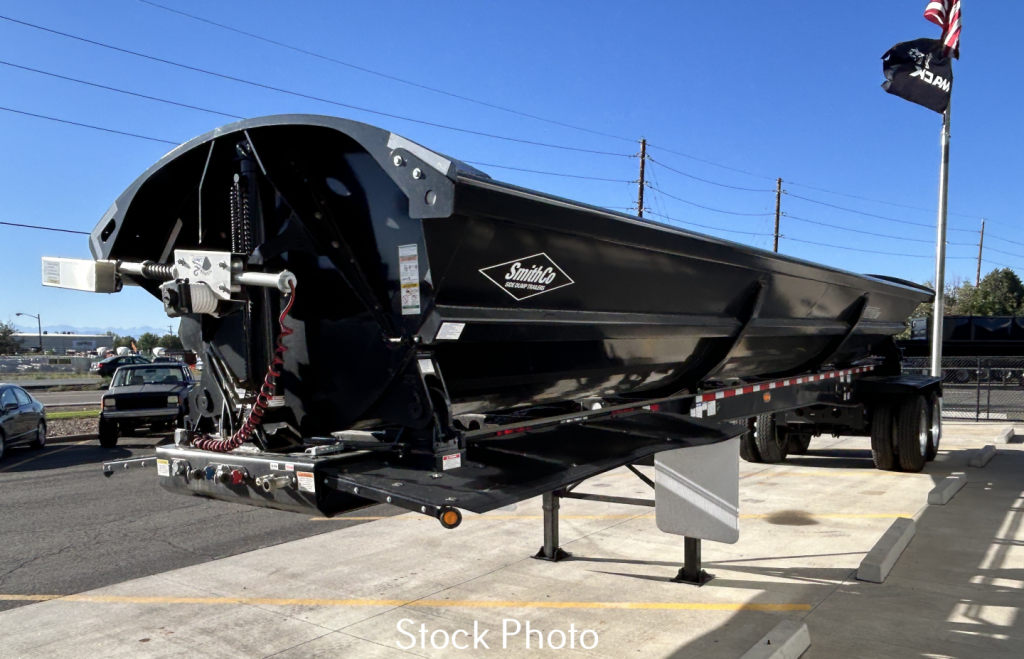
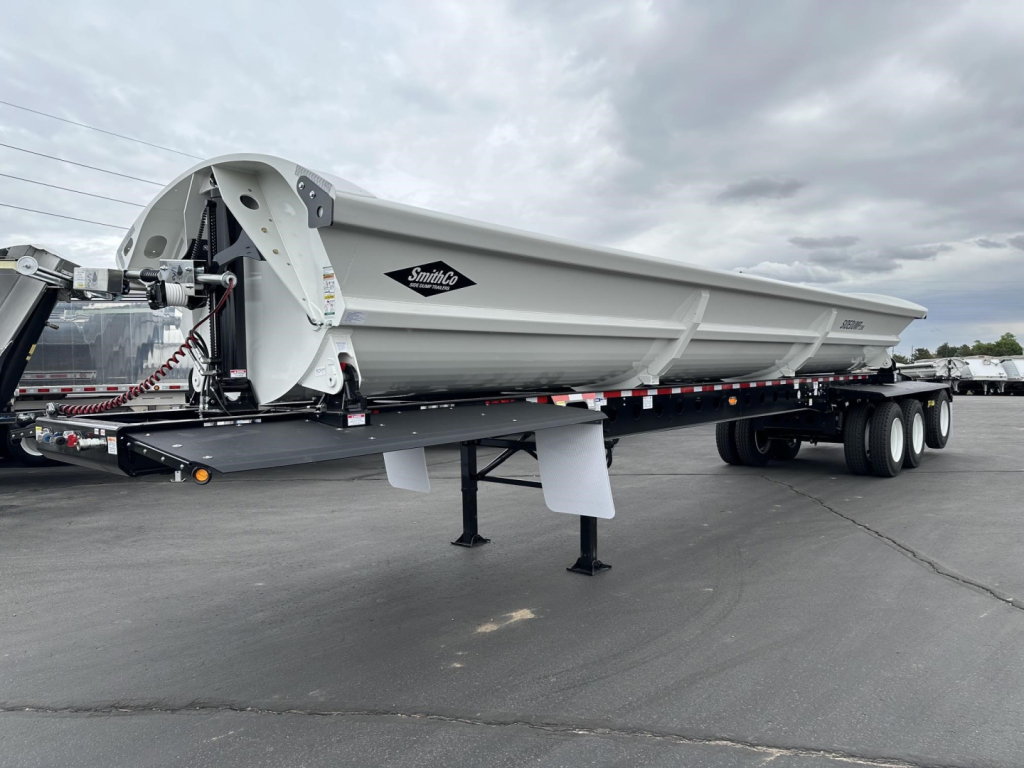
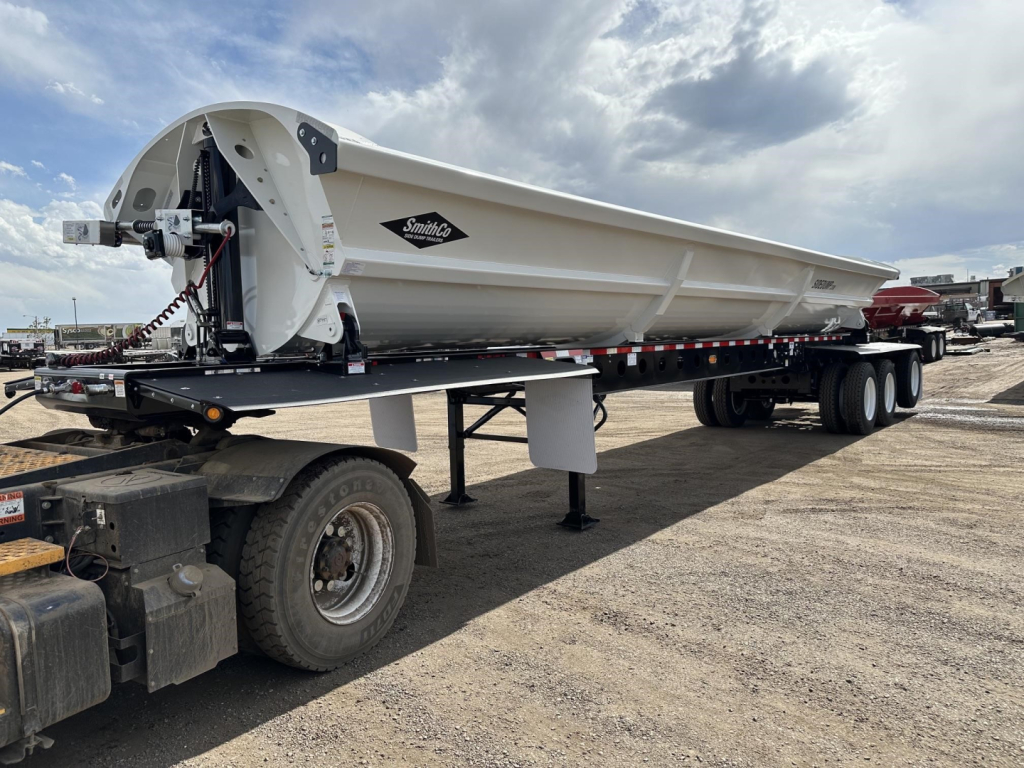
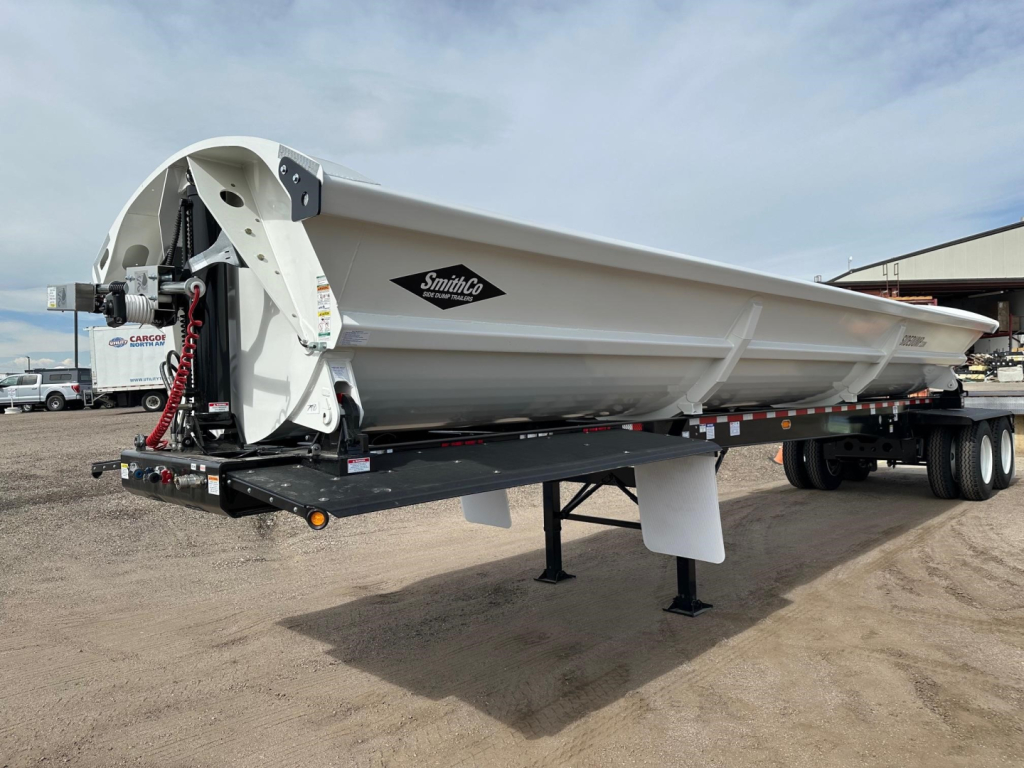
Body construction and suspension are usually the first items to evaluate. Smithco side dumps commonly use heavy-duty rock tubs with abrasion-resistant steel such as AR450, often in a half-round configuration to promote clean discharge and reduce material hang-up. Trailer lengths in this class commonly run around 40 to 47 feet, with tandem or tri-axle layouts depending on payload targets and bridge law needs. Air ride suspension is common for better load handling and reduced shock transfer, and some tri-axle setups include a lift axle for added flexibility when running loaded versus empty. Buyers hauling shot rock, riprap, millings, or demolition debris should pay close attention to tub material, cylinder size, pivot design, axle spacing, and whether the trailer is spec'd for severe-duty work.
Hydraulics and operating controls deserve close attention because they directly affect uptime and safety. Many Smithco dump trailers in this category are equipped with 6-inch heavy-duty cylinders, 2-way valves, dump valves, and dual-pivot side dump designs that help control the dumping motion. Common support equipment includes 2-speed landing gear, front and rear fenders, push blocks, mechanical scale systems or scale gauges, and pressure regulators tied to axle systems. Electric rollover tarps and tarp lockout switches are also common, especially for operators moving mixed material or running on regulated highway routes where load securement and cleanup matter.
The right spec depends on the material and the route, not just the rated capacity. A 40-foot tandem side dump may suit contractors focused on maneuverability and consistent daily cycles, while a 47-foot tri-axle can make sense for higher-volume aggregate or overburden work where legal payload and spread efficiency are the priority. Tire size, wheel choice, closed tandem versus spread or tri-axle arrangement, and suspension configuration all affect maintenance cost and jobsite performance. Buyers comparing new Smithco dump trailers should focus on tub steel, axle group, dump geometry, tarp system, and scale options to match the trailer to the terrain, material density, and unloading conditions they run every day.
Frequently Asked Questions about New Smithco Dump Trailers in Colorado
What is the advantage of a Smithco side dump trailer compared with a rear dump trailer?
A side dump trailer unloads material to the side, which generally provides better stability than a rear dump when dumping on uneven or soft ground. This design is widely used for aggregate, road base, dirt, demolition debris, and similar materials because it can reduce the risk of tipping during unloading and often allows faster cycle times in spread applications. On long road projects or rough job sites, that combination of stability and speed is a major reason buyers choose a side dump configuration.
What body material is common on new Smithco dump trailers?
Many new Smithco side dump trailers are equipped with abrasion-resistant steel tubs, including AR450 steel in heavy-duty rock body applications. AR450 is popular because it offers improved wear resistance when hauling abrasive materials such as crushed rock, gravel, asphalt millings, and demolition debris. Buyers hauling lighter, less abrasive material may prioritize weight, but severe-duty work usually justifies heavier tub construction and stronger floor and sidewall specifications.
Should I choose a tandem or tri-axle Smithco dump trailer?
The decision usually comes down to payload goals, bridge law compliance, maneuverability, and the roads the trailer will run. Tandem axle side dumps are often easier to maneuver and may fit contractors running tighter jobsites or shorter haul work. Tri-axle models are commonly chosen when legal payload, load distribution, and higher-volume hauling are more important. In some specs, a lift axle adds flexibility by improving tire wear and operating efficiency when the trailer is empty or lightly loaded.
What features matter most on a new Smithco side dump trailer for heavy material hauling?
For heavy material hauling, buyers should focus on tub steel grade, cylinder size, pivot design, suspension type, axle configuration, and tarp equipment. Heavy-duty cylinders, dual-pivot dumping systems, air ride suspension, and abrasion-resistant half-round tubs are all common features in severe-duty specs. Mechanical scales or scale gauges can also be valuable for payload control, especially when hauling dense material where overweight risk is high.
Are air ride suspensions common on Smithco dump trailers?
Yes. Air ride suspension is a common spec on Smithco side dump trailers because it helps cushion the load, improve ride quality, and reduce shock transfer to the trailer structure. For fleets running mixed pavement and jobsite conditions, air ride can also support better handling and component life compared with harsher setups. Buyers should still consider axle capacity, lift axle options, and suspension layout as part of the full trailer spec, especially in demanding Colorado hauling conditions.