
New Dump Trailers For Sale in Illinois
New dump trailers for sale in Illinois, including end dump and side dump models with steel or aluminum bodies, tarp systems, and common spec options.
Selling a new dump trailer? List your new dump trailer for sale and reach thousands of commercial buyers.
New Dump Trailers in Illinois
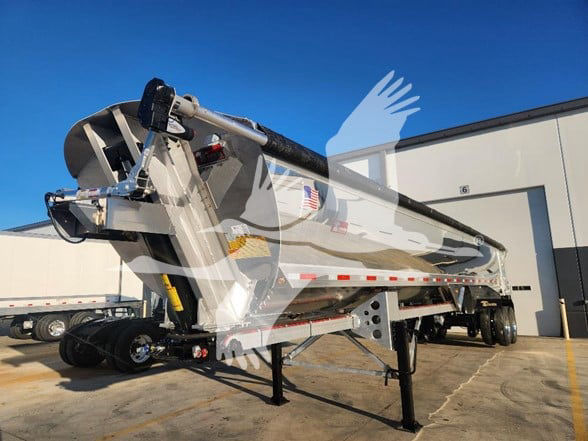
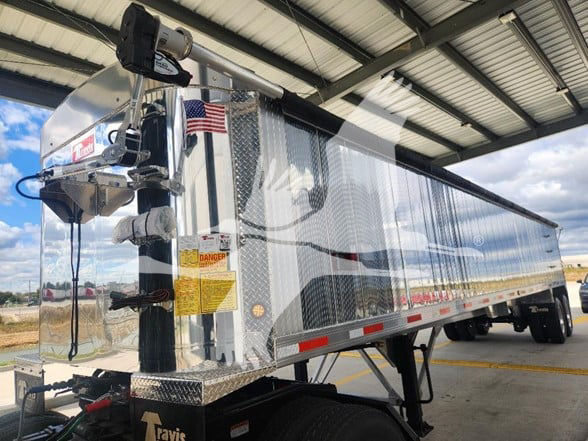
Aluminum dump trailers are typically chosen when payload is the priority. They are common in grain and lighter bulk applications and often show up with tall side walls, grain or coal doors, electric tarp systems, and aluminum wheels. Steel dump trailers usually bring better resistance to abrasion and impact, which matters in rock, riprap, demolition, and other severe-duty work. Interior liners are worth close attention if the trailer will handle sticky material or abrasive loads, since they can improve cleanout and help protect the body. Common lengths in this category run into the mid-30-foot to 40-foot range, with 102-inch width being standard. Tire size, wheel material, and axle layout also deserve a hard look because they influence tare weight, tire cost, and long-term durability.
Suspension and axle spec can change operating cost more than many buyers expect. Air ride is popular for smoother operation, better load protection, and easier adaptation across mixed-use hauling, while spring ride remains a practical choice for rugged simplicity and lower upfront cost. Lift axles are useful when bridge compliance, tire wear, and maneuverability are part of the equation. On Illinois routes that mix highway miles with field entrances, pits, and transfer yards, a trailer with the right suspension package can make a noticeable difference in tire life and frame stress. Tarp systems, door seals, hydraulic controls, and grease access points should also be evaluated as everyday productivity features, not minor options. Electric tarps, remote grease points, and easy-to-service hydraulic components save time over a full season.
A buyer comparing new dump trailers should also think through commodity flow and unloading environment before focusing on price alone. High-wall end dumps fit bulk ag and lightweight materials well, but severe-duty steel bodies may be the better investment for construction and quarry work. Rear grain and coal doors matter for controlled discharge, while side dump configurations can be the safer tool when ground conditions are unpredictable. The best trailer in this class is the one that balances payload, stability, cleanout, structural life, and compatibility with the tractor and route profile. Matching the trailer to the actual material, dump surface, and annual cycle count usually delivers better long-term value than simply chasing the lightest tare weight or the lowest initial purchase price.
Frequently Asked Questions about New Dump Trailers in Illinois
What is the difference between an end dump trailer and a side dump trailer?
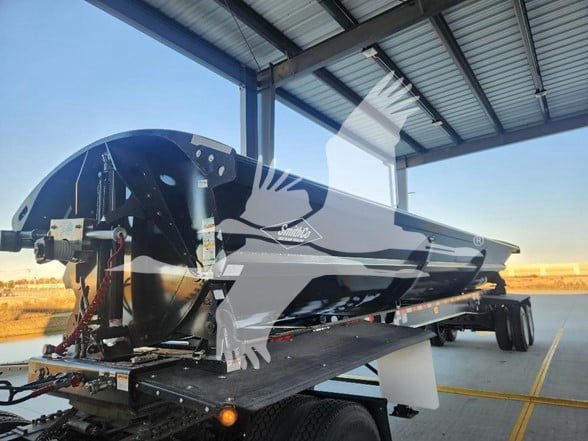
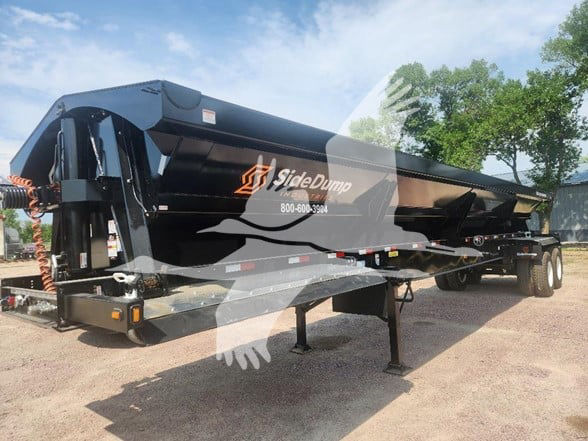
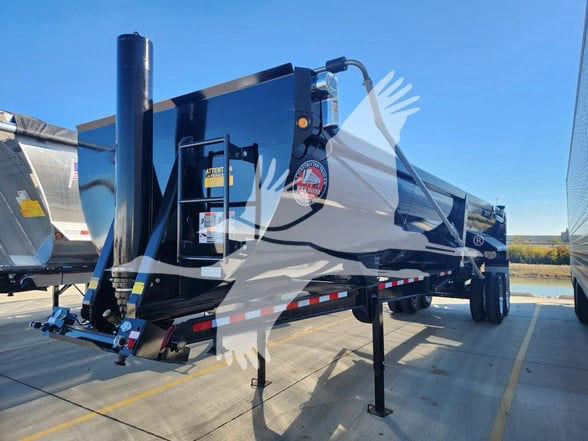
An end dump trailer unloads by raising the body and discharging material out the rear, which makes it a strong choice for grain, sand, gravel, and many general bulk commodities. A side dump trailer discharges to the side through a tub-style body and is often favored on uneven jobsites because it can offer better stability during unloading. The right choice depends on the material, dump surface, available space, and how much rollover risk is present in the work environment.
Should I choose a steel or aluminum dump trailer?
Steel dump trailers are typically better for abrasive, high-impact materials such as rock, demolition debris, and severe-duty aggregate because the body resists wear and abuse. Aluminum dump trailers are usually selected when lower tare weight and higher payload matter most, especially in grain and lighter bulk hauling. The better value depends on what the trailer hauls every day, not just the purchase price, because body life, repair frequency, and payload all affect total operating cost.
Is air ride or spring ride better on a new dump trailer?
Air ride suspension is often preferred for smoother operation, reduced shock to the trailer, and better performance in mixed highway use. It can also help with load protection and overall ride quality. Spring ride remains popular in harsh-duty applications because it is simple, durable, and generally less expensive upfront. Buyers should match suspension choice to road conditions, haul distance, maintenance practices, and the severity of the material being hauled.
What dump trailer features matter most for grain and bulk ag hauling in Illinois?
For grain and bulk ag work, buyers usually focus on aluminum construction, higher side walls, grain or coal door configuration, tarp operation, and suspension spec. A clean-sealing rear door and dependable tarp system are especially important for commodity control and legal road operation. Tire size, axle setup, and lift axle configuration also matter because they influence bridge compliance, field access, and operating efficiency on seasonal routes.
Do options like interior liners, lift axles, and electric tarps really add value?
Yes, these options often improve daily productivity and reduce wear. An interior liner can help sticky or abrasive materials release more cleanly and protect the body. A lift axle can reduce tire scrub, improve maneuverability, and help manage weight distribution depending on the load and axle laws. An electric tarp saves time at every stop and helps drivers secure the load consistently, which becomes more valuable as cycle counts increase.