
New Dump Trailers For Sale in Wyoming
New dump trailers for sale in Wyoming, including end dump, side dump, and bottom dump trailers for aggregate, dirt, paving, and construction work.
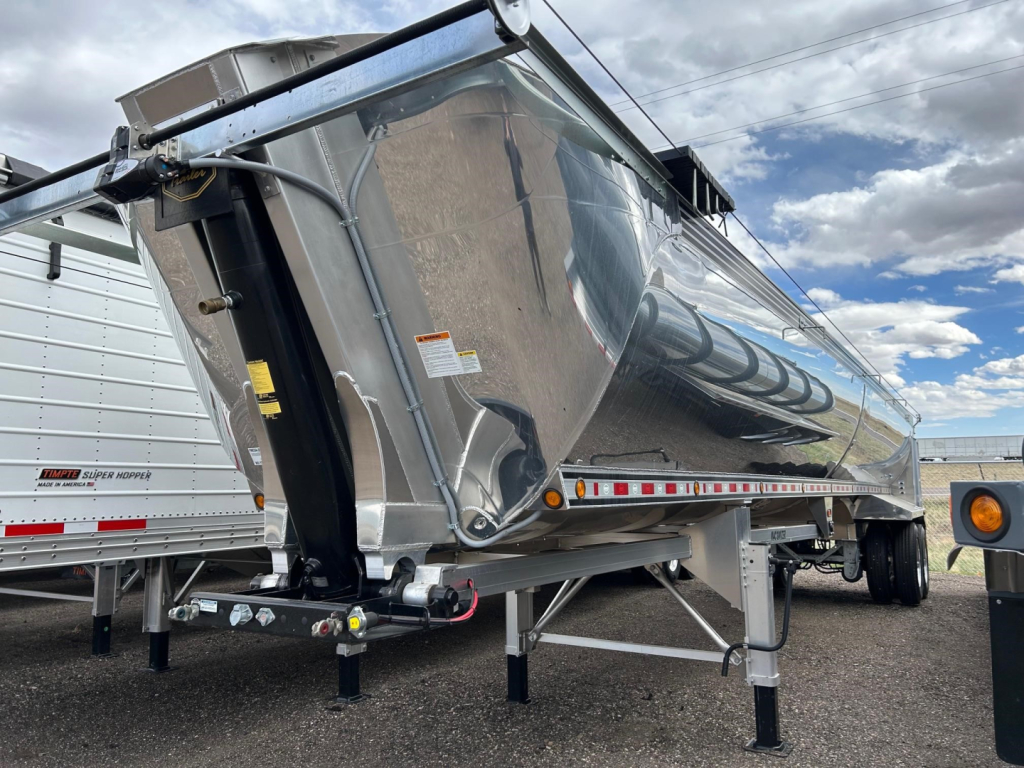
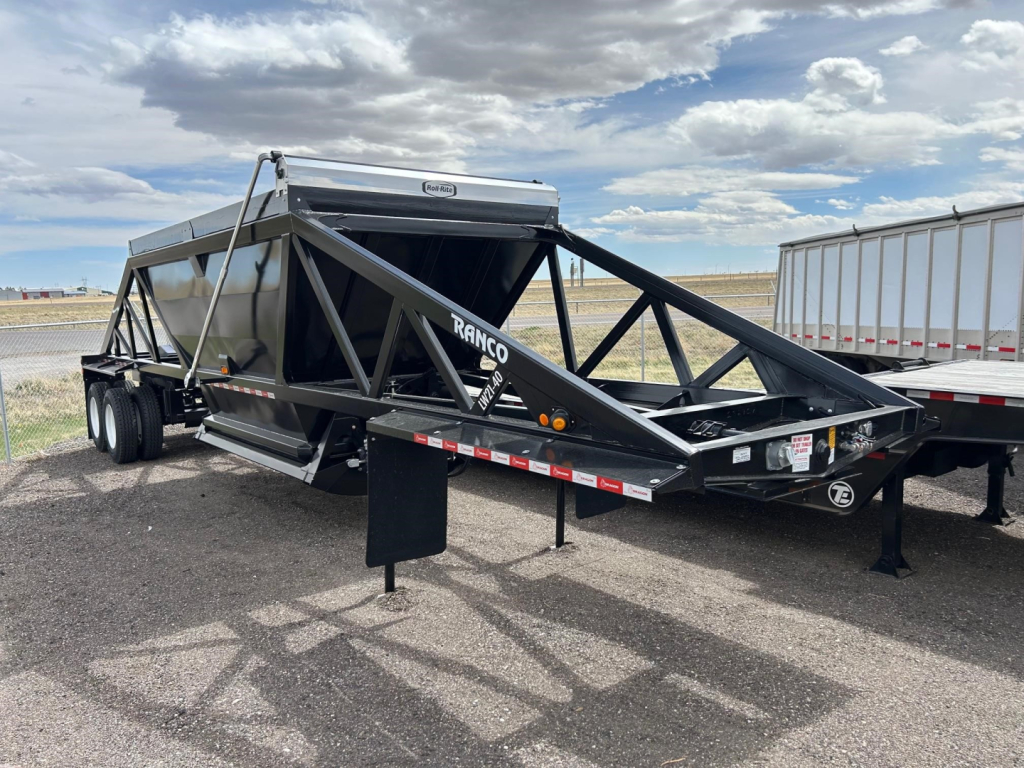
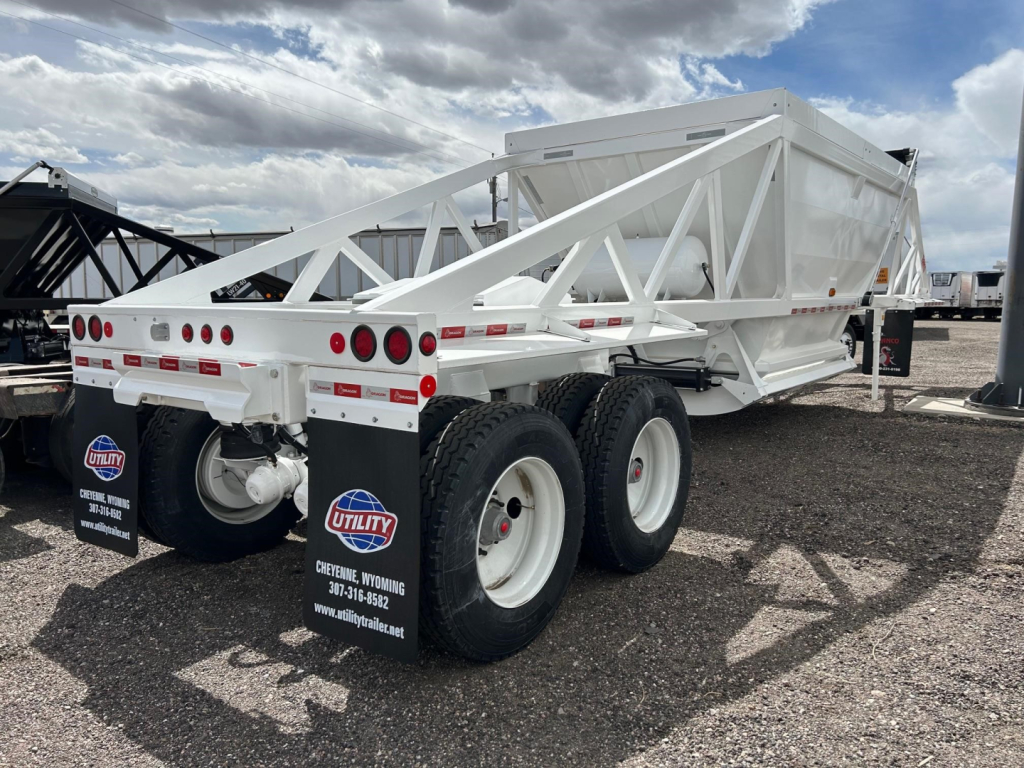
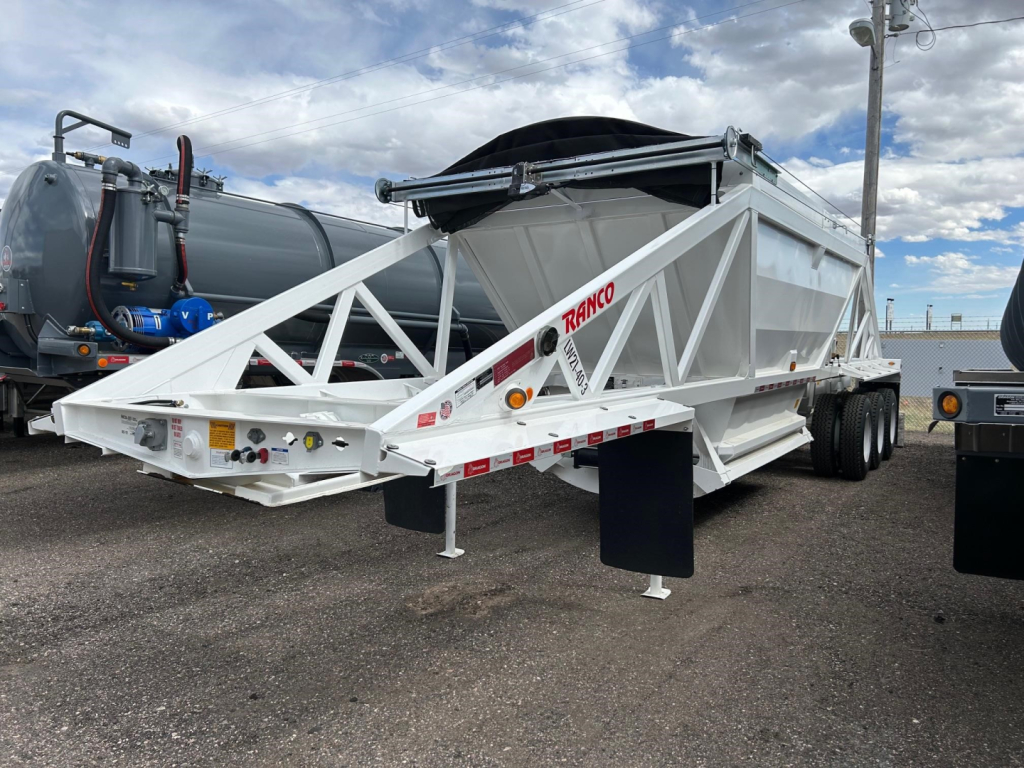
Have new dump trailer to sell? List it here to reach thousands of buyers.
New Dump Trailers in Wyoming
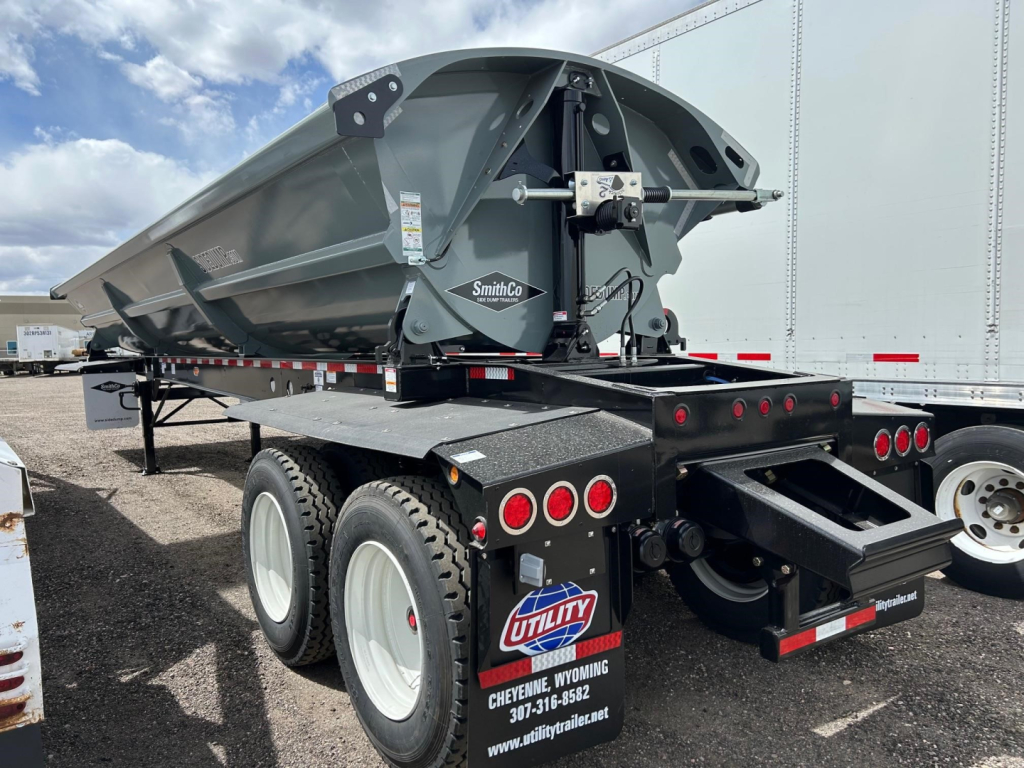
Common trailer specs in this class include 39- to 40-foot lengths, tandem or tri-axle configurations, 11R24.5 tires, air ride suspensions, and either steel or aluminum wheel packages. Frameless aluminum end dumps are popular when payload is the priority, while steel tubs and AR450 wear surfaces are preferred for abrasive rock and heavier impact loading. On bottom dumps, buyers should pay close attention to hopper design, gate controls, pin setting gate limiters, and valve style because those details directly affect spread consistency and cleanout. Side dump shoppers should look closely at cylinder sizing, tub construction, hinge design, and suspension layout, especially if the trailer will see rough haul roads or repeated off-camber dumping.
Wyoming operators often need a dump trailer that can handle mixed duty: highway miles between pits, rough approaches into job sites, and seasonal weather that exposes weak tarp systems, wiring, and suspension components. Electric slide tarps and flip tarps are common for load security and compliance, but cold-weather durability, tarp arm design, and lockout features matter if the trailer runs year-round. Fenders, push blocks, ladders, sealed gates, dump valves, LED lighting, and lift axles are not cosmetic details in this market. They affect legal payload, ease of operation, and how well the trailer fits into a truck-and-pup, paving, or aggregate spread setup.
A good new dump trailer spec balances cubic capacity with material density and stability. A 43-cubic-yard half-round end dump may be ideal for lighter aggregate or demolition debris, but dense material can shift the payload equation quickly. Bottom dumps with single hopper designs and windrow deflectors are often selected for highway and site preparation work where metered discharge is the priority. Side dumps remain a strong choice when production speed and stability matter more than maximum box volume. Buyers comparing listings should focus on body material, suspension type, axle arrangement, gate and tarp configuration, and intended application first. Those choices usually determine long-term productivity, maintenance cost, and resale value more than decals on the tub.
Frequently Asked Questions about New Dump Trailers in Wyoming
What is the difference between an end dump, side dump, and bottom dump trailer?
An end dump trailer unloads by raising the front of the tub and discharging material out the rear gate. It is commonly used for aggregate, debris, and bulk material where high volume is important. A side dump trailer unloads by rolling the tub to one side, which typically gives faster cycle times and better stability on uneven terrain. A bottom dump trailer, also called a belly dump, releases material through hopper gates underneath the trailer and is used when controlled spreading or windrow placement is required, especially in road building and site prep work.
Which dump trailer type is best for Wyoming road work and aggregate hauling?
That depends on the material and the unload site. Bottom dumps are highly effective for road base, shoulder material, and paving support because they can lay a controlled windrow while moving. End dumps are a strong fit for general aggregate hauling, stockpiling, and site dumping when the ground is stable enough for a raised tub. Side dumps are often favored for rougher job sites and uneven terrain because they can unload quickly with less rollover risk than a traditional end dump.
Should I choose aluminum or steel construction on a new dump trailer?
Aluminum dump trailers are usually chosen to maximize payload and reduce empty weight, which is why they are common in frameless end dump applications. Steel bodies are heavier but generally hold up better against impact, abrasive rock, and severe-duty work. Buyers hauling blasted rock, demolition material, or other high-wear loads often prefer steel tubs or wear-resistant liners such as AR450. Buyers focused on legal payload and lighter bulk materials often lean toward aluminum.
What specs matter most when comparing new bottom dump trailers?
The most important bottom dump specs are hopper design, gate operation, valve style, axle configuration, suspension, and tarp setup. Pin setting gate limiters and metering controls affect spread accuracy. Windrow deflectors help shape material placement. Tandem versus tri-axle layouts change bridge compliance, maneuverability, and payload distribution. Air ride suspension is common for road work fleets, while lift axles can add flexibility for varying loads and job requirements.
Why are tarp systems, lift axles, and suspension choices so important on dump trailers?
These features directly affect daily usability and operating cost. A reliable tarp system helps with load retention, weather exposure, and compliance on public roads. Lift axles can improve legal payload flexibility and reduce tire wear when the trailer is empty or lightly loaded. Suspension choice matters because air ride generally improves ride quality and can reduce shock to the trailer structure, while the right axle spacing and suspension layout also influence stability, tire life, and maintenance intervals.